


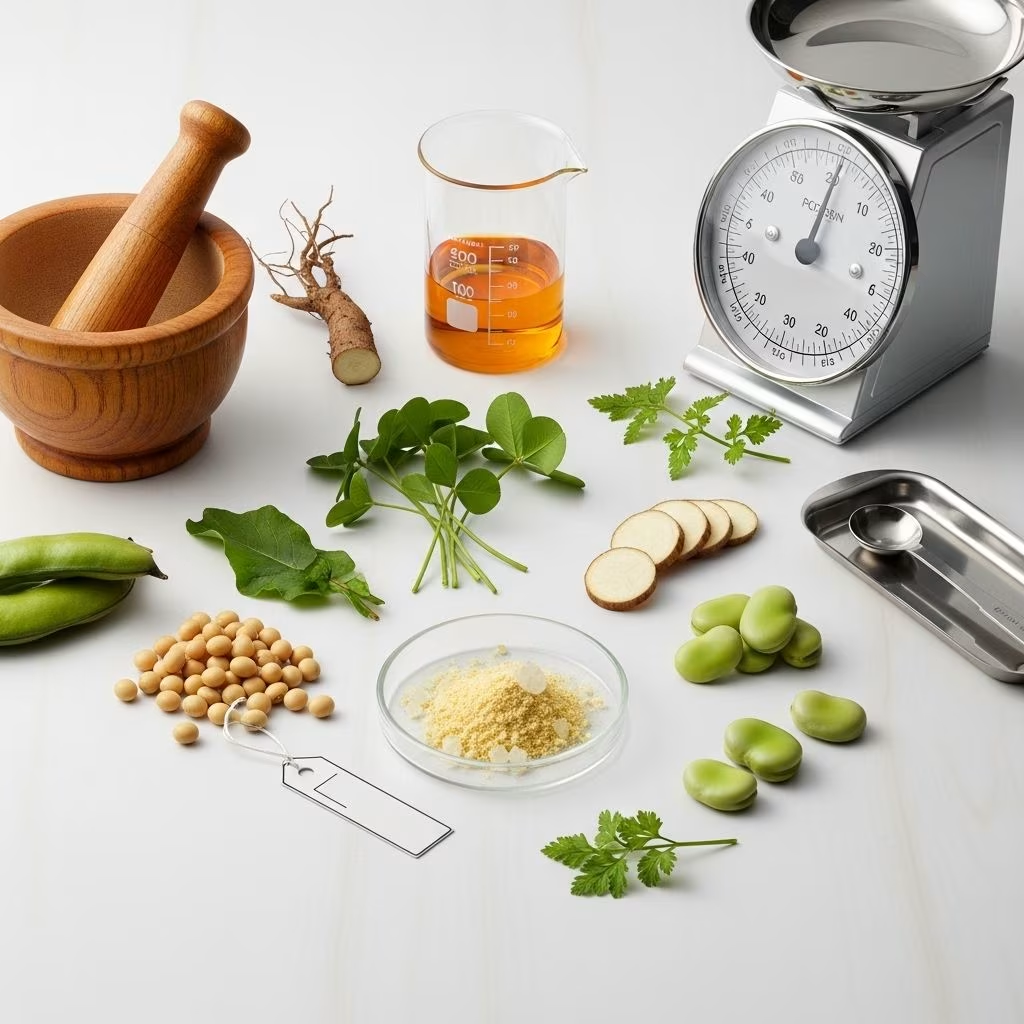
Genistein has gained global recognition as a beneficial compound found primarily in soy and other legumes. Known for its structural similarity to estrogen and wide-ranging biological effects, it is a frequent topic in food science, pharmacology, and health discussions. This article provides a deep dive into the nature of genistein, examining its origins, chemistry, biological effects, health benefits, practical uses, and even its taste profile.
What Is Genistein?
Genistein is a type of isoflavone—a class of naturally occurring plant compounds with potent biological activity. Specifically, genistein is a phytoestrogen, meaning it is structurally similar to the human hormone estrogen and can interact with estrogen receptors in the body. The chemical designation for genistein is 5,7-dihydroxy-3-(4-hydroxyphenyl)chromen-4-one, with a molecular formula of C15H10O5 and a molecular weight of 270.24 g/mol.
First isolated in 1899 from the plant Genista tinctoria (dyer’s broom), genistein exists predominantly in its glycosylated form in nature but converts to its aglycone (active) form through food processing or digestion.
Summary Table: Genistein at a Glance
| Aspect | Details |
|---|---|
| Compound Type | Isoflavone, Phytoestrogen |
| Chemical Formula | C15H10O5 |
| Main Sources | Soybeans, Fava beans, Kudzu, Lupins, Tempeh, Tofu |
| Main Actions | Estrogenic/antiestrogenic, antioxidant, anti-inflammatory, anticancer |
Natural Sources of Genistein
Genistein is abundant in the legume family, especially in soy products and some medicinal plants. Notable sources include:
- Soybeans (and derived products like tofu, tempeh, soy milk)
- Kudzu (Pueraria lobata)
- Lupin beans (Lupinus albus)
- Fava beans (Vicia faba)
- Psoralea seeds (Psoralea corylifolia)
The highest dietary concentrations are found in soybeans and soy-derived foods, making these staples in plant-based or Asian diets strong sources of genistein.
Chemical Properties and Bioavailability
Genistein is a polyphenolic molecule with two aromatic rings (A and B) connected via a third carbon ring (C), forming the 3-phenylchromen-4-one nucleus. The key functional groups implicated in its biological effects are hydroxyl (–OH) groups at positions 5, 7, and 4, contributing to its antioxidant and estrogenic properties.
In nature, isoflavones like genistein commonly exist as glycosides (with attached sugar molecules). Human or animal digestion or fermentation processes (as in tempeh production) release the aglycone—the form absorbed and active in the body.
Bioavailability depends on gut microbiota, food processing, and overall health status. Notably, genistein can bind to and modulate estrogen receptors (ERα and ERβ), sometimes acting as an agonist and sometimes as an antagonist, depending on hormonal context.
Biological Activities of Genistein
Genistein’s biological mechanisms span several domains. Some of its key cellular and molecular actions include:
- Estrogenic/antiestrogenic effects: It mimics or blocks the effects of estrogen, depending on endogenous hormone levels and tissue type.
- Antioxidant properties: Neutralizes free radicals and reduces oxidative damage.
- Anti-inflammatory effects: Modulates inflammatory signaling pathways such as NF-κB and inhibits pro-inflammatory enzyme synthesis.
- Anti-cancer/antitumor activity: Inhibits tyrosine kinases and topoisomerase II, may suppress tumor cell proliferation, and can induce apoptosis (cell death) in certain cancer cells.
- Lipid metabolism and antidiabetic effects: Regulates enzymes involved in fat metabolism and may improve insulin sensitivity.
- Antibacterial and antiviral actions: Inhibit the growth of certain pathogenic microbes.
Health Benefits of Genistein
A growing body of clinical, epidemiological, and preclinical evidence supports numerous health benefits for genistein, especially as a component of soy-rich diets.
1. Protection Against Cardiovascular Disease
- May lower LDL (“bad”) cholesterol and improve HDL (“good”) cholesterol levels, contributing to reduced risk of heart disease.
- Exerts vasodilatory effects, improving blood flow and vascular health.
- Exhibits anti-inflammatory and antioxidant actions protective to blood vessels.
2. Reduction of Cancer Risk
- Epidemiological studies associate high dietary intake of genistein (mainly from soy) with lower rates of certain cancers, notably breast, prostate, and colon cancers.
- Acts as an estrogen modulator—blocking estrogen’s effects at times, competing for receptor sites, and regulating tumor growth in hormone-dependent cancers.
- Induces cellular apoptosis and inhibits key enzymes involved in cell proliferation.
3. Bone Health and Osteoporosis Prevention
- Mimics estrogen’s effects on bone formation and resorption—the reason genistein is investigated for the prevention of osteoporosis, particularly in postmenopausal women.
- Improves calcium retention and increases bone mineral density in animal and some human studies.
4. Alleviation of Menopausal and Hormonal Symptoms
- Used as a natural alternative to hormone replacement therapy in postmenopausal women.
- Reduces hot flashes, night sweats, and other menopausal symptoms, likely due to estrogen receptor binding and mild modulatory effects.
5. Anti-Inflammatory and Neuroprotective Effects
- Reduces markers of systemic inflammation; of particular interest in autoimmune or inflammatory diseases.
- Emerging evidence supports neuroprotection in models of neurodegenerative diseases, possibly via promotion of autophagy (cellular waste recycling).
6. Other Benefits
- An investigational role in improving insulin sensitivity and reducing risk factors for metabolic syndrome and type 2 diabetes.
- Traditional use as an antihelmintic (treatment for parasitic worms) in some Asian folk medicines.
- Role in lysosomal storage diseases under experimental therapies (adjunct to enzyme replacement or gene therapy).
Medical and Traditional Uses
Genistein is utilized in various contexts:
- Dietary Supplementation: Incorporated in tablets, capsules, or enriched foods aimed at cardiovascular, bone, menopausal, and general wellness support.
- Functional Foods: Major ingredient in fortified soy foods and specialty nutrition drinks for postmenopausal health.
- Pharmaceutical Development: Ongoing research for genistein analogues or formulations to increase bioavailability and enhance cancer, cardiovascular, or neuroprotective effects.
- Traditional Medicine: Used as an antihelmintic in indigenous Asian practices, owing to its intense antiparasitic activity in certain plants such as Flemingia vestita.
While not a first-line pharmaceutical, genistein is being actively investigated both in clinical trials and experimental settings.
Taste and Culinary Profile
Genistein as a pure compound is rarely added for taste but is abundant in certain foods where its flavor profile is noticeable.
- Flavor character: Mildly bitter, sometimes slightly nutty or earthy. This contributes subtly to the overall taste of many soy products.
- Palatability: The bitterness is more pronounced in raw soy flour or unprocessed legumes but is largely masked in cooked or fermented foods (e.g., tempeh, miso, tofu).
- Food applications: No direct flavoring use, but its natural occurrence in soy-based foods makes it part of the characteristic umami profile of these foods.
Most consumers will not detect genistein directly, but may perceive its presence in the more complex bitterness or earthiness of minimally processed soybeans or certain pulses.
Potential Side Effects and Precautions
While genistein found in foods is considered safe for most people, the following cautions apply:
- Hormonal effects: Due to its phytoestrogenic action, high intakes may impact hormonal balance, particularly in those with a history of hormone-sensitive cancers or those taking hormone therapies. Clinical guidance is advised.
- Thyroid function: High levels of isoflavones, including genistein, may interfere with thyroid function in individuals with preexisting thyroid disorders.
- Pediatric use: Caution is recommended regarding use in infants or children due to potential effects on developing reproductive or endocrine systems.
- Drug interactions: May alter the metabolism or effectiveness of hormone-based medications (e.g., birth control pills, estrogen therapies).
- Digestive upset: Mild gastrointestinal complaints may occur at high supplemental intakes.
Evidence does not show harm when genistein is consumed in amounts typical of a balanced diet, but concentrated supplements or exceeding typical dietary levels warrants professional medical consultation.
Current Limitations and Future Perspectives
- Inconsistent bioavailability: Absorption and effectiveness can vary based on gut health and individual metabolism.
- Need for more clinical data: Most benefits are extrapolated from epidemiological or preclinical models; large clinical trials are needed to confirm therapeutic effects and safety in diverse populations.
- Emerging uses: Research is ongoing on nano-formulations, improved delivery systems, and new therapeutic indications (e.g., for neurodegenerative and lysosomal storage diseases).
Frequently Asked Questions (FAQs)
Q: Is genistein the same as soy isoflavones?
A: Genistein is one of several isoflavones found in soy, alongside daidzein, glycitein, and others. It is usually the most abundant and biologically active isoflavone in traditional soy foods.
Q: Does genistein have estrogenic side effects?
A: Genistein can mimic or block estrogen depending on tissue type and hormonal environment—generally, its effects are considered mild relative to pharmaceutical estrogens, but it may influence hormone-sensitive tissues in high doses.
Q: Can I get enough genistein from diet alone?
A: Typical diets with regular soy intake provide meaningful genistein levels. Legumes, nuts, and specific functional foods labeled with isoflavones also contribute. Supplements offer higher doses but require caution.
Q: Is genistein safe during pregnancy or breastfeeding?
A: Consultation with healthcare providers is recommended, as the effects of high phytoestrogen intake on fetal or infant development are still under investigation.
Q: Does cooking destroy genistein?
A: Cooking soybeans or processing soy does not destroy genistein but may cause structural changes in its glycoside form, making it more accessible for absorption as the aglycone.
Q: What foods are highest in genistein?
A: Fermented soy products (tempeh, natto), traditional tofu, and roasted soybeans have some of the highest dietary concentrations.
References
Key supporting data and research summaries drawn from peer-reviewed journals, clinical trial data, and academic resources.
For in-depth reading, review pharmacological guides and the cited references in the article’s research basis.
References
- https://www.frontiersin.org/journals/pharmacology/articles/10.3389/fphar.2022.820969/full
- https://go.drugbank.com/drugs/DB01645
- https://pmc.ncbi.nlm.nih.gov/articles/PMC8315847/
- https://en.wikipedia.org/wiki/Genistein
- https://www.paulaschoice-eu.com/genistein/ingredient-genistein.html
- https://www.thieme-connect.com/products/ejournals/pdf/10.1055/a-0797-3657.pdf


