


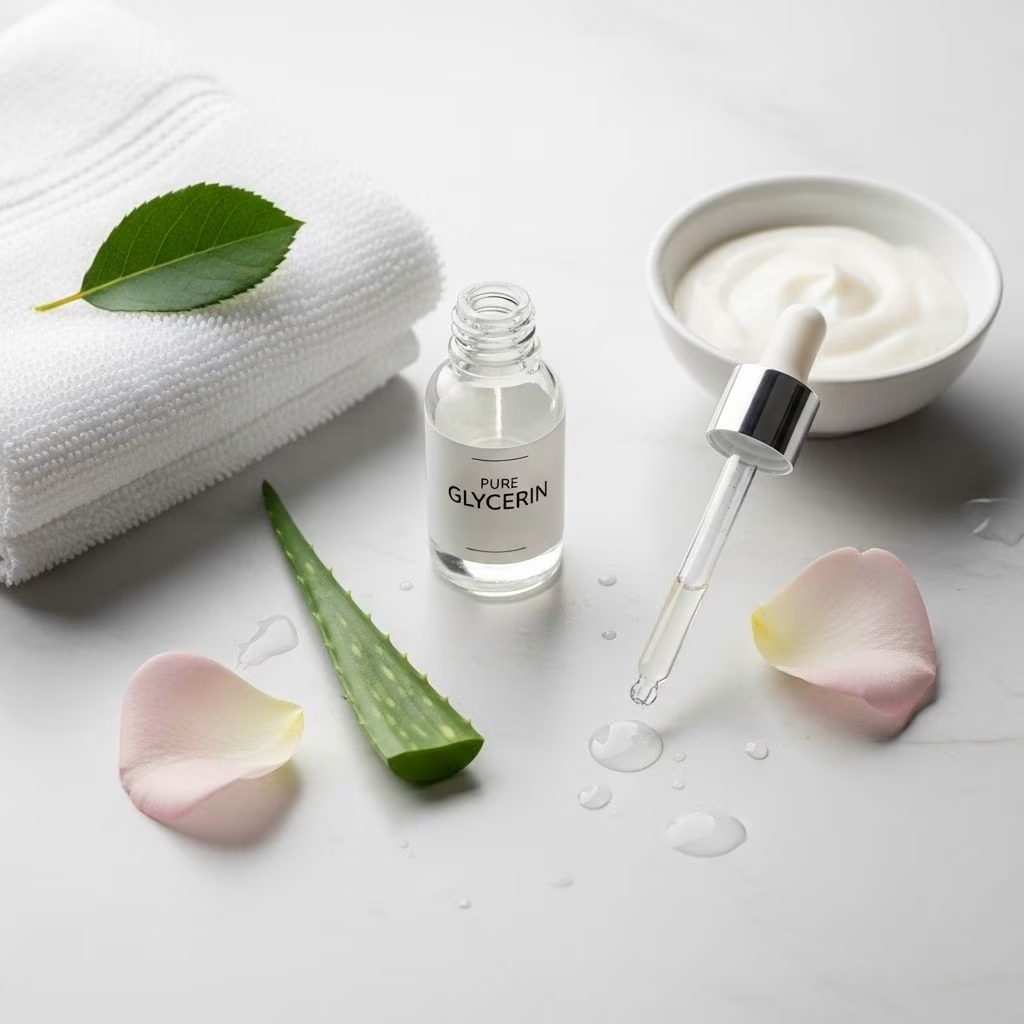
Glycerin, also known as glycerol, is a core ingredient in countless skincare products. Highly valued for its ability to hydrate, protect, and rejuvenate the skin, glycerin’s gentle yet effective qualities make it suitable for nearly all skin types, including sensitive and children’s skin. This comprehensive guide explores the origins of glycerin, the science behind its action, its wide spectrum of skin benefits, practical uses, and best practices for safe and effective application.
What is Glycerin?
Glycerin, also referred to as glycerol, is a colorless, odorless, and viscous liquid that naturally occurs in animal fats and plant oils. In skincare, it is mainly sourced from plant-based oils or produced synthetically. Glycerin is classified as a humectant—a substance that attracts and retains water—making it an exceptional ingredient for hydrating the skin.
Scientific Properties
- Chemical formula: C3H8O3
- Hydrophilic (water-attracting)
- Non-toxic and widely used in food, personal care, and pharmaceuticals
How Glycerin Works in Skincare
Glycerin acts on the uppermost layer of the skin (stratum corneum), where it pulls water either from the air or the deeper layers of the skin to the surface. This results in increased hydration, a reinforced skin barrier, and improved skin texture and elasticity.
- Moisture Magnet: Glycerin draws water from the environment or underlying skin layers to ensure the outer layer stays moist.
- Barrier Support: By hydrating the stratum corneum, glycerin enhances the skin barrier, minimizing water loss and protecting against external irritants.
- Compatibility: Works synergistically with other ingredients like hyaluronic acid, squalane, and centella asiatica extract for amplified results.
Key Skin Benefits of Glycerin
Glycerin’s versatility means its benefits extend far beyond simple moisturization. Here are some of the top scientifically supported advantages:
- Deep Moisturization: Increases the skin’s water content, preventing dryness and flakiness even in harsh conditions.
- Protects Skin Barrier: Strengthens and repairs the skin barrier, making the skin more resilient to harsh weather, cleansers, and pollutants.
- Anti-Aging Properties: Enhanced hydration smooths out fine lines and reduces visible wrinkles, supporting a more youthful appearance.
- Accelerates Healing: Speeds up the skin’s natural repair processes, making it beneficial for wounds, minor burns, and irritated spots.
- Soothes Sensitive and Problematic Skin: Relieves itching, stinging, and flakiness associated with eczema, psoriasis, or post-procedural skin.
- Antimicrobial Properties: Glycerin exhibits mild antibacterial and antifungal abilities, offering an extra layer of protection against surface pathogens.
- Non-Comedogenic and Gentle: Safe for all skin types, including oily, sensitive, and even baby skin. Does not clog pores or cause irritation.
Summary Table: Glycerin’s Skin Benefits
| Benefit | Description |
|---|---|
| Deep Moisturization | Keeps skin hydrated by drawing and retaining water |
| Restores Skin Barrier | Reinforces the protective barrier, reduces water loss |
| Anti-Aging Support | Reduces fine lines and plumps up wrinkles |
| Speeds Healing | Boosts tissue repair; useful for minor wounds and irritations |
| Antimicrobial Effects | Inhibits some pathogens, adds to surface defense |
| Gentle on Skin | Non-irritating, safe for all ages and skin types |
Uses of Glycerin in Skincare
Glycerin’s utility extends across a broad range of skincare applications. Here are some of its main uses:
- Moisturizers: Found in creams, lotions, gels, and ointments for everyday hydration.
- Cleansers: In facial washes and soaps, glycerin gently cleanses without over-drying the skin.
- Serums: Lightweight hydrating serums harness glycerin’s humectant abilities for deep moisture penetration.
- Toners: Alcohol-free toners with glycerin soothe and prep the skin post-cleansing.
- Aftershaves and Post-Procedure Gels: Fast-tracks recovery and soothes irritation from shaving or dermatological procedures.
- Lip Balms & Hand Creams: Particularly effective for shielding delicate or frequently washed areas from dryness and cracking.
- Scar and Wound Care: Supports healthy, hydrated healing in wound gels and ointments.
- DIY Masks & Home Remedies: Mixed with honey, rosewater, or aloe for simple, hydrating facial treatments.
Is Glycerin Safe for All Skin Types?
Glycerin is widely recognized as safe for most people, including children and those with sensitive skin. Its non-comedogenic nature means it does not clog pores or exacerbate acne, making it an ideal choice for anyone seeking gentle hydration.
However, certain individuals—especially those who use undiluted pure glycerin or live in very dry environments—may experience increased dryness since glycerin can draw water from the deeper skin layers toward the surface when humidity is low. This rare effect can be mitigated by diluting glycerin or using it as part of a professionally formulated product.
How to Apply Glycerin: Tips & Methods
For best results, use glycerin as part of a balanced skincare routine or as described below:
- Choose a product suited to your skin type: Look for lotions, creams, or serums that list glycerin among the top ingredients.
- Patch test first: Apply a small amount to a discreet area and monitor for 24 hours if you are new to the ingredient.
- Apply to damp skin: After washing, when your skin is still slightly moist, glycerin’s humectant effect is maximized.
- Layer with occlusives: To lock in hydration, follow up with a moisturizer containing occlusive agents (like petrolatum or shea butter) especially if you are in a dry environment.
- DIY formula: Mix a few drops of glycerin with rosewater, aloe, or honey for a gentle, natural mask. Never use high concentrations or undiluted glycerin directly on the skin.
- Frequency: Daily use is typically safe and effective in most commercial formulations.
Simple Homemade Glycerin Face Mist Recipe
- 2 tablespoons rosewater
- 1 tablespoon distilled water
- 1 teaspoon vegetable glycerin
- Mix well and store in a spray bottle. Mist lightly onto cleansed skin and follow with your regular moisturizer.
Potential Side Effects & Precautions
- Skin Irritation: Extremely rare, but may occur with high concentrations or undiluted application. Always dilute or use as part of a formulated product.
- Dehydration (in dry climates): If the air is very dry, pure glycerin may pull water from deeper skin layers, causing mild dehydration or—rarely—blistering.
- Mixing with other ingredients: Do not combine glycerin with harsh soaps or acids without professional guidance.
- Contact allergies: While uncommon, monitor for redness, itching, or hives on first use. Discontinue if symptoms occur.
Glycerin vs. Other Humectants: Comparison Table
| Humectant | Source | Hydration Power | Skin Tolerance | Additional Benefits |
|---|---|---|---|---|
| Glycerin | Plant/animal/synthetic | High | Very high (all types) | Barrier repair, wound healing |
| Hyaluronic Acid | Biotechnological | Very high | High (may irritate rare types) | Plumping, anti-aging |
| Sodium PCA | Plant-derived | Moderate-high | High | Natural NMF (natural moisturizing factor) |
| Sorbitol | Vegetable oils | Moderate | High | Emollient |
Frequently Asked Questions (FAQs)
Q: Can I use pure glycerin directly on my skin?
A: Pure, undiluted glycerin may cause irritation or dehydration, especially in low humidity. Always dilute or use as part of a formulated product for safety and effectiveness.
Q: Is glycerin safe for acne-prone skin?
A: Yes. Glycerin is non-comedogenic, meaning it does not block pores, so it’s suitable for oily, acne-prone skin. Its soothing and hydrating effects may even help improve skin texture.
Q: How often can I use glycerin on my face?
A: Products containing glycerin can be used daily. If using a DIY solution, start with 2–3 times per week to assess skin response.
Q: Does glycerin lighten the skin?
A: While glycerin hydrates and plumps the skin, making it look more radiant, it does not bleach or lighten natural skin pigment.
Q: Can I use glycerin in combination with other skincare ingredients?
A: Yes. Glycerin pairs well with most hydrating and barrier-supporting ingredients, and is commonly found combined with hyaluronic acid, ceramides, and botanical extracts.
Q: Is glycerin vegan?
A: Although glycerin can be derived from animal or plant sources, most skincare manufacturers use plant-based or synthetic glycerin. Always check with the manufacturer for details.
Conclusion
Glycerin remains a gold-standard skincare ingredient for those seeking robust hydration, barrier protection, and gentle healing. By understanding the best ways to use and apply glycerin, both in everyday products and at home, anyone can unlock smoother, healthier, more resilient skin.
References
- https://www.neutrogena-me.com/beauty-and-skincare-tips/skincare/top-five-benefits-glycerin-for-skin
- https://www.healthline.com/health/glycerin-for-face
- https://www.webmd.com/beauty/what-is-pure-glycerin
- https://www.kiehls.com/skincare-advice/glycerin-benefits-for-skin.html
- https://www.paiskincare.us/blogs/guides/glycerin-skin-benefits
- https://pubmed.ncbi.nlm.nih.gov/18510666/
- https://www.paulaschoice.com/expert-advice/skincare-advice/ingredient-spotlight/benefits-glycerin-skincare.html


