


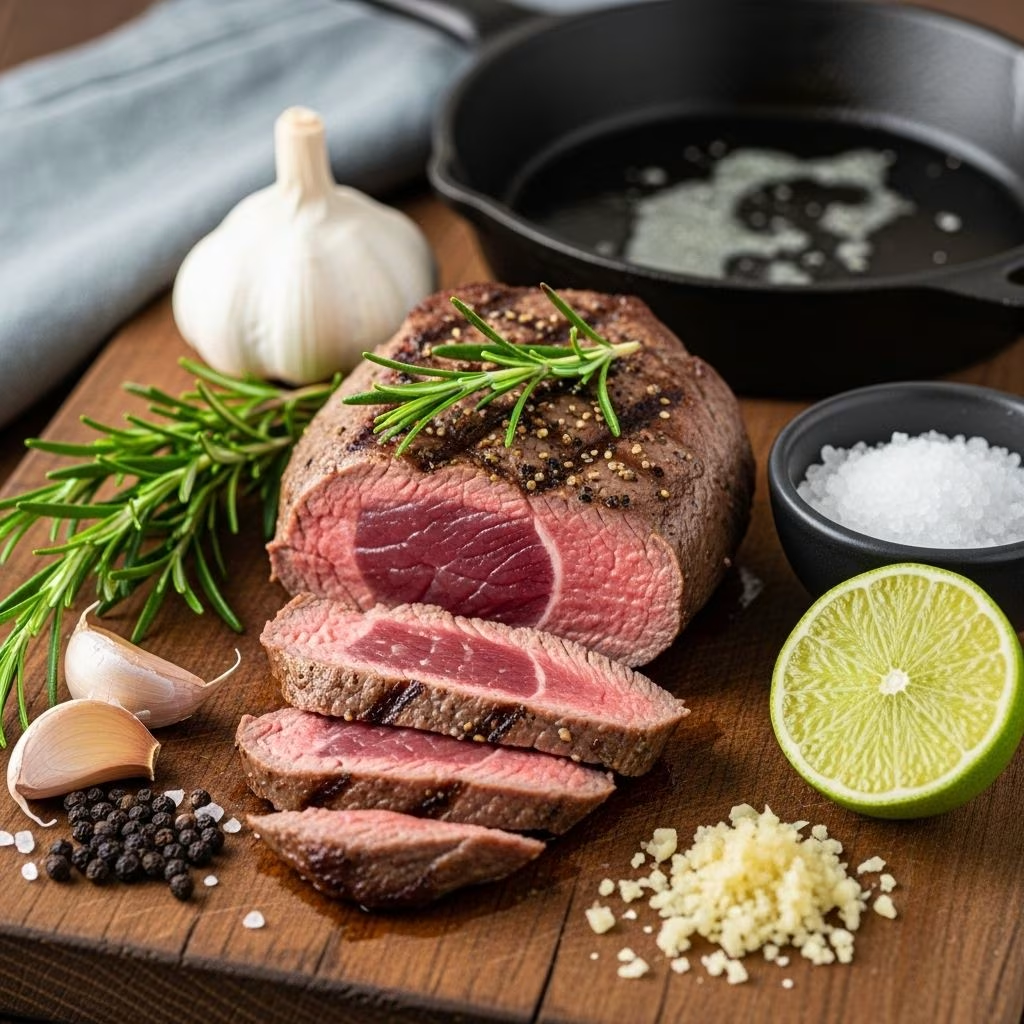
Goat meat, though less common compared to beef or chicken in many Western countries, is a staple protein around the world—favored for its distinctive flavor, impressive nutritional profile, and remarkable versatility in the kitchen. If you’re curious about what makes goat meat unique, its health benefits, how it tastes, and the best ways to enjoy it, this comprehensive guide will provide you with all the essential details.
Introduction to Goat Meat
Goat meat, also known as “chevon” when sourced from young goats and “cabrito” from milk-fed kids, is a red meat used in a wide variety of traditional dishes around the world. Its popularity is especially pronounced in South Asia, Africa, the Middle East, and the Caribbean, though interest has grown in the United States, Canada, and Europe due to increasing demand for alternative healthy proteins.
The meat is typically harvested from goats between four weeks (cabrito) and nine months (chevon) old, but mature goat meat is also widely consumed, especially in Caribbean cuisine. Goat meat has a distinctive muscle structure—it is generally leaner and has less subcutaneous fat than lamb or beef, resulting in a unique texture and a meat that tends to be firmer, especially when sourced from older animals.
Nutritional Profile of Goat Meat
Goat meat stands out in the world of animal proteins for its nutritional attributes. Here is a general breakdown for 100 grams (approximately 3.5 ounces) of cooked goat meat:
| Nutrient | Amount (per 100g) | Comparison |
|---|---|---|
| Calories | ~143 kcal | Lower than beef/lamb |
| Protein | ~27g | Comparable to other red meats |
| Total Fat | ~3g | Significantly lower than beef/lamb |
| Saturated Fat | ~1g | Much lower than beef/lamb |
| Cholesterol | ~75 mg | Lower than beef/lamb |
| Iron | ~3.3 mg | Rich source |
| Vitamin B12 | High | Comparable to/above other meats |
| Unsaturated Fatty Acids | Higher proportion | Healthier profile |
Goat meat is an excellent choice for those monitoring fat, calorie, and cholesterol intake while still seeking substantial protein and essential nutrients.
Health Benefits of Goat Meat
- Low in Fat and Cholesterol: Goat meat contains lower fat and cholesterol than beef, lamb, and pork, making it a heart-friendly option for those at risk of cardiovascular disease.
- Rich in Protein: Providing around 27g of protein per 100g serving, it supports muscle growth, repair, and satiety.
- High in Iron: Goat meat supplies a robust dose of bioavailable iron, which helps combat anemia and supports healthy blood oxygenation.
- Contains Essential B Vitamins: Especially vitamin B12 and B6, both vital for energy metabolism and nervous system function.
- Fewer Calories: Goat meat is noticeably lower in calories per serving compared to beef or lamb.
- More Unsaturated Fat: Goat’s fat is higher in unsaturated fatty acids, considered healthier for the heart compared to the saturated fats dominant in other red meats.
- Leaner Options for Weight Management: Its leanness makes it a preferred meat for people watching their caloric intake or aiming for lean muscle mass.
Emerging research also suggests that goat meat’s unique protein structure and low cholesterol content may play a positive role in dietary patterns aimed at reducing risk factors for chronic illness.
Flavor and Taste Profile
Goat meat is often described as having a pronounced, slightly gamey flavor—more intense than lamb, but generally milder than venison, especially when sourced from younger animals. The “gamey” or robust taste is largely influenced by the goat’s age, diet, and method of preparation:
- Young goat (cabrito, chevon): Offers a milder, more delicate flavor and a finer grain texture. It is tender and well-suited to grilling and roasting.
- Mature goat: Features a stronger, more pungent taste and firmer texture, which some cuisines, like Caribbean or South Asian, particularly prize for slow-cooked dishes and stews.
- Cooking Method: Goat meat responds best to moist heat and low-temperature cooking, which helps break down its collagen and yields a tender, flavorful result.
The unique flavor profile of goat meat makes it an intriguing centerpiece for adventurous home cooks and a familiar comfort in households where goat has always been a dietary staple.
Types, Cuts, and Culinary Uses
Butchering a goat yields a range of cuts, most paralleling those familiar from lamb and beef. Each offers distinct culinary uses:
- Leg (hind or fore): Excellent for slow roasting, braising, or marinating and grilling.
- Shoulder: Best suited to slow cooking, curries, and stews; yields rich, tender meat.
- Rib and Loin: These tender cuts are often grilled, roasted, or cut into chops.
- Shank: Full of connective tissue and robust flavor; requires low, moist heat for long periods, perfect for hearty braises.
- Neck and Breast: Less tender but flavorful, ideal for slow-cooked dishes and ground meat recipes.
Common Culinary Uses:
- Roasting whole (especially young goat)
- Stewing and braising (older goat or tougher cuts)
- Grilling or broiling
- Ground in kebabs, burgers, or spiced fillings
- Salting and curing in traditional preserved meats
How to Cook Goat Meat
The most important rule when cooking goat meat is to avoid high, dry heat for extended periods, as this can quickly toughen the lean muscle fibers. Instead, use techniques that preserve tenderness and enhance flavor:
- Low and Slow: Braising, stewing, or slow roasting helps break down collagen and soften the meat, especially with older goats.
- Marination: Acidic marinades (with lemon, yogurt, or vinegar) improve tenderness and impart extra flavor.
- Quick Searing: For the most tender cuts (loin, rib), rapid, high-heat cooking works if the meat is not overcooked.
- Moist Cooking Methods: Goat’s low fat content means it benefits from moisture—think covered casseroles, curries, and tagines.
Always rest the cooked meat before serving for best results. Overcooking, especially over direct heat, can result in tough, chewy texture due to the high collagen content and low intramuscular fat.
Goat Meat in Global Cuisines
Goat meat features in an array of beloved dishes worldwide:
- South Asia: Biryanis, curries, vindaloo, and kebabs embrace goat for its ability to absorb robust spices.
- Caribbean: Stewed goat and spiced curries are festive and everyday staples.
- Africa: Grilled or stewed in spicy sauces.
- Mediterranean/Middle East: Roasted, braised, or slow-cooked in tagines and pilafs.
- Latin America: Barbacoa (slow-cooked goat), cabrito asado (grilled young goat), and spicy stews.
The variety of cooking methods and spice profiles highlights goat meat’s normalcy in global kitchens.
Goat Meat vs. Other Meats
| Meat Type | Fat Content (per 100g) | Calories (per 100g) | Cholesterol | Protein | Flavor |
|---|---|---|---|---|---|
| Goat | ~3g | ~143 | ~75mg | ~27g | Moderate to strong, slightly gamey |
| Beef | ~10-20g | ~250 | ~90mg | ~26g | Mild to robust |
| Lamb | ~9g | ~250 | ~97mg | ~25g | Rich, often fatty |
| Chicken | ~3g | ~165 | ~85mg | ~31g | Mild |
The data shows that goat meat is one of the leanest red meats, competitive in protein and lower in calories, fat, and cholesterol—qualities that appeal to a health-conscious audience.
Buying and Storing Goat Meat
- Purchase goat meat from reputable butchers or specialty shops. Look for moist, pinkish-red flesh with little visible fat.
- Younger goat cuts will be lighter in color and more tender, while older animals offer deeper flavor but require longer cooking.
- Check labeling—terms like “cabrito” (very young) or “chevon” (young) help identify age and cooking purpose.
- For freshness, refrigerate raw goat meat and use within 2-3 days, or freeze for up to 3-4 months. Freezer storage beyond this may result in increased off-flavors or freezer burn.
- Thaw frozen goat meat in the refrigerator, never at room temperature, for optimal food safety.
When selecting goat meat, be aware that there are no USDA quality grades as there are for beef or lamb, so freshness and source reputation are key.
Frequently Asked Questions (FAQs)
Q: Is goat meat safe to eat for people with heart disease?
A: Yes, goat meat is lower in fat and cholesterol than many other red meats, making it a good option for those concerned about cardiovascular health. However, preparation methods matter—choose grilling, roasting, or stewing and avoid high-fat additions.
Q: What does goat meat taste like compared to lamb or beef?
A: Goat meat is generally more robust and slightly gamey than lamb, but milder if sourced from younger goats. It lacks the heavy fattiness of lamb or beef, giving it a lighter mouthfeel.
Q: Does goat meat smell or taste strong?
A: The taste and aroma can be pronounced, particularly in mature animals. Milk-fed or young goat is milder and less assertive in flavor and aroma, making it suitable for those new to goat meat.
Q: What is the best way to cook goat meat?
A: Braising, slow-cooking, and marinating are key to tender, flavorful results—especially with tougher cuts or older goats. For tender, young goat, quick grilling or pan-searing works well.
Q: Is goat meat environmentally sustainable?
A: Goats require less land and food compared to cattle; a hectare of pasture can sustain up to 25 goats versus 5 cattle. This makes goat production more efficient and eco-friendly in many regions.
Q: How should goat meat be stored for maximum freshness?
A: Refrigerate fresh goat meat and use within 2-3 days. For long-term storage, freeze for up to 3-4 months; quality may decrease after extended freezing.
Q: Can you substitute goat meat for lamb or beef in recipes?
A: Generally yes, because goats are often butchered similarly to sheep. However, adjust cooking time and moisture, as goat can dry out or toughen faster than fattier meats.
Key Takeaways
- Goat meat is a lean, nutritious, and flavorful red meat with a growing fan base outside traditional cuisines.
- Its low fat and cholesterol, high protein, and rich micronutrient profile make it a standout for health-conscious eaters.
- Mastering cooking techniques—especially moist, slow methods—unlocks the best of goat’s flavor and tenderness.
- Experiment with global recipes to appreciate goat’s cultural diversity and culinary potential.
References
- https://en.wikipedia.org/wiki/Goat_meat
- https://www.nda.gov.za/images/Branches/AgricProducHealthFoodSafety/PlantProductionHealth/animal-production/small-stock/dairy-goats/goat-meat-in-human-nutrition.pdf
- https://argentineasado.com/goat-meat-guide/
- https://www.canr.msu.edu/news/goat_meat_quality
- https://pmc.ncbi.nlm.nih.gov/articles/PMC10453609/
- https://extension.psu.edu/meat-goat-production/
- http://esgpip.langston.edu/sites/default/files/Chapter%2012_%20Sheep%20and%20Goat%20meat%20characteristics%20and%20quality.pdf
- https://cals.cornell.edu/nys-4-h-animal-science-programs/livestock/goats/goat-fact-sheets/meat-goat-breeds


