


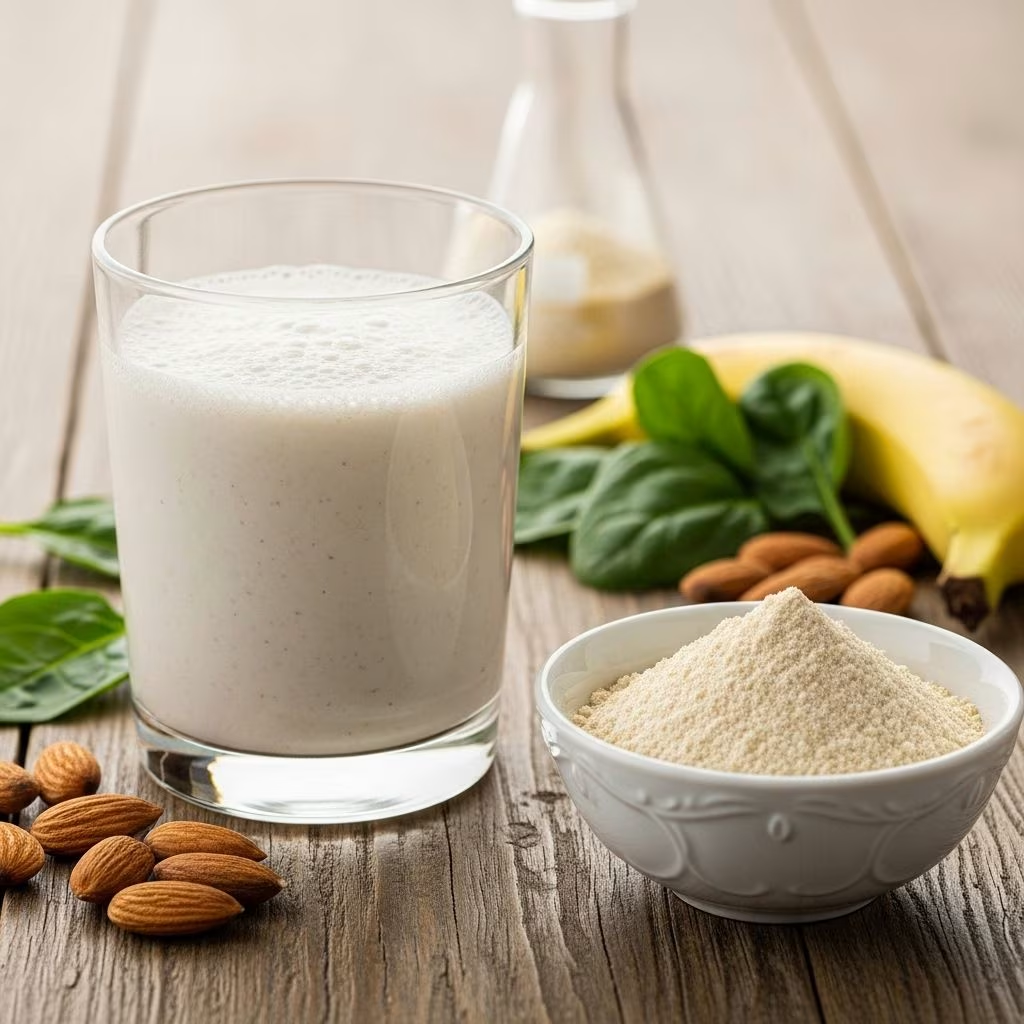
Goat whey protein is gaining rapid attention among consumers seeking nutritional excellence, improved digestibility, and advanced health benefits that go beyond standard cow’s milk whey. This detailed article guides readers through the core science, practical application, and safety profile of goat whey protein, making it an indispensable resource for anyone interested in health and nutrition.
Introduction
Whey protein, a by-product of cheese manufacturing, is revered for its complete amino acid profile, high biological value, and role in supporting muscle growth, recovery, and metabolic health. Traditionally sourced from cow’s milk, whey protein now finds an innovative contender in goat whey protein. This protein supplement is prized for its enhanced digestibility, richer micronutrient blend, and unique bioactive compounds that impart antioxidant, immune-boosting, and anti-inflammatory properties.
Nutritional Profile of Goat Whey Protein
Goat whey protein is not just a protein supplement but a nutritional powerhouse. It contains all nine essential amino acids, making it a complete protein suitable for muscle synthesis and overall tissue repair. Beyond amino acids, goat whey is notable for:
- High levels of branched-chain amino acids (BCAAs): Leucine, isoleucine, and valine, which are key for muscle protein synthesis and recovery.
- Rich mineral content: Including calcium, potassium, magnesium, zinc, iron, and phosphorous, vital for bone health, electrolyte balance, and immune function.
- Lactoferrin: An iron-binding protein with roles in immune regulation, digestive and cognitive health.
- Prebiotics: That aid digestion and support gut health.
- High vitamin content: Notably vitamin A and D, which support vision, immune function, and calcium absorption.
Typical Nutritional Values (per 30g serving)
| Nutrient | Goat Whey Protein | Cow Whey Protein |
|---|---|---|
| Calories | 110–120 kcal | 115 kcal |
| Protein | 23–25g | 23g |
| BCAAs | ~5.7g | ~5.5g |
| Fat | 1–2g | 1–2g |
| Lactose | Low | Moderate |
These numbers can vary by brand and processing method.
Key Health Benefits of Goat Whey Protein
The unique composition of goat whey protein provides a spectrum of health advantages that extend beyond muscle support. Major scientifically supported benefits include:
1. Enhanced Antioxidant Status
- Boosts Glutathione Levels: Goat whey protein supplementation has been shown to significantly increase glutathione, a critical antioxidant, in blood and tissues, offering cellular protection against oxidative stress and toxins.
- Activates Antioxidant Enzymes: It facilitates the functioning of catalase and other antioxidant enzymes, neutralizing free radicals and combating lipid and protein oxidation—mechanisms attributed to cysteine and methionine content.
2. Immune System Support
- Lactoferrin Content: Goat whey protein is rich in lactoferrin, which supports immune health, minimizes inflammation, and may hinder harmful pathogen growth.
- Modulation of Cytokines: Research suggests goat whey may help regulate immune signaling molecules, thus optimizing immune function and response to infection.
3. Improved Digestive Health
- Prebiotics: Naturally present in goat whey, these compounds foster gut microbiota, aid in nutrient absorption, and reduce gastrointestinal discomfort.
- Easier Lactose Digestion: Contains less lactose than cow whey, making it suitable for those with mild lactose intolerance.
4. Superior Mineral Absorption & Nutrient Density
- Higher Bioavailability of Minerals: Goat whey offers superior absorption of micronutrients, particularly calcium, magnesium, and iron, supporting heart, bone, and neurological function.
5. Anti-inflammatory & Other Potential Health Effects
- Reduces Chronic Inflammation: The antioxidant profile may help decrease markers of inflammation related to various chronic diseases.
- Potential Anticancer and Antimicrobial Action: Emerging data suggest possible anticancer and antimicrobial properties due to bioactive peptides and amino acids, though more research is needed for confirmation.
Digestibility & Bioavailability
Many individuals experience digestive issues with traditional bovine whey products due to lactose intolerance or sensitivity to milk proteins. Goat whey protein addresses these concerns:
- Higher Biological Value: Goat whey protein is absorbed more rapidly and more completely than cow whey, facilitating swifter delivery of amino acids to muscle and tissues.
- Easier to Digest: Most users report less bloating, gas, and discomfort when using goat whey products, attributed to the structure of its proteins and lower lactose load.
- Gentle on Sensitive Guts: Especially beneficial for those with mild lactose intolerance or sensitivity to cow’s milk proteins.
Optimal Dosage Recommendations
Determining the right amount of goat whey protein depends on individual goals, age, body weight, diet, and level of physical activity. General guidelines suggest:
- Average Adult Requirements: 0.8–1.2 grams of protein per kilogram of body weight per day, adjusted upward for athletes or during recovery periods.
- Supplementation Dosage: 20–30 grams per serving, one to two times per day, is standard for muscle maintenance, recovery, or general wellness.
Factors such as total dietary protein intake, exercise routine, and health status should be considered, and consultation with a healthcare provider is recommended for personalized advice.
Potential Side Effects & Considerations
Goat whey protein is generally considered safe, but certain individuals may experience side effects or have specific contraindications:
- Allergic Reactions: Those with milk protein allergies (including casein and whey) should avoid all dairy-based whey products.
- Lactose Intolerance: Although goat whey contains less lactose, those with severe intolerance should consult their physician before use.
- Digestive Upset: Rarely, excess consumption can result in bloating, flatulence, or mild digestive discomfort—usually mitigated by adjusting dose or drinking with adequate water.
- Renal Considerations: Individuals with pre-existing kidney issues should moderate protein intake to prevent unnecessary strain.
Long-term safety studies in humans are limited, although animal studies show a favorable safety profile and significant health benefits.
Goat Whey vs. Cow Whey Protein
Choosing between goat and cow whey protein involves several considerations:
| Feature | Goat Whey Protein | Cow Whey Protein |
|---|---|---|
| Digestibility | Easier to digest | Moderate, often problematic for lactose sensitive |
| Lactose Content | Lower | Higher |
| Micronutrients | Higher minerals (Ca, Mg, K, Fe) | Varies, generally lower |
| Bioactive Compounds | Lactoferrin, prebiotics | Lactoferrin, lower prebiotics |
| Potential Allergenicity | May be lower for some (depends on allergy type) | Higher |
| Taste | Mild, slightly tangy | Creamy, neutral |
Usage Guide: When and How to Take Goat Whey Protein
To maximize benefits, goat whey protein can be incorporated into the diet:
- Post-Workout: 20–30 grams within 30 minutes of exercise supports muscle recovery and hypertrophy.
- In Breakfast Smoothies or Meals: Adds sustainable protein and micronutrients for a balanced start.
- Meal Replacement: Can be blended with fruits, vegetables, and healthy fats for a complete meal.
- Snack or On-the-Go: Handy for meeting daily protein targets during busy schedules or travel.
Always mix goat whey protein with adequate fluid (water, milk, or plant-based beverage) and consume immediately for optimal nutrient preservation.
Frequently Asked Questions
Q: Is goat whey protein suitable for people with lactose intolerance?
A: Goat whey contains less lactose than cow whey and is generally easier to digest. Most individuals with mild lactose intolerance can tolerate goat whey, but those with severe intolerance should use caution.
Q: Can goat whey protein help with weight management?
A: Yes. Goat whey’s protein can increase satiety and help preserve muscle during calorie restriction, potentially assisting with healthy weight loss or maintenance.
Q: Is goat whey protein vegan?
A: No. Goat whey protein is derived from goat milk, so it is not suitable for strict vegan diets. It is, however, an option for vegetarians who consume dairy products.
Q: What types of people benefit most from goat whey protein?
A: Athletes, elderly individuals, those with sensitive digestion, and anyone seeking superior micronutrient absorption may benefit most.
Q: Does goat whey protein taste different?
A: Goat whey has a mildly tangy flavor, often described as more robust than cow whey. Flavor can be improved with natural sweeteners or fruit blends.
Conclusion
Goat whey protein stands out for its exceptional digestibility, robust micronutrient profile, and multiple health-promoting properties. Whether your goal is muscle building, recovery, immune support, or digestive well-being, goat whey delivers comprehensive nutritional benefits for diverse dietary needs. However, it’s crucial to follow recommended dosage guidelines and consult with your healthcare provider before embarking on any supplementation regimen, especially if you have underlying health conditions or severe lactose intolerance.
References
- https://pmc.ncbi.nlm.nih.gov/articles/PMC5866020/
- https://rawrevelations.com/raw-revelations-blog/goat-whey-protein-what-the-science-says
- https://supplementfactoryuk.com/blog/2024/11/why-should-you-switch-to-goat-whey-protein/
- https://pmc.ncbi.nlm.nih.gov/articles/PMC6466539/
- https://realgreekdairies.gr/en/goat-milk-and-goat-sheep-whey-protein/
- https://onlinelibrary.wiley.com/doi/10.1002/fsn3.3531
- https://rsdjournal.org/rsd/article/view/24340
- https://www.healthline.com/nutrition/10-health-benefits-of-whey-protein


