


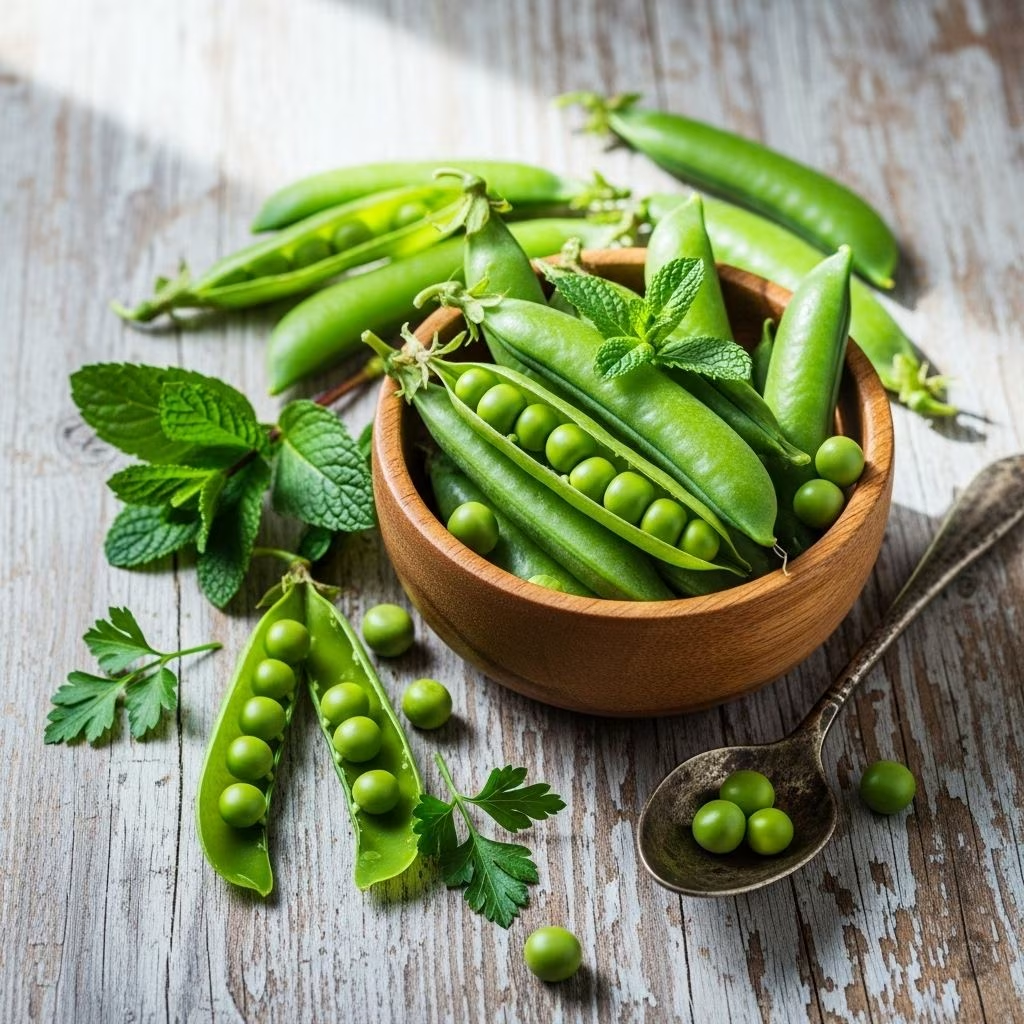
Green peas—small, vibrant, and packed with nutrients—have long been a staple on dinner tables and in kitchens across the world. This article explores what green peas are, their impressive nutritional composition, documented health benefits, versatile culinary uses, and their characteristic taste. Whether you’re a nutrition enthusiast or simply enjoy peas as a side dish, this comprehensive guide will deepen your understanding and appreciation of these remarkable legumes.
What Are Green Peas?
Green peas (Pisum sativum) are a type of legume that grow in edible pods on climbing, annual plants. Typically harvested while still immature and tender, these peas are prized for their sweet flavor, vibrant green color, and versatility in a variety of dishes. They have been cultivated for over 10,000 years and are considered among the world’s most vital food crops.
Green peas are sometimes referred to as garden peas, and should not be confused with snow peas or sugar snap peas, which have edible pods and are consumed whole. Green peas are usually shelled before consumption, though both the peas and pods are edible in young, tender stages.
Types of Peas
- Green (Garden) Peas: Typically sold fresh, frozen, or canned. The mature peas are shelled and the pod is discarded.
- Snow Peas: Flat edible pods with small, immature peas inside.
- Sugar Snap Peas: A cross between green peas and snow peas, featuring plump edible pods.
Nutritional Profile of Green Peas
Green peas boast an impressive array of nutrients, offering a substantial contribution to daily requirements for vitamins, minerals, fiber, and plant-based protein. They are naturally low in calories and fat, yet rich in complex carbohydrates, dietary fiber, and key micronutrients.
| Nutrient | Amount | % Daily Value (DV) |
|---|---|---|
| Calories | 67 | – |
| Protein | 4.3 g | – |
| Carbohydrates | 12.5 g | – |
| Dietary Fiber | 4.4 g | – |
| Fat | 0.2 g | – |
| Vitamin A | – | 3.6% |
| Vitamin K | – | 17% |
| Vitamin C | – | 12.6% |
| Thiamine (B1) | – | 17% |
| Folate (B9) | – | 12.6% |
| Manganese | – | 18% |
| Iron | – | 6.8% |
| Phosphorus | – | 7.5% |
Compared to many other vegetables, green peas are high in protein (over 4 grams per half-cup) and dietary fiber, making them particularly filling and nutritionally valuable.
Key Nutrients in Green Peas
- Protein: One of the best plant-based protein sources among vegetables.
- Fiber: High content helps support gut health and keeps you feeling full.
- Vitamins: Significant amounts of vitamins A, K, C, B vitamins (especially thiamine and folate).
- Minerals: Contains iron, manganese, magnesium, phosphorus, and potassium.
- Antioxidants: Rich in polyphenols, flavonoids, and carotenoids like lutein and zeaxanthin.
- Low Fat and Sodium: Virtually fat-free and naturally low in salt and cholesterol.
Health Benefits of Green Peas
Thanks to their diverse nutritional content, green peas offer a variety of health benefits, validated by numerous scientific studies.
1. Excellent Source of Plant-Based Protein
- Green peas have a higher protein content than most vegetables, with about 20-25% of their calories from protein.
- All nine essential amino acids are present, although not in perfect balance. Combining peas with other protein sources is recommended for vegetarians and vegans.
- Protein promotes muscle maintenance, satiety, and metabolic health.
2. Supports Heart and Circulatory Health
- Peas contain heart-healthy minerals like potassium and magnesium, as well as antioxidants that help protect blood vessels from damage.
- High fiber intake lowers cholesterol levels and reduces risk factors for heart disease.
- The presence of certain plant compounds (like saponins and flavonoids) further contributes to heart health.
3. Aids in Blood Sugar Control
- Peas have a low glycemic index, meaning they cause a slower and more controlled rise in blood sugar.
- High fiber content slows carbohydrate absorption, helping stabilize glucose levels.
- Beneficial for preventing and managing type 2 diabetes.
4. Digestive and Gut Health
- The fiber in green peas supports healthy gut bacteria and regular bowel movements.
- May protect against colon cancer and promote a balanced microbiome.
5. Weight Management
- High protein and fiber content make green peas very filling, which can help regulate calorie intake and support weight loss efforts.
6. Antioxidant and Anti-Inflammatory Properties
- Contain polyphenols, carotenoids (like lutein and zeaxanthin), and vitamins C and E, which fight oxidative stress and reduce inflammation.
- May help reduce the risk of chronic conditions such as heart disease and cancer.
7. Supports Eye Health
- Lutein and zeaxanthin are linked to a lower risk of age-related macular degeneration and cataracts.
Culinary Uses of Green Peas
Green peas are a highly versatile ingredient, enjoyed worldwide in a variety of forms—fresh, frozen, canned, or even dried. Their gentle sweet flavor and cheerful color make them a favorite in both everyday and gourmet cooking.
Common Ways to Use Green Peas
- Side Dish: Steamed, boiled, or sautéed peas are a classic accompaniment to meats, fish, and vegetarian entrees.
- Soups and Stews: Integral in traditional soups like split pea soup and vibrant spring vegetable stews.
- Pasta, Curry, and Stir-Fries: Add color, flavor, and nutritional value to pasta dishes, rice, Indian curries, Thai stir-fries, and more.
- Salads: Fresh or blanched peas can be tossed into salads for a sweet crunch.
- Purees and Spreads: Mashed for dips (like mushy peas or green pea hummus) and baby food.
- As a Filling: Used in savory pastries, samosas, and dumplings around the world.
Tips for Cooking Green Peas
- Avoid Overcooking: Peas should be steamed or boiled until just tender—generally 2–3 minutes for fresh or frozen peas.
- Season Lightly: A touch of salt, pepper, herbs, lemon juice, or a little butter can enhance their delicate sweetness.
- Use Frozen Peas: They are flash-frozen at peak ripeness, preserving their nutrition and flavor—an excellent substitute for fresh ones.
Taste Profile of Green Peas
Green peas are beloved for their naturally sweet, mild flavor and slightly starchy but tender texture. When fresh, they provide a subtle crunch—not unlike sweet corn kernels—but become creamy and soft when cooked.
- Fresh Green Peas: Crisp, succulent, and sweet, perfect for eating raw in salads or as a snack.
- Cooked Green Peas: Develop a creamier, slightly nutty flavor with a soft bite.
- Frozen or Canned Peas: Usually somewhat milder and less sweet, but still a satisfying source of flavor and color in recipes.
Comparisons with Other Peas and Legumes
| Type | Main Features | Common Uses |
|---|---|---|
| Green (Garden) Peas | Thick, round seeds; shelled before eating | Side dishes, soups, curries, salads |
| Snow Peas | Flat edible pods, very small seeds | Stir-fries, Asian cuisine, raw snacks |
| Sugar Snap Peas | Plump, edible pods with peas inside | Snacking, salads, stir-fries |
| Split Peas (dried) | Hulled & split green/gold peas | Soups, stews, purees |
| Chickpeas (Garbanzo) | Different legume species | Hummus, stews, salads |
Potential Risks and Allergies
- Anti-nutrients: Like other legumes, peas contain compounds (such as phytic acid and lectins) that may slightly hinder nutrient absorption. Cooking and soaking considerably reduce these effects, and in most healthy individuals, these are not a concern.
- Digestive Discomfort: Some people may be sensitive to raffinose (a carbohydrate found in legumes) and experience bloating or gas. Gradual introduction into the diet can help.
- Allergies: True pea allergy is rare, but can occur in individuals allergic to other legumes.
Selecting, Storing, and Preparing Peas
Selecting: Choose bright green, plump pods for fresh peas. Frozen peas are an excellent alternative, as they’re harvested and preserved at peak ripeness.
Storing: Fresh unshelled peas should be refrigerated and used within a few days. Shelled peas and opened packages of frozen/canned peas should be kept cold and consumed within three days.
Preparing: Shell fresh peas (if needed), rinse, and cook briefly to retain color, flavor, and nutrients. Overcooking can result in a mushy texture and dulled flavor.
Frequently Asked Questions
Q: Are green peas a vegetable or a legume?
A: Botanically, green peas are legumes because they grow in pods and belong to the Fabaceae family. However, they are commonly classified and eaten as a starchy vegetable.
Q: Are frozen peas as nutritious as fresh peas?
A: Yes, frozen peas are picked and flash-frozen at peak ripeness, locking in most of their nutrients and flavor. They are a nutritious, convenient alternative when fresh peas are out of season.
Q: Can green peas help with weight loss?
A: Green peas are low in calories, high in protein, and rich in fiber, which can increase satiety and help regulate appetite—potentially supporting weight loss as part of a balanced diet.
Q: Can people with diabetes eat green peas?
A: Yes, green peas have a low glycemic index and can help stabilize blood sugar due to their high fiber and protein content. They are generally considered a good food choice for diabetes management.
Q: How can I use green peas in a plant-based diet?
A: Green peas can be enjoyed in salads, soups, curries, purees, spreads, and stir-fries. Their high protein content makes them a valuable ingredient in vegan and vegetarian meals.
References
- 1. Healthline: Why Green Peas are Healthy and Nutritious
- 2. Medical News Today: Peas: Nutrition, Benefits, Types, and More
- 3. BBC Good Food: Top 10 Health Benefits of Peas
- 4. Cleveland Clinic: Are Peas Good for You? 7 Benefits
References
- https://www.healthline.com/nutrition/green-peas-are-healthy
- https://www.medicalnewstoday.com/articles/peas-nutrition
- https://www.bbcgoodfood.com/health/health-benefits-peas
- https://health.clevelandclinic.org/benefits-of-peas
- https://pubmed.ncbi.nlm.nih.gov/22916813/
- https://pmc.ncbi.nlm.nih.gov/articles/PMC12116326/


