


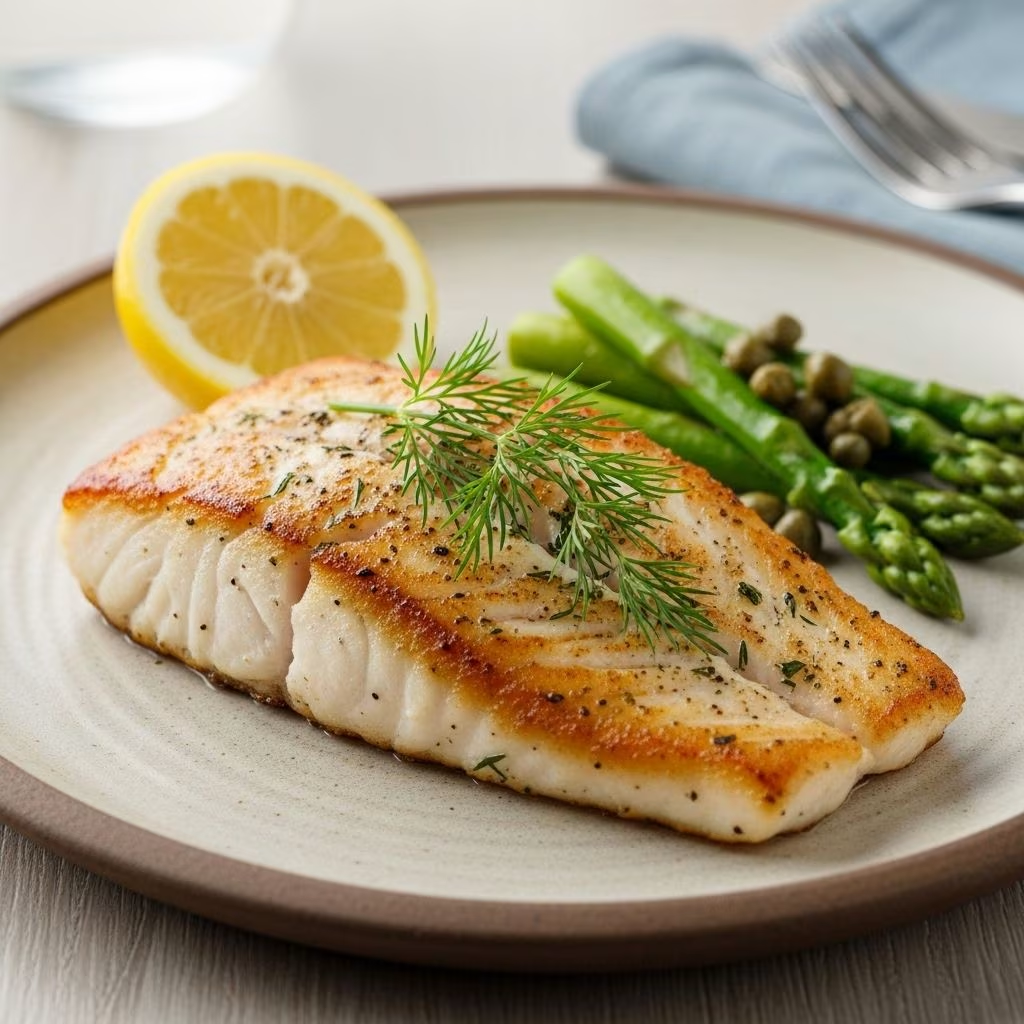
Haddock is a distinctive and versatile fish popular among seafood enthusiasts and culinary professionals alike. Belonging to the cod family, it stands out for its unique appearance, nutritional benefits, and delectable flavor. This article explores what makes haddock unique, including its biological characteristics, health benefits, culinary applications, sustainability, and frequently asked questions.
Introduction to Haddock
Haddock (Melanogrammus aeglefinus) is a commercially and culturally important marine fish found predominantly in the North Atlantic Ocean. Renowned for its delicate, white flesh and subtle flavor, haddock features prominently in a range of global cuisines, most notably northern European and North American dishes.
As a close relative of the cod, haddock is foundational both to traditional seafood industries and to modern healthy eating. It offers not only culinary versatility but also noteworthy nutritional benefits, making it a popular choice among discerning consumers and health-conscious individuals alike.
Identification and Description
Physical Features
- Family: Gadidae (the true cods)
- Body Shape: Elongated and tapering with three dorsal fins and two anal fins
- Distinctive Markings: A black lateral line running down the entire body and a dark oval blotch above the pectoral fin—commonly called the “Devil’s thumbprint”
- Color: Purple-grey or dark blue-grey back, silvery sides, and white belly
- Size: Commonly 14–27 inches (38–69 cm) in length and 2–7 pounds (0.9–3.2 kg) in weight, though larger specimens up to 44 inches and nearly 40 pounds have been recorded
Other Distinguishing Traits
- Relatively small mouth compared to cod, not extending below the eye
- Chin barbel (small, fleshy projection) present but less prominent than in other cods
- Variations in color occasionally occur, with rare golden or barred individuals
Habitat and Ecology
Haddock are bottom-dwelling (demersal) fish found at depths of 50–450 meters (164–1,500 feet) along the northern Atlantic seafloor. They tend to favor cold, temperate waters and are adapted to survive in deeper regions than their close relatives, the Atlantic cod.
- Geographical Range: Widely distributed from Cape May, New Jersey, northwards to the Strait of Belle Isle in Canada, as well as eastern North Atlantic waters
- Habitat Preference: Primarily inhabit sandy or muddy bottoms, often frequenting deep offshore banks and continental shelf regions
- Diet: Carnivorous, feeding on benthic invertebrates such as crustaceans, worms, mollusks, echinoderms, and small fish
- Life Cycle: Spawning occurs from January to June offshore. Female haddock release floating eggs that hatch in 2–3 weeks before larvae descend to the seafloor
Nutritional Value and Health Benefits
Haddock is lauded not only for its taste but also for its excellent nutritional profile. It is a low-fat, high-protein seafood option that contributes important micronutrients to the diet.
Key Nutritional Components (per 100g cooked portion):
- Calories: ~90 kcal
- Protein: 20–22g
- Total Fat: 0.5–1g (mostly healthy polyunsaturated fats)
- Omega-3 Fatty Acids: Moderate amounts, beneficial for cardiovascular health
- Vitamins: B12, B6, niacin, and folate
- Minerals: Potassium, phosphorus, selenium, and magnesium
Health Benefits
- Heart Health: The omega-3 content in haddock helps support cardiovascular function and may reduce inflammation.
- Lean Protein Source: Provides a substantial amount of high-quality protein with minimal fat, supporting muscle maintenance and repair.
- Low in Mercury: Haddock contains lower levels of mercury than some larger predatory fish, making it safer for regular consumption.
- Essential Nutrients: Supplies key micronutrients vital for nerve function (vitamin B12), bone health (phosphorus), and immune support (selenium).
- Weight Management: Low calorie density makes haddock well-suited for diets focused on healthy weight management.
Culinary Uses of Haddock
Haddock’s firm but flaky texture and mild, slightly sweet flavor make it a favorite in professional kitchens and home cooking alike. It lends itself to a broad array of culinary applications worldwide.
Common Cooking Methods
- Baking: Retains the fish’s moisture and delicate flavor.
- Poaching: Preserves tenderness and allows for subtle infusions of herbs and aromatics.
- Broiling and Grilling: Brings out sweet, smoky notes in haddock’s flesh.
- Pan-frying: Ideal for fillets; produces a slightly crispy exterior.
- Smoking: Smoked haddock (“finnan haddie”) is especially prized for its robust, savory character.
- Steaming: Maintains nutritional value and moist texture.
Popular Dishes Featuring Haddock
- Classic Fish and Chips: Haddock is the preferred species in many traditional British and New England fish and chip shops.
- Chowders and Soups: Its mildness complements hearty broths and creamy chowders.
- Smoked Haddock: Finnan haddie and kedgeree are celebrated smoked haddock dishes in Scottish and British cuisine.
- Baked or Stuffed Fillets: Paired with breadcrumbs, herbs, and citrus.
- Curries and Stews: Holds up well in slow-cooked dishes, absorbing spices and sauces.
Taste Profile
Haddock’s flavor profile is a principal reason for its popularity among seafood fans:
- Flavor: Mild, slightly sweet, and never overpowering—more delicate than cod or pollock.
- Texture: Firm yet tender, with large, moist flakes that hold their shape after cooking.
- Versatility: Lends itself well to a range of seasonings, cooking methods, and culinary traditions.
- Aftertaste: Clean finish with a gentle oceanic quality, rarely “fishy.”
- Smoked Variety: Smoked haddock is robust, savory, and slightly salty, with a golden exterior and aromatic depth.
Sustainability and Fishing Practices
Modern seafood consumers are increasingly aware of environmental issues. Fortunately, haddock fisheries in many regions are considered well-managed and sustainable, especially in North America and parts of Europe.
- Stock Status: Most North Atlantic haddock stocks are healthy, with effective regulations promoting population stability.
- Fishing Methods: Typically caught by trawl, gillnet, or longline. New management approaches have reduced bycatch and habitat disruption.
- Environmental Certifications: Look for eco-labels like Marine Stewardship Council (MSC) to verify sustainable sourcing.
- Comparison with Other Fish: Lower trophic level, shorter lifespan, and rapid reproduction make haddock less susceptible to overfishing than larger predatory species.
Haddock vs. Other White Fish (Table)
| Feature | Haddock | Cod | Pollock | Halibut |
|---|---|---|---|---|
| Family | Gadidae | Gadidae | Gadidae | Pleuronectidae |
| Typical Size | 2–7 lbs | 6–25 lbs | 2–15 lbs | 20–400 lbs |
| Texture | Firm, tender flakes | Firm, large flakes | Softer, delicate | Very firm, meaty |
| Flavor | Mild, slightly sweet | Mild, neutral | Mild, slightly stronger than cod | Mild, buttery |
| Moisture | Moist | Moist | Moist | Moist |
| Best Uses | Frying, smoking, baking | Baking, poaching, frying | Surimi, breaded products | Grilling, steak cuts |
Frequently Asked Questions (FAQs)
Q: Is haddock safe for pregnant women and children?
A: Yes, haddock is generally considered safe because of its low mercury content, making it suitable for children and pregnant women when consumed in moderate quantities. Opt for wild-caught and reputable sources.
Q: How can you distinguish haddock from cod?
A: Haddock has a distinctive black lateral line and a dark oval blotch above its pectoral fin, while cod has a pale lateral line and lacks the blotch. Haddock’s mouth is smaller and the flesh is drier and slightly sweeter than cod.
Q: What is “finnan haddie”?
A: “Finnan haddie” is the name for traditionally smoked haddock, a Scottish specialty. It is lightly salted and smoked over green wood or peat, prized for its rich, savory flavor and golden hue.
Q: Is haddock suitable for grilling?
A: Yes, haddock fillets can be grilled, but they benefit from gentle handling and a grilling basket or foil since the flesh can be delicate and prone to flaking apart on high direct heat.
Q: Can haddock be eaten raw?
A: While technically possible, haddock is not commonly eaten raw as its flavor and texture are best highlighted by cooking. It is safer to enjoy it cooked because wild-caught fish may sometimes harbor parasites.
Conclusion
Haddock is both a culinary delight and a nutritious option for seafood lovers, offering a mild, sweet taste that adapts to many cooking styles. Its sustainable fisheries and valuable health profile make it a wise choice for home cooks and professionals alike. Whether filleted for fish and chips, smoked as “finnan haddie,” or baked for a family dinner, haddock delivers flavor, nourishment, and sustainable satisfaction from sea to table.
References
- https://dosits.org/galleries/audio-gallery/fishes/haddock/
- https://en.wikipedia.org/wiki/Haddock
- https://kids.britannica.com/students/article/haddock/274720
- https://www.mass.gov/info-details/learn-about-haddock
- https://cybrary.friendsofmerrymeetingbay.org/fgom/Melanogrammus_aeglefinus.htm
- https://a-z-animals.com/animals/haddock/
- https://www.fisheries.noaa.gov/species/haddock
- https://www.fishbase.se/summary/melanogrammus-aeglefinus.html


