


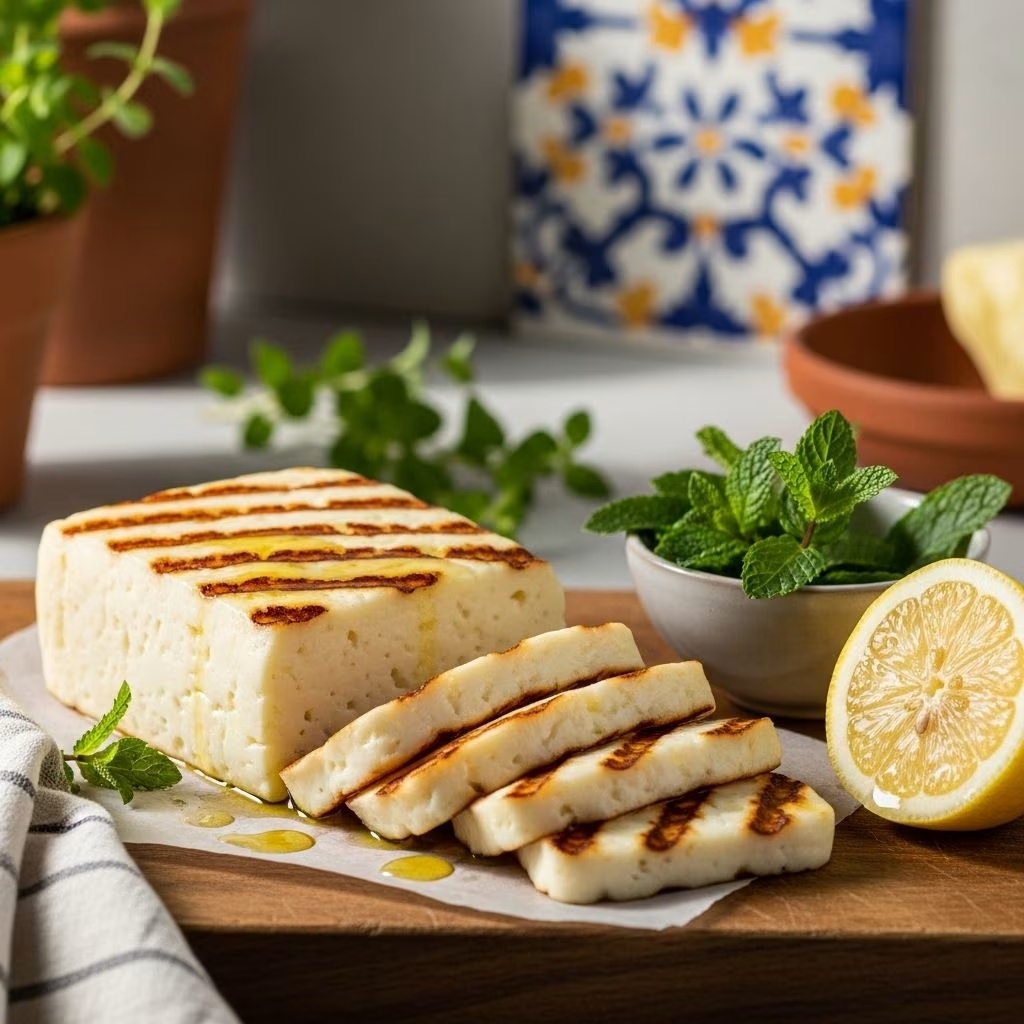
Halloumi is a unique semi-hard cheese renowned for its historical legacy, nutritional advantages, and versatile culinary applications. Originally rooted in Cyprus and the Middle East, it has become a specialty worldwide, valued for its high melting point, ‘squeaky’ texture, and savory flavor. This article provides an in-depth exploration of halloumi, including its heritage, benefits, preparation, uses, and distinctive taste profile.
What is Halloumi?
Halloumi, also known as haloumi, is a semi-hard, unripened brined cheese traditionally crafted from a blend of goat and sheep’s milk and more recently with cow’s milk. It is celebrated for its distinctive ‘squeaky’ texture and high melting point, allowing it to be grilled or fried without losing shape—a rare property among cheeses. Halloumi is a staple of Cypriot cuisine, and by legal designation, any cheese labeled as halloumi in the EU and US must be produced in Cyprus.
- Origin: Cyprus, with historic ties to the Middle East
- Made from: Traditionally sheep and goat’s milk; sometimes cow’s milk
- Description: Firm, white cheese with a layered, slightly elastic structure
- Key property: High melting point, ideal for grilling or frying
History and Origin of Halloumi
Halloumi’s story spans thousands of years, weaving through ancient Middle Eastern and Cypriot traditions. The earliest records of similar cheese-making date to around 4,000 BCE within Bedouin societies of the grasslands of the Sahara and Middle East, where preservation was essential for nomadic lifestyles. Milk was curdled using ruminant stomachs, pressed, salted, and stored in brine.
Some key historical milestones:
- Earliest origins: Bedouin cheese, using primitive animal-based rennet in animal stomachs
- Spread to Cyprus: Imported before the 16th century, first documented in the Venetian era
- Cypriot tradition: Became a vital part of rural and village life, with family-based cheese dairies and local recipes
- Name origins: The term ‘halloumi’ traces through Arabic, Greek, and Coptic languages, each denoting cheese. Egyptian manuscripts reference similar cheese forms in 2nd-century Roman Egypt
In Cyprus, halloumi evolved into a communal food, reflecting both practical need and social solidarity. Village cooperatives were common, and techniques passed through generations, making halloumi an integral part of the island’s identity and culture.
Production Methods and Ingredients
Halloumi cheese is characterized by specific production processes designed to achieve its flavor and physical properties. Modern production may follow traditional techniques or use standardized, automated methods in larger cheese dairies.
Typical Ingredients
- Raw Milk: Usually a mixture of goat’s and sheep’s milk; increasingly cow’s milk or, less commonly, buffalo or camel’s milk
- Rennet: Used to curdle the milk; traditionally animal, now often microbial or vegetarian in commercial production
- Salt: Essential for flavor and preservation
- Brine: Halloumi is stored in salty brine solution, giving its strong, savory taste
- Mint: Sometimes added for aroma and traditional flavor, particularly in Cyprus
Production Steps
- Milk is heated and set with rennet, separating curds from whey
- Curds are pressed to remove excess whey, then cut and reheated to achieve the elastic texture
- The cheese is salted, sometimes sprinkled with mint, then folded or layered
- Finally, halloumi is placed in brine for preservation
Because of its salty brine, halloumi has a long shelf life, making it ideal for hot climates and travel, as originally developed among Bedouin communities.
Nutritional Value & Health Benefits
Halloumi offers valuable nutritional properties, including high protein content, important micro-nutrients, and a balance of fat that delivers satiety and energy.
| Component | Amount (per 100g) | Benefit |
|---|---|---|
| Calories | ~313 kcal | Energy for daily activity |
| Protein | 20-22 g | Muscle growth and cell repair |
| Total Fat | ~24 g | Satiety; supports hormone production |
| Saturated Fat | ~14 g | Energy, but should be consumed in moderation |
| Sodium | ~850 mg | Electrolyte balance; may require moderation for those with hypertension |
| Calcium | ~700 mg | Bone health |
Key Health Benefits
- High-Quality Protein: Supports muscle, bone, and tissue health
- Rich in Calcium: Provides an important mineral for bone and dental strength
- Long Shelf Life: High salt and brine enhance preservation and reduce risk of spoilage
- Vegetarian-Friendly: Contains no acid-producing bacteria; uses vegetarian rennet in most commercial varieties
- Gluten-Free: Safe option for individuals with gluten intolerance
Note: Halloumi’s high sodium and saturated fat mean it should be consumed mindfully, especially for individuals managing blood pressure, cardiovascular health, or sodium intake.
Culinary Uses of Halloumi
Halloumi’s robust texture and high melting point make it one of the most versatile cheeses for both Mediterranean and global cuisines. Unlike most cheeses, it retains structural integrity when cooked, which makes it an ideal protein alternative, especially for vegetarians.
Popular Cooking Methods
- Grilled: Classic preparation; slices turn golden-brown and develop a crispy exterior while remaining soft inside
- Pan-Fried: Achieves a crunchy crust and chewy, warm center
- Barbecued: Threaded onto skewers or used in mixed grills
- Baked: Used in pies, pastries, or casseroles
Halloumi in Dishes
- Salads: Slices or cubes in green or grain salads, often paired with watermelon, mint, citrus, or roasted vegetables
- Wraps & Sandwiches: Used as a protein filling, sometimes with grilled vegetables or herbs
- Breakfast: Pan-fried or grilled, served with eggs, tomatoes, and olives
- Meat Substitute: Grilled halloumi provides a savory, filling, satisfying alternative for vegetarians
- Pasta & Rice: Chopped and mixed into warm dishes for added chew and robust flavor
Pairings
- Mint: A classic Cypriot pairing, brightens the cheese’s savory profile
- Fruit: Pairs beautifully with melon, figs, citrus, and pomegranate
- Roasted Vegetables: Complements peppers, aubergines, zucchini, and onions
- Olives and olive oil: Enhances Mediterranean flavors
Taste and Texture
Halloumi’s taste profile is distinctly savory, with a mild natural saltiness and an occasional herbal note if mint is included. The cheese is not aged, so it has a clean, fresh dairy flavor, occasionally tangy depending on the milk used.
Texture is a hallmark: When eaten fresh, halloumi feels ‘squeaky’ between teeth due to its layered structure. Grilling or frying transforms the outer surface crisp while the inside stays chewy, making it unique among cheeses.
- Flavor: Salty, savory, mild, and sometimes tangy
- Texture: Squeaky, elastic when raw; golden, crunchy when grilled or fried
- Aftertaste: Clean dairy finish
Halloumi vs. Other Cheeses
| Cheese | Texture | Melting Point | Typical Use |
|---|---|---|---|
| Halloumi | Squeaky, firm, elastic | High (can grill/fry) | Grilled, fried, salads, meat substitute |
| Feta | Crumbly, soft | Low (melts in oven) | Crumbled in salads, baked in pies |
| Paneer | Firm, chewy | High (holds shape) | Curries, grilled in Indian cuisine |
| Queso Fresco | Crumby, soft | Low | Crumbled over Mexican dishes |
Buying, Storing, and Serving Halloumi
Halloumi is widely available in supermarkets, cheese shops, and specialty stores worldwide. Quality and flavor may vary depending on milk blend and where it’s produced.
Tips for Purchasing
- Seek authentic halloumi with a blend of sheep and goat milk (where possible and indicated)
- Check for Cypriot designation or PDO (Protected Designation of Origin) labeling
- Avoid products with unnecessary additives or excessive preservatives
Storing Halloumi
- Keep unopened halloumi refrigerated in its brine packaging for several months
- Once opened, keep submerged in lightly salted water or wrap tightly and consume within a week or two
- Halloumi may be frozen, but texture change can occur after thawing
Serving Suggestions
- Slice and grill or pan-fry for best texture and flavor
- Pair with fresh herbs, fruit, and vegetable dishes
- Serve as a starter, snack, side dish, or main vegetarian protein
Frequently Asked Questions (FAQs)
Q: Is halloumi cheese vegetarian?
A: Most commercial halloumi uses vegetarian or microbial rennet, making it suitable for vegetarians. Always check ingredients as some artisan products may use animal rennet.
Q: What gives halloumi its unique ‘squeaky’ texture?
A: The cheese is formed and reheated, causing the proteins to realign and develop a distinctive elastic, layered structure. This process results in the famous ‘squeak’ when chewed.
Q: Can I eat halloumi raw?
A: Yes, halloumi can be eaten raw. However, grilling or frying enhances its flavor and texture, creating a crisp, golden exterior and chewy, warm center.
Q: Is halloumi healthy?
A: Halloumi is rich in calcium and protein but high in sodium and saturated fat. Consumed in moderation, it contributes to bone and muscle health but is not recommended in excess for those with heart or blood pressure concerns.
Q: How do you keep halloumi from becoming rubbery?
A: Avoid overcooking. Halloumi should be grilled or fried quickly at high heat just until golden, preventing it from drying out and becoming overly tough.
Conclusion
Halloumi cheese is a true culinary treasure: ancient in origin, rich in culture, and beloved across modern kitchens for its versatility, nutrition, and unforgettable texture. Whether enjoyed grilled, tossed into a salad, or served with fruit and vegetables, halloumi provides a satisfying, protein-rich option for vegetarians and food lovers alike.
References
- https://www.yorkshiredamacheese.co.uk/blogs/news/the-history-of-halloumi-cheese
- https://en.wikipedia.org/wiki/Halloumi
- https://www.halloumicheese.eu/halloumi-cheese/the-history-of-halloumi
- https://www.fondazioneslowfood.com/en/ark-of-taste-slow-food/halloumi-2/
- https://halloumi.cy/history-of-halloumi
- https://www.murrayscheese.com/wom/journal/behind-the-rind/all-about-halloumi-the-unique-cheese-that-grills-perfectly-every-time
- http://wiki.jacobsprings.com/RAWiki/index.php?title=Halloumi
- https://24cheeses.wordpress.com/2016/12/21/halloumi/
- https://en.charalambideschristis.com.cy/news/articles/the-rich-tradition-of-authentic-halloumi-in-cyprus-halloumi-cheese


