


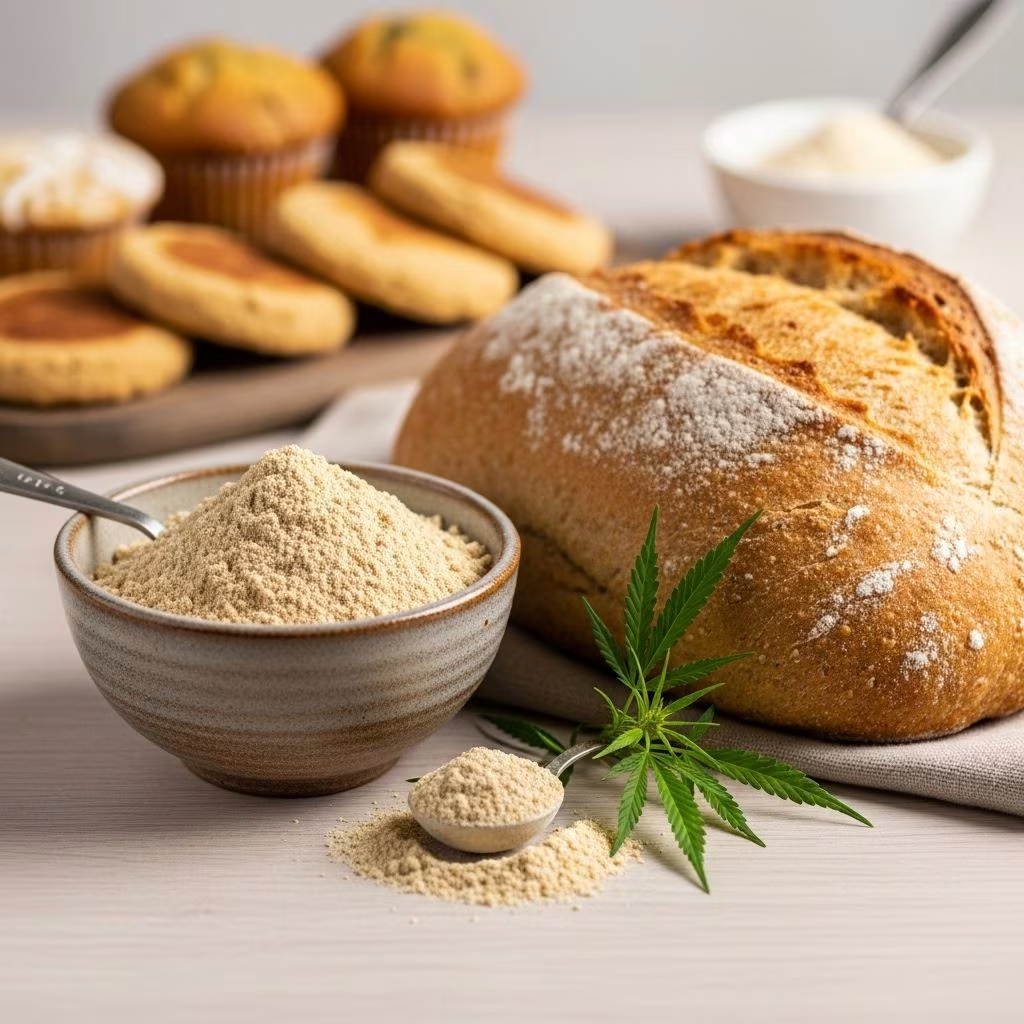
Hemp Flour: Baking Uses, Substitutes & Nutrition
Hemp flour has emerged as one of the most versatile and nutritious alternatives for modern baking. Derived from the seeds of the hemp plant (Cannabis sativa), it is celebrated for its rich protein content, healthy fats, and fiber, making it a valuable additive for both everyday home bakers and health-conscious professionals. This comprehensive guide explores hemp flour’s baking applications, suitable substitutes, and its robust nutritional profile.
What is Hemp Flour?
Hemp flour is made by grinding whole hemp seeds, sometimes after oil extraction, resulting in a fine, nutrient-dense powder. Unlike hemp protein powder—which is more refined and concentrated in protein—hemp flour includes most of the original seed’s fiber and mineral content. It has a slightly earthy, nutty flavor and is naturally gluten-free, making it suitable for various dietary requirements.
- Color: Typically dark greenish-brown, due to the hemp seed hulls and natural pigments.
- Texture: Coarse compared to wheat flour, but blends well with other flours.
- Flavor: Mildly nutty and earthy, enhancing savory and rustic baked goods.
Nutritional Benefits of Hemp Flour
Hemp flour is renowned for its dense nutritional profile, making it a well-rounded base ingredient for health-focused baking.
- High in Protein: Approximately 30% protein per serving, offering a complete amino acid profile.
- Rich in Dietary Fiber: Contains insoluble and soluble fiber, aiding digestion and satiety.
- Healthy Fats: Abundant in omega-3 and omega-6 fatty acids, promoting heart and brain health.
- Minerals: Excellent source of magnesium, iron, zinc, phosphorus, and potassium.
- No Gluten: Naturally gluten-free, suitable for celiac and gluten-intolerant diets.
- Low Carbohydrate: Especially useful for keto, paleo, and low-carb dietary patterns—hemp flour is lower in carbs than many other grain-free alternatives.
Sample Nutritional Values per 100g Hemp Flour
- Calories: 350-400 kcal
- Protein: 30g
- Total Fat: 10g, predominantly unsaturated
- Carbohydrate: 30-35g (mostly fiber)
- Fiber: 18-20g
- Calcium: 90mg
- Iron: 6mg
- Magnesium: 500mg
*Values may vary by brand and region. Always check packaging for specifics.
Baking Uses of Hemp Flour
Hemp flour’s unique composition lends itself well to a range of baked goods, especially when seeking to boost protein and fiber content while retaining flavor and texture.
- Breads: Adds protein and density to gluten-free and paleo breads, including sourdough loaves and seed-based recipes.
- Cakes & Muffins: Enhances moisture while contributing to a hearty crumb, ideal for robust muffins and coffee cakes.
- Cookies: Combines well with nuts, chocolate, or dried fruit, offering structure and nutrition.
- Crackers & Flatbreads: Perfect for savory crackers or wraps due to its earthy flavor and stable texture.
- Mix-Ins: Can be sprinkled over batter or dough, used as a filler in meatballs or savory items.
- Binding Agent: The fiber acts as a binding ingredient in egg-free or vegan recipes.
Recommended Usage: Hemp flour can replace 25–50% of regular flour in baking recipes. Larger proportions may result in denser, heavy textures, so combining with lighter flours is advised for more delicate products.
Baking with Hemp Flour: Technique & Adjustments
- Combine with Other Flours: Blend with almond, oat, rice, or spelt flour for improved crumb and lighter texture.
- Flavor Balance: Pair with spices (cinnamon, nutmeg) and sweeteners to mellow out the earthy notes.
- Moisture Management: Hemp flour absorbs significant moisture, so you may need extra liquid in recipes.
- Leavening: Requires more leavening (baking powder/soda or yeast) due to the absence of gluten.
Best Substitutes for Hemp Flour
If hemp flour is unavailable or unsuitable, several alternatives can be used in recipes. Each culinary substitute brings different properties:
- Almond Meal/Flour: Nutty, gluten-free, high protein and fat. Good for moist, tender baked goods.
- Coconut Flour: High fiber, slightly sweet, but absorbs more liquid—adjust recipes accordingly.
- Ground Flaxseed (Linseed Meal): Excellent for structure and binding, offers additional omega-3s.
- Chickpea Flour: Dense, savory, high protein, with a strong flavor—best in crackers or savory bread.
- Buckwheat Flour: Earthy, gluten-free, good in pancakes and hearty breads.
When substituting, use similar proportions and combine multiple flours for optimal nutrition and structure.
Hemp Flour in Special Diets
- Gluten-Free Diets: Ideal alternative to wheat flour for celiac or gluten sensitivity.
- Paleo and Keto Diets: Low carb, high fat/protein content fits perfectly in grain-free and carb-controlled diets.
- Vegetarian & Vegan Cooking: Supplies plant-based protein and fiber for egg-free, dairy-free, or meat-free recipes.
- High-Protein Diets: Valuable for sports nutrition, weight management, and muscle recovery.
Practical Baking Tips with Hemp Flour
- Proportion Control: Start with 25% replacement, increasing gradually as you become familiar with the texture.
- Extra Moisture: Add more eggs, oil, or milk (plant-based or dairy) to balance hemp flour’s absorbency.
- Flavor Pairings: Hemp flour’s earthy flavor is enhanced with natural sweeteners (maple syrup, coconut sugar) and fruits.
- Visual Adjustments: Expect a darker color—inform diners if they’re unfamiliar with hemp products.
Popular Recipes Using Hemp Flour
Below are some tried-and-tested recipes using hemp flour. These showcase how it can enhance both the taste and nutrition of baked goods.
1. High-Protein Hemp Loaf
- Combination of spelt or almond flour, hemp protein powder, baking soda, cinnamon, nutmeg, and hemp seeds.
- Mix wet ingredients (eggs or flax eggs, applesauce, maple syrup, oil, almond milk) and fold into the dry mixture.
- Add seasonal fruits or nuts; sprinkle hemp hearts on top for crunch and nutrition.
- Bake at 175°C (350°F) for 50-60 minutes.
2. Hemp Flour Paleo Bread
- Combine hemp seed flour, linseed meal, almond meal, baking soda, salt.
- Mix with eggs, apple cider vinegar, and olive oil.
- Bake for 35-40 minutes for a dense, nutritious loaf—great for spreads or on-the-go lunches.
3. Gluten-Free Hemp Sourdough
- Blend hemp flour with gluten-free mixes, psyllium husk, honey, extra virgin olive oil, walnuts.
- Follow standard sourdough fermentation for increased digestibility.
- Bake for a hearty, fiber-rich bread ideal for lectin-free diets.
4. Hemp Protein Cookies
- Use hemp protein powder, almond flour, coconut sugar, chocolate chips.
- Eggs and palm shortening create a moist, chewy texture.
- Low carb and gluten-free, perfect for guilt-free snacking.
Hemp Flour vs Other Flours: A Comparative Table
| Flour Type | Protein (%) | Fat (%) | Carbs (%) | Fiber (g/100g) | Gluten-Free |
|---|---|---|---|---|---|
| Hemp | 30 | 10 | 30–35 | 18–20 | Yes |
| Wheat | 10–13 | 1–2 | 70–75 | 2–3 | No |
| Almond | 20–25 | 50–55 | 6–10 | 10–12 | Yes |
| Coconut | 18–20 | 8–12 | 16–18 | 38–40 | Yes |
| Buckwheat | 13–15 | 3–4 | 71–75 | 10–12 | Yes |
Comparison values approximate; consult packaging for brand variations.
Frequently Asked Questions (FAQs)
Q: Can hemp flour be used as a 1:1 substitute for wheat flour?
No; hemp flour lacks gluten and has a dense texture. For best results, substitute up to 25% to 50% hemp flour and mix with lighter flours for baked goods that require structure and rise.
Q: Is hemp flour safe for people with nut allergies?
Yes; hemp seeds are not classified as tree nuts. However, always check for cross-contamination if processed in facilities handling nuts.
Q: How should hemp flour be stored?
Store hemp flour in a cool, dry place (preferably refrigerated) in tightly closed containers, as its healthy fats are sensitive to heat and light.
Q: Will hemp flour make baked goods taste ‘earthy’ or bitter?
Hemp flour has a mildly earthy taste, but it is generally pleasant when paired with spices, sweeteners, and other flours.
Q: Can hemp flour be used in vegan baking?
Absolutely. Hemp flour is plant-based and acts as a binding agent, making it an excellent addition to vegan recipes for texture and nutrition.
Conclusion
Hemp flour is a powerhouse ingredient with transformative benefits for modern baking. From gluten-free breads and high-protein snacks to versatile savory dishes, it fits nearly every dietary preference and health goal. By understanding optimal usage, combining with complementary flours, and making smart substitutions, bakers can unlock new flavors and nutrition profiles. Whether you are a professional chef, home cook, or health enthusiast, hemp flour deserves a place in your pantry for nutritious, delicious creations.
References
- https://www.youtube.com/watch?v=u8yeOUaDfmc
- https://www.cookedandloved.com/recipes/low-carb-paleo-bread-with-hemp-seed-flour/
- https://creativeinmykitchen.com/hemp-sourdough-bread-with-walnuts-gluten-free/
- https://bakeitpaleo.com/hemp-protein-cookies/
- https://www.newprotein.net/news/benefits-of-hemp-flour-in-baked-goods
- https://www.blueskyhempventures.com/blue-sky-thinking/how-to-use-hemp-flour/
- https://hodmedods.co.uk/blogs/recipes/tagged/hemp-flour
- https://www.hempacresusa.com/blogs/blog/baking-with-hemp


