


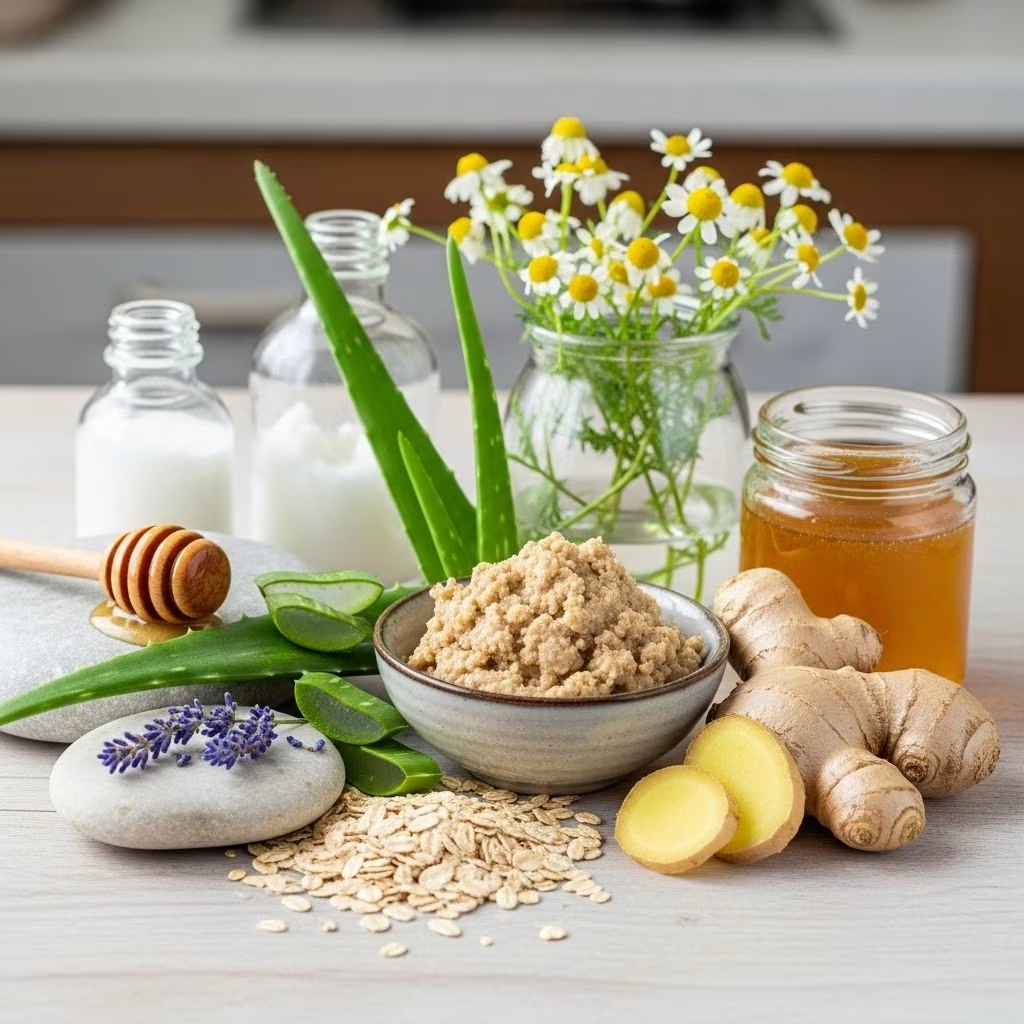
Tinctures for Sleep: Natural Remedies for a Restful Night
Struggling with sleepless nights or waking up unrested? Many are turning to herbal sleep tinctures—concentrated liquid extracts of calming botanicals—to naturally improve sleep quality and combat insomnia. This guide explores the science, benefits, key ingredients, safety, and best practices for using tinctures as part of your holistic sleep wellness routine.
Understanding Herbal Sleep Tinctures
Sleep tinctures are liquid extracts made by soaking sleep-promoting herbs in alcohol or glycerin. They concentrate the active, therapeutic compounds from plants into an easily absorbed form. These blends have been used for centuries in traditional herbal medicine to address insomnia, anxiety, and restlessness.
- Easy to use—taken sublingually (under the tongue) or added to drinks.
- Offer flexible dosing and rapid absorption.
- Commonly used herbs include valerian, chamomile, passionflower, lemon balm, hops, ashwagandha, and more.
Why Is Sleep So Important?
Quality sleep is vital for physical and mental health, supporting immune function, emotional balance, cognitive performance, and overall vitality. Chronic sleep issues can lead to increased stress, impaired memory, weakened immunity, and a higher risk of chronic diseases.
- Adults typically require 7–9 hours of adequate, uninterrupted sleep per night.
- Common factors impacting sleep include stress, anxiety, poor sleep hygiene, caffeine, and certain medical conditions.
How Sleep Tinctures Work
Most sleep tinctures target the nervous system, helping to relax both body and mind. They may regulate neurotransmitters like GABA, which promote relaxation and reduce neural excitability. Different herbs offer unique mechanisms and complementary calming effects.
Common Benefits of Sleep Tinctures
- Relaxation and Calmness: Ingredients like chamomile and lavender ease muscle tension and quiet mental chatter.
- Reduced Anxiety and Stress: Herbs such as ashwagandha and lemon balm help soothe nerves and alleviate anxiety, common drivers of sleep disturbances.
- Improved Sleep Quality: By increasing deep sleep phases and decreasing nighttime awakenings, tinctures support more restorative, rejuvenating rest.
- Natural, Non-Habit Forming: Most herbal tinctures are non-addictive and safe for longer-term use when used appropriately.
Key Ingredients in Herbal Sleep Tinctures
Sleep tinctures can feature single-herb or multi-herb formulas. Understanding the unique contributions of the most popular ingredients will help you select the best blend for your needs.
| Herb | Main Benefits | Typical Use/Dosage |
|---|---|---|
| Valerian Root | Promotes deep relaxation, helps manage anxiety, supports longer-term improvement in sleep quality. | 400–900 mg extract 2 hrs before bed or 1–1.5 tsp tincture before bed. |
| Chamomile | Gentle sedative, soothes nerves, addresses ‘nervous stomach’, improves sleep quality. | 2–4 g tea daily, or up to 60 drops tincture daily. |
| Passionflower | Calms mental tension, supports sleep onset, relieves persistent anxiety. | Common in multi-herb blends; often paired with valerian or chamomile. |
| Lemon Balm | Eases stress, enhances mood, mild sedative for anxiety and insomnia. | 300–600 mg extract or up to 60 drops tincture daily. |
| Ashwagandha | Adaptogen that balances stress hormones, improves emotional resilience, reduces anxiety. | Used in blends, typical dose varies by product. |
| Kava | Lulls brain activity and induces deeper sleep, muscle relaxant. | Found in combination tinctures; use with care as high doses can affect liver health. |
| Other | Hops, California poppy, CBD, and more offer additional calming or sedative effects. | Added for synergistic effects in specialized sleep blends. |
How Each Main Ingredient Works
- Valerian Root increases GABA levels in the brain, promoting sedation and reducing the time it takes to fall asleep.
- Ashwagandha lowers cortisol, helping the body adapt to stress and return to restful sleep cycles.
- Chamomile provides gentle, non-addictive calming, making it safe for most ages and daily use.
- Passionflower targets mental ‘overactivity’ and rumination, making it ideal for “busy mind” insomnia.
- Lemon Balm acts as a mild mood enhancer and anxiety reducer, often amplifying effects of other herbs.
- Kava and Hops are best for deep relaxation, though kava should be used with periodic breaks due to possible liver considerations.
Benefits of Using Sleep Tinctures
- Fast-Acting Relief: When taken sublingually, tinctures quickly enter the bloodstream, making them effective for sudden sleeplessness or bedtime anxiety.
- Non-Addictive Formula: Unlike many prescription sleep medications, herbal tinctures rarely cause dependency or morning grogginess when used as directed.
- Customizable Dosing: Adjust the amount up or down for personalized effects, based on your needs and product potency.
- Versatile Use: Ideal for unwinding before bed, as-needed for stressful days, or even as gentle, daytime calming support.
How to Use Sleep Tinctures Effectively
To maximize the benefits of tinctures and avoid unwanted effects, follow these evidence-based usage tips:
- Start Low, Go Slow: Begin with the lowest recommended dose—typically 1–2 mL or up to 60 drops—about 30 minutes before bedtime, gradually adjusting based on results and sensitivity.
- Sublingual Administration: Place drops under the tongue for 30–60 seconds before swallowing. This promotes rapid absorption.
- Consistency: Use nightly or as needed, some herbs (like valerian) may work better with continued, regular use.
- Combine with Healthy Sleep Hygiene:
- Keep a regular sleep schedule.
- Avoid screens before bed.
- Maintain a dark, cool, and quiet sleep environment.
- Limit caffeine and alcohol intake, especially in the evening.
- Check Interactions: If you use prescription medications or have chronic health concerns, consult your doctor before starting tinctures to avoid possible interactions.
Safety, Side Effects, and Considerations
- Generally Safe: Most people tolerate herbal sleep tinctures well when used as directed.
- Mild Side Effects: Some may experience digestive upset, headache, or vivid dreams. Rarely, morning drowsiness may occur with potent blends or higher doses.
- Specific Cautions:
- Pregnant/breastfeeding women, children, or people on sedatives should avoid certain herbs (like valerian, kava) unless otherwise approved by a healthcare provider.
- Avoid combining tinctures with alcohol, other sedatives, or certain psychiatric medications.
- Potential Allergies: Individuals allergic to ragweed should use caution with chamomile.
- Liver Health: Use kava-based tinctures periodically; prolonged, high-dose use is not recommended due to liver health concerns.
- Quality Matters: Choose tinctures from reputable brands to ensure safety, potency, and purity.
Choosing the Right Sleep Tincture
- Identify Your Main Sleep Concern – Is it trouble falling asleep, anxiety, nighttime awakening, or simply restlessness?
- Check Key Ingredients – Pick blends featuring herbs best matched to your needs (see table above).
- Allergen/Sensitivity Awareness – Watch out for ingredients you are sensitive to.
- Reputable Brands – Buy from trusted suppliers that provide 3rd-party testing and clear labeling.
Frequently Asked Questions (FAQs)
Q: Are herbal sleep tinctures safe for children?
Some gentle blends (like those with chamomile) may be safe for children, but always consult a pediatrician before use. Strong sedative herbs (like valerian or kava) are typically not recommended for young children.
Q: Can I use tinctures with prescription sleep medications?
Exercise caution—many herbs can interact with sedatives or psychiatric drugs. Always check with your healthcare provider before combining tinctures with any prescription medication.
Q: How quickly do tinctures work?
Sublingual tinctures can take effect within 15–30 minutes for many users. Herbs like valerian may build effectiveness over 1–2 weeks of regular use.
Q: What should I do if I experience morning drowsiness?
Reduce your dose or switch to a blend with milder herbs. Persistent grogginess may indicate the need for dosage adjustment or a different formula consultation.
Q: Are sleep tinctures habit-forming?
Herbal sleep tinctures are non-addictive if used as directed. They support the body’s natural sleep mechanisms rather than forcing unconsciousness.
Conclusion: Embracing Restful Sleep through Natural Remedies
Herbal sleep tinctures offer a natural, effective path to improved sleep—helping to soothe stress, relieve anxiety, and restore restful nights. Choosing quality ingredients, starting with appropriate dosing, and combining with good sleep hygiene are your pillars for safe, successful use. If insomnia persists, always seek guidance from a healthcare professional to address potential underlying issues.
References
- https://evolutionofhealing.com/blogs/news/the-sleep-benefits-of-tinctures-a-natural-solution
- https://sacredplantco.com/blogs/natures-pharmacy-exploring-the-historical-uses-and-health-benefits-of-medicinal-herbs/calming-tinctures-your-natural-solution-for-stress-relief-and-relaxation
- https://www.va.gov/WHOLEHEALTHLIBRARY/tools/botanical-medicines-healthy-sleep-rest.asp
- https://www.sleepfoundation.org/sleep-aids/valerian-root
- https://www.medicinenet.com/what_are_the_benefits_of_tinctures/article.htm
- https://www.naturopathica.com/products/passionflower-sleep-tincture
- https://heilbronherbs.com/products/sleep-tincture
- https://dragonhemp.com/blogs/learn/best-natural-sleep-aids
- https://remedysnutrition.com/products/deep-sleep-tincture


