


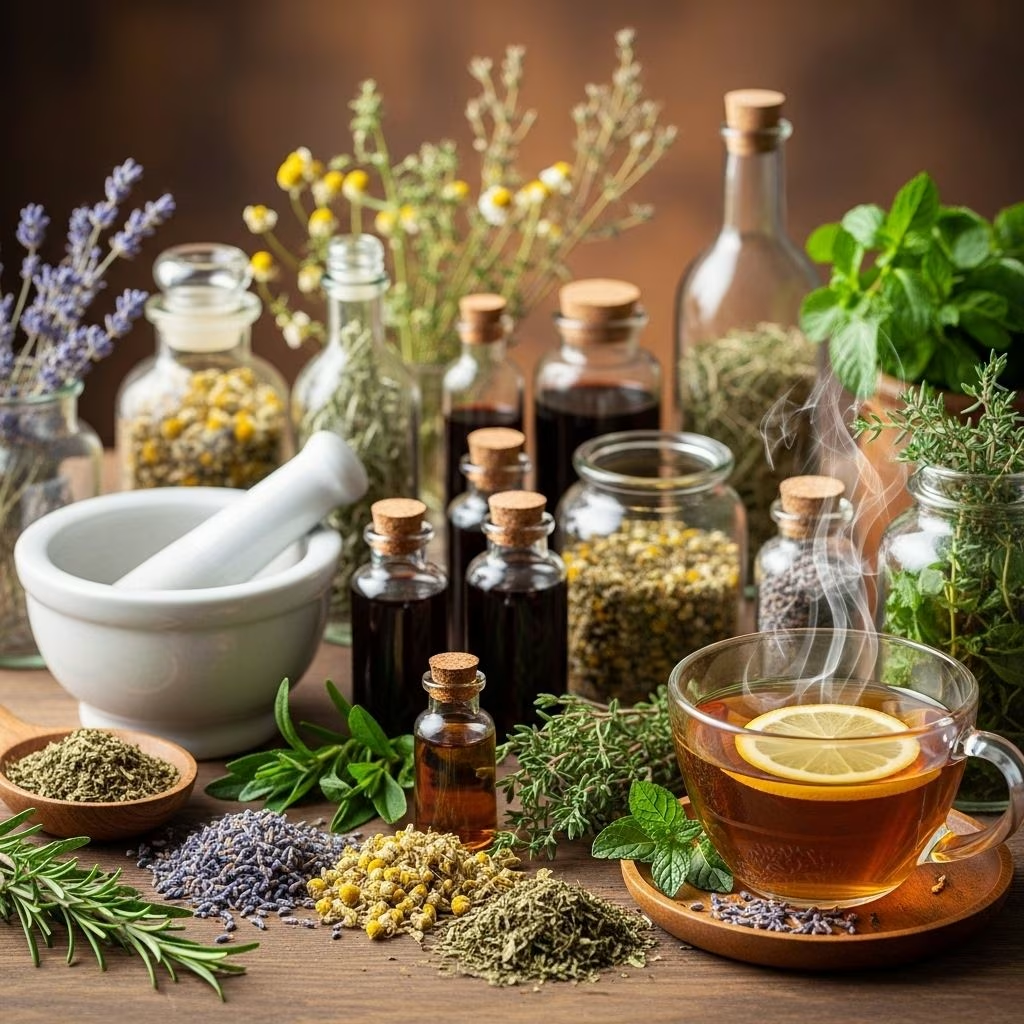
Introduction to Herbalism and Natural Remedy Making
Herbalism represents one of humanity’s oldest healing traditions, spanning thousands of years across virtually every culture on Earth. Today, as more people seek natural alternatives to conventional medicine, the art of creating homemade herbal remedies has experienced a remarkable renaissance. Making your own tinctures, tonics, and teas empowers you to take control of your health while reconnecting with nature’s pharmacy.
This comprehensive guide explores the fundamental principles of herbalism and teaches you how to safely prepare effective herbal medicines in your own kitchen. Whether you’re completely new to herbalism or looking to expand your knowledge, you’ll discover practical techniques for extracting the therapeutic compounds from medicinal plants and transforming them into powerful healing preparations.
The beauty of herbalism lies in its accessibility. With basic equipment, quality herbs, and proper knowledge, anyone can create professional-grade remedies. You’ll learn to identify which herbs work best for specific health concerns, understand proper dosing guidelines, and master extraction methods that maximize the medicinal potency of your preparations.
Understanding the Foundations of Herbal Medicine
Before diving into remedy preparation, it’s essential to understand the core principles that guide herbalism. Herbal medicine operates on the principle that plants contain complex chemical compounds that interact with our bodies in therapeutic ways. Unlike isolated pharmaceutical drugs, whole plant medicines contain multiple active constituents that work synergistically to promote healing.
Medicinal herbs can be categorized by their primary actions on the body. Some herbs are adaptogens that help the body manage stress, while others function as nervines that calm the nervous system. Digestive herbs support gastrointestinal health, immune herbs strengthen natural defenses, and anti-inflammatory herbs reduce tissue irritation throughout the body.
Key Herbal Actions and Properties
- Adaptogenic: Herbs like ashwagandha and rhodiola that help the body adapt to stress
- Nervine: Calming herbs such as chamomile and lemon balm that support nervous system health
- Carminative: Digestive herbs like peppermint and fennel that relieve gas and bloating
- Diuretic: Herbs including dandelion and nettle that promote healthy fluid elimination
- Anti-inflammatory: Plants such as turmeric and ginger that reduce inflammation
- Antimicrobial: Herbs like oregano and thyme that combat harmful microorganisms
Essential Equipment and Ingredients for Herbalism
Creating herbal preparations doesn’t require expensive equipment or hard-to-find ingredients. Most supplies can be sourced from your kitchen or purchased inexpensively from health food stores and online suppliers. Having the right tools ensures your remedies are both safe and effective.
Basic Equipment Needed
- Glass jars with tight-fitting lids in various sizes
- Fine-mesh strainer or cheesecloth for filtering preparations
- Measuring cups and spoons for accurate dosing
- Labels and markers for proper identification
- Amber or dark glass bottles for storing finished products
- Funnel for transferring liquids without spilling
- Mortar and pestle for grinding dried herbs
Sourcing Quality Herbs
The quality of your final product depends heavily on the quality of herbs you start with. Always source herbs from reputable suppliers who can verify their herbs are organic, sustainably harvested, and properly identified. Fresh herbs should be vibrant in color and free from mold or discoloration. Dried herbs should be aromatic, not dusty or faded.
You can purchase herbs from specialized herbal suppliers, health food stores, or even grow your own medicinal garden. When wildcrafting (harvesting from nature), ensure you can positively identify plants, harvest sustainably by taking only what you need, and avoid areas that may be contaminated with pesticides or pollutants.
Making Herbal Tinctures: Alcohol Extraction Method
Tinctures are concentrated liquid herbal extracts made by soaking herbs in alcohol. The alcohol acts as a solvent, extracting and preserving the medicinal compounds from the plant material. Tinctures are highly concentrated, have a long shelf life, and are rapidly absorbed by the body, making them one of the most popular forms of herbal medicine.
Step-by-Step Tincture Preparation
Step 1: Choose Your Herbs – Select high-quality dried or fresh herbs appropriate for your health goals. Fresh herbs contain more moisture and require a higher alcohol percentage for proper extraction.
Step 2: Prepare Plant Material – Chop or grind herbs to increase surface area and improve extraction. Fresh herbs should be wilted slightly to reduce moisture content.
Step 3: Select Your Alcohol – Use 80-proof vodka (40% alcohol) for most dried herbs, or 100-proof (50% alcohol) for fresh herbs. Brandy and rum also work well and add pleasant flavors.
Step 4: Combine Herbs and Alcohol – Place herbs in a clean glass jar and cover completely with alcohol. The ratio is typically 1 part dried herb to 5 parts alcohol by volume, or 1 part fresh herb to 2 parts alcohol.
Step 5: Maceration Period – Seal the jar tightly and store in a cool, dark place for 4-6 weeks. Shake the jar daily to ensure thorough extraction.
Step 6: Strain and Bottle – After the maceration period, strain the liquid through cheesecloth, squeezing out as much liquid as possible. Bottle in amber glass dropper bottles and label with herb name and date.
Tincture Dosage Guidelines
Standard tincture dosing ranges from 30-60 drops (approximately 1-2 dropperfuls) taken 2-3 times daily. Always start with lower doses and gradually increase as needed. Tinctures can be taken directly under the tongue for rapid absorption or diluted in water or juice.
Creating Nourishing Herbal Tonics
Herbal tonics are preparations designed for long-term use to strengthen and nourish specific body systems. Unlike remedies taken for acute conditions, tonics work gradually over time to build resilience and support optimal health. They’re typically made with nutritive and tonic herbs that can be safely consumed daily.
Tonics can be prepared as tinctures, vinegars, honeys, or decoctions depending on the herbs used and personal preference. Vinegar-based tonics extract minerals and nutrients particularly well and provide additional digestive benefits. Honey-based preparations, sometimes called oxymel when combined with vinegar, offer immune support while masking bitter flavors.
Popular Tonic Formulations
Immune Tonic: Combines elderberry, astragalus, and echinacea to support immune system function throughout cold and flu season.
Energy Tonic: Features adaptogenic herbs like rhodiola, eleuthero, and schisandra to combat fatigue and enhance stamina.
Digestive Tonic: Incorporates bitters such as dandelion root, gentian, and orange peel to stimulate digestive function and nutrient absorption.
Nerve Tonic: Contains calming herbs including milky oats, skullcap, and passionflower to nourish and support the nervous system.
The Art of Therapeutic Herbal Teas
Herbal teas represent the simplest and most accessible form of herbal medicine. Also called infusions when steeped longer for medicinal purposes, herbal teas allow you to enjoy the therapeutic benefits of herbs in a comforting, ritualistic way. Different preparation methods extract different compounds, so understanding proper tea-making techniques is essential.
Infusion Method for Leaves and Flowers
Delicate plant parts like leaves, flowers, and some seeds are best prepared as infusions. Use approximately 1-2 teaspoons of dried herbs per cup of water. Pour boiling water over the herbs, cover to prevent volatile oils from escaping, and steep for 10-15 minutes for a medicinal-strength infusion. Strain and enjoy hot or cold.
Decoction Method for Roots and Bark
Tougher plant materials such as roots, bark, and some seeds require more aggressive extraction through decoction. Place herbs in cold water using approximately 1 tablespoon of dried herb per cup of water. Bring to a boil, then reduce heat and simmer covered for 20-45 minutes. The liquid should reduce by about one-quarter. Strain and consume warm.
Blending Herbal Tea Formulas
Creating balanced herbal tea blends involves combining herbs for both therapeutic action and pleasant flavor. A basic formula includes a primary herb for the main therapeutic effect, supporting herbs that enhance the primary herb’s action, and flavoring herbs that improve taste.
| Blend Purpose | Primary Herbs | Supporting Herbs | Flavoring Herbs |
|---|---|---|---|
| Sleep Support | Chamomile, Passionflower | Valerian, Hops | Lavender, Lemon Balm |
| Digestive Aid | Peppermint, Ginger | Fennel, Chamomile | Licorice, Orange Peel |
| Immune Boost | Echinacea, Elderflower | Rose Hips, Astragalus | Hibiscus, Lemon Peel |
| Stress Relief | Holy Basil, Milky Oats | Ashwagandha, Skullcap | Spearmint, Rose Petals |
Safety Considerations and Contraindications
While herbs are natural, they’re not without risks. Responsible herbalism requires understanding potential contraindications, herb-drug interactions, and appropriate dosing. Some herbs can interact with medications, affect pregnancy, or cause adverse reactions in certain individuals.
Always research each herb thoroughly before use. Consult with qualified healthcare practitioners, especially if you’re pregnant, nursing, taking medications, or managing chronic health conditions. Start with small doses to assess tolerance, and discontinue use if adverse reactions occur.
General Safety Guidelines
- Positively identify all plants before use – misidentification can be dangerous
- Source herbs from reputable suppliers to ensure quality and purity
- Store preparations properly in dark glass containers away from heat and light
- Label all preparations clearly with contents and preparation date
- Research potential interactions with medications and health conditions
- Avoid using herbs during pregnancy unless confirmed safe by qualified practitioners
- Start with lower doses and observe effects before increasing
- Discontinue use if unexpected reactions occur
Storing and Preserving Herbal Preparations
Proper storage ensures your herbal preparations maintain potency and remain safe to use. Different preparation types have varying shelf lives and storage requirements. Understanding these factors helps you create remedies that remain effective throughout their usable life.
Tinctures stored in dark glass bottles away from heat and direct sunlight can last 3-5 years or longer. The alcohol acts as a natural preservative. Herbal teas and dried herb blends should be stored in airtight containers away from light, heat, and moisture. They typically maintain quality for 6-12 months, though potency gradually diminishes over time.
Herbal oils, salves, and other preparations containing oils can become rancid. Adding vitamin E oil acts as a natural antioxidant that extends shelf life. Refrigeration can further preserve oil-based preparations. Always check for signs of spoilage before using older preparations.
Building Your Herbal Medicine Cabinet
Creating a well-stocked herbal medicine cabinet allows you to address common health concerns naturally. Start with versatile herbs that treat multiple conditions and are safe for most people. As your knowledge grows, expand your collection to include more specialized herbs.
Essential Herbs for Beginners
- Chamomile: Calms nerves, aids sleep, soothes digestive upset
- Peppermint: Relieves digestive discomfort, headaches, and congestion
- Ginger: Combats nausea, reduces inflammation, supports circulation
- Echinacea: Boosts immune function, fights infections
- Elderberry: Powerful immune supporter, especially for respiratory issues
- Calendula: Heals wounds, reduces inflammation, supports skin health
- Nettle: Nutritive tonic, supports allergies, gentle diuretic
- Lavender: Calms anxiety, promotes sleep, relieves headaches
Frequently Asked Questions
Q: How long do herbal tinctures take to work?
A: Tinctures are absorbed rapidly when taken sublingually (under the tongue), with effects often noticeable within 15-30 minutes. However, for chronic conditions, herbs typically need to be taken consistently for 2-6 weeks before significant improvements are observed.
Q: Can I make tinctures without alcohol?
A: Yes, you can use vegetable glycerin as an alcohol-free alternative, though glycerin extracts fewer compounds than alcohol and creates a less potent product. Vinegar can also be used for certain herbs, particularly those rich in minerals and vitamins.
Q: What’s the difference between a tea and an infusion?
A: The terms are often used interchangeably, but technically, tea steeps for 3-5 minutes for beverage purposes, while a medicinal infusion steeps 10-15 minutes or longer to extract more therapeutic compounds from the herbs.
Q: How do I know if my herbs have gone bad?
A: Dried herbs that have lost their color, aroma, or have developed mold should be discarded. Tinctures that develop cloudiness, sediment, or off-odors may have degraded. Always check preparations for signs of spoilage before use.
Q: Are herbal remedies safe for children?
A: Many herbs are safe for children when used appropriately, but dosing must be adjusted based on age and weight. Gentle herbs like chamomile and catnip are commonly used for children, while stronger herbs should be avoided. Always consult with a qualified herbalist or pediatrician before giving herbs to children.
Q: Can I combine multiple tinctures together?
A: Yes, tinctures can be combined to create custom formulas addressing multiple symptoms or body systems. This is called a compound tincture and is a common practice in herbalism. Ensure the herbs chosen work synergistically and don’t contraindicate each other.
Conclusion: Embracing Your Herbal Journey
Learning to make your own tinctures, tonics, and teas opens the door to a deeply rewarding relationship with plant medicine. As you develop your skills, you’ll gain confidence in addressing common health concerns naturally while fostering a profound connection with the healing power of nature. Herbalism is both an art and a science, requiring patience, observation, and respect for the plants that have supported human health for millennia.
Start slowly, focusing on mastering a few basic preparations and herbs before expanding your repertoire. Keep detailed notes about what works for you and your family. Join herbal communities, take classes, and continue learning from experienced herbalists. Remember that herbalism is a lifelong journey of discovery, and every remedy you create deepens your understanding of natural healing.
Whether you’re seeking alternatives to over-the-counter medications, wanting to live more sustainably, or simply fascinated by plant medicine, making your own herbal preparations empowers you to take an active role in your health and wellness. With proper knowledge, quality ingredients, and attention to safety, you can create effective, personalized remedies that support your body’s innate healing abilities.


