


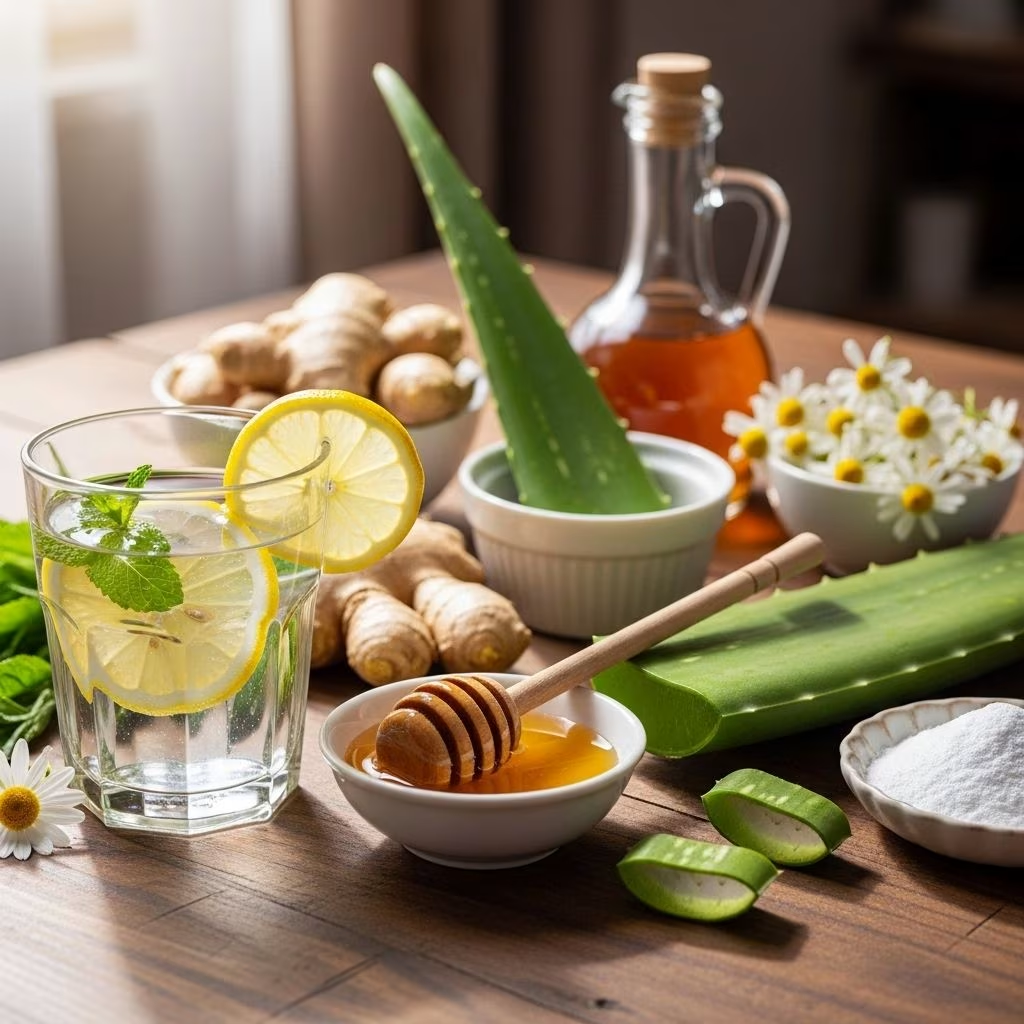
Home Remedies for Acid Reflux: The Ultimate Guide to Natural Relief
Acid reflux, commonly known as heartburn, is a widespread digestive complaint. The sensation of burning in the chest and throat is caused by stomach acid backing up into the esophagus, resulting in discomfort, pain, and sometimes a bitter or sour taste. While medications are available, many people look for safe, natural ways to relieve and prevent acid reflux symptoms. This comprehensive guide explores effective home remedies, including the Water Cures Protocol, lifestyle adjustments, and dietary approaches that are easy, safe, and accessible.
Understanding Acid Reflux and Its Causes
Acid reflux occurs when the lower esophageal sphincter (LES) fails to close properly after food passes into the stomach, allowing stomach acid to flow upward. Common causes include:
- Overeating or eating large meals
- Consuming trigger foods (spicy, fatty, acidic foods, caffeine, alcohol)
- Obesity and excess abdominal pressure
- Smoking
- Pregnancy
- Hiatal hernia
Symptoms of acid reflux include burning chest pain, regurgitation, trouble swallowing, and often a persistent sore throat. Chronic acid reflux is known as gastroesophageal reflux disease (GERD).
The Water Cures Protocol: An Ultimate Home Remedy
Created by a doctor, the Water Cures Protocol offers a simple, evidence-informed way to address acid reflux symptoms using salt and water. The protocol involves:
- Taking a pinch of unprocessed sea salt
- Dissolving it slowly in your mouth
- Drinking a full glass of water after the salt has dissolved
Repeat this process about 45 minutes before each meal to prevent acid reflux episodes.
How it works:
- The salt and minerals are absorbed through the mouth’s mucous membranes into the bloodstream.
- These minerals are distributed throughout the body, prioritizing areas with the greatest need.
- In the stomach, the minerals support the lining’s mucous production, helping protect it from digestive acids and food irritants.
- This added mucous layer helps reduce discomfort and prepares the stomach for upcoming food intake.
Some chronic illnesses may require more time to respond—such as multiple sclerosis (MS), where improvement may require several months following the protocol consistently. For most people, however, effects are usually felt quickly.
Step-by-Step Instructions
- Use only pure, unprocessed sea salt for its minerals.
- Place a small pinch of salt on your tongue and let it dissolve.
- Swallow the dissolved salt with at least an 8-ounce glass of water.
- Repeat before each meal and when symptoms arise.
Other Proven Home Remedies for Acid Reflux
Alongside the Water Cures Protocol, several natural remedies have demonstrated effectiveness or anecdotal benefit for controlling acid reflux symptoms:
- Apple Cider Vinegar: Diluting 1 teaspoon of raw apple cider vinegar in water may help lower stomach acidity for some individuals. Use caution, as some people experience worsened symptoms and scientific evidence is lacking for its efficacy.
Tip: Always dilute the vinegar and start with small amounts. - Baking Soda: Mixing a small amount (half a teaspoon) of baking soda with water can neutralize stomach acid quickly, working similarly to over-the-counter antacids.
Note: Avoid excessive use due to potential effects on blood pressure and health. - Chewing Gum: Sugar-free gum chewed for 30 minutes after meals stimulates saliva, which can help neutralize acidity in the esophagus. Avoid peppermint-flavored gums, which may worsen symptoms for some.
- Aloe Vera Juice: Aloe vera has soothing properties and may help reduce gastric irritation. Only use food-grade aloe vera products from trusted manufacturers, as research on efficacy is limited.
- Bananas: A mild, non-acidic fruit; bananas may help reduce gastrointestinal spasms and promote regular digestion. Bananas are generally well-tolerated and safe.
- Probiotics: While not directly targeting acid reflux, quality probiotics can support overall gut health and are worth trying from reputable sources.
- Ginger or Peppermint Tea: Ginger can reduce inflammation and soothe digestive irritation, while peppermint relaxes the digestive tract. However, peppermint may worsen reflux for some individuals.
Summary Table: Home Remedies for Acid Reflux
| Remedy | How to Use | Potential Benefits | Cautions |
|---|---|---|---|
| Water Cures Protocol | Pinch sea salt, dissolve, drink water 45m before meals | Supports stomach lining, may prevent reflux | Use pure sea salt; avoid if sodium-restricted diet |
| Apple Cider Vinegar | 1 tsp in water before meals | May lower acidity for some | Can worsen symptoms; must dilute |
| Baking Soda | 1/2 tsp in water as needed | Neutralizes acid quickly | Not for regular use |
| Chewing Gum | Chew sugar-free gum for 30 min after meals | Increases saliva, neutralizes acid | Avoid peppermint flavors if sensitive |
| Aloe Vera Juice | Drink food-grade aloe juice as directed | May soothe stomach lining | Use trusted, safe products |
| Bananas | Eat as part of diet | Gentle on digestion | No major risks |
| Ginger/Peppermint Tea | Drink tea after meals | Calms inflammation, soothes gut | Peppermint may worsen symptoms in some |
Dietary and Lifestyle Adjustments for Reflux Relief
Home remedies are most effective when combined with practical diet and lifestyle changes. Consider these expert-recommended adjustments:
- Eat smaller, more frequent meals rather than large ones
- Avoid eating within 2–3 hours of bedtime
- Elevate the head of your bed to prevent nighttime acid reflux
- Maintain a healthy weight to reduce abdominal pressure
- Quit smoking to improve digestive tract health
- Keep track of your food triggers and avoid items that worsen symptoms
- Limit caffeine, spicy foods, alcohol, citrus fruits, and tomato-based dishes
- Drink enough water, but avoid excessive liquid intake during meals
Natural Supplements and Herbal Options
Some alternative remedies and supplements have been explored for their potential benefit in acid reflux and GERD management. Examples include:
- Calcium carbonate: Works as a natural antacid for quick relief
- Deglycyrrhizinated licorice (DGL): May help soothe the esophageal lining
- Slippery elm and marshmallow root: Create a mucilaginous coating that can protect the digestive tract
- Chamomile tea: Known for its calming effects on digestion
- Multivitamin/mineral supplements: Support overall gastrointestinal health
Note: Herbal remedies may interact with medications and are not universally effective; always consult a healthcare provider before starting new supplements.
Risks, Scientific Evidence, and Safety Considerations
While many home remedies have anecdotal support and physiologic rationale, strong scientific studies are limited for most natural approaches to acid reflux[10]. Home remedies are generally safe when applied sensibly, but certain methods may have adverse effects or contraindications:
- Excessive use of sodium or baking soda can disrupt electrolyte balance
- Undiluted apple cider vinegar may damage tooth enamel and esophageal lining
- Peppermint may loosen the LES muscle and exacerbate reflux in sensitive individuals
- Essential oils (ginger, peppermint) should never be used internally without medical guidance
Frequently Asked Questions (FAQs)
Q: What is the fastest home remedy for acid reflux?
A: Baking soda in water or the Water Cures Protocol (salt and water) can quickly reduce symptoms for most people, though they are for occasional use only.
Q: How does the Water Cures Protocol work?
A: Dissolving unprocessed sea salt in your mouth provides minerals that help your body create a protective mucous layer in your stomach, increasing comfort and reducing reflux episodes.
Q: Are any foods especially helpful for acid reflux?
A: Bananas, oatmeal, and leafy greens are mild and soothing. Avoid acidic, spicy, or fried foods whenever possible.
Q: Can drinking more water help acid reflux?
A: Yes. Hydration helps dilute and wash away stomach acid. Drinking water as part of the Water Cures Protocol amplifies the effect.
Q: Is acid reflux dangerous?
A: Occasional acid reflux is not dangerous, but chronic reflux (GERD) can cause damage to the esophagus and lead to complications. If symptoms persist, seek medical advice.
Q: Should I stop my acid reflux prescriptions when trying home remedies?
A: No. Always speak with your healthcare provider before adjusting or discontinuing medication.
When to Seek Medical Attention
- If acid reflux occurs more than twice a week
- If there is pain with swallowing, unexplained weight loss, vomiting, or blood in stool/urine
- If home remedies do not control symptoms or they worsen
Persistent acid reflux can lead to esophageal damage and must be evaluated by a healthcare professional.
Conclusion: Safe and Effective Home Management
Acid reflux can often be managed at home with safe, simple remedies and lifestyle changes. The Water Cures Protocol offers a unique, doctor-created method using salt and water for rapid, natural relief. Other remedies—including food choices, baking soda, apple cider vinegar, and herbal supplements—may help, though results can vary. Always begin with caution, monitor your body’s response, and reach out to medical professionals when needed. With informed choices, acid reflux discomfort can often be reduced or prevented for lasting digestive well-being.
References
- https://www.watercures.org/home-remedies-for-acid-reflux.html
- https://www.watercures.org/acid-reflux-disease.html
- https://www.watercures.org
- https://thocc.org/about/news-press/news-detail?articleId=51962&publicid=395
- https://www.health.harvard.edu/newsletter_article/9-ways-to-relieve-acid-reflux-without-medication
- https://www.franciscanhealth.org/community/blog/home-remedies-for-heartburn
- https://hartfordhospital.org/about-hh/news-center/news-detail?articleId=52210
- https://my.clevelandclinic.org/health/symptoms/water-brash
- https://www.uclahealth.org/news/article/alkaline-water-can-help-with-heartburn
- https://www.ebsco.com/research-starters/complementary-and-alternative-medicine/natural-treatments-gastroesophageal-reflux


