


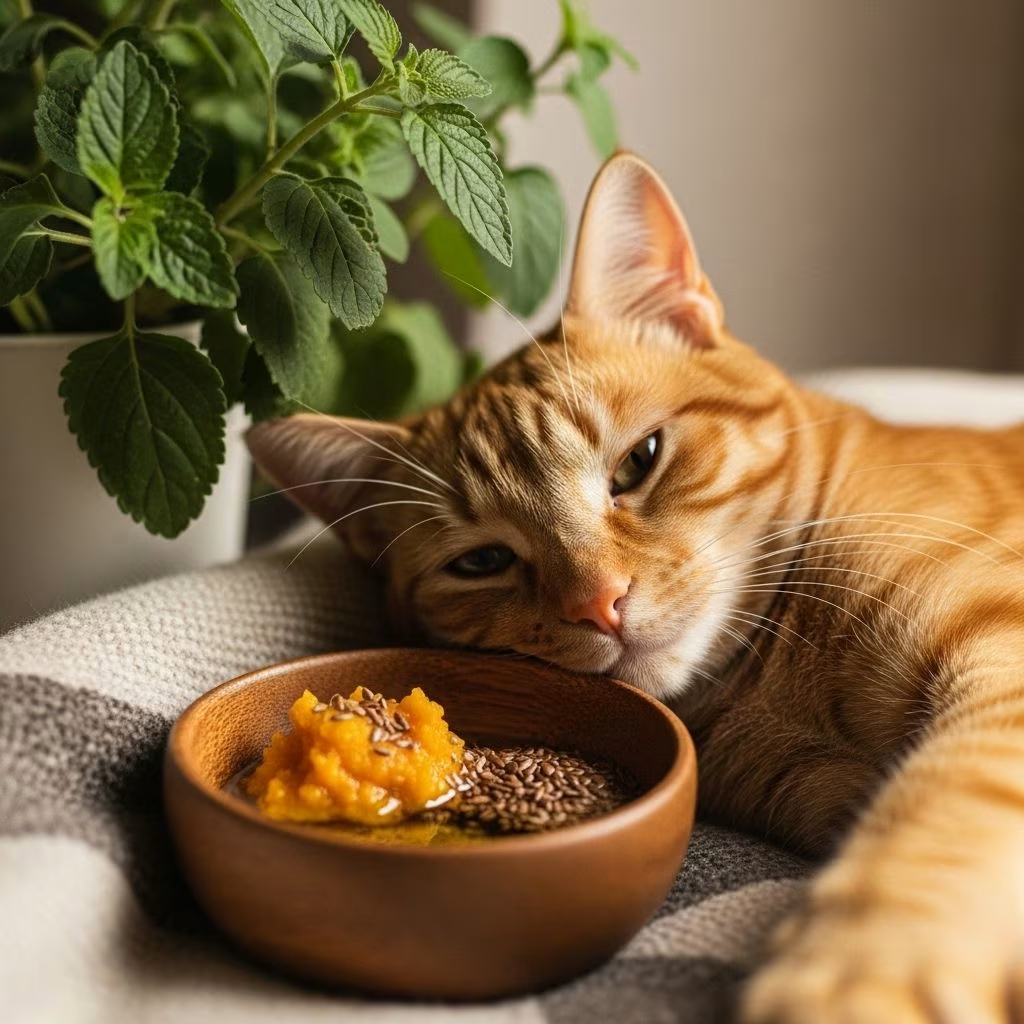
Constipation in cats is a common issue that can cause significant discomfort, lead to serious health problems, and become a cause of concern for many pet parents. Fortunately, understanding the symptoms, identifying the causes, and applying effective home remedies for cat constipation can help restore your feline friend’s digestive health and comfort. In this article, you’ll find a detailed guide covering everything from preventive techniques to practical treatments you can use at home, backed by research and veterinary experience.
Understanding Cat Constipation
Constipation in cats occurs when the normal movement of the bowels slows down or stops, leading to infrequent, difficult, or absent stool passage. This problem can range from mild and occasional discomfort to potentially life-threatening emergencies if left untreated over time.
Recognizing the Symptoms of Constipation in Cats
Cats are notoriously skilled at hiding discomfort, so early recognition of constipation is key. Watch for the following symptoms:
- Straining or spending longer than usual in the litter box
- Producing small, dry, hard stools
- No stool in the litter box for 48 hours or more
- Vocalizing (crying or meowing) in pain during defecation
- Lethargy, loss of appetite, or signs of discomfort
- Vomiting or decreased grooming activity
- Abdominal discomfort or swelling
Persistent symptoms or severe straining suggest the need for veterinary attention.
Common Causes of Constipation in Cats
There are several factors that may lead to constipation in felines:
- Dehydration: Insufficient water intake, often due to a dry food diet, is one of the leading causes.
- Diet: Low fiber, highly processed, or hairball-inducing diets can disrupt normal bowel movements.
- Lack of Exercise: Sedentary lifestyles slow the digestive tract’s motility.
- Obesity: Added weight can put pressure on organs and intestines, exacerbating the problem.
- Stress and anxiety: Environmental stressors may inhibit a cat’s desire to defecate.
- Medical issues: Such as megacolon, pelvic injuries, pain, or certain medications.
- Hair ingestion: Especially for long-haired cats or those with excessive grooming habits.
When Is Cat Constipation an Emergency?
While many cases of mild constipation can be safely managed at home, there are situations where immediate veterinary intervention is required:
- No bowel movements for more than 48 hours
- Vomiting, lethargy, and refusal to eat
- Painful, distressed, or repeated unsuccessful attempts to defecate
- Obvious abdominal swelling or severe discomfort
- Underlying chronic or severe diseases (megacolon, blockages, etc.)
Never attempt treatments like enemas without veterinary approval—many human products are toxic to cats and can cause serious harm.
Proven Home Remedies for Cat Constipation
Several simple remedies can help relieve mild constipation and promote regularity. However, always ensure they’re suitable for your cat’s age, underlying conditions, and medical history by discussing with your veterinarian first.
1. Increase Hydration
- Always provide plenty of fresh, clean water. Some cats prefer moving water, so consider offering a cat water fountain.
- If your cat resists plain water, try flavoring it with a little bit of tuna or chicken broth (unsalted, free of onions and garlic).
- Feeding mostly wet (canned) food can dramatically boost fluid intake and soften stools.
- Add extra water to wet food to further enhance fluid intake.
2. Dietary Fiber and Natural Supplements
- Mix a spoonful (½ to 1 teaspoon) of plain canned pumpkin into your cat’s meal (never pumpkin pie filling). Pumpkin is rich in fiber and moisture, gently bulking and softening stools.
- Alternatively, a small amount of unsweetened mashed sweet potato may have similar benefits.
- Fiber supplements, such as psyllium, may be used sparingly under veterinary guidance.
- Over-the-counter probiotic powders for cats can improve intestinal motility and stool consistency.
3. Safe Natural Oils & Lubricants
- Olive oil or coconut oil: ¼ to ½ teaspoon mixed into food (no more than 2-3 times per week) can lubricate the bowels and ease stool passage, but do not overuse.
- Aloe vera juice: Only in very small, vet-approved amounts due to its potency. Many aloe products are not safe for cats, so consult your veterinarian first.
4. Encourage Physical Activity
- Play with your cat regularly—exercise stimulates intestinal muscle movement, promotes healthy digestion, and may relieve mild constipation.
- Try interactive toys, laser pointers, or simple games, especially for indoor or overweight cats.
5. Minimize Stress
- Stress can disrupt a cat’s normal bowel routine. Provide quiet spaces, maintain familiar routines, and reduce environmental changes.
- Consider pheromone diffusers or calming collars if household changes are unavoidable.
6. Improve Litter Box Hygiene and Access
- Place additional litter boxes in quiet, accessible areas.
- Keep them clean—dirty litter boxes can discourage cats from defecation.
7. Monitor and Maintain a Healthy Weight
- Obesity is a major contributor to constipation.
- Work with your vet to develop a gradual weight loss and exercise plan if needed.
Dietary Changes and Natural Remedies
Diet plays a pivotal role in both the development and resolution of constipation:
- Switching to a high-fiber or prescription diet tailored to your cat’s needs can benefit chronic cases.
- Experiment with alternative protein sources (like chicken or lamb) if food allergies are suspected.
- Consult your vet before making significant or long-term dietary changes.
Some specific natural remedies include:
- Canned pureed pumpkin: Moisture and fiber source.
- Ginger: Small quantities can support digestion.
- Wet food only diet (temporarily): For short-term relief, a diet of only wet food keeps your cat intensely hydrated.
Note: Miracle cures, herbal supplements, or human medications are not recommended without veterinary guidance. Enemas and some laxatives for people are toxic to cats and should never be used at home.
Lifestyle Modifications That Help
- Encourage daily activity through enrichment and interactive play.
- Alleviate environmental stress with consistent routines, quiet resting spaces, and regular attention.
- Manage hair ingestion with routine grooming, especially for long-haired cats.
- Address medical issues promptly with regular checkups and follow your veterinarian’s recommendations for chronic illnesses like arthritis or megacolon.
- Keep multiple water bowls or drinking stations around the home.
- Transition to gradual dietary changes over several days to avoid dietary upsets.
Tips to Prevent Cat Constipation
Prevention is always preferable to treatment. These strategies can reduce the risk of constipation recurrence:
- Feed a balanced diet with sufficient moisture and appropriate fiber content.
- Promote daily physical activity and healthy weight.
- Provide constant access to fresh water; opt for a water fountain if your cat prefers running water.
- Brush your cat regularly to reduce hair ingestion (especially in long-haired breeds).
- Maintain clean, easily accessible, and sufficient numbers of litter boxes.
- Minimize sudden dietary or environmental changes.
- Schedule annual veterinary visits to address emerging health issues early.
Table: Quick Reference of Home Remedies for Cat Constipation
| Remedy / Action | Description | Precautions |
|---|---|---|
| Increase hydration | Wet food, water bowls, flavored water | Monitor for signs of dehydration |
| Pumpkin or sweet potato | 1 tsp plain, unsweetened puree per meal | Use only plain, no spices/sugars |
| Olive/coconut oil | 1/4-1/2 tsp mixed into food | Do not exceed 2-3 times/week |
| Probiotic powder | Added as directed to food | Choose cat-specific formulas only |
| Fiber supplements (psyllium) | Sprinkle on food as directed | Only under vet guidance |
| Exercise / play | Daily interactive games or toys | Supervise to avoid injury |
| Grooming | Brushing to prevent hairball blockage | Especially for long-haired breeds |
| Litter box hygiene | Frequent cleaning and multiple boxes | Ensure easy access, quiet location |
Frequently Asked Questions
Q: Can I give my cat a laxative or enema at home?
A: Do not give human laxatives or enemas to cats; many are toxic and can cause severe injury. Only use products or suggestions explicitly recommended by your veterinarian.
Q: Is pumpkin safe for cats, and how should I use it?
A: Plain, unsweetened canned pumpkin is safe in small amounts (½-1 teaspoon per meal) and can be mixed with food to help with constipation.
Q: How long before home remedies improve constipation?
A: Mild cases often improve within 24–48 hours. If there’s no improvement or symptoms worsen, seek veterinary care promptly.
Q: Should I be concerned if my cat is straining in the litter box?
A: Yes—straining, prolonged time in the litter box, frequent trips without results, or painful vocalizations are red flags that warrant further evaluation by a vet.
Q: How can I prevent constipation if my cat is prone to hairballs?
A: Use a regular grooming routine, consider hairball-formula diets, and add small amounts of fiber to help hair move through the digestive tract.
Q: What is megacolon, and can it be treated at home?
A: Megacolon is a chronic, severe form of constipation caused by an enlarged, weakened colon. It requires veterinary management and often surgery in advanced cases; home remedies are insufficient.
Q: When should I call the vet instead of trying home care?
A: Contact your vet immediately if your cat is in pain, has not defecated for more than 48 hours, is vomiting, lethargic, or you suspect a blockage. Early intervention prevents complications.
Q: Is milk a natural laxative for cats?
A: No. Most adult cats are lactose intolerant; giving milk can cause diarrhea and abdominal upset rather than gently relieving constipation.
Conclusion
Cat constipation can often be managed and prevented at home using simple but effective remedies like increased hydration, gentle dietary adjustments, regular play, and stress minimization. However, severe or unresolved cases require prompt veterinary care. Always consult your veterinarian before starting new remedies or making significant changes to your cat’s diet or routine. Your attentiveness helps ensure your cat’s comfort, health, and happiness for years to come.
References
- https://www.veterinaryemergencygroup.com/post/6-ways-to-help-your-constipated-cat
- https://www.cummingvetclinic.com/services/cats/blog/causes-and-cures-cat-constipation
- https://www.newhopeanimalhospital.com/site/blog/2024/07/15/constipation-cats
- https://www.petmd.com/cat/general-health/cat-constipation-how-to-help
- https://www.petdoctorsofamerica.com/site/blog/2022/01/30/how-constipated-cat
- https://thevets.com/blog/cat-laxative/
- https://www.purina.com/articles/cat/health/symptoms/constipation
- https://companionop.com/blog/my-cat-wont-poop-causes-and-treatments-for-cat-constipation/
- https://www.ygnacioanimalhospital.com/site/blog/2022/02/11/help-your-constipated-cat


