Chlamydia is one of the most prevalent sexually transmitted infections (STIs), caused by the bacterium Chlamydia trachomatis. Often asymptomatic, the infection can lead to serious complications if left untreated. This article explores common home remedies advocated for symptom relief, details their scientific backing, and clarifies when medical intervention with antibiotics is essential for full recovery.
Understanding Chlamydia
Chlamydia is most commonly transmitted through unprotected vaginal, anal, or oral sex. While symptoms are typically absent, some individuals may experience:
- Unusual genital discharge
- Burning or discomfort while urinating
- Lower abdominal or pelvic pain
- Pain during sexual intercourse
- Testicular pain (in men)
Because chlamydia may not show any symptoms, many people remain unaware they are infected, which underscores the importance of regular sexual health screenings.
Key Takeaways
- Chlamydia is a common STI which can often remain undetected because it is frequently asymptomatic.
- If left untreated, it may cause fertility issues, pelvic inflammatory disease, or other health complications.
- Some home remedies may help ease symptoms, but antibiotics are the only proven cure for chlamydia.
Natural Home Remedies for Chlamydia
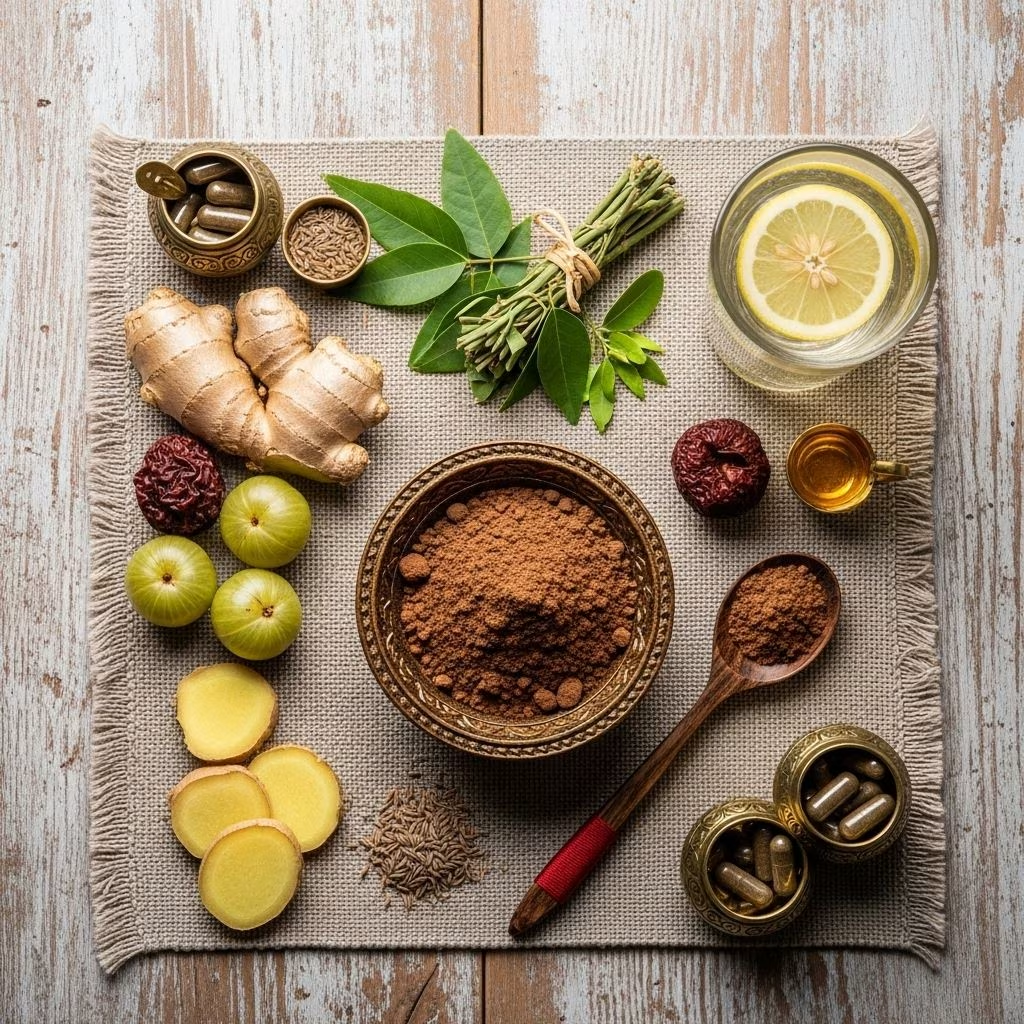
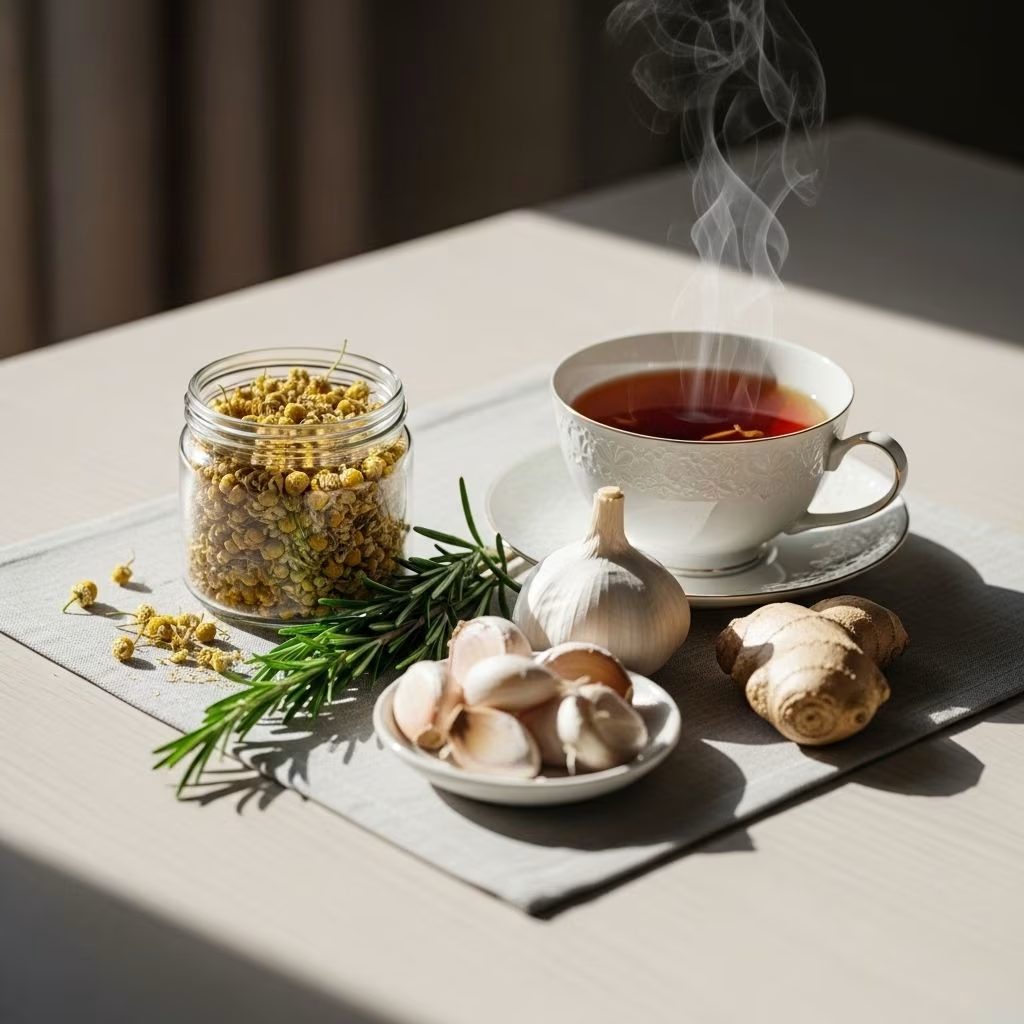
Many natural or home remedies are suggested as supportive measures while waiting for medical treatment. While some of these ingredients possess antimicrobial or immune-boosting properties, no natural remedy has been clinically proven to cure chlamydia. Below are commonly recommended ingredients alongside an explanation of their properties and supporting evidence.
| Remedy | Main Properties | Proven to Cure Chlamydia? |
|---|---|---|
| Garlic | Antibacterial, anti-inflammatory | No evidence |
| Echinacea | Immune-boosting, may ease pain | No evidence |
| Goldenseal | Antibacterial | No evidence |
| Turmeric | Anti-inflammatory, antioxidant | No conclusive evidence |
| Olive tree extract | Antiviral, antimicrobial | No evidence |
1. Garlic
Garlic (Allium sativum) is well-known for its allicin content, an active compound with antibacterial and anti-inflammatory effects. While garlic has demonstrated the ability to inhibit some bacteria and fungi, there is no direct evidence that it kills Chlamydia trachomatis. Nevertheless, incorporating garlic may help support general immune function and alleviate discomfort, but should not be viewed as a standalone treatment.
2. Echinacea
Echinacea is a flower commonly used to aid colds and flu due to its reputed immune-boosting benefits. Some small studies suggest it can help reduce pain or inflammation, but there is no clinical evidence confirming its effectiveness against chlamydia or other STIs. Echinacea supplements are sometimes taken to shorten the duration of infections, but always consult a healthcare provider beforehand.
3. Goldenseal
This herb is sometimes recommended for infections due to its berberine content, with claims it can fight bacteria. However, the scientific evidence is currently lacking to show that goldenseal can cure chlamydia. It may, however, assist in minor symptom relief and is often used to support general health.
4. Turmeric
Turmeric, containing the anti-inflammatory compound curcumin, is celebrated for wide-ranging medicinal benefits. Laboratory research suggests curcumin may have antimicrobial effects and, in combination with other agents, inhibits chlamydia in vitro. Nevertheless, there is insufficient evidence supporting turmeric as an effective therapy for chlamydia in humans. Turmeric is still safe for most as a dietary spice, but those on anticoagulant medication should consult a physician first.
5. Olive Tree Extract
Olive leaf extract contains oleuropein, known for anti-inflammatory and antimicrobial activity. Although it may help bolster the immune system and provide antioxidant support, studies have not shown it can eliminate or cure chlamydia. Such supplements are safe for most individuals but should be used only as an adjunct to professional medical treatment.
Important Note: Home Remedies vs. Antibiotic Therapy
It is crucial to emphasize that although all the above remedies offer health benefits and may provide comfort, only prescription antibiotics can successfully treat and cure chlamydia. If you suspect you may have this infection or are experiencing any symptoms, consult a healthcare provider for accurate diagnosis and appropriate therapy.
Medications for Chlamydia
Medical professionals typically prescribe the following antibiotics for chlamydia:
- Azithromycin: A single large oral dose is often used.
- Doxycycline: Usually taken twice daily for seven days.
- Levofloxacin: An alternative option in certain cases.
Early treatment with antibiotics is vital to prevent the spread of infection and to avert serious health complications such as infertility and pelvic inflammatory disease. You should avoid sexual intercourse until the full course of antibiotics is completed and your healthcare provider confirms the infection has cleared.
Self-Care Tips for Symptom Relief
- Increase fluid intake to help flush out toxins.
- Maintain genital hygiene; wash with gentle, unscented cleansers.
- Avoid irritants such as scented soaps, douches, or vaginal sprays.
- Wear loose, breathable cotton underwear.
- Eat a balanced diet rich in fruits and vegetables to support immune health.
When to See a Doctor
Seek immediate medical advice if you:
- Notice symptoms of chlamydia or any unusual genital changes.
- Have had unprotected sex with a new or potentially infected partner.
- Experience persistent symptoms despite trying home remedies.
- Develop pelvic pain, fever, or abnormal discharge.
Testing and Prevention
- Regular STI screenings are recommended if you are sexually active, especially with new or multiple partners.
- Chlamydia can be diagnosed using urine samples or genital/rectal swabs.
- Practice safer sex: use condoms and dental dams to reduce risk.
- Abstain from sexual activity until both partners have completed treatment and are cleared by a healthcare provider.
- Promptly inform sexual partners if you are diagnosed with chlamydia so they can also seek testing and treatment.
Possible Complications of Untreated Chlamydia
- Pelvic inflammatory disease (PID) in women
- Ectopic pregnancy risk
- Infertility in both men and women
- Chronic pelvic pain
- Epididymitis in men (inflammation of the epididymis)
- Increased susceptibility to contracting/transmitting HIV
Infographic: 4 Key Home Remedies to Support Chlamydia Care
- Garlic: Antibacterial properties, aids immune health
- Echinacea: Supports immunity, may reduce inflammation
- Goldenseal: Herbal antimicrobial, unproven against chlamydia
- Turmeric: Antioxidant and anti-inflammatory agent
While these natural ingredients may be incorporated into your lifestyle for generalized health support, do not rely on them to cure chlamydia. Always follow your doctor’s antibiotic regimen and follow-up instructions.
FAQs: Frequently Asked Questions About Chlamydia and Home Remedies
Can chlamydia go away on its own?
No. While symptoms may temporarily subside or go unnoticed, the infection typically persists and may lead to serious complications if not treated with antibiotics.
Can I test myself for chlamydia at home?
Yes. Over-the-counter home testing kits for chlamydia are available, providing a degree of privacy and convenience. Always confirm results and seek treatment from a healthcare provider if positive.
What does chlamydia urine look like?
In individuals with chlamydia, urine may appear cloudy due to the presence of pus. Occasionally, small amounts of blood can make the urine appear brownish-red. However, such changes are not always present, and many infected people notice no difference in urine appearance at all.
What risks are associated with untreated chlamydia?
Risks include chronic pelvic pain, tubal infertility, ectopic pregnancy, and increased risk of other STIs, including HIV. Early detection and treatment are crucial.
What should I do if I suspect I have chlamydia?
Abstain from sexual intercourse and seek immediate evaluation from a healthcare provider. Do not attempt to treat chlamydia solely with home remedies.
Personal Experiences and Expert Opinions
Health content at StyleCraze is often complemented by personal narratives and expert reviews. Listen to real experiences and advice from medical experts to better understand the impact of chlamydia and the importance of prompt, professional treatment.
Final Thoughts
Although some home remedies have properties that can support general health and ease discomfort, only antibiotics can cure chlamydia. Incorporate home remedies to help with symptom management, but always seek medical advice, complete prescribed antibiotic regimens, and follow safe practices to protect yourself and your partners.
References
- https://www.stylecraze.com/articles/home-remedies-for-chlamydia/
- https://www.healthline.com/health/sexually-transmitted-diseases/home-remedies-for-chlamydia
- https://jamanetwork.com/journals/jama/fullarticle/2810018
- https://www.aafp.org/pubs/afp/issues/2022/1100/letter-chlamydia.html
- https://www.stylecraze.com/author/sanchari_bhattacharya/
- https://flo.health/menstrual-cycle/sex/stis/chlamydia-myths
- https://kneopen.com/SJMS/article/view/4691/