


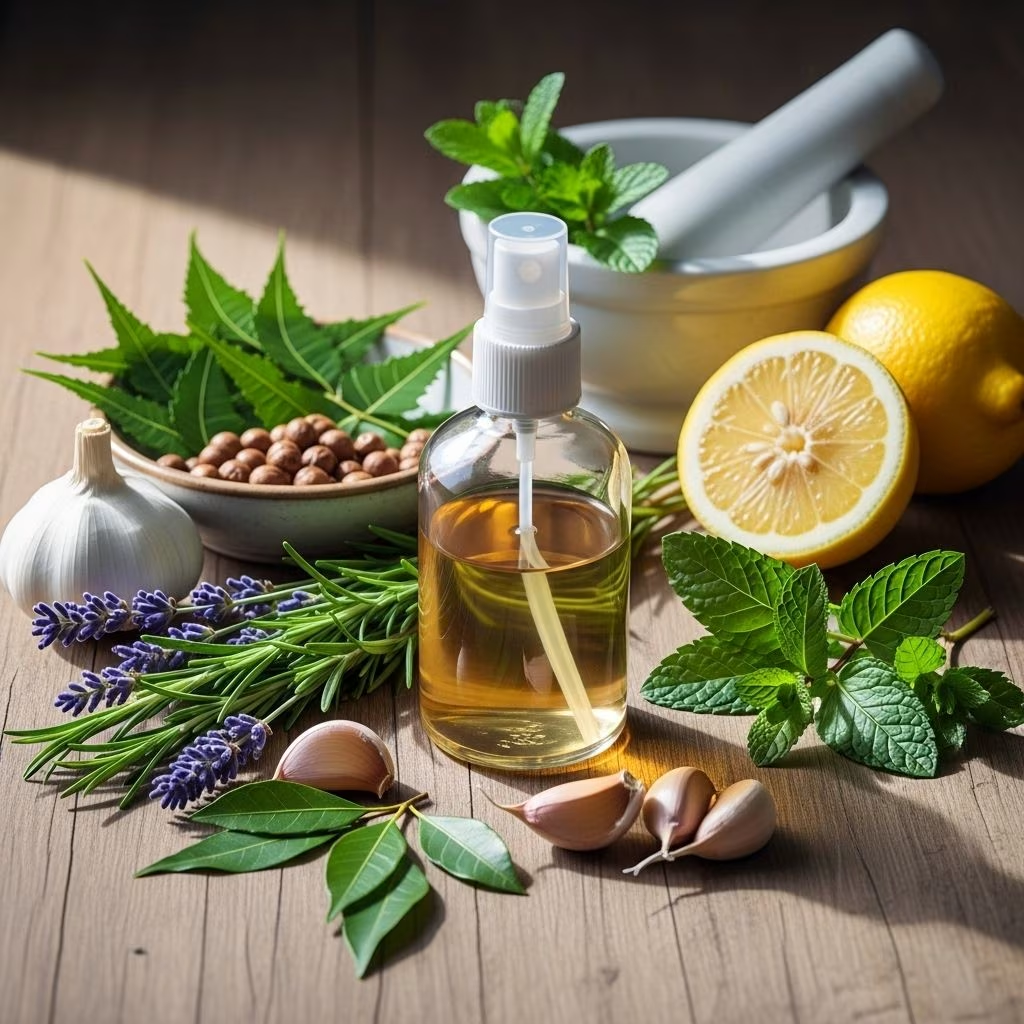
Homemade Lice Repellent Spray Recipe: Natural Prevention for All Ages
Head lice can be a persistent annoyance for families, especially those with school-aged children. While there are many commercial treatments available, concerns over harsh chemicals and skin sensitivity have prompted a growing interest in natural lice prevention methods. This guide will walk you through multiple approaches to making your own homemade lice repellant spray—including essential oil blends, ingredient safety, and usage tips—giving you peace of mind and healthier routines.
What Are Head Lice, and Why Prevention Matters
Head lice are tiny parasitic insects that infest the scalp, spreading primarily through close contact. Lice outbreaks are most common in settings like schools, camps, and daycares, where children interact closely. While not dangerous, lice can cause itching, discomfort, and frustration. Preventing infestation is easier and less stressful than treating an active case, making daily prevention strategies valuable for families.
Why Choose Homemade Lice Repellent?
- Natural Ingredients: Avoid potential skin irritants and chemicals found in commercial sprays.
- Customizable Scent and Strength: Tailor your blend for sensitivity, hair care needs, or personal preference.
- Cost-Effective: Homemade sprays can be less expensive and just as effective as store-bought alternatives.
- Peace of Mind: You know exactly what goes into your product and how it’s made.
Key Ingredients for Lice Repellent Sprays
Natural lice repellent sprays generally combine distilled water, essential oils with proven insect-repellent properties, and a base or preservative (like alcohol or a natural preservative). The essential oils serve both to repel lice and to maintain scalp hygiene. Here are some of the most common components:
| Ingredient | Purpose | Common Dosage/Amount |
|---|---|---|
| Distilled Water | Dilutes essential oils, forms the base | 3–8 oz (85–240 ml) |
| High Proof Alcohol (Vodka/Ethanol) | Preservative, aids in oil dispersion | 4–5 oz (120–150 ml), or enough for 20% final concentration |
| Neem Oil | Supports lice prevention, hair nourishment | 1 tsp (5 ml) |
| Natural Preservative | Extends shelf life (if not using alcohol) | As per product instructions (1 g typical) |
| Essential Oil Blend | Repels lice, provides fragrance | 20–80 drops, or 1–5 g |
| Carrier Oils (Jojoba, Coconut, Argan) | Condition and protect hair | 1–2 tbsp |
Essential Oils for Lice Repellent: Top Choices
The effectiveness of a lice repellent spray comes largely from its essential oil content. Scientific studies and anecdotal evidence highlight several oils as especially effective against lice:
- Tea Tree Oil: Antimicrobial, repellent effect; a key ingredient for lice prevention.
- Lavender Oil: Soothes scalp, deters lice; safe for children.
- Eucalyptus Oil: Potent repellent; use in small amounts.
- Peppermint Oil: Cools and freshens; helps repel lice.
- Rosemary Oil: Stimulates scalp, adds to repellency.
- Geranium Oil: Gentle and effective; often used in blends for older children.
- Thyme and Cinnamon Oils: Added for extra potency, but use with caution due to their strength and possible skin sensitivity.
Suggested Essential Oil Blends
Here are sample blends recommended for different age groups:
| Essential Oil | Older Children (per batch) | Younger Children (per batch) |
|---|---|---|
| Tea Tree | 0.8g | 1.2g |
| Eucalyptus | 0.5g | – |
| Lavender | 0.4g | 0.8g |
| Geranium | 0.35g | – |
| Thyme | 0.35g | – |
| Peppermint | 0.3g | – |
| Cinnamon | 0.3g | – |
Core Homemade Spray Recipes
Original Bi-Phase Recipe
- 3.5 ounces water (fill until 8 oz bottle is full)
- 4.5 ounces vodka (for 20% alcohol preservation)
- 80 drops essential oil blend (choose per age group)
- 1 tsp neem oil
Instructions:
- Combine all ingredients in an 8 oz spray bottle.
- Shake well before each use (oils will separate).
- Spray lightly over hair every morning or before exposure to lice risk.
Non-Alcohol Version
- 96 g distilled water
- 3 g essential oil blend
- 1 g natural preservative (as directed for specific type)
Instructions:
- Mix all ingredients in a spray bottle.
- Shake well before each use.
- Use daily on hair, being careful to avoid eyes and ears.
Alcohol-Based Recipe (Solubilized)
- 3 g essential oil blend (adjust from 1–5 g to preference)
- 97 g high proof alcohol (preferably above 75%)
Instructions:
- Combine oils and alcohol in a spray bottle. Shake until fully solubilized.
- Spray on hair as needed for protection.
Diluted Alcohol-Based Recipe
- 3 g essential oil blend
- 32 g high proof alcohol (e.g., 96% ethanol or vodka)
- 65 g distilled water
Instructions:
- Mix oils and alcohol, allow to rest for one hour.
- Slowly add distilled water. Note that some cloudiness is normal.
- Shake before each use and apply as needed.
Tips for Making and Using Homemade Lice Repellent Spray
- For maximum safety, perform a patch test on a small area of skin before general use, especially for children and sensitive individuals.
- Avoid eyes and ears: Focus application onto hair, never spray onto the face or directly into ears. Rinse immediately if accidental contact occurs.
- Shake before use: Bi-phase sprays require shaking to ensure oils are evenly distributed.
- Store in a cool, dark place to maintain ingredient potency and shelf life.
- Mark the recipe container clearly, especially if multiple sprays are made for varied needs in the household.
Ingredient Variations: Customizing Your Spray
You can tailor your recipe based on availability, hair type, and sensitivity:
- Add other carrier oils like argan or jojoba for extra hair protection and nourishment. Note additional oils will likely separate, requiring more regular shaking.
- Neem oil is a popular additive due to its additional repellent properties, but may have a strong natural scent.
- Non-alcohol versions are ideal for children or those avoiding alcohol exposure, using natural preservatives to maintain safety.
- Adjust essential oil blend ratios for age, hair type, and desired scent profile.
Safety, Sensitivities, and Limitations
- Patch Test First: Everyone reacts differently to essential oils. Apply a small amount on the inside of the elbow and wait 24 hours to ensure no irritation occurs.
- Consult Medical Professionals: If any skin reaction (redness, burning, itchiness) arises, discontinue use and seek advice.
- For Scalp Only: Spray is meant for hair, not for skin or as a direct lice treatment.
- Not a Cure for Lice Infestation: These recipes are for prevention only, not for active lice removal. If lice are present, seek advice on specialized treatment.
- Use at Your Own Risk: Natural remedies vary in effectiveness, and results may differ based on individual factors and correct usage.
Frequently Asked Questions (FAQ)
Q: Can I use these sprays on babies?
A: Essential oil-based sprays are generally not recommended for children under age two. For toddlers and younger children, use highly diluted blends (primarily tea tree and lavender oils), and always perform a patch test before full application. Consult a pediatrician if unsure.
Q: Does this spray treat an existing lice infestation?
A: No. Homemade lice sprays prevent infestation; they do not treat existing lice. For active infestations, use specialized removal treatments and follow CDC recommendations.
Q: How often should I apply lice repellent spray?
A: For best protection, apply daily before school, daycare, camps, or any environment where lice exposure risk is high. Reapply after swimming or heavy sweating if needed.
Q: Can I use this spray on fabrics?
A: Yes, most homemade sprays are safe for use on hats, scarves, brushes, and jacket hoods. Always test on a small area first, especially for essential oil-rich blends.
Q: Will the spray make my hair greasy or heavy?
A: Bi-phase and non-alcoholic recipes may leave a light residue depending on the added oils. Adjust the carrier oil amount or switch to an alcohol-based recipe for a lighter feel.
Q: What if I get spray in my eyes or ears?
A: Rinse immediately with plenty of clean water. If discomfort or irritation persists, seek medical attention promptly.
Additional Lice Prevention Strategies
Homemade lice repellent sprays work best when combined with good hygiene and proactive routines. Consider these tips:
- Discourage sharing hats, brushes, hair bands, or pillows in group settings.
- Keep long hair tied back, especially during outbreaks.
- Regularly wash and heat-dry hats, scarves, and bedding.
- Teach children not to touch others’ heads, especially when outbreaks occur.
- Use nit-combs for occasional hair checks, particularly if exposure is suspected.
Conclusion: Safe, Simple, and Natural Prevention
Homemade lice repellant sprays offer a practical, customizable, and natural way to keep hair lice-free during riskiest seasons. By choosing the right blend for your family and following the outlined safety tips, you can prevent infestations—and potentially avoid the need for harsher treatments. Remember, essential oils are powerful but require respect and caution. With daily prevention and a thoughtful routine, your family can enjoy healthier, itch-free days—naturally.
References
- https://thethingswellmake.com/homemade-lice-repellant-spray-recipe-natural-lice-prevention/
- https://fullgreenlife.com/homemade-lice-repellant/
- https://www.biomestores.com/blogs/diy-recipes/diy-natural-head-lice-spray
- https://www.clinikally.com/blogs/news/top-10-essential-oils-for-effective-head-lice-prevention
- https://neverdonewithfun.com/2018/07/17/natural-lice-prevention-detangler-spray/
- https://livingwellmom.com/diy-lice-prevention-spray-essential-oils/


