


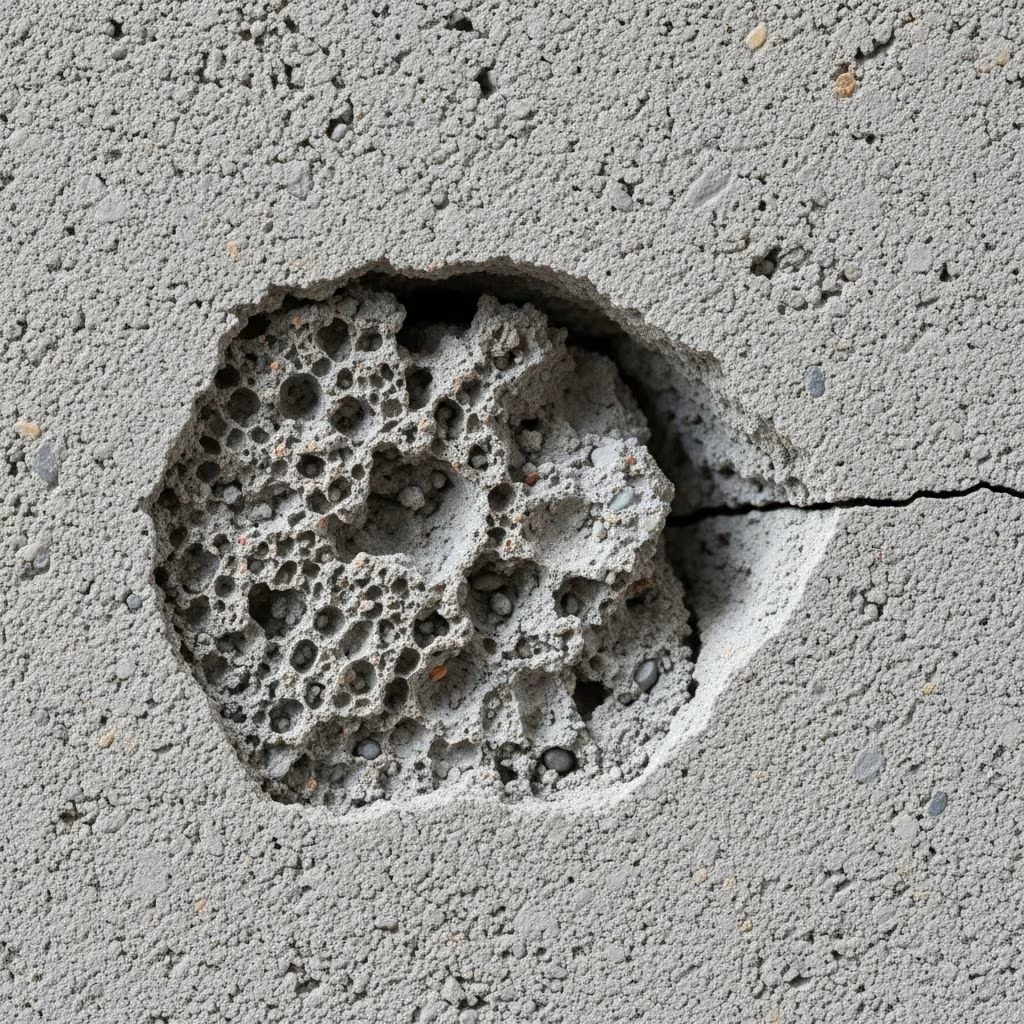
What are Honeycombs in Concrete?
Honeycombs in concrete refer to hollow spaces or cavities that appear on the surface or within the concrete mass due to incomplete filling of the formwork or inadequate compaction during placement. These voids resemble a honey bee’s nest, hence the term ‘honeycomb.’ Honeycombs can range from minor surface blemishes to significant structural defects, depending on their size and location.
Causes of Honeycombs in Concrete
Several factors contribute to the development of honeycombs in concrete structures:
- Insufficient vibration: Inadequate vibration during concrete placement fails to remove entrapped air, leading to poor consolidation and voids.
- Improper mix design: Concrete with low workability or improper aggregate gradation makes it difficult to fill formwork completely.
- Closely spaced reinforcement: Congested reinforcement bars obstruct the flow of concrete, resulting in voids around the bars.
- Defective formwork: Leaky or poorly designed formwork can cause concrete to escape, leaving gaps behind.
- Segregation of aggregate: Separation of coarse aggregates from the cement paste during placement leads to uneven distribution and voids.
- Improper placement techniques: Allowing concrete to free-fall from heights or placing it in lifts that are too thick can cause segregation and poor compaction.
- Inadequate curing: Poor curing practices can lead to surface drying and shrinkage cracks, sometimes exposing underlying honeycombs.
- Human error: Lack of skilled supervision or workmanship can exacerbate any of the above issues.
Types of Honeycombs in Concrete
Honeycombs are classified based on their size and severity:
| Type | Size | Effect |
|---|---|---|
| Small Honeycombs | Less than 10 mm | Primarily aesthetic issues; generally not structural but can lead to surface deterioration over time. |
| Medium-sized Honeycombs | 10 mm – 50 mm | Can reduce structural strength and durability; require repair to restore integrity. |
| Large Honeycombs | Greater than 50 mm | Significantly compromise structural strength; may require complete replacement of affected sections. |
Effects of Honeycombs on Concrete Structures
Honeycombs can have several detrimental effects on concrete structures:
- Reduced Strength: Voids reduce the effective cross-sectional area, lowering load-bearing capacity.
- Decreased Durability: Exposed aggregates and reinforcement are more susceptible to corrosion and environmental attack.
- Aesthetic Issues: Surface blemishes affect the visual appeal, which can be critical for architectural concrete.
- Water Ingress: Honeycombs provide pathways for water and chemicals, accelerating deterioration.
- Reduced Service Life: The combined effects of reduced strength, durability, and increased corrosion risk can shorten the lifespan of the structure.
Prevention of Honeycombs in Concrete
Preventing honeycombs is more effective and economical than repairing them. The following measures are essential:
- Proper Mix Design: Use a well-graded mix with adequate workability to ensure complete filling of formwork.
- Effective Vibration: Employ proper vibration techniques and equipment to eliminate air voids.
- Reinforcement Spacing: Avoid congestion of rebars; ensure sufficient space for concrete flow.
- Quality Formwork: Use rigid, watertight formwork that is properly aligned and braced.
- Proper Placement: Place concrete in uniform lifts and avoid dropping concrete from excessive heights.
- Segregation Control: Prevent segregation by careful handling and placement of the mix.
- Skilled Workmanship: Ensure that site personnel are trained and supervised to maintain quality standards.
- Appropriate Curing: Maintain adequate moisture and temperature during curing to prevent surface defects.
Repair Methods for Honeycombs in Concrete
When honeycombs are detected, timely and appropriate repair is crucial to restore structural integrity and durability. The repair process typically involves the following steps:
- Assessment: Inspect the extent and severity of the honeycomb. Determine if the affected area is superficial or structural.
- Preparation: Remove all loose or damaged concrete and debris from the affected area using a wire brush, chipping hammer, or other suitable tools. Clean the surface thoroughly, wash with water, and allow it to dry.
- Bonding Agent: Apply a bonding agent or chemo-fix glue to ensure strong adhesion between the old and new materials.
- Formwork: For large voids, install formwork around the area to contain the repair material.
- Repair Material: Fill the voids with a suitable repair material such as non-shrink grout, epoxy mortar, or a patching compound. The material should match the strength and durability of the parent concrete.
- Compaction: Compact the repair material carefully to eliminate air pockets and ensure a dense, homogeneous repair.
- Curing: Protect the repaired area and cure it properly to achieve optimal strength and durability.
- Finishing: Finish the surface to match the surrounding concrete for aesthetic consistency.
For large or critical structural honeycombs, replacement of the affected section may be necessary to ensure safety and performance. Always consult a qualified engineer for significant repairs.
Quality Control During Construction
Implementing rigorous quality control measures is essential to minimize the risk of honeycombs:
- Regular inspection of formwork for leaks, misalignment, or damage.
- Monitoring of concrete mix properties and placement techniques.
- Supervision of vibration and compaction processes.
- Post-placement inspection of exposed surfaces for defects.
- Documentation and reporting of any issues for continual improvement.
Case Studies and Practical Examples
Several real-world examples illustrate the consequences of honeycombs and the importance of prevention and repair:
- In high-rise buildings, honeycombs in columns or beams can compromise structural stability, requiring costly repairs or even partial demolition.
- In bridges and marine structures, honeycombs accelerate corrosion of reinforcement, leading to premature deterioration.
- On architectural concrete projects, surface honeycombs result in rejected finishes and additional remedial work.
Frequently Asked Questions (FAQs)
What exactly is honeycombing in concrete?
Honeycombing refers to the presence of voids or cavities in concrete caused by incomplete filling of formwork or inadequate compaction during placement, resembling the cells of a honeycomb.
Are honeycombs in concrete always a problem?
Small honeycombs on the surface may only affect aesthetics, but medium or large honeycombs can compromise structural strength and durability, requiring repair.
What are the main causes of honeycombing?
Key causes include insufficient vibration, improper mix design, congested reinforcement, defective formwork, segregation, and poor placement or curing practices.
How can honeycombing be prevented?
Prevention involves proper mix design, adequate vibration, correct reinforcement spacing, quality formwork, careful placement, and proper curing.
How should honeycombs be repaired?
Remove loose material, clean the area, apply a bonding agent, fill with suitable repair material, compact, and cure properly. For large or structural defects, replacement may be necessary.
Can honeycombing affect the lifespan of a structure?
Yes, honeycombs can reduce strength, increase susceptibility to corrosion, and shorten the service life of concrete structures if not addressed.
Conclusion
Honeycombs in concrete are a common but preventable defect, arising primarily from poor workmanship, inadequate mix design, or improper placement and compaction. While small honeycombs may seem minor, larger ones pose significant risks to structural integrity and durability. Prevention through strict quality control and best practices is always preferable. When honeycombs do occur, prompt and appropriate repair is essential to restore performance and extend the service life of the structure. By understanding the causes, effects, and remedies of honeycombing, construction professionals can ensure safer, more durable, and aesthetically pleasing concrete structures.
References
- https://www.bricknbolt.com/blogs-and-articles/construction-guide/honeycomb-concrete-causes-prevention-repair
- https://www.mpbirlacement.com/causes-and-prevention-of-honeycomb-in-concrete/
- https://www.thethamesconcrete.co.uk/preventing-concrete-honeycomb-top-causes-and-solutions/
- https://eppconcrete.com/common-causes-honeycomb-how-to-repair/
- https://www.dalinghausconstruction.com/blog/what-is-honeycomb-in-concrete-how-can-it-be-prevented/
- https://www.therealsealllc.com/blog/common-causes-of-honeycomb-in-concrete/
- https://structuralrepairs.com.my/honeycombs-in-concrete-the-causes-effects-method-to-repair/


