


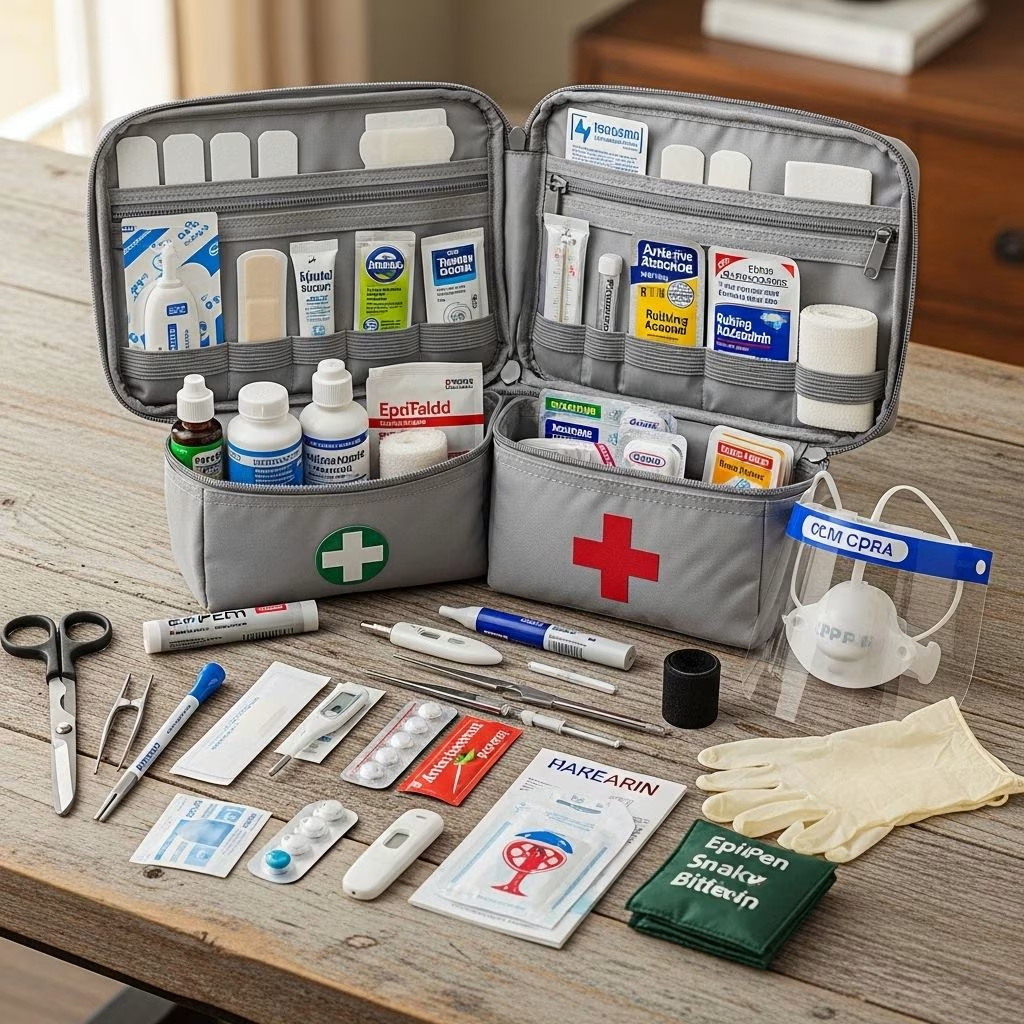
Comprehensive Guide to Building a First Aid Kit for Every Situation
Having a well-stocked and organized first aid kit is a crucial aspect of preparing for emergencies, whether you’re at home, on the road, traveling, or venturing outdoors. First aid kits empower individuals and families to respond quickly to injuries or sudden illness, minimizing distress and potentially saving lives. This guide explores the anatomy of an ideal first aid kit, how to select and store contents for various scenarios, and tips for upkeep so your kit remains ready when needed most.
Why Is a First Aid Kit Essential?
A first aid kit provides critical tools and supplies to handle injuries, sudden illnesses, and minor medical emergencies until professional help can be reached. From treating cuts and burns to managing allergic reactions or stabilizing sprains, a first aid kit can make the difference in outcomes during urgent situations. Whether for families, individuals, workplaces, or outdoor enthusiasts, a properly constructed kit boosts confidence, safety, and peace of mind.
Core Contents of a First Aid Kit
While the specific supplies may vary based on your needs and context, the following represents a standard collection for most home and travel kits:
- Up-to-date first aid manual – Quick reference for procedures and use of kit contents
- Emergency contact list – Includes local emergency numbers and family contacts
- Disposable gloves (non-latex) – At least two pairs for preventing contamination
- Hydrogen peroxide or antiseptic wipes – For wound cleaning
- Sterile gauze pads (multiple sizes) – For bleeding, dressing, and wound protection
- Adhesive tape – To secure gauze or bandages
- Adhesive bandages (various sizes) – For covering minor cuts and scrapes
- Elastic bandage – For sprains and muscle injuries
- Splint – To immobilize injured limbs. Can include finger splints, SAM splints, or triangular cravat bandages
- Alcohol wipes – For sterilizing equipment and skin
- Instant cold pack – To reduce swelling and pain
- Disposable thermometer – To monitor body temperature
- Eye shield & eye wash solution – For eye injuries or contamination
- Flashlight & extra batteries – For visibility in low light emergencies
- CPR mouthpiece (with one-way valve) – Safety in artificial respiration
- Tweezers & scissors – For splinter removal, cutting tape & bandages
- Safety pins – For securing bandages
- Instant cold packs – For swelling or sprains
Medications and ointments:
- Antibiotic ointment – To prevent infection and aid healing
- Hydrocortisone cream (1%) – Reduces inflammation and itching
- Calamine lotion – Soothing for skin irritation
- Pain relievers: Acetaminophen and Ibuprofen
- Antihistamines (e.g., Benadryl, Zyrtec, Claritin) – For allergic reactions and itching
- Prescription medications – Any unique medications required by family members, preferably extra doses for travel
- Oral rehydration salts – For dehydration
- Throat lozenges – For sore throat or cough
- Sunburn relief gel or spray – For burns or sun exposure
- Aspirin – Emergency response to heart attack (always consult physician instructions)
Additional Useful Tools and Supplies
- Small notepad with waterproof pencil/pen – For notes on injury, medications administered
- Medical waste bag – To dispose of used materials safely
- Emergency blanket – For warmth or shock
- Medical/surgical gloves – Nitrile recommended to avoid allergies
- Hand sanitizer – Maintain hygiene before and after handling injuries
- Biodegradable soap – For general cleaning
- Waterproof container or pouch – Protects supplies from moisture
Specialized Kits: Tailoring for Outdoors, Family, and Travel
| Situation/Group | Recommended Additional Items |
|---|---|
| Outdoors (hiking, camping) |
|
| Family/home |
|
| Travel |
|
Customizing your kit according to the setting ensures that you are equipped for the risks most likely to arise in specific scenarios.
How to Organize and Store Your First Aid Kit
Optimal organization equals effective response. Store your kit in a clearly labeled, easy-to-access box or pouch, sorted by category and urgency of use. Consider using clear containers or labeled compartments for rapid identification. The suggested steps are:
- Designate a central location easily accessible to adults – but out of reach of young children
- For vehicles or travel, store in the glove compartment or travel bag
- Keep one kit at home, one in the car, and one for outdoor activities
- Review and update the kit regularly. Replace expired medications and used supplies
- Ensure all family members and caregivers know the location and usage instructions for the kit
Routine Maintenance: Keeping Your First Aid Kit Ready
First aid kits require regular checks to ensure that all contents are current, in good condition, and ready for use:
- Monthly or quarterly inspections
- Check expiration dates of medicines and ointments
- Test flashlight batteries and replace as needed
- Refill any missing or depleted items after use
- Replace damaged packaging to maintain sterility
Proactivity in kit maintenance guarantees readiness during critical moments and helps prevent accidental complications due to expired products.
Using Items Safely: Key First Aid Procedures
- Always sanitize hands before and after treating wounds with soap or hand sanitizer
- Wear gloves to protect both the patient and yourself from infection
- Follow dosage and application guidelines for all medications and ointments. Refer to your first aid manual if uncertain
- For severe injuries (major bleeding, broken bones, chest pain, trouble breathing) call emergency services promptly and use kit contents to stabilize as instructed
- Dispose of all used supplies properly as medical waste
Building Your Own Kit vs. Buying a Commercial One
Commercial first aid kits are convenient, but building your own kit allows customization to suit specific health needs, activities, and risks. The essentials remain the same, with the option to add specialized gear (tourniquet, extra prescriptions, trauma supplies). If buying, ensure the kit meets standards for completeness, portability, and labeling.
Table: Comparison of Home, Car, and Outdoor First Aid Kits
| Item | Home | Car | Outdoor |
|---|---|---|---|
| CPR Mask | ✓ | ✓ | ✓ |
| Emergency Blanket | ✓ | ✓ | |
| Tweezers | ✓ | ✓ | ✓ |
| Prescription Medications | ✓ | ✓ | |
| Splint | ✓ |
This table highlights that different environments may require extra items beyond the household basics.
Frequently Asked Questions (FAQs)
Q: How often should I check my first aid kit for expired items?
A: Inspect your kit at least every three months. Replace expired medications, ointments, and batteries promptly to keep your kit reliable.
Q: Where should I store my first aid kit?
A: Store the kit in a secure location that is easily accessible to adults, such as a kitchen cabinet or hall closet. When traveling, keep the kit in the car or carry in luggage as needed.
Q: What should I do if I use something from my kit?
A: Restock used or discarded supplies immediately to ensure the kit remains ready for future emergencies.
Q: Can I bring my first aid kit on an airplane?
A: Yes, but some items (scissors, blades, liquids) must be in checked luggage. Review airline regulations before traveling with the kit.
Q: Are commercial kits better than DIY kits?
A: Commercial kits are convenient and often complete, but DIY kits allow for customization based on personal needs and specific activities.
Tips for Training and Education
Merely owning a first aid kit isn’t sufficient. Read the manual, familiarize yourself with the contents, and periodically review basic first aid procedures with family members. Many organizations, such as the Red Cross, offer courses in first aid and CPR, which enhance your preparedness and confidence.
- Attend first aid workshops or training courses
- Discuss kit contents and procedures with your children if they are old enough to understand
- Ensure all caregivers or babysitters are briefed on kit location and usage
Conclusion: Preparedness Saves Lives
Investing in a properly stocked first aid kit and staying informed about how to use it forms the backbone of effective emergency response. Customize your kit for your lifestyle, monitor its supplies, and prioritize hands-on training. With these measures, you can face injuries and surprises with clarity and the right tools—helping safeguard yourself, loved ones, and others in need.
References
- https://kidshealth.org/en/parents/firstaid-kit.html
- https://www.rei.com/learn/expert-advice/first-aid-checklist.html
- https://www.redcross.org/get-help/how-to-prepare-for-emergencies/anatomy-of-a-first-aid-kit.html
- https://www.redcross.org/local/texas/north-texas/about-us/news-and-events/news/what-to-include-in-a-first-aid-kit.html
- https://www.brownhealth.org/be-well/12-key-items-first-aid-kits
- https://www.sja.org.uk/get-advice/i-need-to-know/what-to-put-in-a-first-aid-kit/
- https://www.narescue.com/nar-blog/first-aid-101-must-have-items-for-every-kit.html
- https://firstaidcoursestasmania.com.au/blog/essential-items-to-have-in-your-diy-first-aid-kit/


