


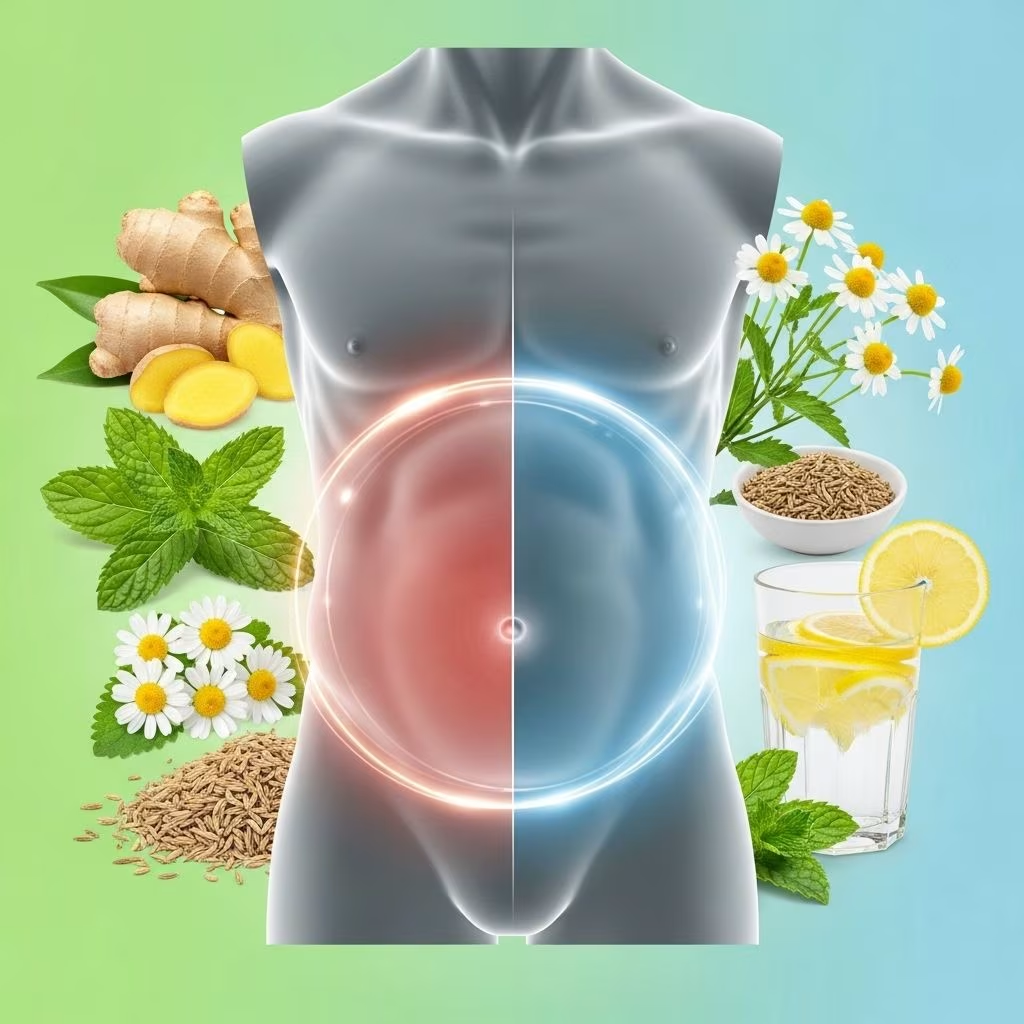
How to Get Rid of Bloating: A Comprehensive Guide to Natural Relief
Bloating is an all-too-common yet often misunderstood digestive concern. While many simply accept it as a normal – if bothersome – part of daily life, persistent or recurring bloating is often a signal from the body that deeper gut or hormonal imbalances may be at play. This article explores the underlying causes of bloating, the powerful links between gut and hormone health, and evidence-based strategies for restoring balance, comfort, and lasting well-being.
Understanding Bloating: More Than Just Digestive Discomfort
The sensation of bloating can manifest as abdominal fullness, swelling, or tightness – often accompanied by gas, pain, or even visible distension. For many, symptoms flare up after meals, during periods of stress, or seemingly without a clear trigger. While it is common to experience occasional bloating, ongoing symptoms should not be ignored, as they frequently indicate that the body is struggling to maintain equilibrium.
- Physical Signs: Abdominal distension, discomfort, gassiness
- Emotional Symptoms: Fatigue, irritability, brain fog
- Frequency: Some experience bloating daily, while others may notice symptoms cyclically or after certain foods
Key Insight: Just because bloating is common does not mean it is normal. Consistent digestive discomfort is often the body’s way of signaling a need for support, not weakness or a personal failing.
Why Does Bloating Happen?
Bloating has multiple triggers, but the most prevalent causes include digestive issues, hormonal fluctuations, stress, and lifestyle factors. Understanding what underpins your symptoms is essential for crafting the correct solution.
Common Causes of Bloating
- Poor Digestion: Incomplete breakdown of food leads to excess gas production and abdominal bloating.
- Hormonal Imbalances: Hormones such as cortisol (the primary stress hormone), estrogen, and progesterone can all influence digestive function and gut motility, making women especially susceptible during menstrual cycles, menopause, or times of chronic stress.
- Food Intolerances: Sensitivities to lactose, gluten, or certain fermentable carbohydrates can exacerbate bloating in susceptible individuals.
- Imbalanced Gut Microbiome: Overgrowth of gas-producing bacteria or insufficient populations of beneficial microbes can disrupt digestion and increase bloating.
- Inflammation: Low-grade inflammation in the gut lining, often due to poor diet or stress, can amplify discomfort and swelling.
- Lifestyle Choices: Eating too quickly, insufficient movement, high sodium intake, or excessive consumption of carbonated beverages all play a role.
The Gut-Hormone Connection
Many people mistakenly attribute bloating solely to digestive irregularities. However, a growing body of research underscores that hormone imbalances—especially involving cortisol—profoundly influence gut function, permeability, and microbiome diversity. This connection is particularly pronounced in women, whose hormonal cycles can result in fluctuating digestive patterns and bloating.
- Stress and Cortisol: Elevated stress hormones slow down digestion, disrupt normal gut motility, and shift microbial activity, often resulting in bloating or constipation.
- Estrogen and Progesterone: Fluctuations throughout the menstrual cycle can lead to water retention, slower transit time, and a greater likelihood of experiencing digestive swelling.
- Gut and Mood: An unhappy gut often results in mood swings, brain fog, and irritability due to the deeply integrated gut-brain axis.
Recognizing these intricate relationships is vital. Targeting either gut health or hormone balance alone may offer temporary relief, but a holistic approach typically delivers the most profound and lasting results.
Why Can Bloating Persist?
Persistent bloating is rarely the result of a single factor. Often, it reflects long-standing patterns—such as unmanaged stress, ongoing hormone imbalances, or chronic gut issues—that reinforce each other.
- Burnout and High Cortisol: Chronic stress and burnout conditions commonly elevate cortisol levels, impairing digestive function and perpetuating bloating and fatigue.
- Disrupted Microbiome: Antibiotic use, poor nutrition, and stress can cause lasting changes to gut bacteria, making recovery a longer process.
- Weight Gain: Particularly around the abdomen, unexplained weight gain is often tightly linked with hormonal turbulence and bloating.
- Ignoring Symptoms: Many believe fatigue, restlessness, or emotional swings are simply ‘part of life.’ However, these may reflect underlying imbalances.
A Holistic Approach to Bloat Relief
The Happy Mammoth philosophy emphasizes a holistic, science-based strategy that nurtures both gut and hormone health. By combining dietary support with mindfulness, targeted supplements, and positive lifestyle adjustments, many experience more stable, lasting digestion and wellness.
Core Principles for Bloating Relief
- Address Root Causes, Not Just Symptoms: Effective bloat relief requires focusing on digestive efficiency, hormonal harmony, and stress reduction.
- Support the Whole System: Nutrients and supplement blends such as prebiotics, probiotics, collagen, and natural anti-inflammatories not only soothe the digestive tract but also promote improved mood, skin, and energy.
- Consistent Routine: Incorporating gut- and hormone-supporting routines, from mindful eating to regular movement and restful sleep, can make significant differences within weeks.
- Personalized Approach: Recognize that each body is unique. Tracking symptoms, identifying personal triggers, and adjusting interventions accordingly fosters the best results.
Diet and Lifestyle Strategies
Simple changes can go a long way toward reducing bloat, especially when implemented consistently over time. Below are key actionable steps in diet and daily routines that may ease discomfort and support digestive resilience.
- Eat Slowly and Mindfully: Eating too quickly can cause air swallowing and incomplete chewing, raising the risk of indigestion and bloating. Focus on smaller, slower bites to allow digestive enzymes adequate time to break down food.
- Identify Food Triggers: Keep a food-symptom diary to pinpoint particular foods or drinks (such as dairy, beans, onions, or wheat) that exacerbate your symptoms.
- Stay Hydrated: Drinking sufficient water supports regular bowel movements and helps flush out excess sodium, minimizing water retention and swelling.
- Move Daily: Light physical activity following meals encourages intestinal motility and reduces gas build-up.
- Limit Carbonated and Sugary Drinks: These can introduce excess gas and feed unfriendly gut bacteria.
- Prioritize Sleep: Quality sleep is foundational for both gut repair and optimal hormonal function.
The Power of Natural Supplements
Targeted supplements can accelerate gut repair and bloat reduction, especially when chosen for their synergistic, research-backed profiles. Here are several functional components highlighted in leading formulas:
| Ingredient | Key Benefits | Natural Sources/Traditional Use |
|---|---|---|
| Amylase, Protease, Lipase, Cellulase, Tilactase | Enzyme support for breaking down carbohydrates, proteins, fats, and plant fibers. May relieve symptoms after meals. | Produced naturally in the body, but supplementation aids those with sensitivity or low enzyme production. |
| Marine Mineral Complex | Source of essential trace minerals for metabolic function and tissue repair. | Derived from seaweed and marine algae. |
| Turmeric (Curcuma longa) | Contains curcumin, a natural anti-inflammatory and digestive tonic. | Widely used in traditional and functional medicine for digestive comfort. |
| Fennel Seed (Foeniculum vulgare) | Traditionally used to relieve excessive flatulence and enhance digestion. | Infusions and extracts featured in Mediterranean and Asian diets. |
| Marshmallow Root (Althaea officinalis) & Chamomile (Matricaria chamomilla) | Soothes digestive tract mucosa, reduces gastrointestinal discomfort, and decreases inflammation. | Longstanding herbal remedies for gut integrity and relaxation. |
| Papain | Assists in the breakdown of proteins, reducing post-meal discomfort. | Extracted from papaya fruit. |
These components are spotlighted in solutions such as Happy Mammoth’s Bloat Banisher, which is formulated to:
- Reduce post-meal bloating and gassiness
- Support the digestion of challenging foods, including dairy and plant fibers
- Restore gut barrier integrity and comfort
- Supply natural anti-inflammatory and relaxing herbal extracts
Remember: Always read supplement labels and consult health professionals to ensure suitability for your unique health profile.
Addressing Hormonal Bloating and Its Unique Challenges
Hormonal fluctuations—across the menstrual cycle, perimenopause, and menopause—can massively impact digestive comfort. Key hormones influence water retention, gut motility, and inflammation, making it crucial to support both hormonal and digestive health together.
- Track Cycles: Identifying when bloating worsens can help link symptoms to hormonal patterns.
- Stress Reduction: Mindfulness, meditation, gentle exercise, or relaxing rituals have been shown to regulate cortisol and ease gut tension.
- Herbal Supplements: Plant-based blends supporting hormonal balance (such as those featuring adaptogens and anti-inflammatories) may reduce both mood swings and bloat.
- Stable Blood Sugar: Consuming balanced meals with protein, fiber, and healthy fats can prevent hormonal spikes and crashes that aggravate bloating.
Moving Forward: Listening to Your Body and Seeking Support
Experiencing bloating, chronic fatigue, unpredictable moods, restless sleep, or stubborn weight? It’s not a personal failure. Instead, these are your body’s cues for support, signaling the need for a more nurturing, holistic approach.
- Reframe Your Experience: High-achieving, busy women are often told to ignore these signals. Instead, make space to understand and address your symptoms with compassion and curiosity.
- Open Conversations: Normalize speaking openly about gut and hormonal symptoms with friends, practitioners, and loved ones.
- Choose Research-Backed Solutions: Seek expertise in both nutritional science and naturopathy. Consider trying formulas developed specifically for women’s wellness, which combine effective natural ingredients for bloat, mood, and energy.
- Track Progress: Many find clearer minds, enhanced energy, and more stable moods over time with the right support and routine adjustments.
Bloat-Reducing Daily Routine Checklist
- Begin each day with a glass of water infused with lemon or ginger
- Prioritize a balanced, fiber-rich breakfast
- Incorporate 10–30 minutes of gentle movement (walking, yoga, stretching)
- Eat meals at regular intervals: avoid skipping or extreme fasting
- Take time to chew food thoroughly and eat mindfully
- Consider a research-backed digestive supplement before your largest meal
- Create an evening wind-down ritual (light stretching, magnesium bath, herbal tea)
- Detox your sleep environment: block light, reduce noise, and sleep consistently
Frequently Asked Questions (FAQs)
Q: Can stress alone cause bloating?
A: Yes, elevated cortisol from ongoing stress can disrupt digestion, slow gut transit, increase gas, and contribute directly to bloating—even when diet has not changed.
Q: Are natural supplements safe for everyone?
A: While many supplements use 100% natural ingredients, it is crucial to check labels, consider allergies, and consult with a healthcare professional, especially if you are pregnant, breastfeeding, or on medication.
Q: How long does it take to notice improvements once I start targeting my bloating?
A: Many people experience some relief within days or weeks when combining several approaches—diet, lifestyle, and natural supplements. However, deep-rooted imbalances may take several months to fully resolve.
Q: Can hormonal changes during the menstrual cycle make bloating worse?
A: Absolutely. Hormonal fluctuations, particularly in estrogen and progesterone, are closely linked to water retention and digestive motility, making bloat more frequent around menstruation or menopause.
Q: Is it necessary to eliminate all trigger foods to get rid of bloating?
A: Not always. While some people benefit from avoiding specific triggers, others can gradually improve tolerance by healing gut function, reducing stress, and introducing supportive supplements.
Takeaway: You Deserve Digestive Comfort and Balance
If you’re struggling with bloating, fatigue, or unpredictable moods, remember: You’re not alone, and it’s not something you have to ‘push through.’ By understanding the root causes and embracing holistic, research-backed strategies, you can move toward a future of balanced energy, stable moods, and daily comfort. Start listening to your body today, and step into a new era of wellness—where bloating and burnout are no longer the norm.
References
- https://www.womensweekly.com.au/health/hormonal-bloating-happy-mammoth/
- https://www.elle.com.au/shopping/happy-mammoth-hormonal-health/
- https://store.happymammoth.com/products/the-bloat-banisher
- https://www.tga.gov.au/resources/artg/377710
- https://westernweekender.com.au/2025/10/happy-mammoth-gut-repair-reviews-does-it-really-work/
- https://www.consumerlab.com/answers/are-hormone-harmony-and-other-happy-mammoth-supplements-worth-taking/hormone-harmony/
- https://store.happymammoth.com/products/complete-gut-repair
- https://wellnesspulse.com/nutrition/happy-mammoth-supplements-review/


