


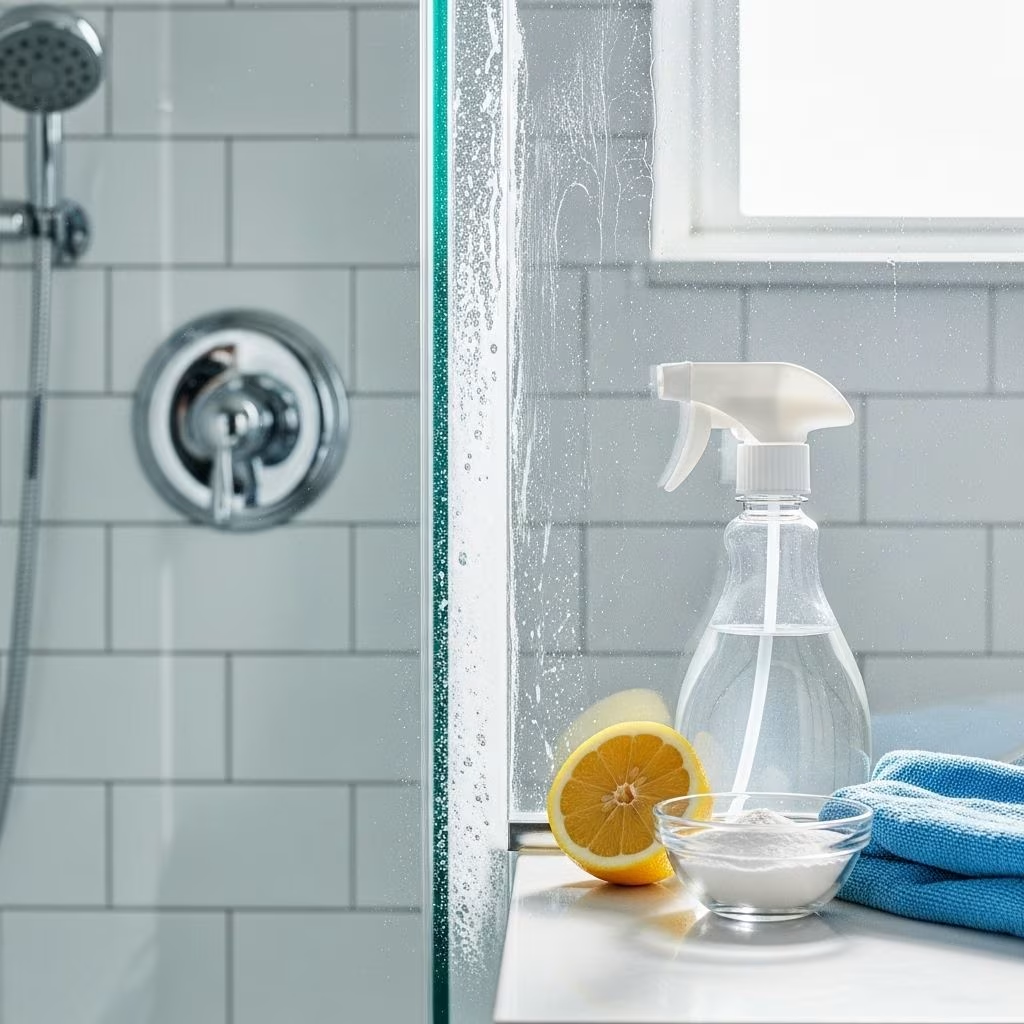
How to Remove Soap Scum: 3 Eco-Friendly Home Remedies
Soap scum is a common nuisance in bathrooms, forming unsightly residues on tiles, sinks, tubs, and fixtures. This stubborn, greasy buildup results from soap combining with hard water minerals, leaving behind a film that attracts dirt and can block drains. Commercial cleaning products often contain harsh chemicals, but natural, sustainable alternatives work just as well and protect both your bathroom surfaces and the environment. Here’s a comprehensive guide to removing soap scum effectively using eco-friendly methods, along with expert prevention tips and solutions for even the toughest spots.
What Is Soap Scum and Why Is It So Difficult to Clean?
Soap scum, sometimes referred to as soap residue, is formed when fatty acids in soap mix with minerals like calcium and magnesium found in water. Over time, these compounds create a persistent film on shower walls, glass, ceramic sinks, and bathtubs that clings to the surface and can be difficult to remove. When combined with body oils, dirt, and hair, this residue not only mars the look of your bathroom but can also contribute to clogged drains.
Prevention: Simple Habits to Keep Soap Scum at Bay
- Dry Surfaces Regularly: After each shower or bath, use a squeegee or a cotton towel to dry glass surfaces, tiles, and fixtures. Moisture encourages soap scum formation; keeping surfaces dry minimizes buildup.
- Ventilate the Bathroom: Ensure proper airflow by opening a window or using an exhaust fan. Good ventilation helps surfaces dry faster.
- Choose Low-Residue Products: Switch to liquid soaps or shower gels, which typically contain fewer fatty acids than bar soaps, reducing residue formation.
- Rinse Surfaces Thoroughly: After cleaning or bathing, always rinse surfaces with clean water to remove soap traces.
1. Citric Acid and Baking Soda: The Powerful Duo for Soap Scum and Lime
Creamy white stains and rough patches on sinks, tiles, and showers are often a mix of soap scum and lime scale. Citric acid and baking soda, two natural household staples, react to break down these stubborn deposits. This method is safe for ceramics, glass, and stainless steel, making it ideal for thorough bathroom cleaning.
Step-by-Step Guide: Removing Soap Scum with Baking Soda and Citric Acid
- Prepare the Cleaning Solution: In a small bowl, combine equal parts citric acid and baking soda to create a powdery mix.
- Apply Generously: Use a brush or spoon to spread the mixture over soap scum patches in your sink, tub, or shower. Let the solution rest for a few minutes so it can penetrate the grime.
- Add Lemon Water: Fill a spray bottle with lemon water (fresh lemon juice mixed with water) and mist it onto the treated areas. The citric acid and baking soda will react, producing a gentle foam.
- Scrub and Wipe: Using a damp sponge, wipe away the foam and loosened soap scum from the surface.
- Rinse Clean: Finish by rinsing the area thoroughly with clear water to remove all residue.
- Dry: Dry the cleaned surfaces with a cotton towel to prevent any new deposits.
Tip: Citric acid and baking soda can also tackle lime deposits in kettles, coffee machines, and toilets. Their foaming reaction lifts away mineral build-up without damaging surfaces.
Table: Pros and Cons of Citric Acid & Baking Soda Cleaning
| Pros | Cons |
|---|---|
| Safe for most surfaces | Not suitable for natural stone |
| Non-toxic, eco-friendly | May require repeated applications for heavy buildup |
| Removes lime and soap scum | Strong foaming may require extra rinsing |
2. Vinegar, Water & Dish Soap: Deep Cleaning Showerheads and Fixtures
Soap scum often accumulates inside and outside showerheads and faucets, leading to stains and reducing water flow. An inexpensive mixture of vinegar, water, and mild dish soap dissolves soap residue, breaks down lime scale, and restores shine to your bathroom fixtures.
How to Deep Clean Your Showerhead
- Prepare Cleaning Bath: Fill a bucket or large bowl with equal parts water and vinegar. Add a squirt of dish soap (choose one that is biodegradable for eco-friendliness).
- Disassemble: Unscrew the showerhead and immerse it in the solution so all dirty surfaces are submerged. Allow to soak for 30 minutes to an hour.
- Clean Fixtures: Dip a cotton cloth in the solution, wring out, and use it to clean the faucet, handles, and other metal fixtures.
- Scrub if Needed: Use a soft brush or sponge to gently scrub away any remaining deposits inside the showerhead openings.
- Rinse & Reattach: Rinse showerhead and fixtures thoroughly with clean water before reattaching. For particularly stubborn spots, repeat soaking and scrubbing.
Bonus: To unclog drains blocked by soap scum and hair, pour baking soda followed by vinegar down the drain, let sit for several minutes, and rinse with hot water. This foaming action breaks down greasy buildup naturally.
3. Old Toothbrush: Tackling Stubborn Soap Scum on Tiles and Sink
Hard-to-reach corners, tile grout, and sink edges often harbor tough soap scum and grime. A soft-bristled old toothbrush is ideal for precision cleaning, letting you scrub stubborn spots with control. Always check the manufacturer’s instructions on your surfaces before using any abrasive tool, and do a patch test in an inconspicuous spot first to avoid scratching.
Detailed Method: Scrubbing with a Toothbrush
- Moisten: Wet both the toothbrush and the surface to be cleaned.
- Spot Clean: Gently scrub affected areas — grout lines, corners, and along faucet joints. The bristles will lift off the soap scum without damaging your bathroom surfaces.
- Rinse: Flow fresh water over cleaned areas to wash away residue.
- Dry: Wipe tiles and sink with a cotton cloth for a streak-free finish.
Important: For acrylic surfaces and high-gloss fixtures, use only soft toothbrushes and avoid excessive force to prevent scratches.
Extra Tips for Eco-Friendly Soap Scum Management
- Regular Maintenance: Clean shower walls, tiles, and sink at least once a week with a mild, natural solution to keep soap scum from accumulating.
- Use Microfiber Cloths: These are effective in lifting dirt and residue without needing chemical cleaners.
- Eco-Friendly Products: Opt for plant-based cleaners and avoid ammonia, bleach, or strong acids that can harm bathroom surfaces and the environment.
- Switch to Water Softeners: If hard water is a persistent problem, consider installing a water softener to reduce mineral deposits, thus minimizing soap scum.
Frequently Asked Questions (FAQs)
Q: Can I use lemon juice instead of citric acid?
A: Yes. Lemon juice is naturally acidic and works similarly to citric acid for breaking down soap scum and lime deposits, though it may be less concentrated. For tougher grime, citric acid is more effective.
Q: Will vinegar damage bathroom tiles or grout?
A: Most ceramic tiles and grout tolerate distilled white vinegar well when diluted with water. However, avoid using vinegar on natural stone (like marble or granite), as acids can etch their surfaces.
Q: How often should I clean bathroom surfaces to prevent soap scum?
A: Wipe down shower walls, tiles, and sinks after each use and perform a deep clean weekly. Drying surfaces after use is the best preventative measure.
Q: Is it safe to mix natural cleaning agents?
A: Baking soda, citric acid, vinegar, and lemon juice are all safe to mix for household cleaning as long as they are used in diluted forms and kept away from harsh chemicals like bleach.
Q: What’s the best way to remove soap scum from glass shower doors?
A: Use a spray of equal parts white vinegar and water for regular cleaning. Let sit for ten minutes, then wipe down with a squeegee or microfiber cloth.
Eco-Friendly Advantages of Avoiding Chemical Cleaners
- Reduced Environmental Impact: Natural ingredients biodegrade quickly and don’t release toxins into water systems.
- Safe for Family: Ingredients like vinegar, baking soda, and citric acid are generally non-toxic and safe for children and pets.
- Preserves Bathroom Fixtures: Natural cleaning avoids corrosion and surface damage common with commercial cleaners containing ammonia or strong acids.
Conclusion: Greener Cleaning for a Spotless Bathroom
Removing soap scum can be an easy, eco-friendly task with the right approach. Natural household remedies like citric acid, vinegar, baking soda, and simple tools such as old toothbrushes ensure a sparkling clean bathroom without risking your health or the planet. Regular prevention and gentle cleaning routines keep soap scum at bay, making chemical-laden products unnecessary. Give these methods a try and help make your home cleaner and greener, one scrub at a time.
References
- https://utopia.org/guide/soap-scum-how-to-remove/
- https://utopia.org/household/page/60/
- https://utopia.org/guide/how-to-clean-your-shower-curtain-naturally/
- https://utopia.org/tag/cleaning/page/17/
- https://utopia.org/guide/how-to-remove-hard-water-stains-throughout-your-home/
- https://utopia.org/guide/page/328/
- https://utopia.org/guide/how-to-clean-mirrors/
- https://utopia.org/guide/the-minimalists-guide-to-spring-cleaning/
- https://utopia.org/guide/clean-tiles-naturally-best-household-remedies/


