


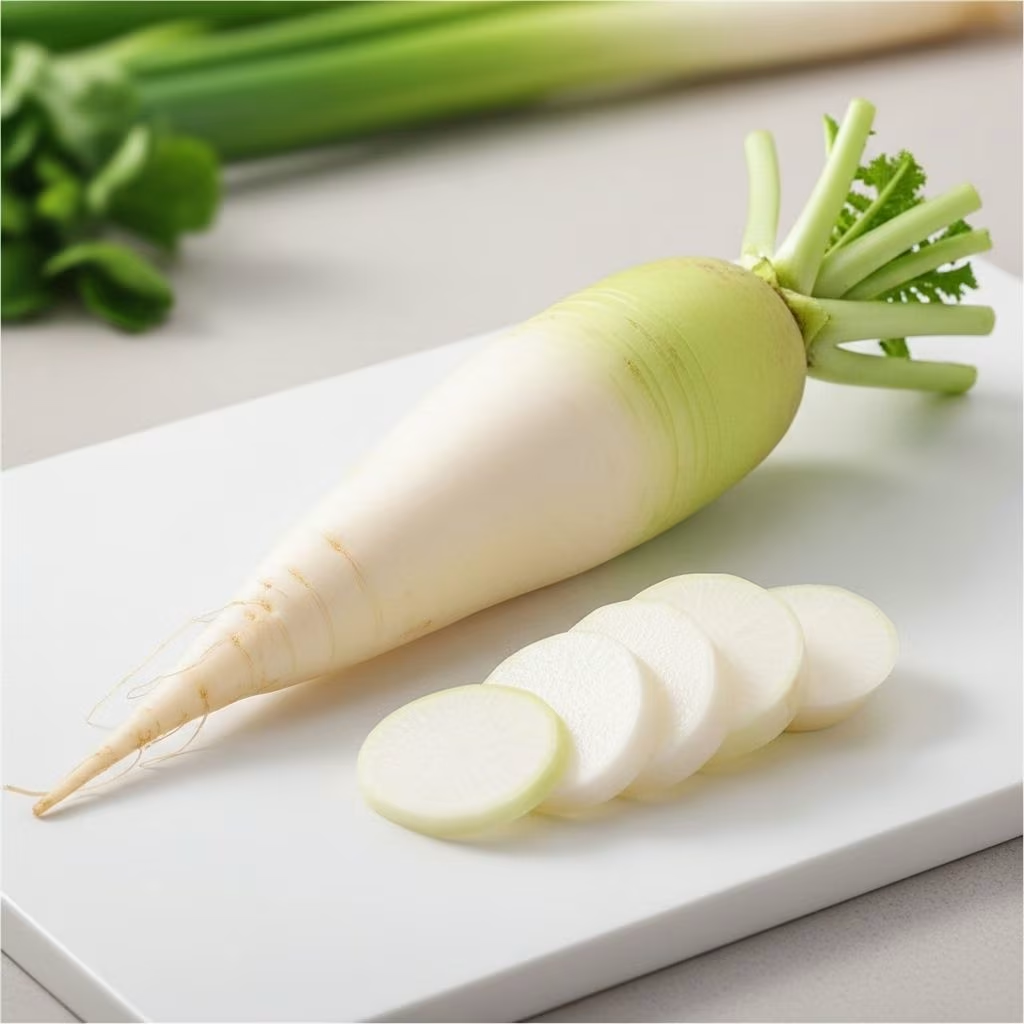
The Icicle radish, with its elegant white hue and crisp snap, is a lesser-known variety that’s making waves among gardeners and food lovers alike. Uncover its history, nutritional benefits, how it tastes, and the many ways you can use it, both in the kitchen and the garden.
What Are Icicle Radishes?
Icicle radishes (botanical name: Raphanus sativus) are a distinctive heirloom variety of radish that belong to the Brassicaceae family, which also includes cabbage, turnip, and watercress. Renowned for their elongated, slender, cylindrical roots, Icicle radishes are typically 10 to 15 centimeters (4 to 6 inches) long and have uniformly white, thin, and smooth skin.
- Other common names: White Naples, Icicle Short Top, White Italian, Lady Fingers, Long White, White Transparent.
- Type: Spring and summer radish; sometimes classified as a small daikon-type.
- Uses: Valued for both root and edible leafy greens.
History and Origin of Icicle Radish
Icicle radishes trace their cultivation back to the 17th-century “physic gardens,” where they were prized for medicinal properties. In the United States, the variety became well-known by the early 1900s, described for its thin, elegant shape and as a superior white radish. Its easy growth and resilience made it a favorite among home gardeners and market growers alike.
- The earliest seeds gained popularity in the US by 1903.
- The Icicle radish was highlighted in 1924 as one of the thinnest and longest early pure white radish types.
- Universally valued for quick growth—maturation in about 23-30 days.
Physical Characteristics
The Icicle radish stands out with its distinctive white, carrot-like shape. Here’s what makes it unique:
- Shape & Size: Cylindrical, slender root tapering to a point; typically 4-6 inches long, about 1 inch thick.
- Color: Bright white, smooth, and firm skin. Sometimes presents faint taproot hairs at the tip and may show slightly green shoulders if exposed to sun above soil.
- Flesh: Dense, white, and crunchy with a snap-like texture.
- Leafy Greens: Edible, with a grassy and sometimes slightly pungent flavor.
Taste and Flavor Profile
Icicle radishes are renowned for their uniquely mild flavor and crisp, juicy texture. Their taste profile varies depending on preparation:
- Raw: Mild, less spicy than red globe radishes; crisp and refreshing with subtle peppery, earthy, and tangy undertones.
- Cooked (roasted, sautéed, boiled): The flavor becomes milder and slightly sweet, with the texture softening to tender and less pungent. Cooking eliminates most of the typical ‘bite’ common in other radish varieties.
- Greens: Offer a slightly pungent, grassy herbaceous taste that can add flavor to salads, pesto, and stir-fries.
This adaptability makes the Icicle radish a sought-after ingredient in both raw and cooked dishes, especially for those sensitive to strong, peppery radish flavors.
Comparison Table: Icicle Radish vs. Common Radish Varieties
| Variety | Color | Length | Flavor | Texture |
|---|---|---|---|---|
| Icicle Radish | White | 4-6 in (10–15 cm) | Mild, subtle, slightly peppery | Crisp, juicy, tender when cooked |
| Red Globe Radish | Red | 1-2 in (2–5 cm) | Bolder, more peppery | Crunchy, sometimes dry |
| Daikon | White | 6–14 in (15–35 cm) | Mild, sometimes sweet | Crisp, juicy |
Nutritional and Health Benefits
Like many members of the Brassicaceae family, Icicle radishes offer an impressive range of nutrients in a low-calorie package:
- Low in calories: Ideal for weight management and healthy snacking.
- Rich in Vitamin C: Supports immune function, skin health, and antioxidant protection.
- Good source of potassium: Important for heart health and maintaining fluid balance.
- Fiber: Contributes to good digestion and supports gut health.
- Contains phytochemicals: Such as glucosinolates, which have potential cancer-fighting properties (as found in other brassicas).
- Edible greens add extra vitamins A, K, and folate.
Potential Health Benefits
- Supports detoxification: Compounds in radishes may assist liver function and help flush toxins.
- Anti-inflammatory effects: May support inflammation reduction.
- Hydration: High water content keeps you refreshed, especially in warmer months.
- Digestive aid: Fiber encourages healthy bowel movements.
- Blood pressure management: Potassium supports heart and blood vessel function.
While specific studies on Icicle radishes are limited, their nutritional value aligns closely with other well-studied radish types and cruciferous vegetables.
Culinary Uses and Recipes
The culinary versatility of the Icicle radish stems from its mildness and crispness. It’s as delicious eaten raw as it is roasted or sautéed:
Raw Uses
- Salads: Slice or julienne for extra crunch and mild pepper notes in green salads, slaws, or grain bowls.
- Crudités: Pair with dips like hummus or yogurt for a refreshing snack.
- Pickles: Quick-pickle sliced roots with vinegar, salt, and spices for a zesty condiment.
- Garnish: Decorate sushi, open sandwiches, or canapés.
Cooked Uses
- Roasted: Brings out subtle sweetness and tender texture. Toss with olive oil and roast alongside carrots and potatoes.
- Sautéed: Sliced and sautéed with butter or oil as a savory side. Flavor mellows significantly.
- Soups and stews: Add diced Icicle radish near the end of cooking for a delicate, turnip-like addition.
Edible Greens
- Salads: Mix in young, tender leaves for a peppery accent.
- Pesto: Blend with nuts, garlic, and olive oil for a unique take on pesto.
- Stir-fries or sautés: Use as you would mustard or turnip greens.
Recipe Inspiration: Simple Roasted Icicle Radish
Ingredients:- 2 cups Icicle radishes, trimmed and halved- 1 tablespoon olive oil- Salt and pepper, to taste- Chopped fresh herbs (optional)Directions:1. Preheat oven to 400°F (200°C).2. Toss radishes with olive oil, salt, and pepper.3. Spread in a single layer on a baking tray.4. Roast for 20–25 minutes, stirring halfway, until tender and lightly browned.5. Garnish with fresh herbs before serving.Growing Icicle Radish: Gardening Guide
Icicle radishes are ideal for gardeners of all levels due to their quick growth and resilience:
- Sowing: Direct seed outdoors 4 weeks before the last frost, 1/2 inch deep, spacing seeds 1 inch apart.
- Growth cycle: Matures in about 23–30 days; very fast-growing, suitable for succession planting for continuous crops.
- Seasons: Best in cool spring or fall; can be grown in most climates year-round or with peak harvests in spring and summer.
- Soil: Prefers fertile, well-draining soil; do not overwater to prevent root splitting.
- Companion planting: Useful as a natural deterrent to squash bugs when planted with pumpkins or squash.
- Pest resistance: Naturally pest-resistant and avoids becoming pithy with age, unlike many radishes.
Harvesting and Storage
- Harvest: When roots are 4-6 inches long and still crisp (do not let overgrow or will become woody).
- Storage: Remove greens after harvest; store roots in the fridge for up to two weeks.
Storage and Preservation Tips
- For best texture, separate greens from roots before refrigerating.
- Unwashed roots can be stored in a plastic bag or sealed container with a paper towel to wick moisture.
- Radish greens should be used within a few days, as they quickly wilt.
- For longer shelf life, consider quick pickling or fermenting the roots.
Frequently Asked Questions (FAQs)
Q: What makes Icicle radish different from regular red radishes?
A: Icicle radish is elongated, white, and milder in flavor. Its texture is crisp and less pungent than common red globe radishes.
Q: Are Icicle radishes good for raw eating?
A: Yes, their mild peppery taste and crunchy texture make them excellent for salads or as a fresh snack.
Q: Can you eat Icicle radish greens?
A: Absolutely, the leafy tops are edible and nutritious, suitable for salads, sautés, or pesto.
Q: How long do Icicle radishes take to mature?
A: They typically reach maturity in 23–30 days after sowing, making them one of the fastest garden radish crops.
Q: Are Icicle radishes as nutritious as other radishes?
A: Yes, they offer comparable vitamins, fiber, and minerals, with the bonus of being lower in harsh spicy compounds.
Conclusion
The Icicle radish is a charming, underappreciated variety with much to offer: quick growth, mild and refreshing taste, crisp texture, and flexible kitchen uses. Its unique look and easy-growing nature make it a smart choice for both gardeners and adventurous cooks. Whether you seek a delicate addition to salads or a crunchy, peppery snack, the Icicle radish provides a flavorful, healthy, and versatile option.
References
- https://specialtyproduce.com/produce/Icicle_Radish_416.php
- https://naturesproduce.com/encyclopedia/icicle-radish/
- https://specialtyproduce.com/produce/Icicle_Radish_14682.php
- https://growhoss.com/products/white-icicle-radish
- https://organorepublic.com/blogs/growing-guides/radish-white-icicle
- https://ferrymorse.com/products/organic-radish-icicle-short-top
- https://www.ufseeds.com/product/white-icicle-radish-seeds—5-pounds/RAWI-5-pounds.html
- https://en.wikipedia.org/wiki/Daikon
- https://wendysgarden.com.au/product/radish-white-icicle-keeps-its-great-flavour-no-matter-how-big-it-gets/
- https://migardener.com/products/whiteicicle-radish


