


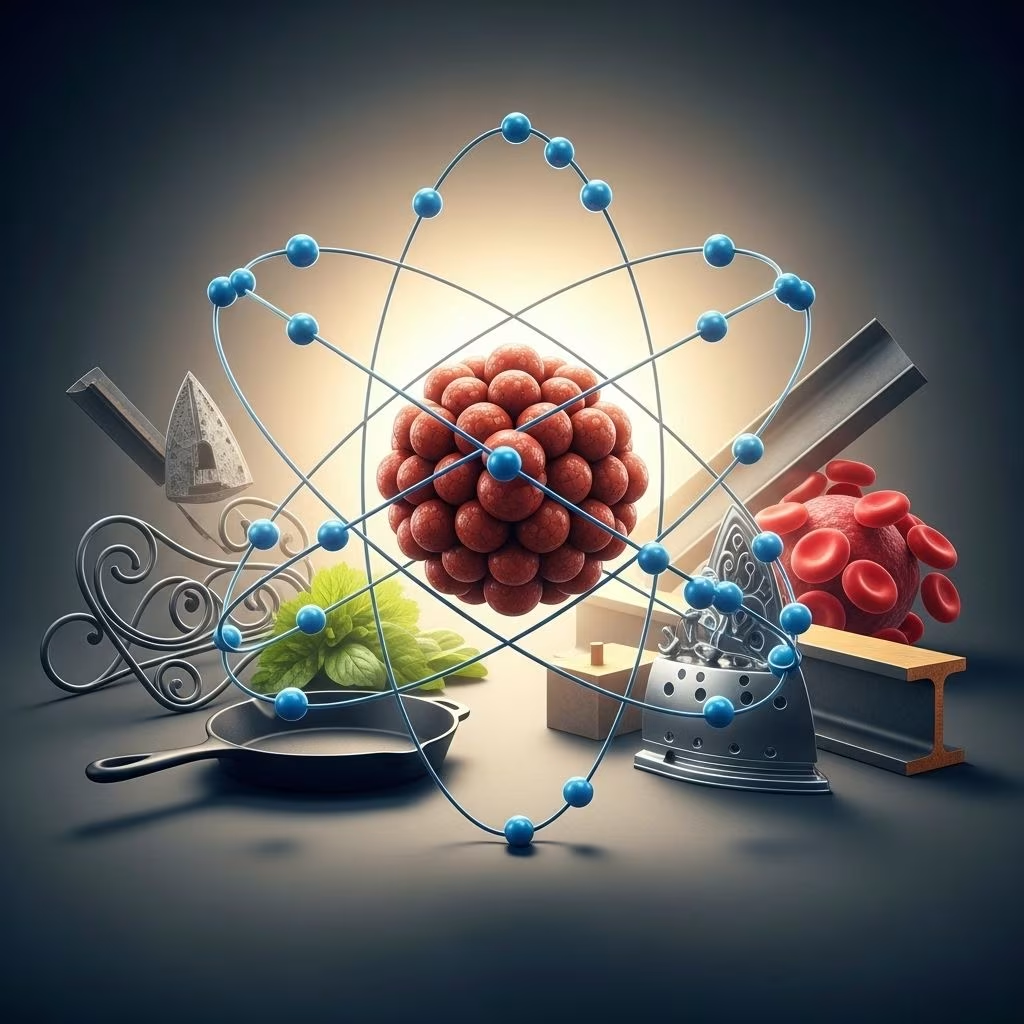
Iron, known by its Latin name ferrum and chemical symbol Fe, is a foundational element for life, technology, and industry. This comprehensive guide provides an in-depth exploration of iron’s nature, its physical and chemical properties, why it is vital for health, the broad scope of its industrial and biological applications, and even the curious experience of its taste.
Introduction to Iron (Ferrum)
Iron is a chemical element with the symbol Fe (from Latin ferrum) and atomic number 26. It is a metal belonging to Group 8 (formerly VIIIb) of the periodic table and is a transition element. Iron is distinguished by:
- Being the most widely used and least expensive metal
- Playing a pivotal role in history, especially in the Industrial Revolution
- Serving as an essential element for both technological progress and biological life
Its importance is captured both in the tools and infrastructure we use and within every living cell, where it facilitates the movement of oxygen and metabolic reactions.
Physical and Chemical Properties of Iron
Basic Properties
| Property | Value |
|---|---|
| Chemical Symbol | Fe |
| Atomic Number | 26 |
| Atomic Mass | 55.85 g/mol |
| Physical State | Solid (at room temperature) |
| Color | Silver-grey, lustrous |
| Density | 7.86 g/cm³ (at 20°C) |
| Melting Point | 1,538 °C (2,800 °F) |
| Boiling Point | 3,000 °C (5,432 °F) |
Chemical Characteristics
- Lustrous, ductile, and malleable: Iron can be stretched and shaped without breaking.
- Reacts with oxygen and moisture: Forms rust (hydrated ferric oxide), a reddish-brown flaky material
- Variable oxidation states: Most common are +2 (ferrous, Fe²⁺) and +3 (ferric, Fe³⁺); higher states are rare
- Magnetic properties: Pure iron is one of the most magnetic of all elements (ferromagnetic)
- Electron configuration: [Ar] 3d6 4s2
Iron also forms complex compounds, including oxides, sulfides, and organometallics like ferrocene. Its ability to bond in multiple ways makes it a cornerstone of both organic and inorganic chemistry.
Occurrence and Extraction of Iron
Iron is the fourth most abundant element in the Earth’s crust, and the tenth most abundant in the universe. It is found in:
- Earth’s Core: The core is primarily composed of molten iron and some nickel, making it essential to Earth’s magnetic field.
- Ores: Chiefly hematite (Fe2O3) and magnetite (Fe3O4), along with goethite, siderite, and limonite.
- Mineral Deposits: Mined worldwide from vast deposits primarily in Australia, Brazil, China, and Russia.
- Lithosphere and Biosphere: Trace amounts present in soil, water, plants, and all living organisms.
Extraction Process
Iron is mainly obtained from its ores by reduction smelting in blast furnaces. The process extracts elemental iron by heating ore with a reducing agent like coke and limestone. The resulting molten iron can be cast or further processed into steel and alloys.
Biological Role and Benefits of Iron
Iron in the Human Body
Iron is critical for life—no organism can survive without it. In the human body, it is fundamental to multiple biological functions:
- Oxygen Transport: Iron is a central component of hemoglobin in red blood cells and myoglobin in muscles, proteins responsible for carrying and storing oxygen.
- Enzyme Function: It acts as a cofactor for enzymes involved in energy production, DNA synthesis, and detoxification.
- Cellular Respiration: Facilitates mitochondrial activity, allowing cells to produce the energy required for survival.
- Immune Function: Essential for immune cell proliferation and activity.
- Brain Health: Supports cognitive development and neurotransmitter synthesis.
Daily Iron Requirements
| Group | Recommended Dietary Allowance (mg/day) |
|---|---|
| Adult Men (19–50+) | 8 mg |
| Adult Women (19–50) | 18 mg |
| Pregnant Women | 27 mg |
| Children (1–13) | 7–10 mg |
*Values vary slightly by country and health authority.*
Benefits of Iron
- Prevents anemia: Essential in producing healthy red blood cells.
- Boosts energy and stamina: Prevents fatigue and enhances performance.
- Ensures normal immune response: Fights infections and promotes wound healing.
- Supports cognitive function: Memory, concentration, and learning all rely on sufficient iron.
- Offers antioxidant effects: Helps counteract damaging molecules (free radicals) in cells.
Insufficient iron intake can lead to deficiency syndromes, while excess can be toxic, highlighting the importance of balanced iron levels.
Industrial and Everyday Uses of Iron
Without iron, modern civilization would not exist as we know it. Its uses range from ancient tools to contemporary technology, making it one of the world’s most indispensable materials.
Major Industrial Uses
- Construction and Manufacturing: Utilized in bridges, buildings, ships, vehicles, and machinery. Almost all steel is based on iron alloys, representing the backbone of infrastructure.
- Automotive and Transportation: Critical in automobile bodies, railways, shipbuilding, and aerospace components.
- Electronics and Magnetics: Used in electrical appliances, transformers, and the cores of electromagnets due to its strong ferromagnetic properties.
- Alloying Agent: Mixed with carbon and other elements to make steels and specialty alloys, optimizing strength, durability, and resistance properties.
- Industrial Catalysis: Employed as a catalyst in ammonia synthesis (Haber process), petrochemicals, and environmental filters.
- Pigments and Polishes: Compounds like ferric oxide are used for pigments (paints, cosmetics, Venetian red) and as abrasives (jewelers’ rouge).
Other Practical Uses
- Household Products: Utensils, cookware, garden tools, gates, and fixtures commonly contain iron or steel.
- Medicine and Supplements: Ferrous sulfate and other iron salts are used to prevent and treat iron-deficiency anemia.
- Water Treatment: Iron compounds assist in purifying drinking water and treating wastewater.
The Taste of Iron: What Does It Taste Like?
Iron, although not typically consumed in its metallic form, is well-known for its distinct taste—often described as metallic or reminiscent of blood. This is due primarily to iron ions interacting with proteins and acids found in saliva and foods.
- Metallic Flavor: Tasting pure iron or iron-containing water has a characteristic metallic tang that most people can detect at low concentrations.
- Blood-like: Because blood contains hemoglobin (rich in iron), the taste is often compared to the smell or flavor of blood.
- Iron in Food: Foods rich in iron, such as red meats or spinach, rarely taste of metal—the metallic taste is most apparent in iron supplements or tap water with high iron content.
The taste is generally considered unpleasant at high concentrations but unnoticeable at dietary levels.
Health Implications: Deficiency and Toxicity
Iron Deficiency
Iron deficiency (hypoferremia) is the most common nutritional deficiency worldwide, leading to the condition known as iron-deficiency anemia. Symptoms include:
- Fatigue and weakness
- Pale skin and shortness of breath
- Rapid heartbeat
- Headaches and dizziness
- Cognitive and physical developmental delays in children
At-risk groups include women of childbearing age, children, pregnant women, and individuals with chronic diseases or poor diets.
Iron Toxicity
Although essential, excessive iron intake can cause toxicity. Hemochromatosis is a genetic disorder marked by excessive iron absorption, leading to damage in organs like the liver, heart, and pancreas. Acute iron poisoning can also result from ingesting large amounts of iron supplements, particularly in children.
Symptoms of toxicity include:
- Stomach pain and vomiting
- Joint pain and fatigue
- Liver and heart dysfunction
- Diabetes (in chronic cases)
Proper diagnosis and medical supervision are essential in managing iron-related disorders. The balance is crucial—neither deficiency nor excess is safe.
Interesting Facts about Iron
- Ancient Discovery: Iron has been used since ancient times, notably lending its name to the Iron Age (starting ~1200 BCE).
- Origin in Stars: Most iron on Earth was formed in stars and supernovae, making it a cosmic element.
- Meteorite Iron: Early metal tools were fashioned from iron meteorites before smelting was developed.
- Magnetite Mystery: Magnetite, an iron ore, is naturally magnetic and was key to early compasses.
- Versatile Compounds: Iron produces colorful and functional compounds; rust (hydrated iron oxide) is iconic, while others are bright green, yellow, or purple.
Frequently Asked Questions (FAQs)
Q: Why is iron called ‘ferrum’?
A: ‘Ferrum’ is the Latin name for iron. The modern chemical symbol ‘Fe’ for iron is derived from this Latin root.
Q: What foods are the richest in iron?
A: The most iron-rich foods include red meat (especially liver), poultry, fish, legumes, spinach, and iron-fortified cereals.
Q: Why can water sometimes taste metallic?
A: Water can have a metallic or iron-like taste when it contains elevated levels of dissolved ferrous or ferric iron, usually due to plumbing or natural mineral deposits.
Q: How does iron prevent anemia?
A: Iron helps form hemoglobin, the protein that carries oxygen in red blood cells. Without enough iron, hemoglobin production drops, leading to anemia.
Q: Are iron utensils safe to use in cooking?
A: Yes, using iron cookware is safe and can even add small amounts of iron to food, which may help in meeting dietary needs—especially if using acidic foods that leach iron.
Q: Why do some people experience a metallic taste when taking supplements?
A: Iron supplements often leave a metallic aftertaste due to the direct presence of easily ionized iron, unlike most iron naturally found in foods.
Q: What are common signs of iron overdose?
A: Signs include nausea, vomiting, abdominal pain, and, in severe cases, organ failure. Immediate medical help is necessary in suspected overdose cases.
This article offers an overview for educational purposes. For individual health advice, consult a healthcare professional.
References
- https://en.wikipedia.org/wiki/Iron
- https://byjus.com/chemistry/iron/
- https://www.britannica.com/science/iron-chemical-element
- https://pubchem.ncbi.nlm.nih.gov/compound/Iron
- https://www.labxchange.org/library/items/lb:LabXchange:cfef38ce:html:1
- https://pubchem.ncbi.nlm.nih.gov/element/Iron
- https://periodic.lanl.gov/26.shtml
- https://periodic-table.rsc.org/element/26/iron
- https://www.juliantrubin.com/patents/chemistry/elements/iron.html


