


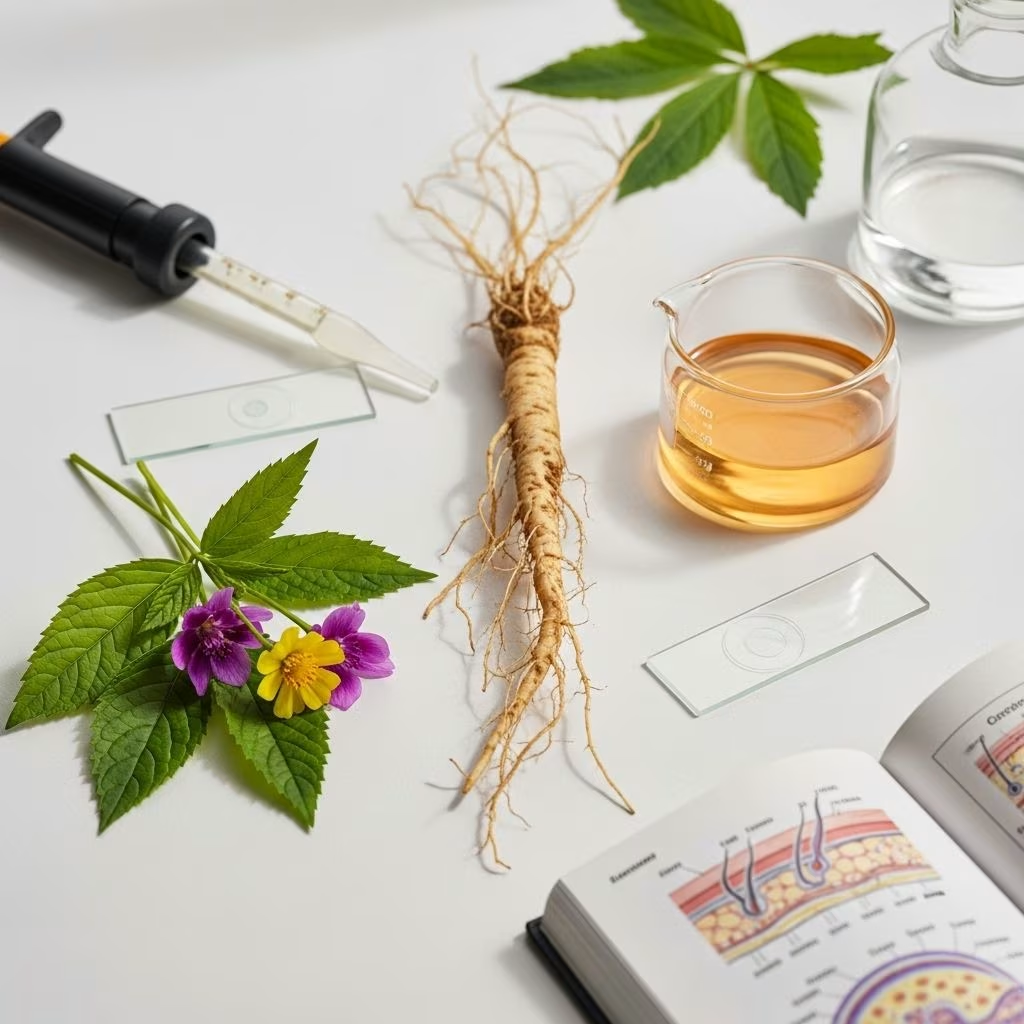
Isatis root extract, derived from species such as Isatis indigotica and Isatis tinctoria (commonly known as woad), is increasingly recognized in modern skincare for its diverse dermatological benefits. Traditionally prominent in East Asian and European herbal medicine, Isatis is lauded for its anti-inflammatory, antioxidant, and anti-aging properties. This comprehensive guide explores the current scientific understanding of Isatis root extract—including its skin benefits, modes of use, safety profile, and frequently asked questions—to deliver a balanced and informative resource for consumers and professionals alike.
Introduction to Isatis Root Extract
Isatis root extract is obtained from the root of plants in the Isatis genus, primarily Isatis indigotica and Isatis tinctoria. These plants have been extensively used in Traditional Chinese Medicine (TCM) and European phytotherapy to treat skin infections, inflammation, and as immune modulators. Modern interest has shifted toward their potential in topical skin formulations due to the rising demand for natural and effective dermatological agents.
Beyond its traditional uses, Isatis root extract is often incorporated into creams, serums, and emollients aimed at improving skin health, addressing irritation, and combating visible signs of aging.
Composition and Active Constituents
Isatis root extract contains a diverse range of bioactive compounds that contribute to its dermatological effects. Key constituents include:
- Indirubin and Indican: Pigments contributing to anti-inflammatory and antimicrobial activity.
- 3,4,5-Trimethoxycinnamic Acid: Identified as a principal component with anti-wrinkle capabilities through antioxidant action.
- Tryptanthrin: Exhibits anti-inflammatory and antibacterial properties.
- Alkaloids, Phenolics, and Flavonoids: Potent antioxidants supporting skin’s protection against environmental stressors.
Skin Benefits of Isatis Root Extract
Scientific research highlights numerous advantages of incorporating Isatis root extract into skincare routines. The main skin benefits include:
1. Anti-Aging and Anti-Wrinkle Effects
- Clinical trials suggest that Isatis indigotica leaf extract can significantly reduce wrinkle formation and skin roughness after 8 weeks of use in topical preparations.
- The extract downregulates enzymes (matrix metalloproteinases) involved in skin aging while promoting collagen-supportive cytokines.
- Enhancement ratios for wrinkle reduction in key areas reached up to 42.6% in clinical assessments, indicating substantial improvement over placebo.
2. Antioxidant Properties
- Isatis root extract exhibits high free radical scavenging activity, protecting skin from oxidative stress by neutralizing damaging molecules.
- Regular use may help counteract environmental factors that contribute to premature skin aging, such as pollution and UV light.
3. Anti-Inflammatory and Soothing Effects
- The extract significantly inhibits expression of pro-inflammatory cytokines (messenger molecules triggering inflammation), thus assisting with irritated, itchy, or inflamed skin.
- In both in vivo (animal) and in vitro (cell culture) models, Isatis extracts reduced swelling, redness, and allergic responses, supporting its use against dermatitis and eczema.
- In human keratinocyte cultures, Isatis extract curbed inflammatory mediator release—suggesting practical synergy in topical products for sensitive skin types.
4. Relief from Itchy and Scaly Skin
- Traditional and contemporary uses include the treatment of scaly, rough, or pruritic (itchy) skin conditions, with anecdotal and research support for symptom relief.
Uses & Applications in Skincare
Isatis root extract is available in an array of skincare formulations. Its versatility allows for inclusion in various product formats:
| Formulation | Primary Purpose |
|---|---|
| Face Creams & Serums | Anti-aging, wrinkle reduction, skin soothing |
| Lotions & Emollients | Moisturizing, anti-inflammatory for irritated or dry skin |
| Medicated Ointments | Adjunct in managing eczema, dermatitis, and allergic skin reactions |
| Sheet Masks | Short-term antioxidant and anti-redness treatments |
Standardized extracts (such as petroleum ether fractions) are sometimes preferred to maximize consistency and efficacy, especially in dermatological products meant for sensitive skin.
Evidence from Scientific Research
Recent studies provide a robust foundation for the dermatological use of Isatis root extract:
- Anti-Wrinkle Clinical Trial: A controlled eight-week study found that participants applying an Isatis extract-infused cream experienced notable reductions in wrinkle depth and skin roughness compared to placebo, with statistically significant improvements evident as early as four weeks and continuing through the study duration. The principal mechanism is believed to be a reduction in oxidative damage and modulation of inflammatory enzymes.
- Anti-Inflammatory Animal Model: In a contact hypersensitivity (allergic dermatitis) mouse model, topical Isatis extract significantly reduced ear swelling, edema, and immune cell infiltration relative to untreated controls. Similar anti-inflammatory effects were observed in cultured human skin cells, supporting potential clinical relevance.
- Traditional and Empirical Support: Isatis-based topical remedies have long been used for scaly, itchy, or inflamed skin, providing empirical background for their modern dermatological use.
Potential Side Effects & Safety Considerations
While Isatis root extract enjoys a positive safety profile in most studies and traditional contexts, several important considerations must be noted:
- Topical Tolerability: In clinical and animal studies, topical Isatis extract generally showed low potential for irritation or sensitization at recommended dosages. However, sensitive individuals should perform a patch test prior to widespread use.
- Allergic Reactions: Rare cases of hypersensitivity (redness, itching, rash) may occur, particularly in those allergic to plants in the Brassicaceae family.
- Long-Term Use: Comprehensive safety studies for extended use on compromised or broken skin are limited; caution is advised for those with serious dermatological conditions pending further research.
- Internal Use: This guide focuses on external (topical) use. Orally administered Isatis preparations may have different safety considerations and interact with medications, so medical supervision is advised if used systemically.
- Pediatric and Pregnancy Use: Evidence in children, pregnant, or lactating individuals is limited. Seek professional medical advice before use in these populations.
Comparison: Isatis Root Extract vs. Other Natural Skin Extracts
| Extract | Main Benefits | Common Uses | Potential Side Effects |
|---|---|---|---|
| Isatis Root Extract | Anti-inflammatory, antioxidant, anti-wrinkle | Wrinkle creams, soothing lotions | Low; possible mild irritation |
| Centella Asiatica | Wound healing, anti-inflammatory | Moisturizers, scar care | Very low |
| Green Tea Extract | Antioxidant, UV protection | Day creams, reparative serums | Rare sensitivity |
| Chamomile | Soothing, anti-redness | Calming formulations | Rare allergy |
Frequently Asked Questions (FAQs)
Q: What are the main skin benefits of Isatis root extract?
Isatis root extract is best known for its anti-inflammatory, anti-wrinkle, and antioxidant effects, offering relief from irritation, reducing visible signs of aging, and supporting overall skin wellness.
Q: Is Isatis root extract safe for sensitive skin?
Yes, most users tolerate it well, though individuals with sensitive skin should always perform a patch test before first-time use and discontinue application if any redness or discomfort develops.
Q: Can Isatis root extract be used alongside other actives?
Isatis extract is generally compatible with common skin actives like hyaluronic acid, niacinamide, and centella asiatica. Avoid mixing with strong acids or retinoids unless directed by a professional to minimize sensitivity risk.
Q: Does Isatis root extract lighten skin?
While not primarily a skin-lightening agent, its anti-inflammatory and antioxidant properties may contribute to a brighter, more even-toned complexion over time by reducing redness and environmental dullness.
Q: Are there any contraindications for Isatis root extract?
It should generally be avoided by those with known plant allergies to the Brassicaceae family and in populations lacking safety data (children, pregnant/nursing individuals) unless under professional guidance.
Conclusion
Isatis root extract stands out as a promising natural agent for skin health, with solid evidence supporting its anti-aging, anti-inflammatory, and soothing properties. While side effects are rare, consumers should remain vigilant for possible reactions and prioritize patch testing. Ongoing research and clinical adoption will likely clarify its long-term dermatological role, but current findings suggest Isatis can be a valuable addition to modern, science-backed skincare routines for those seeking gentle yet effective support for aging, irritated, or stressed skin.
References
- https://pmc.ncbi.nlm.nih.gov/articles/PMC8469237/
- https://pmc.ncbi.nlm.nih.gov/articles/PMC9137394/
- https://www.webmd.com/vitamins/ai/ingredientmono-911/isatis
- https://www.honest.com/blog/wellness/ingredients/what-is-isatis-tinctoria-root-extract/16166.html
- https://www.mskcc.org/cancer-care/integrative-medicine/herbs/isatis-root
- https://caringsunshine.com/relationships/relationship-acne-and-isatis/


