


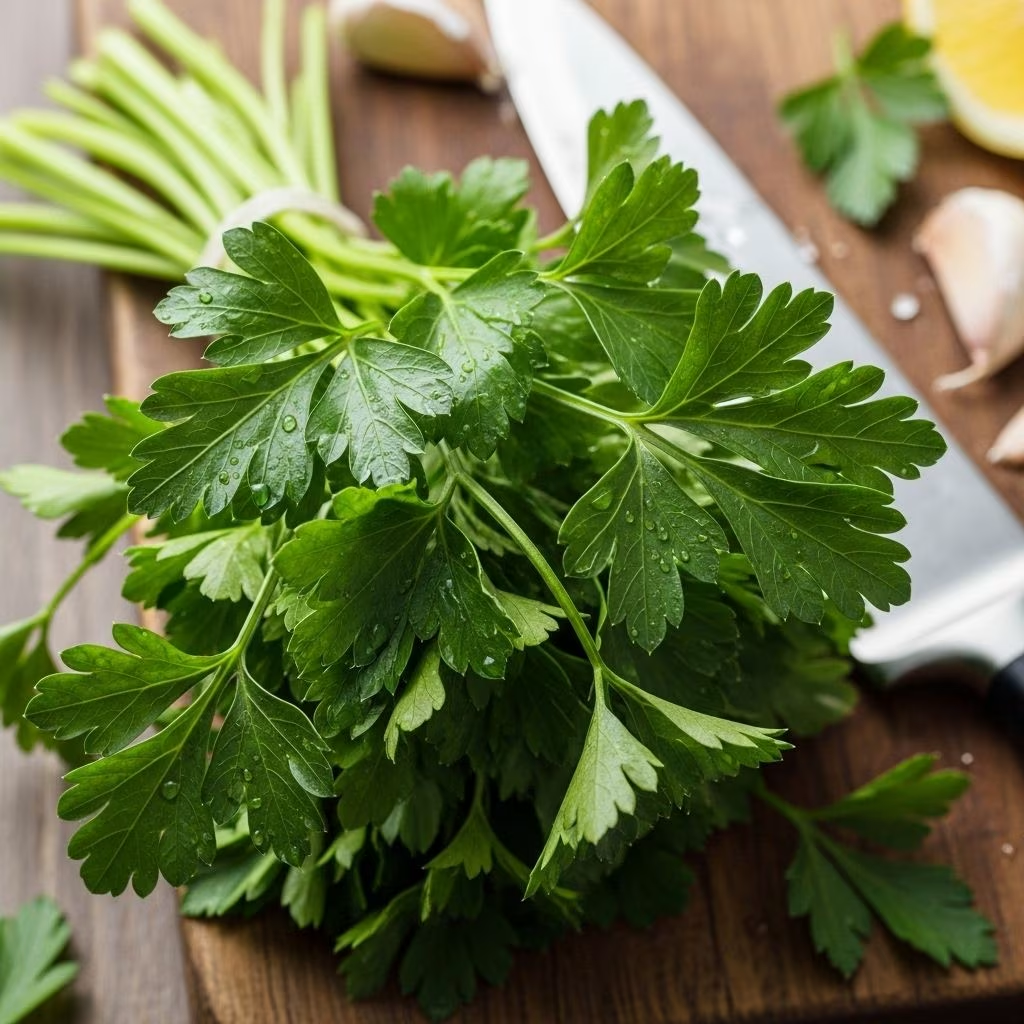
Italian parsley, commonly known as flat-leaf parsley, is a staple in cuisines worldwide for its vibrant flavor, appealing texture, and myriad health benefits. Despite being often overlooked as mere garnish, Italian parsley contributes robust taste and color to a diverse array of dishes, and its versatility has cemented its reputation beyond the realms of traditional Italian cooking. This article explores the unique characteristics of Italian parsley, its key differences from curly parsley, how and when to use it, nutritional highlights, easy substitutes, and the best tips for storage and preservation.
What is Italian Parsley?
Italian parsley (Petroselinum crispum var. neapolitanum), also called flat-leaf parsley, is a biennial herb native to the Mediterranean. It is a member of the Apiaceae family, sharing close botanical kinship with carrots, celery, fennel, and cilantro . Italian parsley is characterized by its broad, flat, and dark green leaves, supported by slender stems. Recognized for its aromatic, earthy, and slightly peppery taste, Italian parsley is favored in cooking for its ability to impart freshness and depth of flavor to both raw and cooked dishes.
- Scientific name: Petroselinum crispum var. neapolitanum
- Common names: Italian parsley, flat-leaf parsley
- Native region: Mediterranean basin
- Plant type: Herbaceous biennial (usually grown as an annual)
Italian Parsley vs. Curly Parsley: Key Differences
Parsley is available in two main varieties: Italian parsley (flat-leaf) and curly parsley. Though both types belong to the same family, they possess distinct differences in appearance, flavor, and culinary use .
| Feature | Italian Parsley (Flat-leaf) | Curly Parsley |
|---|---|---|
| Leaf shape | Flat, wide, deeply lobed | Tightly curled, frilly, bushy |
| Color | Dark green | Bright medium green |
| Flavor intensity | More pronounced, grassy, earthy, and slightly peppery | Milder, sometimes with a tang or mild bitterness |
| Texture | Soft, easy to chop, pleasant in raw and cooked dishes | Coarse, tougher; can be scratchy when raw |
| Common uses | Cooking, salads, garnish, sauces | Mainly garnish, occasional use in tabbouleh or green blends |
| Culinary preference | Favored by chefs for cooking and finishing | Traditional garnish, less favored for flavor |
While curly parsley remains a common sight as a garnish, Italian parsley is widely regarded by chefs for its superior flavor and versatility in recipes .
Italian Parsley Flavor Profile
Italian parsley’s hallmark is its fresh, earthy, grassy, and slightly peppery flavor. The herb is aromatic, less bitter than curly parsley, and brings a clean finish that brightens many dishes . Its subtle complexity—balancing notes of earth, clover, mild pepper, and a hint of citrus—makes it compatible with a variety of flavor profiles and culinary traditions.
- Raw flavor: Potent, grassy, earthy, peppery with a touch of citrus or anise.
- Cooked flavor: Mellowed, rounded, with earthiness and mild pepper remaining.
- Aroma: Herbal, reminiscent of fresh grass with a clean finish.
Because its flavor is sensitive to heat, Italian parsley is often added at the end of cooking or used fresh to preserve its aromatic qualities .
Culinary Uses of Italian Parsley
Italian parsley’s versatility extends across Mediterranean, Middle Eastern, European, and even Latin American cuisines. Far more than a green accent, it acts as a foundational flavor in numerous recipes .
Main Culinary Applications
- Garnish: Adds vibrant color and a burst of freshness to pasta, soups, meats, fish, and salads.
- Salads: Integral ingredient in tabbouleh and green salads, pairing well with lemon and olive oil.
- Sauces: Key component in sauces such as Italian gremolata, French persillade, Argentinian chimichurri, and salsa verde.
- Cooking Base: Placed in stocks, stews, marinades, and to finish risottos or legume dishes.
- Flavor Enhancement: Brightens grilled vegetables, seafood, poultry, and even hearty grains.
- Herb Mixes: Used in bouquet garni, fines herbes, and as a finishing touch on pizzas and flatbreads.
- Herb Butters and Dressings: Blended into compound butters, yogurt dips, vinaigrettes, and pesto.
Tips for Best Use
- Add chopped Italian parsley at the end of cooking or as a fresh garnish to maximize color and flavor .
- Stems, while more flavorful, can be minced and added to stocks or dishes with longer cooking times.
- For visual appeal, reserve a few whole leaves for garnishing finished dishes.
- When substituting for curly parsley, chop flat-leaf parsley more finely to match its visual texture.
- Try it in homemade herb dips, chimichurri, or mixed in savory grain bowls for a fresh boost.
Nutritional Value and Health Benefits
Beyond taste and culinary tradition, Italian parsley offers substantive nutritional benefits and has long played a role in traditional remedies. Its notable contributions include:
- Rich in vitamins: High levels of vitamin K (for bone health and blood clotting), vitamin C (immune function and antioxidant support), and vitamin A (eye health and immunity) .
- Essential minerals: Good source of folate, iron, potassium, and magnesium.
- Antioxidants: Contains apigenin, luteolin, and other flavonoids, contributing to anti-inflammatory and cellular-protective properties.
- Dietary fiber: Supports digestion and gut health.
- Low in calories: Excellent for adding flavor without significant calorie impact.
Italian parsley has also been traditionally valued for its potential to support detoxification, freshen breath, and act as a mild diuretic. While these benefits are best realized as part of a balanced diet, frequent use of fresh parsley can support overall well-being.
Easy and Effective Substitutes
When Italian parsley is unavailable, several herbs can serve as suitable substitutes, each bringing unique attributes. Consider the overall flavor profile and intended use when choosing a replacement.
| Substitute | Flavor Notes | Recommended Use |
|---|---|---|
| Curly parsley | Milder, slightly tangy | Best for garnish or in dishes where parsley isn’t the main flavor |
| Cilantro (coriander leaves) | Bright, citrusy | Excellent in Latin, Asian, and Mediterranean dishes; similar appearance but stronger flavor |
| Chervil | Mild, with light anise notes | Best in egg dishes, salads, or light sauces |
| Basil | Sweet, peppery, aromatic | Can be used in salads and pasta, but alters traditional flavor profile |
| Mint | Fresh, cooling | Works in salads or sauces where a refreshing note is desired |
| Dried parsley | Mild, less aromatic | As a last resort for cooked dishes; lacks the aroma and vibrancy of fresh parsley |
Pro Tip: When substituting, use approximately equal amounts by volume, but adjust to taste as some substitutes (such as cilantro or mint) can be more pungent than flat-leaf parsley.
Growing, Harvesting, and Storing Italian Parsley
How to Grow Italian Parsley
- Italian parsley thrives in well-drained soil with full sun to light shade exposure.
- Sow seeds directly outdoors or start indoors 4–6 weeks before the last frost.
- Keep soil moist but not soggy; thin to allow for airflow and healthy leaf growth.
- Harvest leaves as needed, cutting stems near the base—this promotes bushier regrowth.
Harvesting and Preparation
- Pick fresh Italian parsley in the morning when leaves are at their most aromatic.
- Rinse thoroughly—flat leaves are easier to clean than curly varieties .
- Use paper towels or a salad spinner to dry before storage or chopping.
Storage Tips
- Refrigerator: Store washed, fully dried parsley in a perforated plastic bag or wrapped in a damp paper towel inside a container in the fridge for up to 1–2 weeks.
- Freezing: Chop and freeze parsley in an airtight bag or covered ice cube trays with a splash of water or olive oil for longer storage.
- Drying: Hang in small bunches out of direct sunlight, or use a dehydrator. Note that dried parsley has a milder flavor and should be used early in cooking, not as a garnish.
Frequently Asked Questions (FAQs)
What is the main difference between Italian parsley and curly parsley?
Italian parsley (flat-leaf) offers a more robust, earthy, and peppery flavor than the milder, often decorative curly parsley. Chefs prefer flat-leaf for its flavor and ease of chopping, while curly parsley is popular primarily as a garnish.
Can you cook Italian parsley, or is it best used raw?
Italian parsley can be used both raw, for maximum freshness and vibrancy, or added toward the end of cooking. Prolonged cooking diminishes its bright aroma and taste. Add freshly chopped parsley as a final finish to retain its crisp flavor.
Is it possible to use curly parsley instead of Italian parsley in a recipe?
Yes, curly parsley makes a suitable substitute for Italian parsley in most cases, especially as a garnish. However, expect a milder flavor and slightly different texture; use about the same quantity and finely chop it for best results.
Are Italian parsley stems edible and flavorful?
Absolutely. Italian parsley stems are edible and even more flavorful than the leaves. Add chopped stems to broths, stews, stocks, or when sautéing aromatics.
How do you tell Italian parsley from cilantro at the store?
Italian parsley and cilantro have similar flat, green leaves, but parsley’s leaves are more deeply lobed and less delicate. Crush a leaf: cilantro has a distinct, sharp aroma, while parsley’s scent is grassy and herbal.
What other herbs can be combined with Italian parsley?
Italian parsley pairs excellently with basil, mint, chives, dill, oregano, and thyme. It’s integral to classic herb blends such as bouquet garni and fines herbes.
Is Italian parsley good for health?
Yes. It offers significant amounts of vitamins K, A, and C, as well as antioxidants that support immune health, bone strength, and overall cellular function.
Conclusion
Italian parsley, or flat-leaf parsley, is a flavorful and indispensable culinary herb. Distinguished by its fresh, earthy taste and versatility, it’s beloved by chefs and home cooks alike for elevating dishes in a natural, unpretentious way. Whether as a garnish, salad ingredient, or sauce enhancer, this vibrant herb is as nutritious as it is flavorful. With practical substitutes and ease of cultivation, Italian parsley earns its place as a kitchen essential around the globe.


