


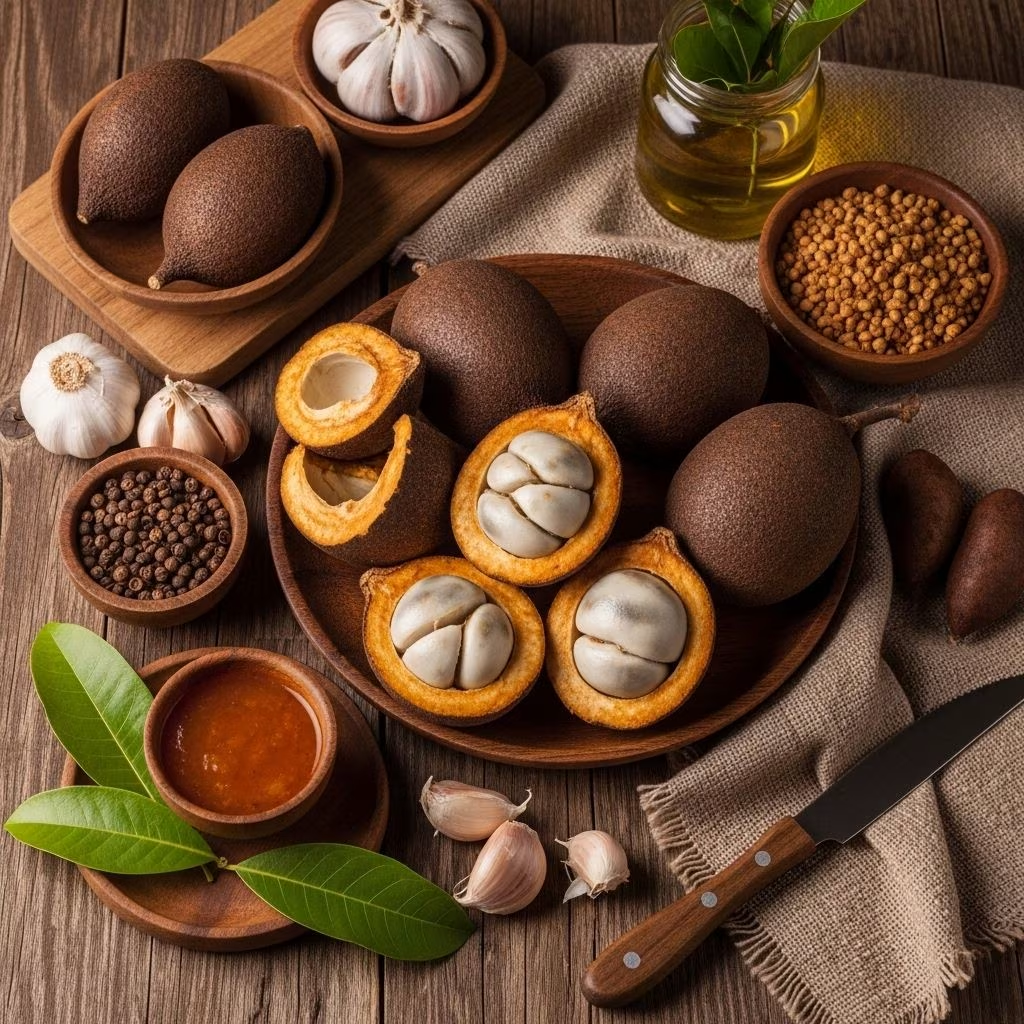
Jatoba fruit, widely known as stinking toe, is an iconic ingredient of Caribbean and South American cuisine. Its nutty, milky flavor and dramatic appearance make it both a conversation starter and a nutrient-packed superfood. This comprehensive guide will introduce the most popular jatoba recipes, essential cooking techniques, and answer common questions about preparing and enjoying this unique fruit.
Introduction to the Jatoba Fruit (Stinking Toe)
Stinking toe is the common name for the pod-like fruit produced by the West Indian Locust tree (Hymenaea courbaril), known as jatoba in Brazil. Its distinctive nickname comes from the pod’s toe-like shape and the pungent aroma released when its hard outer shell is cracked open. Despite the odor, the dry pulp inside delivers a surprisingly pleasant taste reminiscent of dried milk, parmesan cheese, and herbs.
Stinking toe grows wild throughout the Caribbean, Central America, and South America. Children often forage the pods and eat the pulp raw; however, most culinary uses involve cooking, blending, or baking the fruit’s floury flesh into sweet or savory dishes.
Nutritional Benefits of Jatoba Fruit
The jatoba fruit pulp is more than just a flavor experience; it’s also a source of significant nutrition:
- High fiber content aids digestion and can help support a healthy gut.
- Rich in complex carbohydrates, offering sustained energy release.
- Moderate protein and trace minerals, including calcium, magnesium, and potassium.
- Traditionally believed to provide health benefits such as boosting energy, supporting the immune system, and even acting as an aphrodisiac.
Although scientific studies on jatoba’s medicinal properties are limited, its importance in folk medicine and Caribbean diets is undeniable.
Preparation Techniques: How to Crack and Clean Stinking Toe
Correctly preparing stinking toe is essential for the best results in recipes. Here’s a step-by-step guide:
- Select a ripe stinking toe pod. The exterior should be hard and dry.
- Crack the shell. Use a hammer or heavy object to strike the narrow end until the pod splits open.
- Remove the dry pulp. With your fingers, flake out the flour-like fruit from the shell. Be careful to separate the large seeds, which are not consumed.
- Break apart the pulp as needed. Crush or crumble any clumps for easier mixing within recipes.
The process is simple but may require some force due to the hardness of the shell. The pulp can be used fresh or dried for various recipes.
Best Jatoba Recipes
Discover the region’s favorite ways to enjoy stinking toe, from breakfast cereals to energizing drinks and traditional pastries.
Jatoba Oats & Condensed Milk Cereal
This comforting, Caribbean-inspired dish blends oat nutrition with the creamy sweetness of condensed milk and the earthy flavor of stinking toe.
- Ingredients:
- 1 cup old-fashioned oats
- 4–5 tablespoons condensed milk
- 1–2 stinking toe fruits (pulp only)
- 1 cup water
- Slices of banana (optional)
- Raisins (optional)
- Grated nutmeg to taste
- Method:
- Crack open the stinking toe pods and remove all pulp and seeds.
- Flake the pulp so it mixes easily into cereal.
- In a pot, combine water, condensed milk, and oats; stir gently.
- Add stinking toe pulp, banana slices, raisins, and nutmeg.
- Simmer gently, stirring occasionally to prevent lumps—some lumpiness is fine and desired.
- Adjust sweetness with more condensed milk or complement with coconut milk.
- Serve hot, topped with fruit and nuts if desired.
Result: This cereal is hearty, energy-boosting, and balanced in crunch and creaminess—a Caribbean breakfast staple.
Jatoba Oats & Coconut Milk Cereal
For a dairy-free alternative, coconut milk pairs beautifully with stinking toe and oats, enhancing the dish with tropical notes.
- Ingredients:
- 1–2 stinking toe fruits (pulp only)
- 2 cups oats
- 50 g coconut milk powder or 1 cup fresh coconut milk
- 2 cups water
- Ripe banana (optional)
- Raisins (optional)
- Nutmeg (to taste)
- Method:
- Crack and flake stinking toe pulp and remove seeds.
- Mix coconut milk powder with water, or use fresh coconut milk.
- Add oats and stinking toe pulp to the milk mixture.
- Optional: Add banana slices, raisins, nutmeg.
- Stir gently; heat to thicken, allowing oats to absorb the flavors.
- Serve warm as a filling breakfast or comforting snack.
This version is vegan and offers a subtle coconut aroma that pairs with the earthy jatoba taste.
Stinking Toe Punch (Energy Booster Drink)
This beloved Caribbean beverage is both invigorating and nutritious, harnessing stinking toe’s high fiber to provide natural energy.
- Ingredients:
- Stinking toe pulp (from 1–2 pods)
- Water (as needed for blending)
- Condensed milk
- Sugar or honey (to taste)
- Vanilla extract (optional)
- Nutmeg, cinnamon (optional)
- Optional extras: Guinness stout or malt beverage for extra richness
- Method:
- Crack open the pods and remove pulp and seeds.
- Soak stinking toe pulp in hot water for 10–20 minutes to soften.
- Remove seeds and strain pulp for a smooth texture.
- Place softened pulp in blender; add condensed milk, sweetener, and spices.
- Blend until creamy. For extra body, add Guinness or malt.
- Chill and serve over ice.
This punch is a festive favorite at parties and as a natural energy drink after physical activity.
Broinha de Jatoba (Brazilian Pastry Biscuits)
Brazil’s traditional treat uses jatoba pulp powder to create broinha, a rustic cookie or biscuit-like pastry.
- Ingredients:
- Jatoba flour (from dried pulp)
- Cornmeal
- Sugar
- Butter or margarine
- Baking powder
- Eggs
- Milk
- Method:
- Dry jatoba pulp and grind into a fine flour.
- Mix jatoba flour with cornmeal, sugar, baking powder.
- Add butter, eggs, and enough milk to form a dough.
- Shape into small rounds and bake until golden and crisp.
- Enjoy with coffee or tea, or serve as a nutritious snack.
Broinha is popular for its subtle flavor and soft texture, blending well with sweet or savory spreads.
Other Creative Uses of Stinking Toe
- Raw snack: Eat the pulp straight from the shell—recommended for adventurous eaters.
- Smoothies: Blend pulp with tropical fruits, yogurt, or greens for a nutrient boost.
- Baked goods: Add jatoba flour to cakes, muffins, pancakes or breads for new flavor dimensions.
- Sauces and stews: In some regions, the pulp is used to thicken and flavor hearty dishes.
Cooking Tips: Achieving the Perfect Texture and Flavor
- Use fresh pods for best flavor. The pulp dries out over time and can become crumbly.
- Crack pods carefully: Protect fingers by using tools to open the hard shell.
- Remove all seeds: The seeds are large—check for remnants before cooking.
- Soak pulp if dry: For drinks or blended recipes, soften pulp in hot water before use.
- Balance flavors: Jatoba’s earthy taste pairs with creamy ingredients (milk, coconut milk), sweet fruits (banana, mango), and warm spices (nutmeg, cinnamon).
- Don’t worry about lumps: Some recipes, especially cereals, benefit from small lumps of stinking toe for texture.
Experiment with sweet and savory combinations to customize each recipe to your taste.
Frequently Asked Questions (FAQs)
Q: What does stinking toe taste like?
A: Jatoba pulp is dry, floury, and surprisingly pleasant—resembling dried milk with hints of cheese and herbs. The smell is much stronger than the flavor.
Q: Is it safe to eat stinking toe fruit raw?
A: Yes, many Caribbean children eat the pulp raw as a snack. Always remove seeds first and eat small quantities the first time to ensure tolerance.
Q: Can I use stinking toe in baked goods?
A: Absolutely. The dried pulp can be ground into flour and added to cakes, biscuits, pancakes, and breads for a unique flavor and carb boost.
Q: How should I store stinking toe pods?
A: Store pods in a cool, dry place. Once cracked, keep pulp in an airtight container. Dried pulp may be stored for several weeks.
Q: What are the health benefits of the fruit?
A: Jatoba is high in fiber, complex carbs, and minerals, supporting digestion, energy, and general wellness. Traditional medicine attributes various benefits, though studies are limited.
Q: Is Jatoba the same fruit as stinking toe?
A: Yes, “jatoba” is the Brazilian name for stinking toe fruit. Both refer to the pods of Hymenaea courbaril.
Conclusion
Jatoba fruit, with its notorious aroma and exceptional culinary versatility, is a staple of tropical kitchens. Whether in hearty breakfasts, energy drinks, or delicately baked broinha pastries, stinking toe offers flavor, nutrition, and cultural connection. With the best recipes and expert tips above, anyone can master the art of cooking this remarkable fruit perfectly.
References
- https://www.youtube.com/watch?v=m5IigT5dkzA
- https://www.youtube.com/watch?v=x5el8YoUhco
- https://www.youtube.com/watch?v=Sz_d3_BQs2k
- https://www.atlasobscura.com/foods/stinking-toe-fruit
- https://eatrio.net/2013/12/jatoba-stinky-toe.html
- https://tropicalfruitforum.com/index.php?topic=3565.0
- https://www.youtube.com/watch?v=H9H1387uRrc
- https://www.youtube.com/watch?v=jcUUdVrBLZY


