


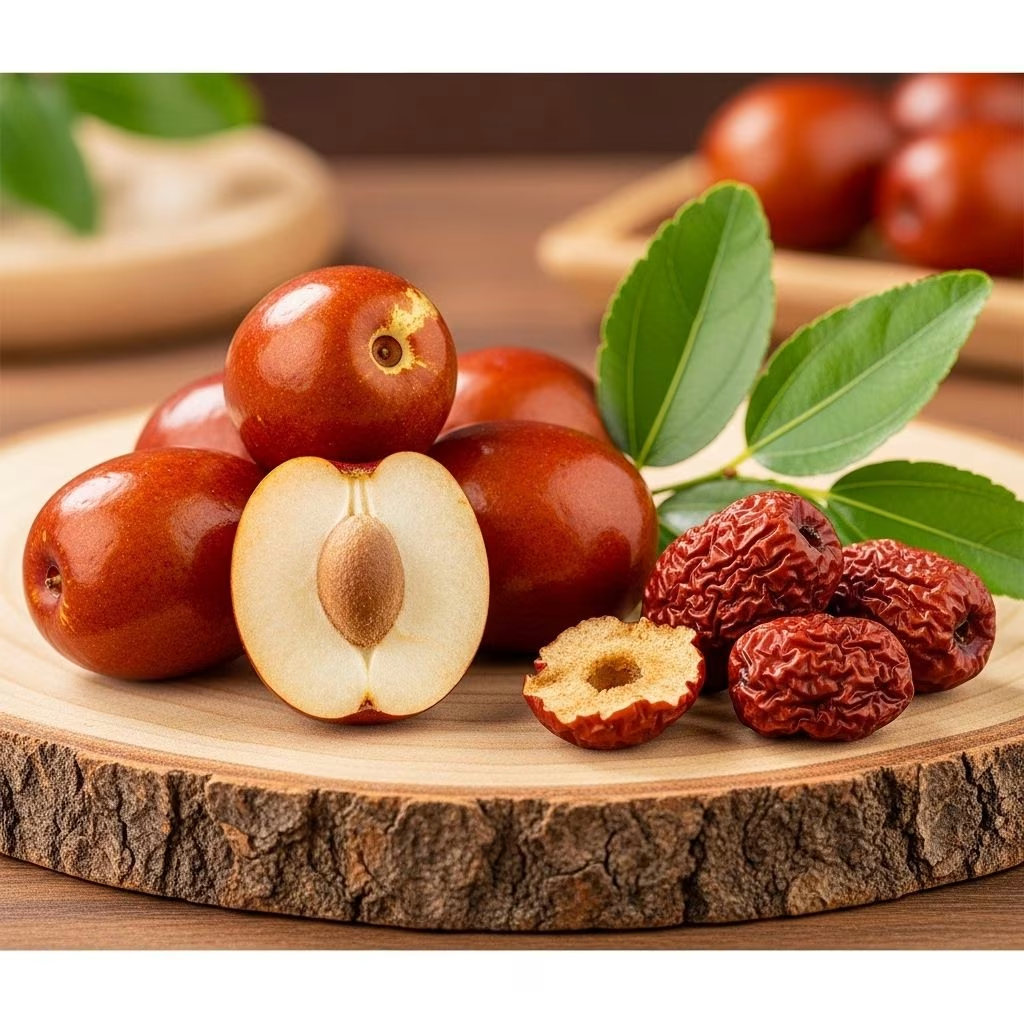
Jujube, commonly known as the Chinese Date, is a deciduous tree native to Southern Asia, including China and India. It is widely cultivated and naturalized in many parts of the world due to its nutritious and versatile fruit.
Origin and Cultivation
Ziziphus jujuba) belong to the buckthorn family (Rhamnaceae) and are native to China and India. They have been cultivated in China for over 4,000 years and are also grown in the Middle East, Africa, and the Americas.
These trees are adaptable to various climates and are known for their drought tolerance, making them suitable for cultivation in regions like Arizona, Texas, and New Mexico in the United States.
Popular Varieties
There are over 400 cultivars of Jujube, with popular varieties including Li, Lang, Sherwood, So, Shui Men, GA 8dd, and Silverhill. The Li and Lang varieties are commonly found in nurseries and are known for their flavorful and large fruits.
Characteristics and Appearance
Jujube trees typically grow between 15 to 40 feet tall, with gnarled branches and thorns. The leaves are shiny green, ovate in shape, and have three distinct veins. The flowers are small, fragrant, and bloom in clusters.
The fruit is a drupe, varying in shape and size depending on the cultivar. It changes color from green to red or purplish-black as it matures, and its texture is crunchy like an apple when fresh and chewy like a date when dried.
Nutritional Benefits
Jujube fruit is rich in vitamins, minerals, and antioxidants, offering several health benefits. It contains vitamin C, potassium, and fiber, which can help support immune function, heart health, and digestive well-being.
Key Nutritional Facts
- Vitamin C and Antioxidants: Jujube is a good source of vitamin C and antioxidants, which can help protect cells from damage and support immune function.
- Minerals: It contains minerals like potassium, iron, and calcium, which are important for maintaining healthy blood pressure, supporting red blood cell production, and contributing to bone health.
- Fiber: Jujube is a good source of dietary fiber, which can help regulate bowel movements and support healthy cholesterol levels.
Culinary Uses and Taste
Jujube fruit is enjoyed fresh, dried, or used in teas and syrups. When fresh, it has a sweet, apple-like taste, while dried Jujube is chewy and sweet, similar to dates. It is also used in traditional Chinese medicine for its purported health benefits.
Ways to Enjoy Jujube
- Fresh: Enjoy as a snack or add to salads for a sweet crunch.
- Dried: Use in place of dates for baking or as a healthy snack.
- Teas and Syrups: Jujube is used in sweetened teas and syrups, providing a sweet and warming flavor.
Traditions and Cultural Significance
In traditional Chinese culture, Jujube is valued not only for its flavor but also for its medicinal properties. It is often used in traditional medicine to promote relaxation and improve sleep quality.
Jujube in Medicine
Jujube fruit is believed to have calming effects and is sometimes used in herbal remedies to treat insomnia and anxiety.
Frequently Asked Questions (FAQs)
Q: What does Jujube taste like?
A: Jujube tastes sweet and crunchy like an apple when fresh, and chewy like a date when dried.
Q: Is Jujube easy to grow?
A: Yes, Jujube trees are relatively easy to grow and are drought-tolerant, making them suitable for a variety of climates.
Q: Can I propagate Jujube trees by seed?
A: While it is possible to propagate Jujubes by seed, grafted varieties like Li and Lang produce fruit that is more consistent in quality and taste.
Q: What are some common uses of Jujube?
A: Jujube is commonly consumed fresh or dried, used in teas, and applied in traditional medicine for its health benefits.
Conclusion
Jujube, or Chinese Date, offers a delicious and nutritious addition to many cuisines around the world. Its versatility, nutritional benefits, and ease of cultivation make it a valuable fruit for both culinary and medicinal purposes.
References
- https://ujamaaseeds.com/products/tree-jujube-chinese-date-tsao
- https://www.inthekitchenwithmatt.com/jujube-fruit
- https://pubs.nmsu.edu/_h/H330/
- https://aggie-horticulture.tamu.edu/fruit-nut/fact-sheets/jujube/
- https://en.wikipedia.org/wiki/Jujube
- https://www.healthline.com/nutrition/jujube
- https://riofoodsonline.com/products/jujubes-chinese-dates
- https://pmc.ncbi.nlm.nih.gov/articles/PMC5478819/


