


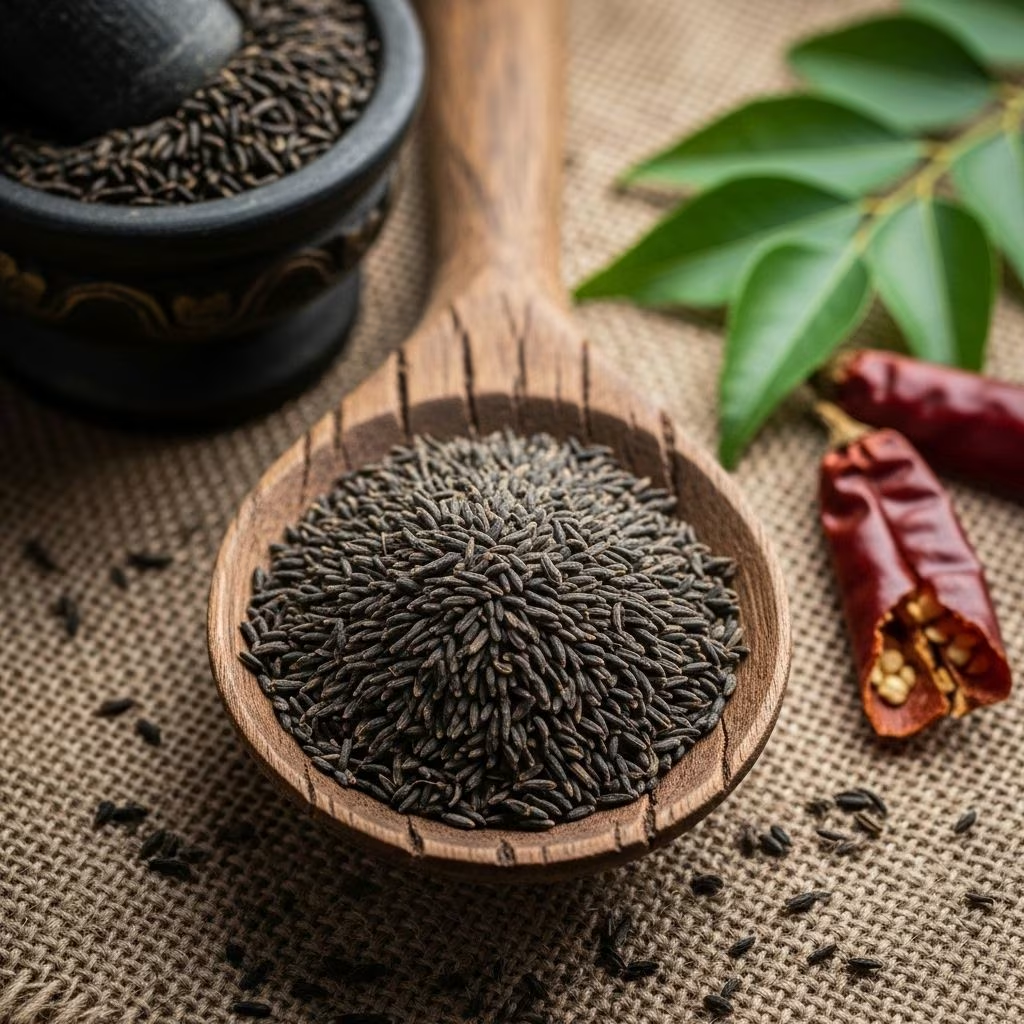
What Is Kala Jeera?
Kala jeera, often referred to as “black cumin” or “shahi jeera,” is a distinct spice widely used in Indian, Middle Eastern, and Central Asian cuisines. Despite its common name, it is not related to the regular cumin (Cuminum cyminum) or nigella (Nigella sativa), although it is often confused with both due to regional naming conventions. Kala jeera is known scientifically as Bunium persicum (sometimes called Elwendia persica) and belongs to the Apiaceae (carrot) family. Its seeds are dark brown to black, elongated, and have a unique, smoky, earthy flavor that sets them apart from other spices.
Origin and Nomenclature
Kala jeera is indigenous to the regions of northern Africa, western Asia, and Europe, but it is most prominently used in the cuisines of northern India, Pakistan, Afghanistan, Iran, and Central Asia. The name “kala jeera” (काला ज़ीरा) means “black cumin” in Hindi, reflecting the seed’s color and resemblance to common cumin. In Bengali, however, “kalo zeera” refers to nigella (Nigella sativa), not Bunium persicum, highlighting the importance of context and regional usage.
Other local names include “shahi zeera” (imperial cumin), “syah zirah” (black cumin in Urdu), “zireh kuhi” (wild cumin in Persian), and “siyoh dona” (black seed in Tajiki). The term “shahi jeera” may derive from the Persian word “syahi” (black), emphasizing its royal or premium status in certain culinary traditions.
Botanical Details
Bunium persicum is a perennial herb that grows to about 40–60 cm in height. It features finely divided, feathery leaves reminiscent of other members of the carrot family. The plant produces small white or pink flowers arranged in umbels, and the fruits—often mistakenly called seeds—are small, crescent-shaped, and dark brown to black in color. Each fruit is about 2 mm long, with five light ridges and a slightly curved shape.
Kala jeera should not be confused with nigella (Nigella sativa), which belongs to a different plant family (Ranunculaceae), nor with regular cumin (Cuminum cyminum), which is lighter in color and has a different flavor profile.
Difference Between Kala Jeera, Regular Cumin, and Nigella
| Spice | Scientific Name | Flavor Profile | Common Names | Distinct Features |
|---|---|---|---|---|
| Kala Jeera | Bunium persicum (Elwendia persica) | Smoky, earthy, nutty, slightly sweet | Black cumin, shahi jeera, kala zeera | Dark brown to black, elongated seeds; Apiaceae family |
| Regular Cumin | Cuminum cyminum | Warm, earthy, slightly bitter | Jeera, cumin, white cumin | Lighter, yellowish-brown; short, boat-shaped seeds |
| Nigella | Nigella sativa | Pungent, slightly bitter, peppery | Kalonji, black seed, black caraway | Black, angular seeds; Ranunculaceae family; not related to cumin |
Taste and Aroma
Kala jeera is prized for its intense, aromatic flavor, which is often described as smoky, earthy, and slightly sweet, with a mild nuttiness. Its aroma has hints of the Mediterranean, and it carries a stronger, more distinctive scent compared to regular cumin, which is more earthy and slightly bitter. The complex taste profile of kala jeera makes it a versatile spice, suitable for both savory and sweet dishes.
Unlike nigella, which has a sharp, peppery bite and is often used as a topping or in spice blends like panch phoran, kala jeera imparts a deep, warm undertone without overwhelming the dish.
Health Benefits of Kala Jeera
Kala jeera is more than just a culinary staple—it is also valued for its potential health benefits. Here are several notable advantages:
-
Digestive Aid
Kala jeera is traditionally used to support digestion. Its essential oils may help stimulate digestive enzymes, reduce bloating, and alleviate indigestion.
-
Antioxidant Properties
The spice contains compounds with antioxidant effects, which help neutralize free radicals and may support overall cellular health.
-
Anti-inflammatory Effects
Some studies suggest that kala jeera may possess anti-inflammatory properties, potentially beneficial for reducing inflammation-related discomfort.
-
Respiratory Health
In traditional medicine, kala jeera is sometimes used to relieve symptoms of colds and respiratory ailments, owing to its warming and expectorant qualities.
-
Blood Sugar Regulation
Some preliminary research indicates that kala jeera may help support healthy blood sugar levels, though more studies are needed in this area.
-
Weight Management
The spice is occasionally included in weight management regimens for its potential to support metabolism and digestion.
It is important to note that while kala jeera has a long history of use in traditional medicine, more rigorous scientific research is needed to fully validate many of these benefits.
Culinary Uses
Kala jeera is a cornerstone in many regional cuisines, offering depth and aroma to a wide variety of dishes:
-
Indian and Central Asian Cuisine
Kala jeera is commonly used in rice dishes (such as biryani and pulao), curries, meat preparations, and lentils. It is often tempered (tadka) in hot oil or ghee to release its aroma before adding other ingredients.
-
Spice Blends
It is an essential ingredient in garam masala and other complex spice mixes, contributing to their nuanced flavor profiles.
-
Baked Goods
In some regions, kala jeera is added to bread, cookies, and cakes for a unique, subtly flavored twist.
-
Beverages
The spice is occasionally used to flavor teas, imparting a warming, aromatic note.
-
Preservation
Kala jeera is sometimes included in pickles and preserves for its preservative and flavor-enhancing properties.
Because of its robust flavor, kala jeera should be used sparingly to avoid overpowering other ingredients.
How to Store Kala Jeera
To maintain the freshness and aroma of kala jeera:
- Store in an airtight container away from light, heat, and moisture.
- Whole seeds retain their flavor longer than ground kala jeera.
- For best results, buy in small quantities and use within six months.
Kala Jeera in Traditional Medicine
Kala jeera has a long tradition in Ayurveda and Unani medicine, where it is used to support digestion, improve respiratory health, and as a general tonic. It is believed to have warming properties that help balance the body’s humors, particularly in colder climates. While modern scientific research on its medicinal properties is limited, its continued use in traditional systems underscores its perceived value.
Frequently Asked Questions (FAQs)
Q: Is kala jeera the same as black seed or kalonji?
A: No, kala jeera (Bunium persicum) is not the same as black seed or kalonji (Nigella sativa). Although both are sometimes called “black cumin,” they are botanically distinct and have different flavors and uses.
Q: Can I substitute regular cumin for kala jeera?
A: While regular cumin can be used as a substitute in a pinch, it lacks the smoky, earthy depth of kala jeera and may alter the intended flavor of the dish.
Q: What dishes taste best with kala jeera?
A: Kala jeera shines in rice dishes, meat curries, lentil preparations, and some baked goods. Its unique aroma pairs well with robust, savory flavors.
Q: Does kala jeera have any side effects?
A: Kala jeera is generally safe when consumed in culinary amounts. However, excessive consumption may cause gastrointestinal discomfort in some individuals.
Q: Where can I buy kala jeera?
A: Kala jeera is available at specialty spice shops, Indian grocery stores, and some online retailers. Look for whole seeds for the freshest flavor.
Conclusion
Kala jeera, or black cumin, is a distinctive and aromatic spice with a rich history in South Asian, Middle Eastern, and Central Asian cuisines. Its smoky, earthy flavor profile sets it apart from regular cumin and nigella, making it a prized ingredient in both everyday and festive dishes. Beyond its culinary value, kala jeera is celebrated for its potential health benefits, particularly for digestion and respiratory health. Whether you are a seasoned cook or a curious food enthusiast, incorporating kala jeera into your kitchen can elevate your meals and contribute to a healthier lifestyle. As with any spice, authenticity and proper identification are key, so always double-check the source to avoid confusion with similar-looking seeds.
References
- https://www.potsandpans.in/blogs/articles/shahi-jeera-health-benefits-uses-and-important-facts
- https://en.wikipedia.org/wiki/Elwendia_persica
- http://mayurankfoods.com/KALA-JIRA.html
- https://www.britannica.com/plant/black-cumin
- https://www.bhumijalifesciences.com/blogs/news/black-seed-overview-history-uses-benefits-precaution-dosage
- http://gernot-katzers-spice-pages.com/engl/Buni_per.html
- https://en.wikipedia.org/wiki/Black_cumin
- https://silkroadspices.ca/products/black-cumin
- https://www.sheaterraorganics.com/pages/black-seed-vs-black-cumin


