


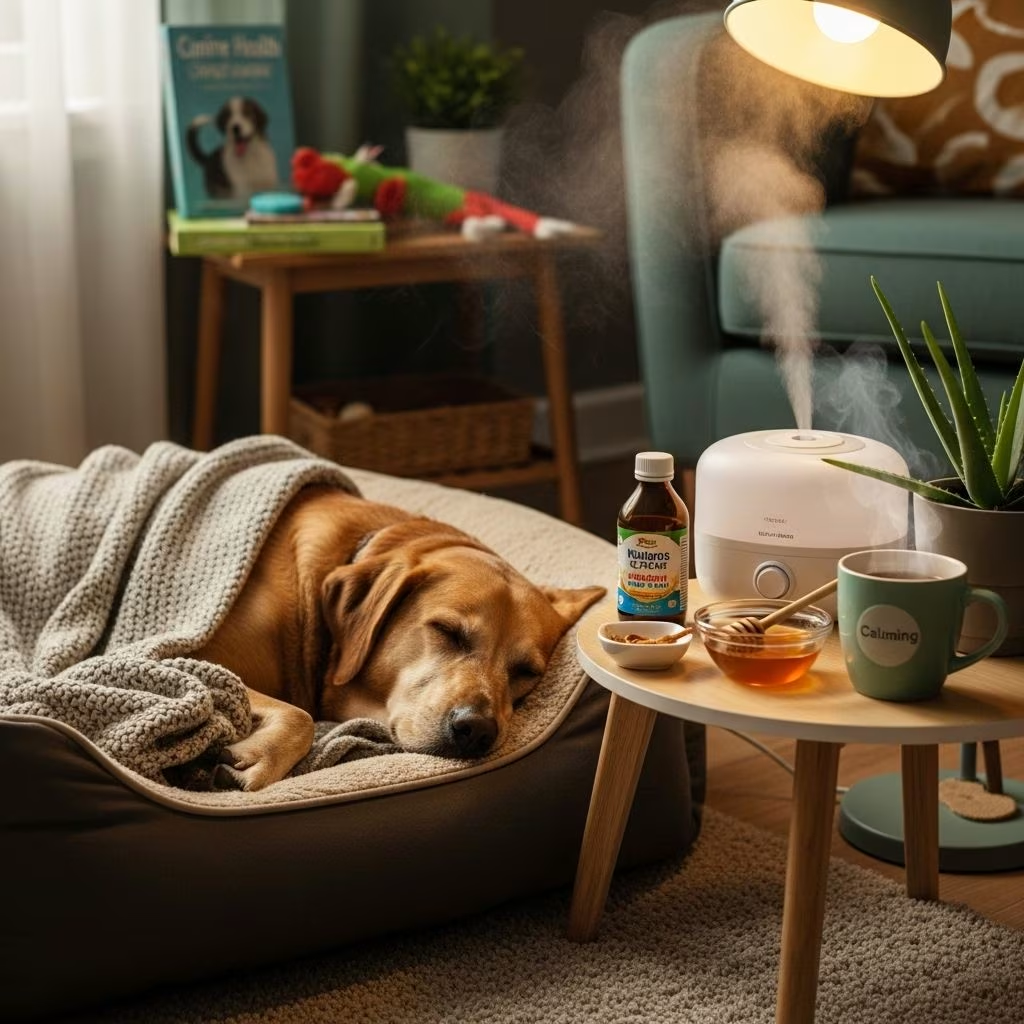
Kennel cough, or canine infectious tracheobronchitis, is a common and highly contagious respiratory condition in dogs. Characterized by a persistent, hacking cough, it can cause discomfort for pets and anxiety for pet parents. While veterinary care is essential in more severe cases, many mild cases of kennel cough can be safely managed at home with natural, supportive remedies. This guide offers in-depth insights into home remedies for kennel cough, how to use them, the science behind their effectiveness, and crucial safety considerations.
What Is Kennel Cough?
Kennel cough is a broad term for infectious bronchitis in dogs caused by a combination of viruses and bacteria, most commonly Bordetella bronchiseptica. The infection spreads easily in areas where dogs are in close contact, such as kennels, grooming salons, boarding facilities, and dog parks. Classic symptoms include:
- Persistent, dry hacking cough—sometimes described as a “goose honk”
- Gagging or retching, especially after exercise or excitement
- Nasal discharge in some cases
- Mild fever and lethargy (in more pronounced cases)
- Loss of appetite or reduced energy (rarely)
Note: While kennel cough is generally mild and self-limiting, puppies, seniors, and dogs with weakened immune systems are at greater risk for complications such as pneumonia.
When to Use Home Remedies
Home remedies are best suited for dogs with mild, uncomplicated kennel cough who are otherwise healthy. These strategies can:
- Provide comfort and symptom relief
- Support the immune system
- Speed up recovery when combined with rest and proper care
Always consult your veterinarian before starting home remedies, especially if your dog is very young, old, has a chronic health condition, or if symptoms worsen.
| Situation | Home Remedies Appropriate? | Seek Veterinary Care? |
|---|---|---|
| Mild cough, normal appetite & energy | Yes | No, unless symptoms persist |
| Cough with thick discharge, fever, lethargy | No | Yes |
| Cough in puppies, seniors, or immune-compromised pets | Maybe, with vet supervision | Yes, if any sign of distress |
Effective Home Remedies for Kennel Cough
Below are research-backed, widely recommended home remedies for helping your dog recover from kennel cough. Used appropriately, these remedies can ease throat irritation, reduce coughing, and boost your dog’s comfort during recovery.
1. Honey
Honey is one of the most popular and effective natural cough suppressants for dogs. Its soothing qualities and antimicrobial properties help coat your dog’s throat, offering relief from the tickle that triggers coughing spells.
- Give 1/2 teaspoon for small dogs or 1 teaspoon for medium/large dogs, 2–3 times daily.
- Use only pure, raw honey (never artificial blends).
- Mix with a small amount of warm water or drizzle over food.
- Do NOT give honey to puppies under 1 year old due to rare but possible risk of botulism.
2. Steam Therapy
Steam therapy helps moisten airways, loosen mucus, and relieve congestion. This remedy is especially helpful if your dog’s cough is aggravating their breathing:
- Run a hot shower in the bathroom with the door closed and let your dog sit with you in the steam for 10-15 minutes.
- Repeat 2–3 times daily as needed.
- Alternatively, use a cool-mist humidifier in their resting area.
- Never place your dog directly in hot water or in a closed, unattended bathroom.
3. Chicken Broth
Chicken broth provides soothing warmth, hydration, and nutrition when your dog may have a reduced appetite.
- Prepare unsalted, unseasoned chicken broth by simmering chicken meat (no bones or skin) in water. Remove all solids before serving.
- Serve slightly warmed; never hot.
- Offer small amounts 2–3 times daily until appetite returns.
4. Coconut Oil
Coconut oil contains medium-chain fatty acids that provide antiviral, antibacterial, and anti-inflammatory benefits. Coconut oil may help strengthen your dog’s immune system:
- Start with 1/4–1/2 teaspoon for small dogs, 1 teaspoon for bigger dogs, mixed into food.
- Monitor for digestive upset; introduce slowly.
- Do not exceed recommended amounts to avoid diarrhea or weight gain.
5. Herbal Remedies
Certain herbal teas and supplements can offer immune support and help reduce the severity of kennel cough. Notable options include:
- Echinacea: Often used to boost the immune system. Available as liquid, tea, or capsule supplements specifically for dogs.
- Licorice root tea: Known for its soothing properties. Mix a small amount (cool, not hot) into your dog’s food as directed by your vet.
- Always buy formulas meant for pets and consult your veterinarian for safe dosing.
6. Probiotics
Adding probiotics (such as plain, unsweetened yogurt with live cultures) to your dog’s diet can support overall immune health and digestion.
- Plain, unsweetened yogurt can be given in small amounts once daily with food.
- Look for pet-specific probiotic supplements as recommended by your vet.
7. Rest and Comfort
Ensuring adequate rest is fundamental to healing. Allow your dog to relax in a calm, cozy environment away from other animals to minimize stress and reduce risk of spreading the infection.
- Set up a comfortable bed in a quiet, draft-free room.
- Limit exercise and excitement until your dog is fully recovered.
Nutrition and Hydration Support
Proper nutrition and hydration are vital in aiding your dog’s recovery from kennel cough. Dogs suffering from a sore throat may be reluctant to eat dry kibble or drink enough water. Support their intake with these strategies:
- Wet dog food or softening kibble with warm water or broth can make meals easier to swallow.
- Canned pumpkin (plain, unseasoned) is an easy-to-digest fiber source.
- Frequent access to fresh, clean water encourages hydration.
- If decreased appetite persists for more than 2–3 days, consult your vet.
Immune Support and Natural Supplements
Supporting your dog’s immune system during kennel cough not only aids recovery but also strengthens their defenses against future infections. In addition to veterinary-prescribed supplements, several natural options can help:
- Vitamin C: Small amounts boost immune response and reduce recovery time, but always consult your vet for correct dosing.
- Echinacea: As mentioned, it can support immune health.
- Include fresh fruits high in vitamin C (e.g., blueberries, oranges), but in moderation and only those safe for dogs.
Environmental Support and Hygiene
Adapting your dog’s living environment can provide considerable relief from kennel cough symptoms and reduce spread:
- Use a humidifier in your dog’s favorite room to maintain optimal air moisture levels.
- Avoid smoke, sprays, or strong fumes, which may further irritate airways.
- Disinfect shared bowls, bedding, and toys to minimize reinfection and spreading.
- Avoid close contact between infected dogs and others until symptoms resolve and your vet confirms recovery.
Safety Precautions and When to See a Vet
While home remedies offer effective symptom relief for mild cases, you should watch for warning signs that require veterinary intervention:
- Severe or worsening cough that lasts longer than 10 days
- Thick, green/yellow nasal discharge
- Persistent fever (over 103°F), pronounced lethargy, or loss of appetite
- Signs of labored breathing (panting at rest, blue gums)
- Symptoms in puppies, seniors, or immunocompromised dogs
Never use human cough medications or antibiotics without veterinary guidance, as many compounds are toxic or ineffective for dogs.
Frequently Asked Questions (FAQs)
Q: How long does kennel cough last?
Most dogs recover within 1–3 weeks with rest and supportive care. Some milder cases may resolve in as little as several days.
Q: Is kennel cough dangerous?
In otherwise healthy adult dogs, kennel cough is usually mild. However, complications can arise in puppies, senior dogs, or immunocompromised pets, potentially leading to pneumonia.
Q: Can kennel cough spread to humans or other pets?
The bacteria Bordetella bronchiseptica rarely infects humans, mainly affecting those with extremely weakened immune systems. Cats and other animals may also be vulnerable, so practicing good hygiene and isolation during illness is key.
Q: Can I continue to walk my dog if they have kennel cough?
Limit physical activity and skip dog parks. Brief, leashed bathroom breaks are fine if your dog feels well enough, but avoid contact with other animals until cleared by your vet.
Q: Are there any risks to using home remedies?
Most home remedies are safe when used in appropriate dosages for your pet’s size and health status. Never give human medications, and always check with your vet before starting herbs or supplements if your dog is on other medications or has preexisting conditions.
Conclusion
Kennel cough is generally a mild, self-limiting illness in dogs that can often be managed at home with natural remedies. Key strategies include rest, hydration, honey, steam therapy, immune support, and adapting your dog’s environment for comfort and hygiene. However, careful monitoring and veterinarian oversight are essential, especially for at-risk pets or if symptoms worsen. By following these guidelines, you can provide compassionate, effective care that helps your dog recover quickly and comfortably.
References
- https://www.pranapets.com/blogs/pet-health/kennel-cough-home-remedies
- https://www.rover.com/blog/kennel-cough-home-remedies/
- https://www.peaksnpaws.com/blogs/dog-chews-toys/kennel-cough-treatment-home-remedies
- https://franklintnvet.com/kennel-cough-home-treatment-for-dogs/
- https://www.webmd.com/pets/dogs/remedies-kennel-cough
- https://www.youtube.com/watch?v=Tbtyr0bBFtc
- https://www.petmd.com/dog/conditions/respiratory/kennel-cough-dogs-what-are-symptoms-and-how-kennel-cough-treated
- https://veteris.co.uk/petcare-advice/why-is-my-dog-coughing-and-what-can-i-do-about-it


