


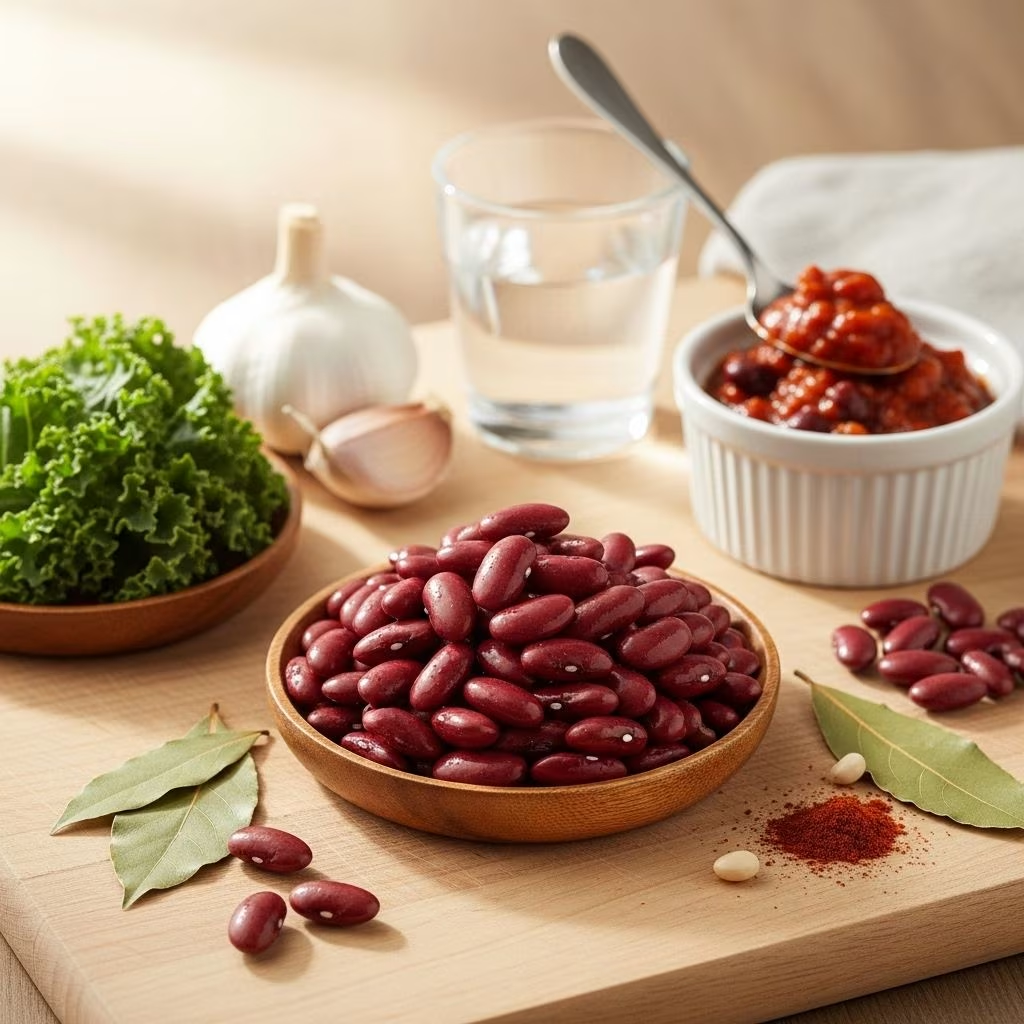
Kidney beans are more than just a staple in global cuisine — they are a powerhouse of nutrients, rich in tradition, and beloved for their versatility. With their distinct shape, vibrant color, and hearty flavor, kidney beans bring health and delight to plates worldwide. This comprehensive guide explores what kidney beans are, their nutritional benefits, health impacts, various uses, and what sets their taste apart in the culinary world.
Introduction to Kidney Beans
Kidney beans (Phaseolus vulgaris) are named for their characteristic kidney shape and, in the case of red kidney beans, their deep reddish hue. These beans are part of the legume family and are renowned for their protein content and health-promoting properties. Native to Central America and Mexico, kidney beans have become integral in the diets of diverse cultures, featuring in dishes ranging from Latin American chili to Indian rajma curry.
Origin and Varieties of Kidney Beans
Kidney beans boast a rich agricultural history and now flourish throughout the world. Several varieties exist, each with subtle differences in color and texture:
- Red Kidney Beans: The most common type, distinguished by their vibrant red color and firm texture. Used widely in chili, soups, and stews.
- Light Red Kidney Beans: Slightly paler than their red counterparts, with a similar taste and culinary use.
- White Kidney Beans (Cannellini Beans): Cream-colored, slightly nutty, and softer in texture. Popular in Mediterranean and Italian dishes.
- Speckled or Other Varieties: Some regions grow speckled or mottled kidney beans, often regional culinary favorites.
All kidney bean types are packed with nutrients and offer similar health benefits, making them a popular choice for a range of dietary preferences.
Nutritional Value of Kidney Beans
Kidney beans are exceptionally nutritious, offering a robust mix of macronutrients, vitamins, and minerals:
| Nutrient | Amount | % Daily Value* |
|---|---|---|
| Calories | 225 kcal | ~11% |
| Protein | 15.4 g | 31% |
| Carbohydrates | 40.4 g | 13% |
| Dietary Fiber | 11.3 g | 45% |
| Fat (total) | 0.9 g | 1% |
| Total Sugars | 0.6 g | – |
| Iron | 3.9 mg | 22% |
| Magnesium | 74.3 mg | 19% |
| Potassium | 716.9 mg | 20% |
| Folate | 230.1 mcg | 58% |
| Phosphorus | 244.3 mg | 24% |
| Zinc | 1.8 mg | 16% |
| Vitamin B6 | 0.21 mg | 16% |
| Vitamin K | 14.9 mcg | 12% |
| Omega-3 Fatty Acids | 0.3 g | – |
| Omega-6 Fatty Acids | 0.19 g | – |
*Values based on a 2,000 calorie diet. Percentages are approximations.
Kidney beans are also an excellent source of manganese, copper, and a variety of vitamins (esp. B vitamins), contributing to energy metabolism, nerve function, and overall cellular health.
Top Health Benefits of Kidney Beans
The impressive nutrient profile of kidney beans underpins their remarkable health benefits. Here are some of the main ways kidney beans support well-being:
- Lowers Cholesterol
High soluble fiber helps to decrease LDL (“bad”) cholesterol, reducing the risk of heart disease. - Supports Blood Sugar Control
Low glycemic index and resistant starch slow the absorption of sugars, making kidney beans a smart option for managing diabetes and stabilizing blood glucose. - Promotes Heart Health
Low in saturated fat and rich in potassium, magnesium, and antioxidants; kidney beans may help lower blood pressure and improve overall cardiovascular function. - High Protein
Kidney beans contain ample plant-based protein, making them ideal for vegetarian and vegan diets, and for reducing reliance on animal proteins. - Weight Management
High dietary fiber increases satiety (feeling full) and decreases overall calorie intake, supporting healthy weight loss or maintenance. - Antioxidant Rich
Manganese and other phytonutrients help fight oxidative stress by neutralizing free radicals, which may decrease cancer risks. - Promotes Digestive Health
Substantial fiber aids in digestion, prevents constipation, and encourages healthy gut flora through short-chain fatty acid production. - Improves Memory & Energy
Thiamine (vitamin B1) and manganese play roles in brain function and energy production. - Supports Detoxification
Molybdenum in kidney beans helps neutralize and remove toxic sulfites from the body. - Reduces Migraines, Arthritis, and Asthma Symptoms
Magnesium and copper contribute to nerve health and inflammation reduction, with potential benefits for those prone to migraines, arthritis, and asthma attacks.
Additional Noteworthy Benefits
- Tissue repair & cell growth due to B-vitamins and minerals.
- Prevention of cataracts and eye degeneration attributed to vitamin B3 and B6.
- May reduce colon cancer risk by promoting colon cell health and regulating cell growth.
- Supports hepatic (liver) health by reducing fat accumulation and improving liver function.
Popular Culinary Uses
Kidney beans are prized not only for their nutrition but also for their adaptability in the kitchen. Across cultures, these beans form the backbone of comforting, robust dishes. Some of the most popular culinary uses include:
- Chili Con Carne: Hearty stews and chilies in North American and Mexican cuisine, often paired with ground meat, tomatoes, and spices.
- Rajma: North Indian curry featuring kidney beans in a richly spiced tomato gravy, traditionally served with rice.
- Salads: Cold bean salads, often combined with vegetables, herbs, and citrus or vinegar-based dressings for refreshing, filling meals.
- Soups & Stews: Added to vegetable stews, minestrone, and casseroles for extra protein and heartiness.
- Baked Beans: Slow-cooked or baked with sauces, especially common in American and British breakfasts.
- Burritos, Tacos & Wraps: Combined with grains, leafy greens, or other legumes for a plant-based protein boost.
Kidney beans also feature in Caribbean, Mediterranean, and African cuisines, reflecting their worldwide appeal and versatility.
Kidney Bean Taste Profile
The unique flavor and texture of kidney beans set them apart from other legumes:
- Flavor: Mild yet earthy, with subtle sweetness. When cooked properly, their taste deepens and develops a hearty robustness, ideal for soaking up bold spices and flavors.
- Texture: Firm, creamy interior when cooked, holding shape in long-simmering dishes and absorbing surrounding flavors. Overcooking can make them mushy, but kidney beans are generally prized for their resilience in soups and stews.
- Color differences: Red kidney beans tend to have a slightly more pronounced flavor; white kidney beans (cannellini) are milder and nuttier.
Because of these qualities, kidney beans are favored in dishes requiring long cooking times and strong seasoning.
Preparation & Safety
Proper preparation is essential for both nutrition and safety:
- Soaking: Dried beans should be soaked 6–8 hours to reduce cooking time and enhance digestibility.
- Cooking: Boil vigorously for at least 10 minutes before simmering. Raw or undercooked kidney beans contain phytohaemagglutinin, a natural toxin that is destroyed by boiling. Eating undercooked beans can cause food poisoning symptoms.
- Canned varieties: Convenient and pre-cooked; rinse well to reduce sodium content.
- Pairings: Beans pair well with grains (such as rice), which complement their amino acid profile for more complete protein nutrition.
Possible Side Effects & Considerations
- Digestive Issues: Some individuals may experience gas or bloating due to high fiber or resistant starch content. Gradually increasing fiber intake and thorough cooking can help mitigate these effects.
- Allergies: Very rare, but possible. Watch for any symptoms of food allergy after initial consumption.
- Lectin Toxicity: Never consume raw or undercooked kidney beans due to naturally occurring lectins. Proper boiling eliminates this concern for home cooks.
- Purine Content: Kidney beans contain purines and may need to be limited for those with gout or certain kidney conditions, as advised by a doctor.
Frequently Asked Questions (FAQs)
Q: Are kidney beans good for weight loss?
Yes. Kidney beans promote a feeling of fullness due to their high fiber and protein content, which can help reduce overall calorie intake and support weight management.
Q: Can people with diabetes eat kidney beans?
Absolutely. The low glycemic index and resistant starch content make kidney beans ideal for helping regulate blood sugar levels and providing sustained energy without spikes.
Q: Are kidney beans a protein or a vegetable?
Kidney beans are classified as both a protein source and a vegetable, making them a versatile food group for balanced diets.
Q: How do kidney beans compare nutritionally to other beans?
Kidney beans are similar to other common beans (like black or pinto) in terms of calories, fiber and protein, but they contain particularly high levels of iron, potassium, and certain B vitamins. All legumes offer valuable nutrients, but kidney beans stand out for their rich antioxidant content and robust flavor profile.
Q: Why should kidney beans never be eaten raw?
Raw or undercooked kidney beans contain a toxin called phytohaemagglutinin, which can cause severe gastrointestinal distress. Boiling beans for at least 10 minutes destroys this toxin and makes them safe to eat.
Q: Are there any common allergens in kidney beans?
Allergic reactions to kidney beans are rare, but as with any food, some individuals may be sensitive. Typical food allergy symptoms may occur in such cases and medical attention should be sought if needed.
Q: Can kidney beans replace meat in my diet?
Yes. Kidney beans are an excellent source of plant-based protein and essential nutrients, making them a viable alternative to meat in vegetarian and vegan diets.
Conclusion
Kidney beans are a nutritional powerhouse celebrated for their impressive benefits and culinary flexibility. Whether your focus is health, taste, or convenience, kidney beans offer rich nutrients, distinctive flavor, and robust texture perfect for hearty meals around the globe. Remember to prepare them properly to enjoy their full value and safety in your daily diet.
References
- https://www.practo.com/healthfeed/20-health-benefits-of-kidney-beans-3524/post
- https://www.cvbean.com/kidney-bean-consumers/health-wellness/
- https://www.webmd.com/diet/health-benefits-kidney-beans
- https://consensus.app/home/blog/health-benefits-of-kidney-beans/
- https://www.kidney.org/kidney-topics/beans
- https://www.hollandandbarrett.com/the-health-hub/food-drink/nutrition/kidney-beans-benefits/
- https://www.health.harvard.edu/heart-health/legume-of-the-month-red-beans


