


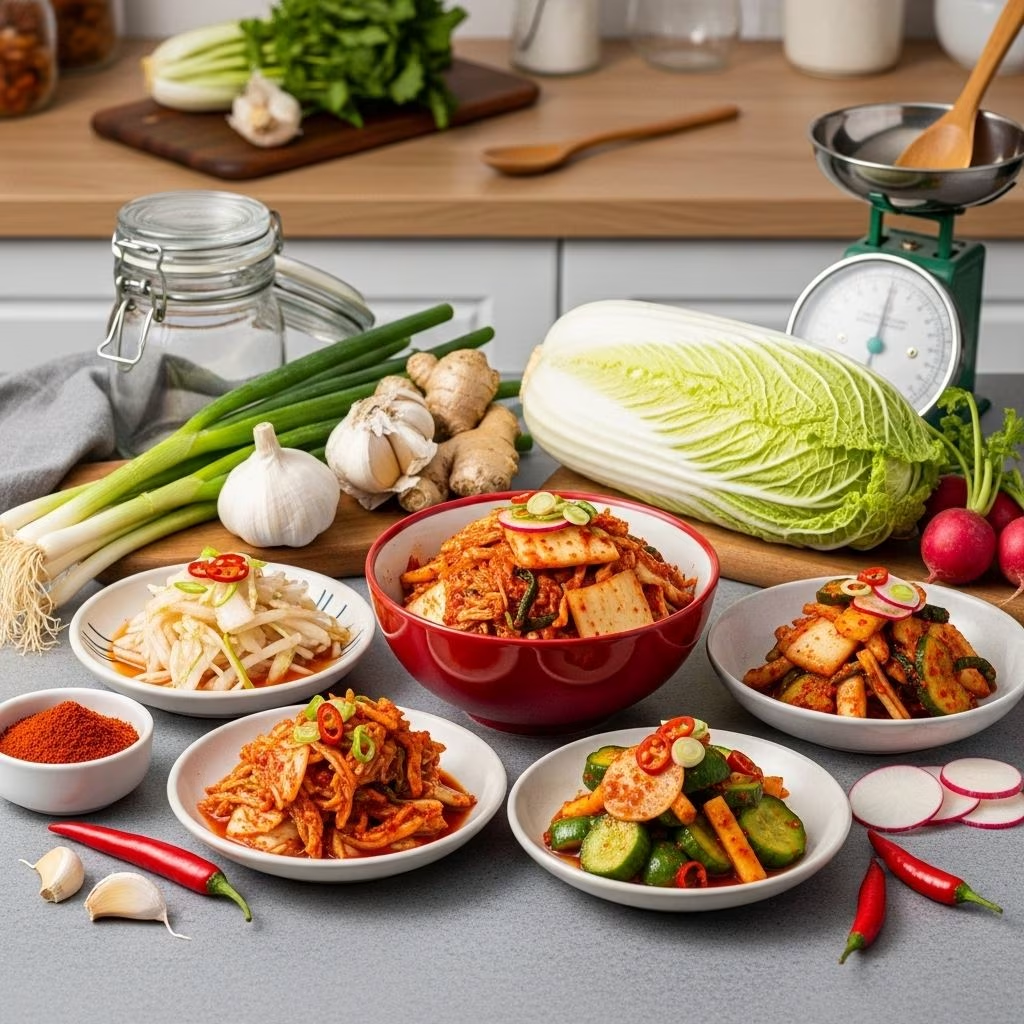
Introduction to Kimchi: The Fermented Vegetable Ingredient
Kimchi is a cornerstone of Korean cuisine, celebrated not just as a prepared side dish but also as a fundamental fermented vegetable ingredient. It refers to a wide variety of vegetables—most commonly napa cabbage and radish—fermented through lactic acid bacteria with a blend of Korean spices. Kimchi’s importance lies in its unique balance of sour, spicy, and umami flavors, born from careful fermentation. Mastering kimchi is essential for cooks seeking to harness both the ingredient’s flavor profile and its probiotic health benefits.
Kimchi Basics: What Makes Kimchi Unique?
While many associate kimchi with its finished form as a banchan (Korean side dish), in professional kitchens and home cooking alike, kimchi refers to the versatile fermented vegetable base. This ingredient is prized for:
- Fermentation: A controlled process that develops tanginess and preserves vegetables over months.
- Flavor development: A complex profile including heat from Korean chili flakes (gochugaru), saltiness, sweetness, and earthy undertones.
- Adaptability: Can be made with diverse vegetables and customized with spice levels, brine, and seasonings.
- Health benefits: Rich in vitamins, fiber, and probiotics which support gut health.
Traditional kimchi is always fully fermented before being incorporated into dishes like stews, stir-fries, pancakes, or eaten raw as a palate-cleansing ingredient.
Signature Ingredients for Kimchi
To produce authentic kimchi with perfect flavor and texture, it’s critical to use the right ingredients. Classic kimchi recipes typically include:
- Vegetables: Most commonly napa cabbage (baechu), Korean radish (mu), and sometimes carrots, Asian pear, or scallions.
- Salt: Korean sea salt (gulgeun soguem) or kosher salt, both for brining and flavor development.
- Seasonings: Gochugaru (Korean chili flakes), garlic, ginger, and sugar.
- Umami boosters: Fish sauce, salted and fermented shrimp (saeujeot), and occasionally anchovy sauce or raw shrimp.
- Binding and sweetness: Glutinous rice flour paste, which helps the spice mixture adhere to vegetables and rounds out the flavor.
- Additional elements: Dasima (dried kelp) broth and Asian pear for depth and mild sweetness.
| Ingredient | Role in Kimchi | Traditional Alternatives |
|---|---|---|
| Napa cabbage | Main vegetable base | Korean radish, bok choy, cucumber |
| Salt | Draws out moisture, preserves | Kosher salt, sea salt |
| Gochugaru | Provides heat, color | Other chili flakes (less common) |
| Fish sauce | Umami depth | Soy sauce (vegetarian adaptation) |
| Garlic & Ginger | Pungency, anti-bacterial | Shallots, horseradish (some regional recipes) |
| Glutinous rice flour | Thickens seasoning paste | Cooked rice, wheat flour |
Traditional Fermentation Methods
The art and science of fermenting kimchi dictate its transformation from fresh vegetables to a deeply flavored, probiotic ingredient. Key steps in the traditional method include:
- Brining: Vegetables are salted for several hours to extract moisture, ensuring crisp texture and reducing spoilage risk.
- Seasoning: A spice paste is blended from gochugaru, rice flour paste, garlic, ginger, fish sauce, fermented shrimp, sugar, and aromatics.
- Stuffing and layering: Each cabbage leaf is individually coated, ensuring even fermentation and seasoning.
- Packing: Cabbage is tightly packed into jars or traditional onggi earthenware, eliminating air pockets.
- Fermentation: Kimchi ferments at room temperature for 1–2 days, then chills in refrigeration for slow flavor maturation.
This process encourages the growth of lactic acid bacteria, which produce the sourness and characteristic kimchi tastes.
Step-by-Step Kimchi Recipe Guide
Below is a comprehensive guide using the classic napa cabbage (baechu) kimchi method with notes for customizing to personal preference. For precision, measurements are based on authentic sources.
Ingredients
- 1 large napa cabbage (5–6 lbs.), or two small cabbages (3 lbs. each)
- 1 cup Korean coarse sea salt
- 5 cups water
- 1 pound Korean radish
- 1/4 Korean pear (optional)
- 3–4 scallions
- 1 piece dasima (dried kelp, optional)
- 1 tbsp glutinous rice flour
- 1/2 cup gochugaru (Korean chili flakes)
- 1/4 cup saeujeot (fermented shrimp, chopped)
- 3 tbsp fish sauce
- 3–4 raw shrimps, minced (optional)
- 3 tbsp minced garlic
- 1 tsp grated ginger
- 2 tbsp sugar
- Additional vegetables as desired (carrots, Asian pear, extra radish)
Instructions
- Brining the cabbage:
- Cut cabbage into quarters. Dissolve salt in water, then submerge cabbage quarters. Sprinkle additional salt between leaves. Let sit 2–6 hours, turning occasionally, until leaves are soft and pliable.
- Rinse thoroughly in running water, especially near the stem. Drain for 1 hour.
- Make rice flour paste:
- Combine glutinous rice flour with 1/2 cup water (or dasima broth) and simmer over low heat, stirring, until thickened. Let cool.
- Prepare seasoning:
- Mix cooled rice paste, gochugaru, minced garlic, ginger, fish sauce, sauteujeot, sugar, and optional minced shrimp and pear in a bowl. Let sit 10–30 minutes for the flavors to meld.
- Julienne radish and optional carrot/pear; add scallions and mix with spice paste.
- Stuffing the cabbage:
- Coat each leaf individually with a 1–2 tbsp paste, making sure to spread to the base of the leaf and outward.
- Wrap exterior leaves over the quarter and place cut-side up in a large jar.
- Packing and Fermentation:
- Tightly pack cabbage quarters into the jar, pressing to eliminate air pockets.
- Seal lid. Allow to ferment at room temperature for 1–2 days. Taste for sourness; once desirable, transfer to refrigerator for continued slow fermentation and improved flavor.
- Storage:
- Well-fermented kimchi can last for months refrigerated; flavor intensifies and sourness increases over time.
Key Kimchi Varieties and Their Characteristics
Kimchi is not monolithic—numerous regional and seasonal varieties exist. Recognizing their distinctions enables more tailored cooking and use as an ingredient:
- Baechu Kimchi (Napa Cabbage): The most common type, used for most cooking and everyday eating.
- Kkakdugi (Radish Kimchi): Chunky radish cubes with bold spicy-salty flavor, excellent for soups and stews.
- Oi Sobagi (Stuffed Cucumber Kimchi): Crisp and refreshing, usually made in summer.
- Buchu Kimchi (Garlic Chive): Heavily seasoned, often eaten fresh for sharp pungency.
- Yeolmu Kimchi (Young Radish Greens): Lighter, slightly grassy, ideal for mixing into cold noodle dishes.
Expert Fermentation Tips
- Temperature control: Ferment kimchi at room temperature (18–22°C) for 24–48 hours to start; higher temperatures accelerate sourness but risk over-fermentation.
- Salt level: Too little salt encourages mushiness and spoilage. Traditional recipes use ~3% salt by weight. Always rinse after brining to balance saltiness.
- Air exclusion: Firmly pack kimchi to limit air exposure, which can cause mold or yeast.
- Seasoning balance: Adjust gochugaru quantity for spice, and experiment with adding Asian pear or sugar for sweetness. Fish sauce alternatives (soy sauce) can be used for vegetarian kimchi.
- Progress checking: During fermentation, taste daily for desired sourness. Refrigerate promptly once ready to preserve optimal taste and crispness.
How to Cook with Kimchi
When used as an ingredient, kimchi’s potency can transform dishes with depth, heat, and brightness. Here are proven techniques for cooking with kimchi:
- Kimchi Jjigae (Kimchi Stew): A robust stew made with aged kimchi, pork, tofu, and aromatics. The sourness of mature kimchi is preferred for richer broth.
- Kimchi Bokkeumbap (Kimchi Fried Rice): Sauté chopped kimchi with rice, vegetables, and protein. Use kimchi juice for flavor boost.
- Kimchi Jeon (Kimchi Pancakes): Combine chopped kimchi with flour and eggs for savory, spicy pancakes.
- Stir-fries: Add kimchi near the end of cooking to retain crunch and acidity.
- Noodle dishes: Toss sliced kimchi with cold noodles and vegetables for a tangy, refreshing meal.
- Braising: Layer kimchi under meats in braises (e.g., ribs or chicken) for flavor infusion.
To maximize kimchi’s impact:
- Use well-aged (sour) kimchi for cooking.
- Include kimchi juice for brightness and boldness.
- Pair with fatty foods or proteins to cut richness.
Troubleshooting Common Kimchi Problems
| Problem | Cause | Solution |
|---|---|---|
| Mushy kimchi | Overbrining, low salt, high fermentation temperature | Shorten brining, use correct salt ratio, ferment in cooler area |
| Too salty | Excess brine; not rinsed enough | Rinse more after brining, dilute with sugar or juice during seasoning |
| Lack of sourness | Too short fermentation period | Extend room temp fermentation or leave out longer before refrigerating |
| Mold/funky odors | Exposure to air, contaminated utensils, low salt | Pack tightly, use clean jars and utensils, correct salt level |
| Seasoning not penetrating leaves | Insufficient leaf separation during stuffing | Lift each leaf and coat deeply, especially at the base |
Frequently Asked Questions (FAQs)
Q: How long does it take for kimchi to ferment and be ready to use?
A: Typically, kimchi is ready after 1–2 days at room temperature, then refrigerated for flavor development. For sour, mature kimchi, allow 1–2 weeks in the fridge.
Q: What role does rice flour paste play in kimchi fermentation?
A: Glutinous rice flour paste helps bind spices to the vegetable, provides food for lactic bacteria, and gives the kimchi a fuller texture.
Q: Can kimchi be made vegetarian or vegan?
A: Yes, simply omit fish sauce and fermented shrimp, substituting with soy sauce or extra mushrooms for umami.
Q: Why is aged kimchi preferred for cooking?
A: Older kimchi is more sour and deeply flavored, ideal for stews or braises that need robust acidity and complexity.
Q: How do I know when kimchi has gone bad?
A: Mold growth, obviously putrid odor, or sliminess indicate spoilage. Properly fermented kimchi should retain a clean, acidic aroma and firm texture.
Final Thoughts
Kimchi, as a generic term for fermented vegetable, is both a staple ingredient and artisanal craft. The secret to the best kimchi lies in quality ingredients, careful seasoning, and patient fermentation. With a little practice and attention, you can create kimchi that elevates any dish, delivers remarkable health benefits, and offers endless variation for creative Korean and global cuisine.
References
- https://ournomadichomestead.com/how-to-make-authentic-kimchi/
- https://www.koreanbapsang.com/baechu-kimchi-napa-cabbage-kimchi/
- https://mykoreankitchen.com/kimchi-recipe/
- https://ahnestkitchen.com/food/moms-traditional-kimchi
- https://www.maangchi.com/recipe/tongbaechu-kimchi
- https://food52.com/story/24124-how-to-make-kimchi-recipe
- https://fermentaholics.com/traditional-napa-cabbage-kimchi-recipe/
- https://www.youtube.com/watch?v=eTucCw1w6Ak


