


Introduction
Komatsuna, celebrated in traditional and modern Japanese cuisine, is a leafy green vegetable prized for its broad versatility and dense nutritional profile. Also known as Japanese mustard spinach, komatsuna stands out among Asian greens for its ability to thrive in various climates and its remarkable range of culinary and health applications. This article delves deeply into what komatsuna is, its benefits and uses, and its uniquely appealing taste and texture, offering a comprehensive guide for cooks, gardeners, and health enthusiasts alike.
Origins and History of Komatsuna
The word komatsuna (小松菜) literally translates to “greens of Komatsu,” referencing the Komatsugawa area of Tokyo, Japan, where the vegetable has been cultivated for centuries. Komatsuna holds a treasured position in Japanese cultural history. According to tradition, its name was bestowed in the early 18th century by Shogun Tokugawa Yoshimune after he tasted the local vegetable during a visit to the area. The favorable impression it made on him led to komatsuna’s symbolic connection to good fortune, with the custom of offering it at local shrines on New Year’s Eve enduring to this day.
From its niche origin, komatsuna’s cultivation spread across Japan and later throughout East Asia. Today, it is a culinary staple in Japan, Taiwan, Korea, and even parts of Southeast Asia, celebrated for both flavor and nutritional value.
Botanical Profile and Description
Komatsuna (Brassica rapa var. perviridis) is a member of the Brassica family, which also includes cabbage, turnip, bok choy, and rapini. Sometimes called Japanese mustard spinach, komatsuna is not closely related to spinach but shares some of its visual characteristics and culinary uses.
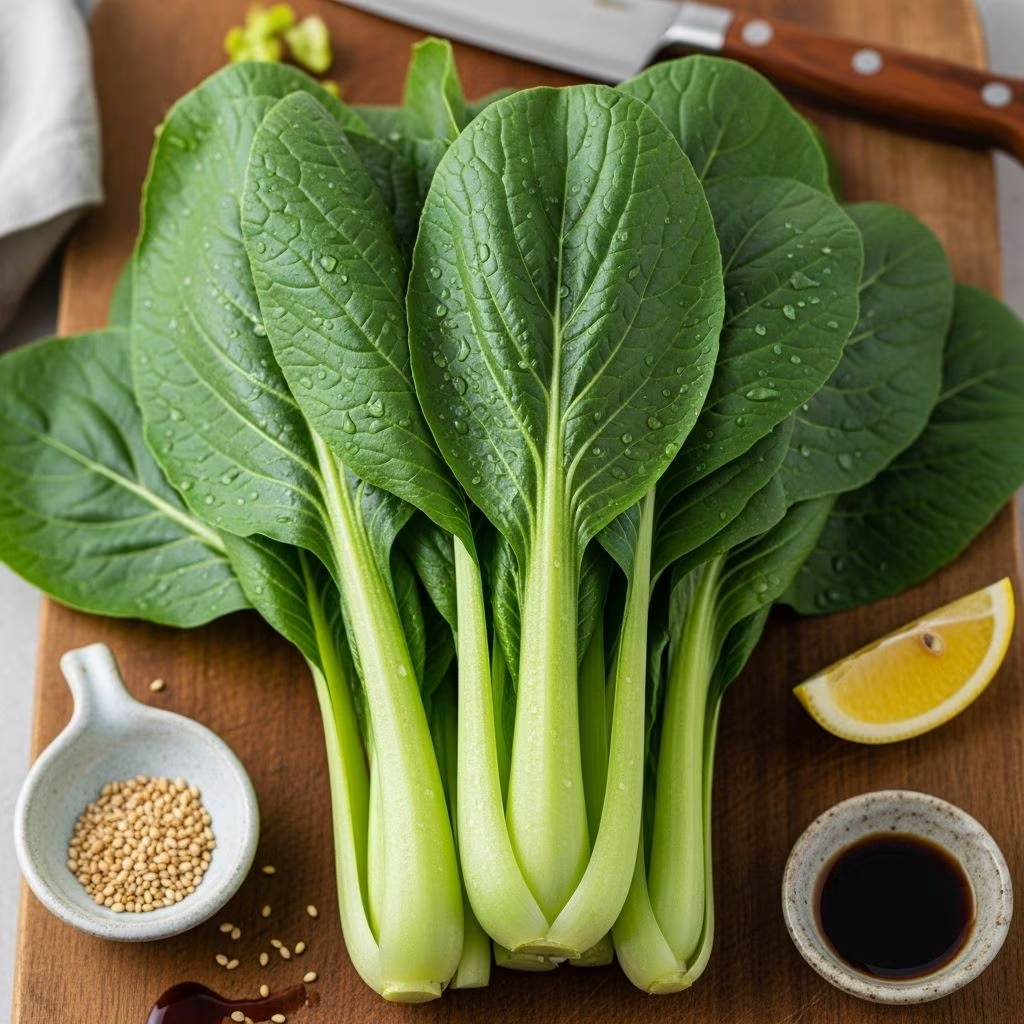
- Appearance: Long, slender, light green stems with broad, deep-green, spoon-shaped leaves. As it matures, leaves darken further and stems thicken, developing a faint white or pale tint.
- Growth characteristics: Tolerant of various growing conditions, komatsuna is usually cultivated in spring and autumn but, with greenhouse technology, is now grown year-round.
- Harvest stages: Leaves can be harvested at the microgreen (very young), baby, or fully mature stage, each having its unique flavor and texture.
Nutritional Value and Composition
Komatsuna is lauded for its exceptional nutritional density. It is low in calories, while providing significant amounts of vitamins, minerals, and phytochemicals that confer numerous health advantages. A typical 100-gram serving (about 3.5 ounces) of raw komatsuna provides:
| Nutrient | Amount per 100g | % Daily Value (approx.) |
|---|---|---|
| Calories | 20 | 1% |
| Vitamin A (as beta-carotene) | >2500 IU | 50%+ |
| Vitamin C | 30–60 mg | 35–70% |
| Vitamin K | 250–300 mcg | 200%+ |
| Calcium | 170–210 mg | 15–20% |
| Iron | 1–2 mg | 7–15% |
| Potassium | 400–550 mg | 10–15% |
| Fiber | 2–3 g | 10% |
| Protein | 1.5–2 g | 3–4% |
- Contains B vitamins (notably B2/riboflavin)
- Rich in glucosinolates – compounds studied for their anti-cancer potential
- Packed with antioxidants such as carotenoids and flavonoids
Health Benefits of Komatsuna
Packed with potent nutrients and phytochemicals, regular consumption of komatsuna is associated with an array of health benefits:
- Supports Bone Health: High calcium and vitamin K content aid in maintaining strong and healthy bones, reducing risk of osteoporosis.
- Boosts Immune Function: Vitamins A and C contribute to immune defense and tissue repair.
- Promotes Eye and Skin Health: Beta-carotene (converted to vitamin A) is essential for good vision and healthy skin.
- May Reduce Cancer Risk: Glucosinolates and their breakdown products, like isothiocyanates and indoles, have shown potential anti-cancer effects in laboratory studies by inhibiting harmful cell growth and enhancing detoxification.
- Heart Health: Fiber, potassium, and antioxidant compounds help regulate blood pressure and support vascular health.
- Antioxidant & Anti-inflammatory: Carotenoids, flavonoids, and vitamin C help reduce oxidative stress and inflammation.
- Weight Management: Low calorie, high fiber content makes it an ideal addition to weight-conscious diets.
Potential Side Effects and Considerations
- Vitamin K considerations: Due to its exceptional vitamin K content, those on blood-thinning medications (such as warfarin) must monitor their intake to avoid interference with medication effectiveness.
- Oxalates: While not as high in oxalates as spinach, those with a history of kidney stones or certain kidney disorders should consume komatsuna in moderation.
- Allergic reactions: Rare, but possible in individuals sensitive to Brassica family vegetables.
For most people, komatsuna is safe and extremely healthy when consumed as part of a balanced diet.
Culinary Uses: How to Cook and Eat Komatsuna
One of komatsuna’s defining features is its remarkable culinary adaptability. Here’s how it is commonly used in the kitchen:
- Raw in salads: Young, tender leaves provide a nutritious crunch and mild flavor—ideal for green salads or slaws.
- Stir-fried: A quick sauté with garlic, soy sauce, or sesame oil enhances its sweetness and preserves nutrients.
- Soups and stews: Maintains its firmness even when simmered, making it popular in Japanese miso soup, hot pots, and noodle dishes.
- Pickled: In Japan, komatsuna is often pickled for use as a condiment or side dish, known as tsukemono.
- Boiled or steamed: Matures leaves are often blanched and dressed in a light soy-based sauce or added to omelets and rice bowls.
- Juices and smoothies: Milder than kale, it blends well into green juices or smoothies, contributing color and nutrients.
Due to its durability, komatsuna can even be harvested after flowering—a distinct advantage over more delicate greens.
Traditional and Regional Recipes
- Ohitashi: Lightly boiled komatsuna leaves, chilled and dressed with soy sauce and bonito flakes.
- Nabe: Japanese hot pot with komatsuna, tofu, mushrooms, and seafood or meat.
- Tsukemono: Pickled komatsuna served as an accompaniment to rice.
Taste and Texture: What Does Komatsuna Taste Like?
Komatsuna offers a distinctive mild, sweet flavor with a subtle mustard bite—more assertive in mature leaves and milder in the young. The texture ranges from delicate and tender (baby greens and microgreens) to crunchy and fibrous (fully grown leaves).
- Young or baby komatsuna: Gentle sweetness, tender bite, barely noticeable spiciness.
- Mature leaves: Crunchier, heartier stem, pronounced mustard-peppery finish without excessive bitterness.
- Cooked komatsuna: Slightly enhanced sweetness and preserved crispness, easily absorbs flavor from sauces or broths.
Compared to other Brassica greens (like kale or collard greens), komatsuna’s flavor is usually described as “fresher” or “greener,” lacking the astringency or bitterness sometimes present in older kale or mustard greens.
Growing and Harvesting Komatsuna
Gardeners value komatsuna for its adaptability and productivity:
- Climate: Prefers moderate temperatures (spring, autumn) but can tolerate light frost and some summer heat. Greenhouse varieties are available for year-round production.
- Growing cycle: Seeds germinate quickly (within 3–5 days), and leaves can be harvested in as little as 25–40 days for baby greens, longer for mature leaves.
- Harvest time: Harvest at any stage—from microgreens to flowering plants—according to culinary use. Mature stalks can be cut near the base, encouraging regrowth.
- Pest/disease resistance: Being a member of Brassica, watch for cabbage worms and flea beetles. Selecting disease-resistant varieties and crop rotation help minimize loss.
This hardiness and short growing season have made komatsuna a staple not only for home gardeners but also for commercial farmers in East Asia and beyond.
Komatsuna Compared to Other Leafy Greens
| Green | Flavor | Nutrition Highlights | Typical Uses |
|---|---|---|---|
| Komatsuna | Mild-sweet, tender to peppery finish | High in A, C, K, calcium, glucosinolates | Raw salads, stir-fries, soups, pickles |
| Spinach | Mild, slightly earthy | Iron, folate, vitamin K, oxalates | Raw, cooked, smoothies |
| Bok Choy | Mild, juicy, faintly peppery | Vitamin C, K, calcium | Stir-fries, soups |
| Mustard Greens | Pungent, spicy, peppery | Vitamins A, C, K, folate | Pickled, sautéed, braised |
| Kale | Earthy, sometimes bitter | Vitamin K, C, calcium, lutein | Salads, baked, smoothies |
In summary, komatsuna offers a gentler alternative to many other leafy greens while boasting comparable, if not superior, nutrition.
Frequently Asked Questions (FAQs)
Q: Are komatsuna and spinach the same vegetable?
A: No, komatsuna is a member of the Brassica family (related to cabbage and turnip), while spinach is in the Amaranthaceae family. Their flavors and nutritional profiles differ.
Q: Can I substitute komatsuna for kale or bok choy in recipes?
A: Yes, komatsuna adapts well to recipes calling for kale, bok choy, or other mild Brassica greens. Its gentle flavor and crunchy texture make it a versatile substitute.
Q: How do I store komatsuna to keep it fresh?
A: Store unwashed leaves in a plastic bag in the refrigerator crisper drawer. They keep best when used within a week of purchase or harvest.
Q: Is komatsuna suitable for juicing and blending?
A: Yes, its mild flavor and high water content are perfect for juicing or blending into green smoothies or juice blends.
Q: Is komatsuna safe for everyone to eat?
A: Generally, yes. Those taking blood thinners should moderate intake due to high vitamin K, and those with kidney problems should consider oxalate content.
Summary and Key Takeaways
Komatsuna, or Japanese mustard spinach, is a nutrient-dense, mild-flavored leafy green with roots in Japanese history and cuisine. Its formidable nutrient content includes vitamins A, C, and K, calcium, and antioxidants, making it a valuable addition to any diet. With its versatility in raw and cooked dishes, easy cultivation, and flexible harvest, komatsuna stands out as a leafy green for both health-seekers and cooks looking to expand their palate.
References
- https://en.wikipedia.org/wiki/Komatsuna
- https://specialtyproduce.com/produce/Komatsuna_Mustard_Greens_9069.php
- https://www.wisdomlib.org/ingredients/komatsuna
- https://www.urbancultivator.net/learn-about-komatsuna/
- https://tasteofculture.com/2021/03/27/komatsuna/
- https://www.masterclass.com/articles/komatsuna-guide
- https://www.simplyoishii.com/komatsuna.html
- https://www.missouribotanicalgarden.org/PlantFinder/PlantFinderDetails.aspx?taxonid=265577&isprofile=0&chr=19
- https://happyacres.blog/2011/12/05/growing-asian-vegetables-komatsuna/


