


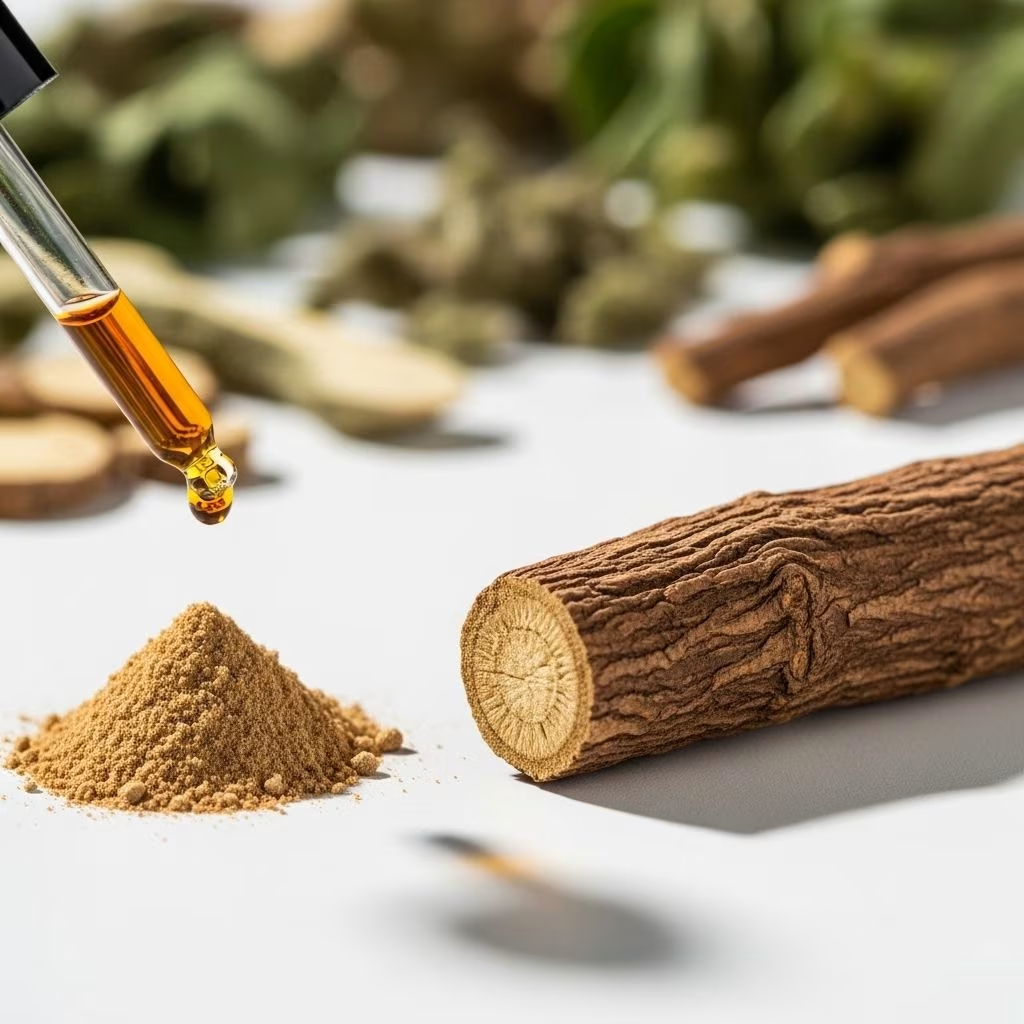
Licorice Root Extract: Potential Side Effects and Safety Risks
Licorice root, derived from the Glycyrrhiza glabra plant, is a widely used herbal remedy in traditional medicine and as a flavoring in foods and candies. While it offers certain health benefits, excessive or prolonged consumption of licorice root extract can lead to a range of side effects and health complications. This comprehensive article explores the risks, side effects, drug interactions, and precautions you should know before using licorice root extract.
What Is Licorice Root Extract?
Licorice root extract is harvested from the roots of the licorice plant and is used in herbal medicine, as well as in the food industry as a sweetener and flavoring agent. It contains several bioactive compounds, the most notable of which is glycyrrhizin, responsible for many of licorice’s health effects and side effects.
Active Compounds in Licorice Root
- Glycyrrhizin: A triterpenoid saponin that gives licorice its sweet flavor and is linked to both its therapeutic actions and adverse effects.
- Glabridin: An isoflavan that exhibits antioxidant and anti-inflammatory properties.
- Liquiritin: Another flavonoid compound with potential medicinal value.
- Other minor compounds include glycyrrhetinic acid and liquiritigenin.
Of all these, glycyrrhizin is particularly noteworthy for its ability to interfere with electrolyte balance and hormone regulation, leading to numerous side effects when consumed in excess.
Potential Side Effects of Licorice Root Extract
- High Blood Pressure (Hypertension): Excess glycyrrhizin causes the body to retain sodium, lose potassium, and raise blood pressure, which can lead to serious cardiovascular risks.
- Edema (Swelling): Water retention resulting from sodium imbalance can cause swelling in the hands, feet, or face.
- Low Potassium Levels (Hypokalemia): Glycyrrhizin depletes potassium, leading to muscle weakness, arrhythmia, and risk of cardiac complications.
- Arrhythmia: Irregular heartbeat or palpitations linked directly to electrolyte imbalance stemming from high glycyrrhizin intake.
- Heart Failure/Cardiac Arrest: Chronic excessive consumption may contribute to heart failure, cardiac arrest, and related cardiovascular emergencies.
- Headache, Lethargy, and Muscle Pain: Often secondary effects of electrolyte disturbances, affecting overall energy and wellbeing.
- Pulmonary Edema: Fluid accumulation in the lungs, especially in individuals with underlying cardiac or renal disease.
| Side Effect | Symptoms | Linked Mechanism |
|---|---|---|
| High Blood Pressure | Headache, fatigue, chest pain | Salt retention, potassium loss |
| Edema | Swelling of limbs/face | Sodium retention |
| Hypokalemia | Muscle weakness, cramps, arrhythmias | Potassium excretion |
| Cardiac Arrest | Sudden collapse, loss of pulse | Severe electrolyte imbalance |
| Pulmonary Edema | Shortness of breath | Fluid accumulation due to heart failure |
Other Documented Adverse Effects
- Stroke: Intracranial hemorrhagic stroke has been linked to excessive use in rare cases.
- Leukoderma and Thrombocytopenia: Skin depigmentation and reduced platelet counts have been observed in certain individuals after high intake.
- Pseudohyperaldosteronism: Signs and symptoms resemble excess aldosterone hormone, including severe hypertension.
- Respiratory Failure and Carpal Tunnel Syndrome: Rare reports among chronic users.
- Glycyrrhizic Acid Poisoning: Symptoms can range from muscle weakness to deadly arrhythmias.
Health Conditions Impacted by Licorice Root Use
If you have certain health conditions, consuming licorice root can greatly increase your risk for complications or worsen existing issues. People with the following should avoid licorice root extract unless instructed otherwise by their healthcare provider:
- Heart Disease: Higher risk of hypertension, arrhythmia, and heart failure.
- Kidney Disease: Enhanced susceptibility to swelling, electrolyte disturbances, and cardiac events.
- Hypertension: Aggravated blood pressure that can be difficult to control.
- Liver Disease: Those with cirrhosis, hepatitis, or cholestatic disorders are particularly sensitive.
- Adrenal Disorders: Tumors, aldosteronism, and related conditions may worsen.
- Low Potassium Levels (Hypokalemia): Licorice intensifies potassium loss.
- Untreated Hypothyroidism, Alcohol Dependency: Not recommended due to risk of severe imbalances.
Drug Interactions With Licorice Root
Licorice root can interact with numerous medications, affecting efficacy and safety. Common classes impacted include:
- Diuretics (water pills): May increase potassium loss, raising the risk of hypokalemia.
- Blood Pressure Medications: Licorice may counteract the effects or dangerously raise blood pressure.
- Blood Thinners (Anticoagulants): Increases metabolism of drugs such as warfarin, potentially lowering effectiveness.
- Digitalis/Glycosides: Low potassium increases risk of digitalis toxicity and arrhythmias.
- Cholesterol-Lowering Drugs: Licorice may impact metabolism of statins and similar agents.
- NSAIDs: Potentially amplifies side effects.
- Estrogen-Based Contraceptives: May alter hormone levels and effectiveness.
- Cyclopsorine: Reduces drug bioavailability—may necessitate dose adjustments.
Anyone on prescription medications should consult a healthcare provider before using licorice root extract in any form.
Special Populations and Precautions
Pregnancy and Lactation
- Pregnancy: Licorice root is unsafe during pregnancy, with research connecting regular use to higher risk for miscarriage and preterm delivery. Eating approximately 250 grams per week correlates with preterm birth risk.
- Breastfeeding: Not enough is known about the safety when nursing; best to avoid licorice root extract.
Children
- Children may be particularly sensitive to licorice root side effects. Severe imbalances can develop rapidly from smaller doses relative to body size.
People with Chronic Health Conditions
- Those with heart failure, hypertension, kidney/liver disease, and endocrine disorders should avoid licorice root extract unless under strict guidance from a physician.
Safe Use and Dosage Guidelines
Licorice root extract can be safely enjoyed in small dietary amounts (such as occasional candy or teas), though supplements pose greater risk due to higher concentrations of glycyrrhizin. Key safe usage recommendations include:
- Typical Food Amounts: Licorice is generally safe for most adults when consumed in small, food-level quantities.
- Supplements: Use only deglycyrrhizinated licorice (DGL) products if prolonged use is needed, since DGL has the glycyrrhizin removed, reducing most serious risks.
- Maximum Safe Intake: Avoid eating more than 5 grams per day of licorice for longer than several weeks.
- Topical Use: Licorice gel (2%) seems safe for up to two weeks; licorice mouth rinse for up to one week.
If symptoms such as swelling, headaches, muscle weakness, palpitations, or severe fatigue occur, discontinue use and consult a physician immediately.
Frequently Asked Questions (FAQs)
Q: What is glycyrrhizin, and why is it important?
A: Glycyrrhizin is the primary sweet and bioactive compound in licorice root. It is responsible for many health effects but can disrupt normal electrolyte balance, leading to dangerous side effects with chronic or heavy use.
Q: Can I consume licorice root extract for digestive health?
A: Licorice root can soothe digestive ailments, but the risks associated with glycyrrhizin should be weighed carefully. Consider deglycyrrhizinated licorice (DGL) for safer digestive support.
Q: How long does it take for licorice root side effects to appear?
A: Side effects can develop within days to weeks, depending on dosage and individual sensitivity, especially in people with pre-existing conditions.
Q: Is licorice root extract safe for children?
A: Children may have increased sensitivity, so licorice root should be used very cautiously and only under medical advice.
Q: What should I do if I experience side effects after consuming licorice root?
A: Discontinue use immediately and seek medical attention if you experience severe symptoms such as swelling, irregular heartbeat, muscle weakness, or confusion.
Tips for Safer Use of Licorice Root Extract
- Read labels carefully: Food items and herbal supplements may contain hidden licorice compounds.
- Inform your doctor: Always mention licorice use before starting new medications or if you have heart, kidney, or liver conditions.
- Opt for DGL products: When possible, choose deglycyrrhizinated licorice supplements which remove glycyrrhizin.
- Monitor your health: Periodic checkups for blood pressure and potassium can help catch side effects early.
References & Medical Review
This article is based on medical findings and expert reviews from the University of Rochester Medical Center, Healthline, Memorial Sloan Kettering Cancer Center, WebMD, and the American Pharmacists Association to present a balanced, current, and authoritative overview of licorice root extract safety concerns.
Summary
While licorice root extract offers certain traditional health benefits, its use in supplements or at high dosages carries well-documented risks. Hypertension, hypokalemia, cardiac arrhythmias, and other serious complications can arise, particularly in vulnerable groups or those on interacting medications. Always consult with a healthcare provider before starting any licorice-containing product and be knowledgeable about potential adverse effects to ensure safe use.
References
- https://www.urmc.rochester.edu/encyclopedia/content?contenttypeid=19&contentid=licorice
- https://www.healthline.com/nutrition/licorice-root
- https://www.mskcc.org/cancer-care/integrative-medicine/herbs/licorice
- https://www.webmd.com/vitamins/ai/ingredientmono-881/licorice
- https://www.pharmacist.com/Blogs/CEO-Blog/licorice-root-may-raise-bp
- https://www.nccih.nih.gov/health/licorice-root
- https://www.medicalnewstoday.com/articles/323761


