


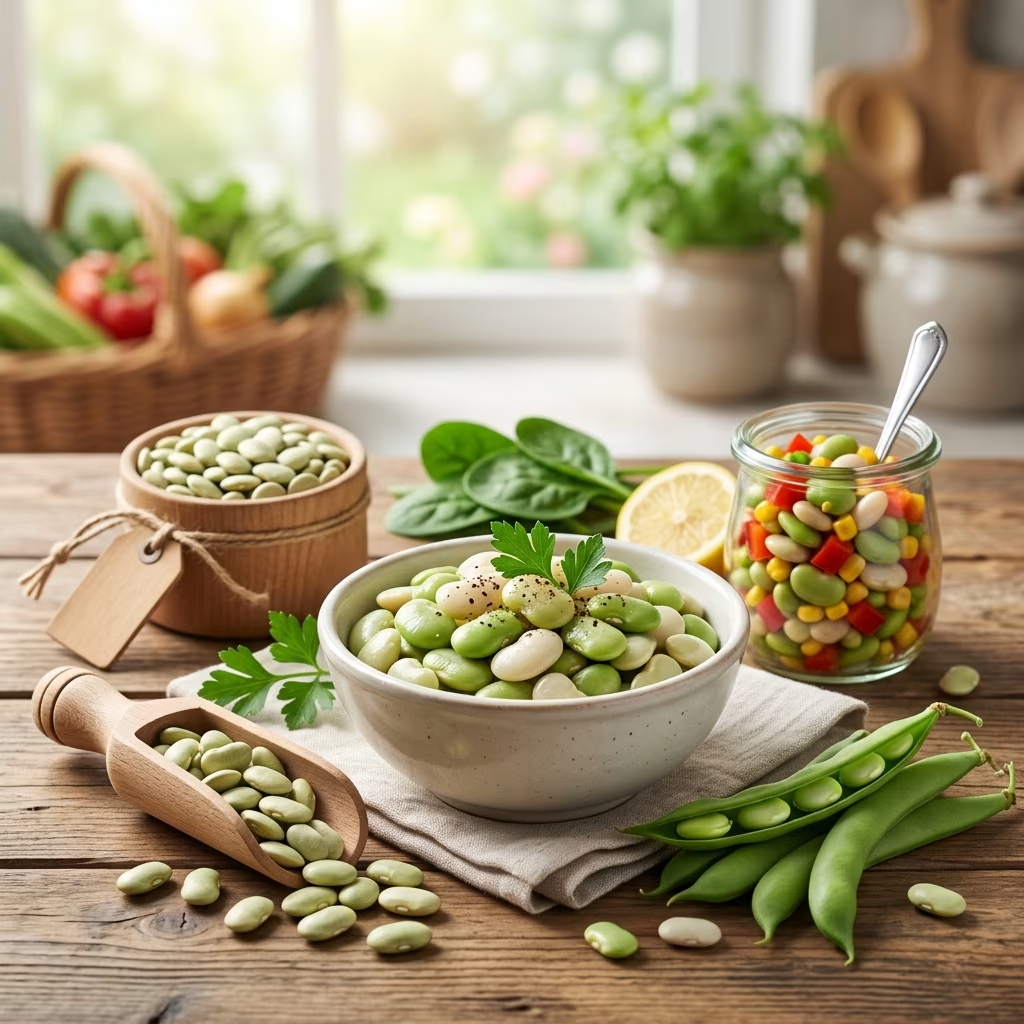
Lima Beans: Nutrition, Health Benefits, Preparation, and Risks
Lima beans—also known as butter beans—are a versatile legume with a mild, creamy flavor and a rich nutritional profile. This comprehensive guide explores their origin, varieties, nutritional facts, health benefits, recommended ways to prepare them, potential side effects, and answers to frequently asked questions. Whether you are a seasoned cook or new to using beans, you’ll find expert tips to enjoy lima beans in a healthy, safe, and delicious way.
What Are Lima Beans?
Lima beans (Phaseolus lunatus) are flat, kidney-shaped legumes native to Central and South America. Named after the capital of Peru, they are commonly called butter beans due to their creamy texture when cooked.
- Habitat: Lima beans grow in warm climates and are harvested in the summer months.
- Varieties: Lima beans are available as small or large beans. The smaller types are more tender and the larger ones (like ‘Fordhook’) become extra creamy when cooked.
- Other Names: In India, they’re called ‘double beans’; Greek gigantes beans are a type of dried lima bean.
Types of Lima Beans
- Fresh Lima Beans: Picked before full maturity, tender, usually green, white, purple, or speckled.
- Dried Lima Beans: Mature beans, cream-colored or white, used for long-term storage.
- Canned/Frozen Lima Beans: Convenient options for quick meals.
Nutritional Profile of Lima Beans
Lima beans are packed with essential nutrients that contribute to a balanced diet. Here’s a closer look at their nutritional breakdown:
| Nutrient | Per 100 g (Cooked) | Health Roles |
|---|---|---|
| Calories | ~115 kcal | Energy |
| Protein | ~7.8 g | Muscle repair & growth |
| Dietary Fiber | ~7 g | Digestive health |
| Carbohydrates | ~20 g | Energy source |
| Potassium | ~508 mg | Heart, nerve & muscle function |
| Iron | ~2.2 mg | Red blood cell production |
| Magnesium | ~43 mg | Bone & heart health |
| Vitamin B6 | ~0.13 mg | Enzyme function |
Lima beans are low in fat, cholesterol-free, and provide a good dose of both protein and fiber, making them ideal for various dietary needs.
Health Benefits of Lima Beans
Regular consumption of lima beans offers a host of health benefits:
- Supports Weight Loss: High dietary fiber keeps you feeling full longer, helps regulate appetite, and supports healthy digestion.
- Improves Heart Health: Magnesium and potassium regulate blood pressure, while soluble fiber can reduce cholesterol levels.
- Regulates Blood Sugar: Slow-digesting carbohydrates and fiber help moderate blood sugar spikes, benefiting diabetics.
- Boosts Cognitive Function: Iron and B vitamins support brain function and oxygen delivery.
- Promotes Muscle and Nerve Health: The magnesium content aids nerve signaling and muscle contraction.
- Improves Immune System: Minerals and antioxidants in lima beans strengthen immune defense.
Other Potential Benefits
- Antioxidant Properties: Lima beans contain polyphenols that help neutralize free radicals.
- Gut Health: Fiber acts as a prebiotic, supporting healthy gut microbes.
Lima beans are naturally gluten-free, making them suitable for those with gluten intolerance or celiac disease.
Lima Beans: Taste and Culinary Uses
Lima beans are lusciously creamy and mild. Fresh lima beans have a texture similar to edamame and fava beans. Dried lima beans are tender and easily absorb flavors, making them perfect for soups and stews.
- Packed with flavor: Their high starch turns broth creamy and absorbs spices well.
- Versatile: Use lima beans in salads, hummus, soups, stews, casseroles, and as a protein source in vegetarian dishes.
Popular Lima Bean Recipes
- Greek Gigantes Plaki: Slow cooked with tomatoes and herbs.
- Lima Bean Pesto Hummus: Smooth and tangy dip.
- Autumn Lima Bean Stew: Hearty and comforting.
- Big Bean Soup: Classic winter comfort food.
- Oven-Roasted Lima Beans: Crispy bean snack (see recipe below).
Lima Beans Preparation and Cooking Tips
Lima beans are available in fresh, frozen, dried, and canned forms. Here’s how to choose and cook each:
- Frozen Lima Beans: Convenient, rich in nutrients, and quick to cook. Simply boil or steam.
- Dried Lima Beans: Require soaking and longer cooking; ideal for stews and soups. Rinse, soak (overnight for best results), and cook until tender.
- Canned Lima Beans: Ready to use, just rinse off the packing liquid before adding to dishes. Be wary of varieties labeled “seasoned,” which may contain added oils or meats.
- Fresh Lima Beans: Shell before cooking, then boil or steam until tender.
General Cooking Tips
- Always rinse beans before cooking to remove residues and possible allergens.
- Canned beans should be rinsed to eliminate excess sodium and packing liquid.
- If overcooked, lima beans can be mashed and seasoned as a side dish.
- Freeze cooked beans in portions for up to nine months.
Simple Oven-Roasted Lima Beans Recipe
- Soak dry lima beans overnight, then boil until tender.
- Pat dry, toss with oil, Italian seasoning, salt, and spread on a baking tray.
- Bake at 400°F for 10-12 minutes until crispy, then cool and enjoy.
- Optional: Add parmesan, lemon zest, or red pepper flakes for flavor.
Potential Risks and Precautions
While lima beans offer numerous benefits, some precautions and potential risks should be noted:
- Raw Lima Bean Toxicity: Uncooked lima beans contain cyanogenic glycosides, which can release cyanide. Always cook lima beans thoroughly to eliminate this compound.
- Allergies: Although rare, some people may be allergic to legumes.
- Flatulence: Like most beans, lima beans may cause bloating or gas due to their fiber content. Gradually increase intake and soak beans to reduce effects.
- Sodium in Canned Beans: Some packaged beans are high in sodium; rinsing and using low-sodium options is advisable.
Selection and Storage Tips
- Fresh Lima Beans: Should be firm, brightly colored, and without blemishes.
- Dried Lima Beans: Store in a cool, dry place; ensure beans are smooth and free of cracks.
- Frozen Lima Beans: Keep in freezer until ready to use.
- Canned Lima Beans: Check labels and rinse before use.
How to Incorporate Lima Beans in Your Diet
Lima beans can be added to a wide variety of dishes:
- Mix into vegetable stews, chili, or minestrone.
- Blend into spreads and dips, like hummus.
- Add to salads for a protein boost.
- Use as a side dish with herbs, lemon, and olive oil.
- Stir into rice or grain bowls for a hearty meal.
Frequently Asked Questions (FAQs)
Q: Are lima beans and butter beans the same?
A: Yes. Though the names vary by region, lima beans and butter beans refer to the same legume.
Q: Can I eat lima beans raw?
A: No, raw lima beans contain compounds that can produce cyanide. Always cook them thoroughly before eating.
Q: Are lima beans suitable for diabetics?
A: Yes. Their high fiber and slow-release carbohydrates help regulate blood sugar levels.
Q: How can I reduce bloating from lima beans?
A: Soak and rinse dried beans before cooking, limit portion size initially, and gradually build up your intake.
Q: How long can I store cooked lima beans?
A: You can refrigerate cooked lima beans for up to 3–4 days or freeze them for up to nine months in airtight containers.
Conclusion
Lima beans are a nutritional powerhouse with a creamy texture that appeals to many palates. With their flexible culinary uses, widespread availability, and potent health benefits, incorporating lima beans into your diet is a tasty and wise decision. Cook them well, experiment with creative recipes, and enjoy their contribution to your wellbeing.
References
- https://southernbite.com/southern-lima-beans-butter-beans/
- https://www.forksoverknives.com/how-tos/what-are-lima-beans-aka-butter-beans/
- https://www.youtube.com/watch?v=pBjS7aBXZs0
- https://www.stylecraze.com/articles/lima-beans/
- https://www.britannica.com/plant/lima-bean
- https://www.innichkachef.com/post/soutern-style-instant-pot-creamy-lima-beans-vegan-video


