


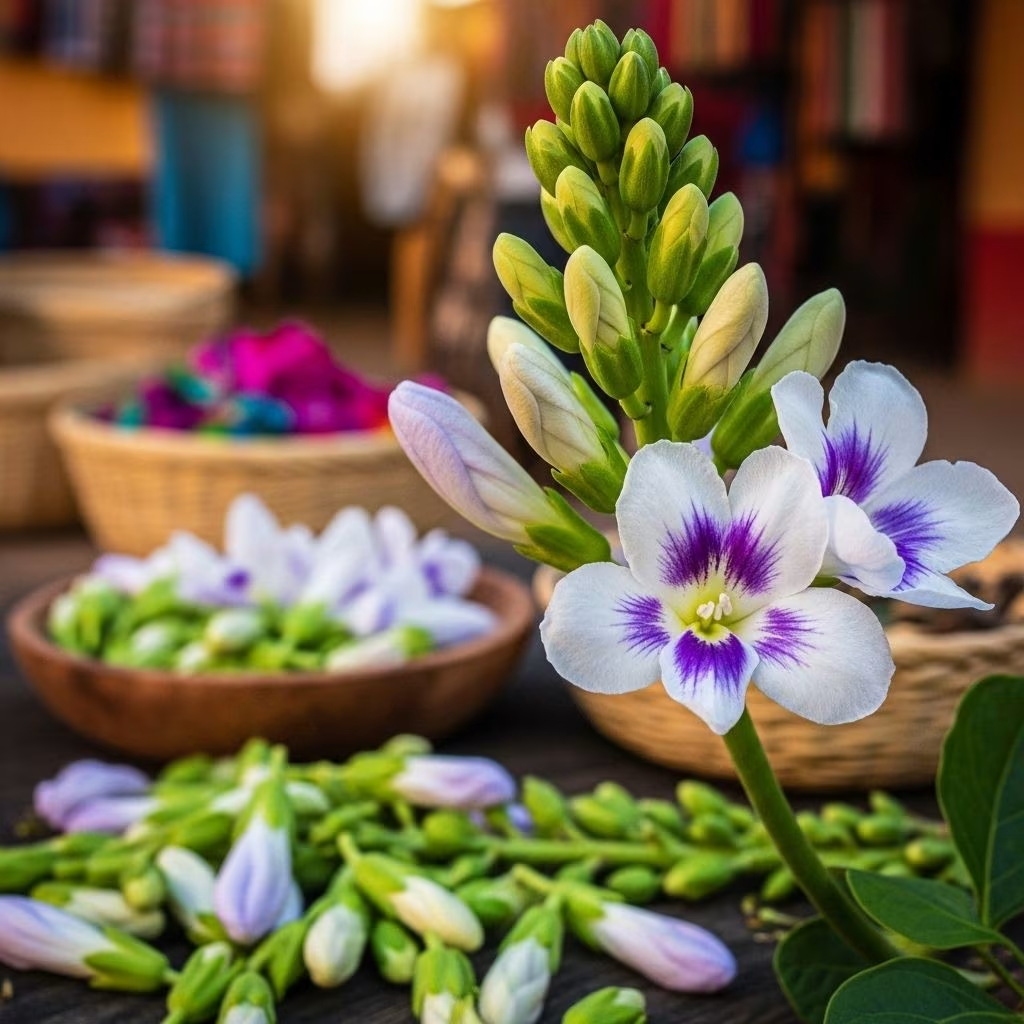
Loroco: Central America’s Sacred Flower
Among the many treasures of Central American cuisine, few ingredients evoke as much heritage, nostalgia, and culinary creativity as loroco. Native to El Salvador, Guatemala, Honduras, and parts of Mexico, this edible flower bud has been cherished for centuries not only for its unique taste but also for its nutritional value, versatility in cooking, and symbolic role in cultural identity.
In this comprehensive guide, we explore the origins, botany, health benefits, traditional uses, and the extraordinary flavor profile of loroco, revealing why it remains a beloved ingredient in traditional and modern kitchens alike.
Origin and Botanical Description
Loroco is the common name for the plant classified as either Fernaldia pandurata or Echites panduratus, a perennial, herbaceous, climbing vine in the Apocynaceae family. The plant is native to the wet, warm, and tropical regions of Central America, with its range extending from northeastern Mexico through Costa Rica.
In indigenous cultures, loroco is locally called “quilite,” which translates as “edible herb.” Its prized buds and flowers have been central to local diets and ceremonies for generations.
Distinctive Features
- Appearance: The loroco plant has long, slender stems that twine and climb, supporting broad, flat, green leaves with an oblong to ovate shape. The flower clusters typically range from 8 to 32 buds, which remain tightly closed at harvest.
- Flowers: Loroco is celebrated for its green, unopened flower buds encased protectively. Inside, soft white petals cluster densely, yielding buds between 1 and 2 inches long.
- Growth Habit: A rapidly climbing vine, loroco is capable of reaching heights of 10–15 feet with proper support. Loroco can sprawl across fences, trellises, or walls, making it suitable for both ornamental and edible gardens.
Geographic Distribution
- Native to El Salvador, Honduras, Guatemala, and parts of Mexico
- Commonly found in home gardens and small-scale commercial farms throughout Central America
- Increasingly exported, particularly to the United States, reflecting its growing culinary appeal outside its native region
Nutritional Benefits of Loroco
Although loroco is primarily celebrated for its taste, it also delivers notable nutritional benefits, making it a valuable addition to regional diets.
Like many edible flowers, loroco is packed with vitamins, minerals, and plant compounds. It is particularly rich in:
- Vitamin A – essential for eye health, immune function, and skin integrity
- Vitamin C – a potent antioxidant that supports immunity and tissue repair
- Iron – a mineral central for oxygen transport and energy metabolism; useful in diets where iron deficiency anemia is common
- Calcium – crucial for bone health, muscle contraction, and nerve signaling
These nutritional features make loroco an important contributor to the healthfulness of traditional Central American diets. Edible buds also deliver low-calorie, high-fiber content, which may aid in digestion and satiety.
Culinary Uses of Loroco
Loroco is a cornerstone ingredient in Salvadoran cooking and has been embraced in other Central American cuisines. The aromatic flower buds are harvested before blooming and used fresh, pickled, or canned for year-round enjoyment.
Traditional Dishes Featuring Loroco
- Pupusas de Queso con Loroco: Pupusas—thick handmade corn tortillas stufffed with cheese and loroco buds—are the signature dish of El Salvador. The loroco lends its bright, tangy flavor, giving pupusas a distinct taste unmatched by any substitute.
- Rice and Grain Dishes: Fresh loroco is stirred into steamed rice or mixed with corn, beans, or other grains, complementing traditional flavors with its earthy undertones.
- Soups and Stews: Loroco is also added to soups (especially chicken or vegetable soups), delivering aromatic complexity and taste.
- Salads and Egg Dishes: Chopped loroco buds appear in salads, tortillas, and omelets, adding a mild, vegetal crunch.
- Sauces and Relishes: Minced loroco is turned into flavorful sauces or pickled and paired with grilled meats or tamales.
Modern Uses
- Pesto, pizza toppings, pasta fillings, and as a natural ingredient in innovative chef-driven recipes
- Cheese blends, dips, and even artisan breads
Preparation Methods
- Fresh (typically the preferred use for maximum flavor and aroma)
- Frozen or canned (for off-season availability)
- Pickled—offering a tangy version ideal for sandwiches or empanadas
- Sautéed, roasted, or steamed as a standalone side or incorporated into mixed dishes
Taste Profile: What Does Loroco Taste Like?
Loroco’s flavor is universally described as distinctive and complex, offering a blend of earthy, vegetal, and mildly bitter notes with underlying sweetness.
- Vegetal and Earthy: Loroco’s taste is closest to a marriage of asparagus, chard, artichoke, and broccoli, delivering both savory and green flavors.
- Floral Sweetness: A subtle, delicate floral undertone softens its earthier elements, making it appealing even to those typically averse to bitter flavors.
- Nuttiness and Tang: Underneath, nutty and woody notes blend with faint acidity and a tangy aftertaste, yielding a unique “pungent” finish.
- Crisp Texture: The unopened buds are succulent and slightly crisp, retaining texture even after cooking.
This combination makes loroco especially versatile in cooking—it can elevate simple dishes or stand up to bold flavors in complex recipes.
How to Grow Loroco: Cultivation and Care
For both home gardeners and small farmers, loroco is a rewarding addition—easy to grow once established, relatively low maintenance, and resilient in tropical climates.
Optimal Growing Conditions:
- Temperature: Thrives best between 70°F and 85°F
- Sunlight: Prefers full sun to partial shade
- Soil: Requires well-drained, fertile soil. Organic matter or compost is beneficial.
- Support: The climbing vine grows best with adequate support—fences, trellises, or walls
- Watering: Moderate, consistent irrigation is recommended—do not waterlog, as roots may rot
Growing Tips:
- Can be cultivated in-ground or in containers
- Once rooted, grows rapidly and begins flowering from late spring to early fall
- Flowers may be produced year-round in hot, humid climates with steady irrigation
For urban gardeners, loroco’s adaptability to container growing provides an opportunity to enjoy fresh edible flowers even in limited spaces.
Health Benefits and Risks
The inclusion of loroco in regular diets provides a combination of elemental nutrition, plant-derived antioxidants, and beneficial phytonutrients.
| Component | Health Benefit |
|---|---|
| Vitamin A | Supports vision, immune defense, and skin health |
| Vitamin C | Promotes immune protection and collagen synthesis |
| Iron | Helps in oxygen transport and energy production |
| Calcium | Essential for bone maintenance and cellular signaling |
| Fiber | Aids digestion and helps control blood sugar |
Antioxidant and Anti-Inflammatory Potential
- Loroco’s antioxidant compounds can help reduce oxidative stress, which might protect against cellular damage and chronic diseases.
- May support heart, eye, and immune health due to vitamin and mineral diversity
- Contains phytonutrients associated with plant-based diets and overall wellness
Possible Risks and Considerations
- No known adverse health effects for most people when consumed in typical culinary quantities.
- Rare allergy or intolerance is possible; always test in small amounts if new to your diet.
- Pregnant and breastfeeding women, and those with severe allergies, should consult with a healthcare provider before trying loroco or any new edible flower.
Cultural Significance of Loroco
Loroco is more than just a food ingredient—it is a symbol of regional history, identity, and pride throughout Central America.
Role in Salvadoran Cuisine
- Pupusas with Loroco: A staple and often considered the national dish. Loroco pupusas are enjoyed on family occasions, market days, and celebrations, connecting generations through flavor.
- Traditional Festivals: Loroco is featured prominently during Salvadoran holidays and communal feasts, reflecting its status as a cultural delicacy.
- Symbol of Home: For Salvadoran diaspora communities, loroco dishes evoke memories and reinforce ties to their homeland.
Indigenous and Folk Uses
- Believed by some indigenous groups to have mild medicinal qualities
- Used in folk remedies and as a natural flavoring agent beyond food
- Its cultivation and harvest support smallholder farmers and local food economies
Frequently Asked Questions (FAQs)
Q: What is loroco, exactly?
A: Loroco is an edible unopened flower bud harvested from the climbing vine Fernaldia pandurata (sometimes classed as Echites panduratus). It is a celebrated ingredient in Central American cuisine, prized for its unique flavor and nutritional value.
Q: How do you eat loroco?
A: Loroco is most famously used as a filling in Salvadoran pupusas but is also cooked in soups, stews, rice, salads, and egg dishes. It can be eaten fresh, pickled, frozen, or canned.
Q: What does loroco taste like?
A: Its taste combines savory vegetal notes (akin to asparagus and artichoke) with a subtle floral and nutty tang. The texture is crisp and succulent when cooked.
Q: Is loroco healthy?
A: Yes. Loroco is low in calories and high in vitamins (A and C), iron, calcium, and beneficial plant fiber. It may offer antioxidant and anti-inflammatory benefits.
Q: Can I grow loroco at home?
A: Absolutely—if you have a warm climate (70–85°F), a sunny spot, and a trellis or other support. Loroco is adaptable to containers or garden beds.
Q: Are there any risks?
A: Loroco is generally considered safe for consumption by most people. Individuals with severe allergies or new to edible flowers should consult a healthcare provider first.
Summary: Why Loroco Matters
Loroco bridges the worlds of heritage and health, melding centuries-old cultural tradition with modern culinary innovation. Its edible buds deliver a uniquely complex flavor and reliable nutritional benefit, enriching iconic dishes like pupusas while inviting creative cooking both in Central America and abroad.
Easy to grow, safe to eat, and brimming with stories, loroco stands as a symbol of the living bond between land, people, and food. Whether tasted for the first time or savored across generations, loroco’s pungent, floral bouquet offers a window into the vibrant heart of Central American cuisine.
References
- https://agricarehub.com/loroco-plant/
- https://sowexotic.com/products/lorocco-fernaldia-pandurata
- https://specialtyproduce.com/produce/Loroco_Blossoms_15208.php
- https://yourlatinanutritionist.com/blog/what-is-loroco
- https://en.wikipedia.org/wiki/Echites_panduratus
- https://worldcrops.org/crops/loroco/index.html
- https://www.eattheweeds.com/tag/loroco/
- http://culinary-adventures-with-cam.blogspot.com/2010/02/loroco-flower.html
- https://plants.usda.gov/plant-profile/FEPA3


