


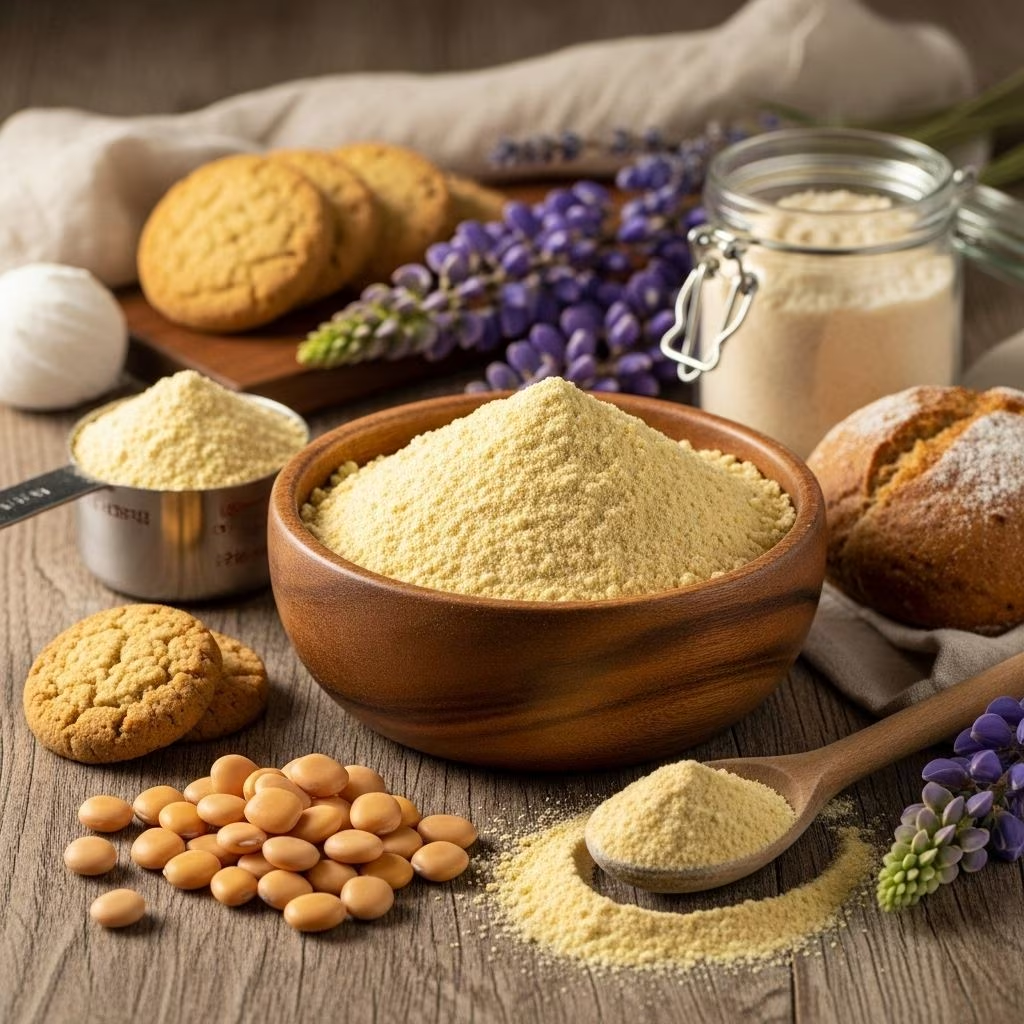
Lupin flour has emerged as a popular ingredient among health-conscious home cooks, bakers pursuing gluten-free options, and anyone seeking to boost their diet’s protein and fiber content. Derived from the sweet lupin bean, this flour delivers not just impressive nutritional credentials but also versatile uses across sweet and savory baking. In this comprehensive guide, you’ll learn about its origins, nutritional value, practical baking applications, ideal substitutes, and its impact on special diets like keto and gluten-free baking.
What is Lupin Flour?
Lupin flour is a gluten-free flour milled from the sweet lupin bean, a legume closely related to peanuts and soybeans. Predominantly cultivated in Mediterranean regions, Australia, and parts of South America, the sweet lupin variety is favored for its low bitterness and safety in consumption compared to wild bitter lupin beans. The flour is pale yellow, finely textured, and recognized for its high protein, low starch, and rich fiber content.
Comparison with Other Legume Flours
| Attribute | Lupin Flour | Chickpea Flour | Soy Flour | Almond Flour |
|---|---|---|---|---|
| Gluten-Free | Yes | Yes | Yes | Yes |
| Carbohydrates (per 100g) | 10–15g | 57g | 30g | 10g |
| Protein (per 100g) | 35–40g | 21g | 40g | 21g |
| Fat (per 100g) | 5–7g | 6g | 20g | 50g |
| Flavor | Slightly sweet, earthy | Nutty, beany | Beany | Mild, nutty |
Nutritional Profile of Lupin Flour
Lupin flour is celebrated for its high protein, high fiber, and low carb characteristics. It’s also low in fat compared to most nut flours and contains essential micronutrients. Here’s a general breakdown per 100 grams:
- Calories: 330–350 kcal
- Protein: 35–40 grams (about double that of chickpea or almond flour)
- Carbohydrates: 10–15 grams (of which fiber constitutes around 30% of its overall weight)
- Dietary Fiber: 30 grams (excellent for digestive health)
- Total Fat: 5–7 grams
- Micronutrients: Rich in potassium, magnesium, calcium, and B vitamins
- Gluten: Naturally gluten-free
Due to its unique nutritional profile, lupin flour aligns perfectly with popular eating plans like keto, low-carb, high-protein, Mediterranean, and gluten-free diets.
Health Benefits of Lupin Flour
- Blood Sugar Control: Its low glycemic index and minimal net carbs help stabilize blood sugar, making it suitable for people with diabetes or on low-carb diets.
- Digestive Health: With 30g fiber per 100g, lupin flour effectively supports digestive health, helps with satiety, and promotes a healthy gut microbiome.
- Weight Management: High protein and fiber content extend satiety, reducing overall calorie intake.
- Heart Health: The soluble fiber in lupin beans can help lower cholesterol levels and support cardiovascular wellness.
- Plant-Based Protein Source: It’s a valuable protein source for vegetarians, vegans, or anyone wanting to reduce animal products.
Baking Uses: Sweet & Savory Applications
Lupin flour’s nutritional strengths are matched by its versatility in the kitchen. Its fine texture, mild flavor, and naturally gluten-free structure allow it to shine in both sweet and savory recipes:
Sweet Recipes
- Keto Cookies and Brookies: Lupin flour is frequently used in keto-friendly cookies, creating chewy, soft, and golden treats with much fewer carbs than traditional wheat-based cookies.
- Brownies and Cakes: Its high protein delivers structure to brownies, cakes, and blondies, making them fudgy and moist without the grittiness common in some gluten-free flours.
- Pancakes and Waffles: Lupin flour’s binding quality and subtle sweetness help produce fluffy pancakes and golden-brown waffles that don’t crumble easily, unlike some coconut and almond flour blends—with the added bonus of protein and fiber boost.
Savory Recipes
- Bread: Lupin flour is an excellent base for grain-free, low-carb, or gluten-free bread with a light, tender texture. Its unique characteristics boost structure without excessive density.
- Pizza Crusts: Combining lupin flour with other low-carb flours (like almond, coconut, or psyllium husk) yields sturdy low-carb pizza bases.
- Biscuits & Muffins: Keto biscuits, scones, burger buns, and savory muffins all benefit from lupin flour’s fluffiness and moisture-retaining abilities. Mixing with Greek yogurt or eggs ensures tenderness and a more traditional bite.
Beyond these, lupin flour can enrich crepes, tortillas, protein bars, quick breads, and even as a thickening agent in sauces and batters.
Best Lupin Flour Brands
The quality of lupin flour can greatly influence the outcome of baked goods. According to experienced bakers, brands such as Lupina are often recommended for their fine texture and subtle, non-bitter taste. Some other commercial brands may impart a slightly bitter aftertaste, particularly when used in large quantities or without complementary ingredients. Mixing with almond or coconut flour can help diminish any lingering bitterness.
Tips for Baking with Lupin Flour
- Blending Flours: For best flavor and texture, combine lupin flour with almond, coconut, or oat fiber flours. A common ratio is replacing 10–30% of total flour with lupin flour in a recipe.
- Binding Agents: Since it lacks gluten, recipes may require eggs, xanthan gum, or psyllium husk to bind and hold structure, especially in bread or cakes.
- Moisture Adjustment: Lupin flour absorbs less liquid than coconut flour but more than wheat flour. If your batter feels dry, add more wet ingredients like eggs, yogurt, or oil.
- Bitter Notes: To mask any faint bitterness, pair lupin flour with strong flavors—chocolate, cinnamon, vanilla, or robust spices. Sweeteners can mellow the taste in desserts.
- Cooking Times: Lupin-based baked goods often bake faster than their wheat counterparts. Keep an eye on the oven and avoid overbaking to retain moistness.
- Culinary Experimentation: Try lupin flour first in small batches—such as cookies or muffins—before substituting it for all-purpose flour in larger, delicate cakes or breads.
Substitutes for Lupin Flour
Lupin flour is increasingly accessible, but if you need a substitute—whether due to allergies, availability, or flavor preference—here are several alternatives:
- Chickpea (Gram) Flour: Closely related botanically, chickpea flour provides a similar protein boost but higher carbs and a stronger beany flavor. Works best in savory goods, pancakes, or crackers.
- Soy Flour: Provides comparable protein content but a more pronounced legume flavor, and it is a common allergen for some.
- Almond Flour: Keto-friendly and gluten-free, almond flour offers a mild, nutty taste, lower net carbs (though higher fat), and a finer crumb. Often works best blended with other flours for structure.
- Coconut Flour: A popular low-carb option. Absorbs much more liquid, so recipes require modifications in liquid and egg content.
- Oat Fiber: For a more neutral flavor and extra fiber in gluten-free baking, though without as much protein.
| Substitute | Best For | Notes |
|---|---|---|
| Chickpea Flour | Pancakes, breads, savory muffins | Higher in carbs, beany taste |
| Almond Flour | Cookies, cakes, brownies | Mild, nutty, higher fat |
| Coconut Flour | Pancakes, muffins, quick breads | Extremely absorbent; adjust liquids/eggs |
| Soy Flour | Breads, thickening | Allergen, beany flavor |
Potential Allergies & Considerations
- Legume Allergy: Lupin is a legume and shares allergenic compounds with peanuts and soy. Cross-reactivity can occur—individuals allergic to peanuts should exercise caution and consult a healthcare provider before consuming lupin flour.
- Bitter Varieties: Only sweet lupin varieties are recommended for food use; bitter types contain harmful alkaloids and should not be consumed.
- Digestive Sensitivity: High fiber content may cause bloating or digestive discomfort in sensitive individuals when consumed in large quantities. Start with small servings to assess tolerance.
Frequently Asked Questions (FAQs)
Q: What does lupin flour taste like?
A: Lupin flour has a very mild, slightly nutty flavor—a little less pronounced than chickpea or soy flour. It integrates smoothly into both sweet and savory recipes, though a slight bitterness may be noticeable if used as the sole flour. Mixing with other flours or adding sweeteners/spices masks this easily.
Q: How do I substitute lupin flour in recipes?
A: As a rule, replace 10-30% of total flour in a given recipe with lupin flour. For gluten-free recipes, blend it with almond or coconut flours, add eggs/xanthan gum, and always check consistency—adjusting liquids as needed. For wheat flour substitution, avoid replacing all the wheat flour with lupin unless also providing alternative structural binders.
Q: Is lupin flour safe for people with celiac disease?
A: Yes, lupin flour is naturally gluten-free and safe for people with celiac disease when produced on equipment free from gluten contamination. Always check for certified gluten-free labeling if you have severe gluten allergies.
Q: Is lupin flour keto-friendly?
A: Absolutely. With minimal net carbs, very high protein, and high fiber, it is ideal for keto, low-carb, and diabetic-friendly recipes. Its performance in baking is superior to coconut flour in terms of texture and retention of moisture.
Q: Can lupin flour replace almond flour?
A: Lupin and almond flour can often be exchanged in baking blends, though the flavor profiles differ (almond is nuttier, lupin is mild and slightly earthy). Lupin flour is lower in fat and carbs and provides more protein per gram. Blend both for optimal results in most baked goods.
Quick Lupin Flour Recipes
- Keto Chocolate Chip Cookies: Mix lupin flour with almond flour, eggs, sweetener, and chocolate chips for chewy, golden cookies. Bake at 350°F for 10–12 minutes.
- Lupin Flour Waffles: Prepare a batter with lupin flour, eggs, milk, and your preferred keto-friendly sweetener. Cook in a hot waffle iron until golden and crisp.
- Lupin Bread: Blend lupin flour, eggs, yogurt, and baking powder. Bake as a loaf or as rolls for soft, high-protein bread.
- Lupin Brownies: Combine lupin flour, cocoa powder, eggs, and natural sweeteners for delicious fudgy brownies with a protein boost.
Conclusion
Lupin flour stands out as a sustainable, highly nutritious, and adaptable option for gluten-free, low-carb, and protein-rich baking. While it sometimes benefits from blending with other flours for best results, its rise in popularity has expanded the scope of healthy baked goods worldwide. Always check for allergies, source from reputable brands, and don’t hesitate to experiment—your kitchen and taste buds may thank you!
References
- https://www.fatkitchen.com/keto-lupin-flour-chocolate-chip-cookies/
- https://onandoffketo.com/lupin-flour-recipes-that-are-divine/
- https://www.youtube.com/watch?v=zwGvZIY97jo
- https://www.unconventionalbaker.com/lupin-flour-brookies/
- https://www.modernmountainbaking.com/blogs/recipes/top-lupin-flour-recipes
- https://www.lupinsforlife.com.au/recipes/
- https://thelupinco.com.au/lupin-flour-recipes-for-keto-diet-keto-flour/


