


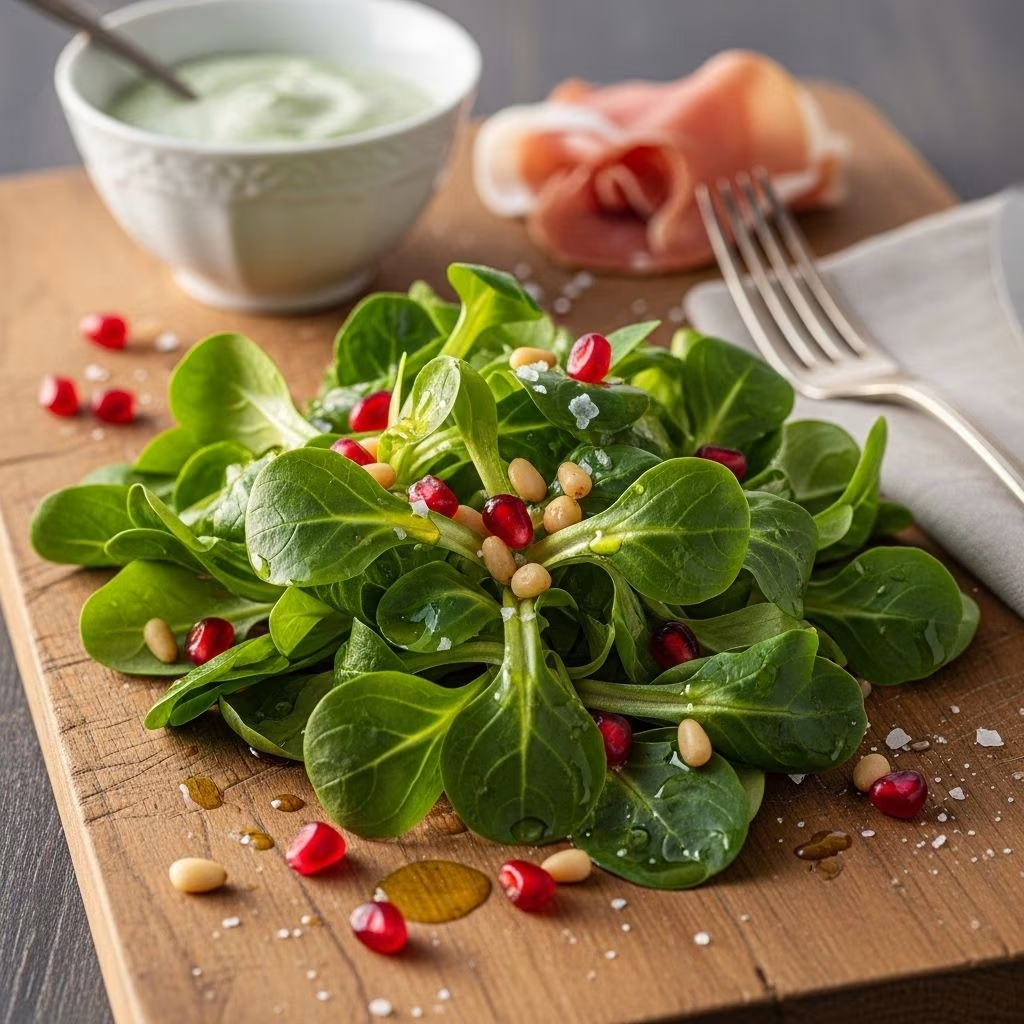
Mâche (Valerianella locusta), often called lamb’s lettuce, corn salad, or field salad, is a tender, mild-flavored leafy green hailed for its delicate taste, nutritional value, and versatility in the kitchen. Once foraged as a wild green from European fields, mâche has transitioned into a sought-after gourmet ingredient prized by chefs and home cooks alike. In this comprehensive article, we’ll explore mâche’s rich history, nutritional advantages, culinary applications, growing habits, and its unique taste profile.
Overview: Mâche at a Glance
Mâche is a small leafy green, forming neat rosettes of spoon-shaped leaves, typically harvested as a whole plant up to 10–30 centimeters in height. With more than 200 varieties grown worldwide, it’s both a feast for the palate and a specialty crop cherished in European and North American markets.
Alternate names include lamb’s lettuce, corn salad, field salad, nut lettuce, fetticus, and doucette.
Mâche is cold-tolerant, thriving in fall through mid-spring, and can survive frost, making it ideal for winter harvests.
The leaves remain tender and pleasantly sweet throughout chilly months, offering a contrast to harsher winter greens.
Origin & History of Mâche
Mâche has a rags-to-riches background. Originally a humble weed, this green volunteered itself between European crop rows, notably among corn, rye, and wheat. French gardeners embraced it in the 17th century for its delicate taste and nutritional value, and Thomas Jefferson later brought seeds to America after encountering mâche in France.
It also plays a whimsical part in folklore, appearing in the ‘Rapunzel’ fairy tale as the coveted green that leads the peasant woman to the witch’s garden.
Until recent decades, fresh mâche was a rarity outside Europe, mostly grown by passionate gardeners or sold for a premium at farmers’ markets. Now, thanks to global interest, it appears in specialty stores, supermarkets, and gourmet restaurant menus.
- Botanical family: Caprifoliaceae
- Scientific name: Valerianella locusta
- Names in different regions: Corn salad, lamb’s lettuce, doucette (France), nut lettuce
- Peak season: Fall through mid-spring (but can be grown year-round)
Plant Description & Varieties
Mâche forms clustered rosettes of 6–8 elongated, rounded leaves.
Leaves are bright to dark green, thin, pliable, and easily bruised.
Surface varies from smooth to gently textured, with prominent veining.
Stem is razor thin and tender.
Maintaining the rosette keeps leaves fresher for longer, as individual leaves bruise easily.
There are two main seed types for cultivation: small-seeded (for colder climates) and large-seeded (better for warmer conditions).
- Height: 10–30 centimeters (about 4–12 inches)
- Leaf length: 8–10 centimeters (about 3–4 inches)
- Texture: Succulent, velvety, crisp when raw; mellows when cooked
- Varieties: Over 200 exist, with differences in taste, hardiness, and appearance
- Yield: Relatively low; a specialty crop often hand-harvested
Nutrition Facts & Health Benefits
Mâche is a nutritional powerhouse, especially for its size. Organically grown mâche can deliver an impressive range of vitamins, minerals, and phytonutrients, making it one of the healthiest options among salad greens.
- Rich in Vitamin C: A 3.5-ounce serving supplies about 64% of daily value
- Contains iron: For healthy red blood cell formation
- Source of omega-3 fatty acids: Promotes heart and brain health
- Founded minerals: Calcium, copper, manganese, phosphorus, potassium
- B vitamins: B2, B6, B9 (folate) – vital for energy and cellular health
- Other nutrients: Tryptophan (an essential amino acid), Vitamin A
Here’s a breakdown of the significant nutrients found in mâche per 100g:
| Nutrient | Amount (per 100g) | Key Benefits |
|---|---|---|
| Vitamin C | 38–49 mg | Antioxidant, immune support |
| Iron | 2 mg | Blood health, oxygen transport |
| Vitamin A | 1,400 IU | Skin, vision, immunity |
| Folate (B9) | 145 mcg | Cell division, fetal development |
| Omega-3 | 47 mg | Cardiovascular, neurological support |
| Calories | 20 kcal | Low-calorie, diet-friendly |
Health benefits of mâche include:
- Supporting immune function with its high Vitamin C content
- Promoting cardiovascular health with omega-3s and potassium
- Aiding digestion and metabolic function thanks to B vitamins and fiber
- Improving skin, eye health, and immunity via Vitamin A
- Beneficial for pregnancy and cell repair due to folate
- No bitterness, even when flowering, making it ideal for sensitive palates
Culinary Uses: How to Use Mâche
Mâche’s mild, nutty flavor and pleasing texture make it an exceptionally versatile ingredient. It’s primarily used raw, though gentle cooking is possible.
- Salads: The most classic application is as the base for fresh salads, either solo or mixed with other greens. Mâche pairs especially well with citrus, apple slices, avocado, walnuts, and soft cheeses like goat or feta.
- Garnish: Its pretty rosettes appear atop soups, canapés, sandwiches, and small plates for visual appeal and texture.
- Cooked dishes: Mâche can be gently wilted or sautéed, often added last to a warm dish (like risotto or pasta) to retain its delicate character.
- Egg dishes: Used in omelets, frittatas, or as a bed for poached eggs.
- Vegan recipes: Excellent in Buddha bowls or savory grain salads for nutrition and color.
- Smoothies: A mild background green for juices and smoothies without overpowering flavor.
Mâche’s leaves are fragile; avoid aggressive mixing. Light vinaigrettes or simple lemon-oil dressings help highlight its flavor.
Preparation & Storage Tips
- Washing: Gently rinse mâche to remove dirt but avoid soaking—the leaves bruise easily.
- Drying: Pat dry with a towel or use a salad spinner on low speed.
- Storage: Store intact rosettes in the fridge, preferably in a perforated bag to preserve moisture. Separate leaves should be used promptly due to delicate structure.
- Trimming: Remove tough roots before serving. Individual leaves may be snipped for salads or kept whole as garnish.
- Cooking: If using heat, add mâche just before serving; overcooking dulls flavor and texture.
Taste Profile: What Does Mâche Taste Like?
Mâche is celebrated for its mild, nutty flavor with subtle herbal and tangy notes—a refreshing alternative to bitter or peppery greens. Texture is springy, supple, crisp, and velvety, with a mellow mouthfeel.
It remains sweet and tender throughout winter, even when other greens become tough or bitter.
When cooked, the flavor becomes even subtler and takes on a hint of other ingredients.
Growing Mâche in Your Garden
Mâche is a cool-weather crop ideally suited for fall-to-spring harvesting. It is hardy, frost-tolerant, and frequently self-seeds, returning year after year.
- Planting time: After the corn harvest or in early autumn
- Growing conditions: Prefers light shade, moist but well-drained soil, and cool temperatures; avoid summer heat
- Spacing: Sow seeds close for dense foliage or further apart for larger rosettes
- Maintenance: Minimal; mâche is resistant to most pests and diseases. Self-seeds in mild climates.
- Harvest: Pick whole rosettes or snip individual leaves once they reach several inches; frequent picking encourages regrowth
Growing Tips
- Choose small-seeded varieties for cold climates; large-seeded types for milder regions
- Harvest before flowering for best taste and texture
- Successive planting ensures a fresh supply through winter and early spring
Mâche vs Other Salad Greens
| Feature | Mâche | Arugula | Spinach | Lettuce |
|---|---|---|---|---|
| Flavor | Mild, nutty, slightly herbal | Peppery, spicy | Earthy, mild | Varies: mild to bland |
| Texture | Crisp, velvety, delicate | Soft, slightly rough | Tender, slightly chewy | Crispy, watery |
| Season | Cool-season, winter hardy | Cool-mid season | Year-round | Year-round |
| Nutrition | High in vitamin C, iron, folate | Vitamin K, C, calcium | Iron, vitamin A | Varies |
| Yield | Low, gourmet specialty | Moderate | High | Very high |
Frequently Asked Questions about Mâche
Q: What is mâche called in stores or markets?
A: Mâche is often labeled as lamb’s lettuce, corn salad, or field salad, depending on location and tradition.
Q: Is mâche easy to grow in home gardens?
A: Yes, mâche thrives in cool weather, is frost-tolerant, and often self-seeds; ideal for fall to spring gardening.
Q: How does mâche differ from lamb’s quarters?
A: Despite similar names, lamb’s quarters is a completely different, unrelated wild green. Mâche is Valerianella locusta, while lamb’s quarters is Chenopodium album.
Q: Can you cook mâche?
A: Mâche can be gently wilted or sautéed but is best enjoyed raw to preserve its delicate flavor and texture.
Q: Why is mâche considered a gourmet ingredient?
A: Mâche’s refined flavor, tender leaves, winter hardiness, and low-yield production make it prized by chefs for specialty dishes and upscale salads.
Q: Is it safe for people with allergies?
A: Mâche is not related to common allergen greens and is generally safe; always consult a health professional if you have plant-related allergies.
Final Thoughts
Mâche exemplifies the potential of humble plants to become culinary stars. With its combination of nutrition, history, and versatility, this little green delivers extraordinary benefits for health-minded eaters and flavor lovers. Whether grown in your garden or chosen from a specialty market, mâche offers a delicate, nutty, and elegant experience unmatched by other greens.
References
- https://specialtyproduce.com/produce/Mache_518.php
- https://foodprint.org/real-food/mache/
- https://living-mudflower.blogspot.com/2020/10/obscure-salad-vegetables-mache-and.html
- https://dutchmeadowsfarm.com/blog/what-are-mache-greens-how-should-i-prepare-them
- https://en.wikipedia.org/wiki/Valeriana_locusta
- https://ucanr.edu/blog/spill-beans/article/mache-lettuce
- https://www.gardenopoliscleveland.org/2017/04/mache-the-fairytale-lettuce/
- https://dictionary.cambridge.org/us/dictionary/english/mache
- https://www.freshpoint.com/archive/commodity-lettuces-mache/
- https://ckenb.blogspot.com/2013/10/mache.html


