


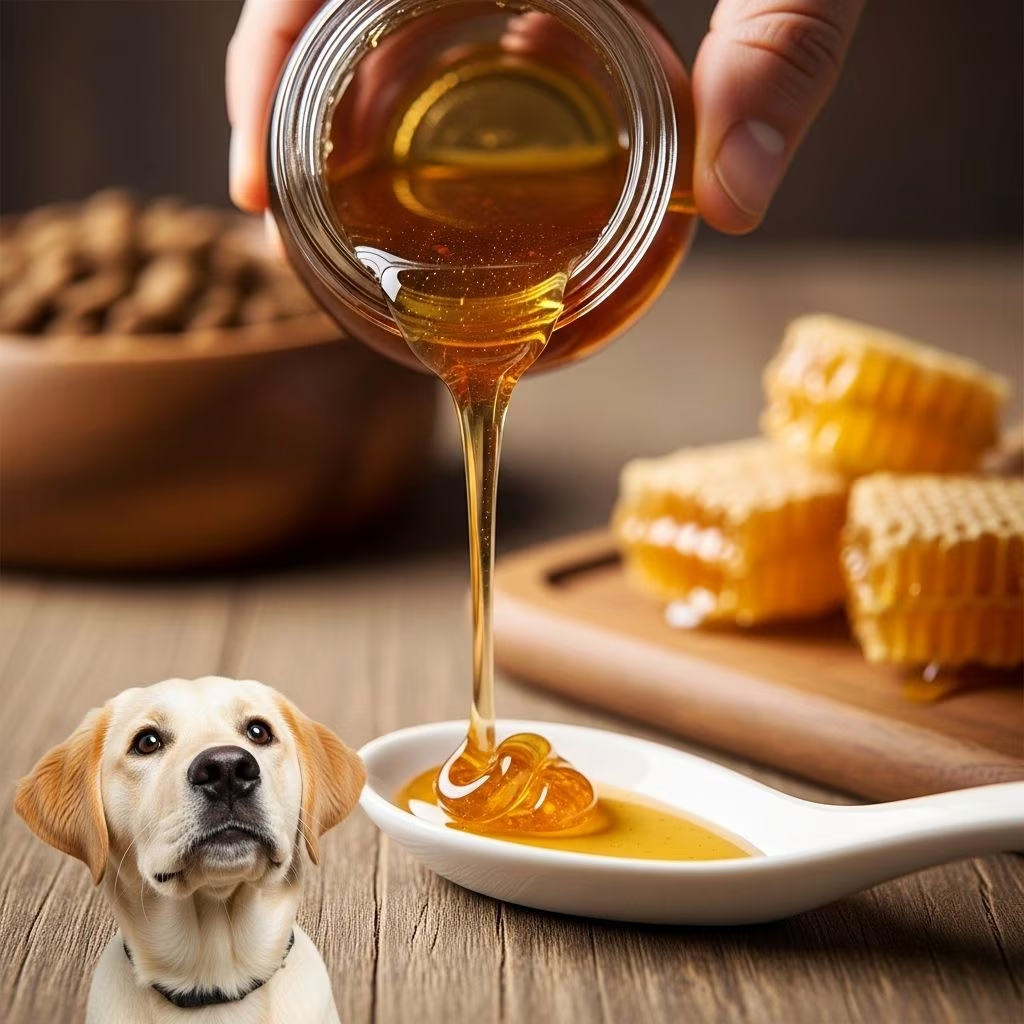
Introduction to Manuka Honey for Dogs
Manuka honey, a unique honey native to New Zealand and Australia, has gained global recognition for its exceptional medicinal properties. Increasingly, pet owners are turning to Manuka honey as a natural supplement for their dogs, seeking to enhance wellness, support digestion, and even treat minor ailments. This guide explores the science, benefits, and practical considerations for incorporating Manuka honey into your dog’s health regimen.
What is Manuka Honey?
Manuka honey is produced by bees pollinating the Manuka bush (Leptospermum scoparium). What sets it apart from regular honey is its high concentration of methylglyoxal (MGO), which gives it potent antibacterial, antiviral, and anti-inflammatory properties. The quality and potency of Manuka honey are certified by the Unique Manuka Factor (UMF) rating—higher UMF numbers (e.g., 10+, 15+, 20+) indicate greater antibacterial activity and therapeutic value.
Scientific Evidence of Manuka Honey’s Benefits
Research on Manuka honey in dogs is limited but promising. Studies in humans and animals show it has broad-spectrum antimicrobial effects, supports wound healing, and may help manage gastrointestinal and respiratory issues. Its benefits are largely attributed to its unique compounds, which are not found in significant amounts in other types of honey.
Active Compounds in Manuka Honey
- Methylglyoxal (MGO): The main antibacterial agent responsible for Manuka honey’s healing properties.
- Dihydroxyacetone (DHA): A precursor that converts to MGO over time, enhancing honey’s potency.
- Phenols and Flavonoids: Antioxidants that help reduce oxidative stress and inflammation.
Health Benefits of Manuka Honey for Dogs
Manuka honey offers multiple health benefits for dogs, from internal wellness to topical applications.
Immune System Support
Manuka honey’s antioxidants and antimicrobial compounds can help strengthen your dog’s immune system, making them less susceptible to infections and illnesses. This is especially beneficial during periods of stress, travel, or exposure to new environments.
Digestive Health
Rich in prebiotics and probiotics, Manuka honey helps maintain a healthy gut microbiome, aiding digestion and alleviating issues like constipation, diarrhea, and indigestion. It can also soothe inflammation caused by food allergies or inflammatory bowel disease.
Wound Healing and Skin Care
Applied topically, Manuka honey can accelerate wound healing, reduce infection risk, and soothe skin conditions such as hot spots, eczema, and insect bites. Its antibacterial and anti-inflammatory properties help clean wounds and promote healthy skin regrowth.
Dental and Oral Health
Manuka honey’s antibacterial action can help manage oral bacteria, potentially reducing plaque, gum disease, and bad breath. Higher UMF grades (e.g., 16+) are most effective for oral health.
Respiratory Health
For dogs with kennel cough or throat irritation, a small amount of Manuka honey can help soothe the throat and provide temporary relief due to its anti-inflammatory and antimicrobial effects.
How to Give Manuka Honey to Your Dog
While Manuka honey is generally safe for most dogs, proper dosage and administration are key to maximizing benefits and minimizing risks.
Recommended Dosage
| Dog Size | Daily Dosage | Frequency |
|---|---|---|
| Small (under 20 lbs) | 1/4 – 1/2 teaspoon | 1–2 times daily |
| Medium (20–60 lbs) | 1/2 – 1 teaspoon | 1–2 times daily |
| Large (over 60 lbs) | 1–2 teaspoons | 1–2 times daily |
Note: These amounts are for short-term therapeutic use. For daily wellness, halve the dosage. Always consult your vet before starting any new supplement.
Methods of Administration
- Mix with Food: Stir into your dog’s regular meal for easy ingestion.
- Direct Feeding: Offer a small amount directly, or smear onto a treat.
- Topical Application: For skin issues, apply a thin layer directly to the affected area. Cover with a bandage if needed to prevent licking.
Safety and Precautions
While Manuka honey is safe for most adult dogs, there are important precautions to consider:
- Avoid for Puppies: Young puppies and dogs with compromised immune systems should not be given honey.
- Diabetic and Obese Dogs: Due to its high sugar content, avoid giving Manuka honey to diabetic or overweight dogs.
- Allergies: Some dogs may be sensitive or allergic to honey. Introduce slowly and monitor for adverse reactions.
- Quality Matters: Always choose certified UMF-rated Manuka honey to ensure authenticity and potency.
Choosing the Right Manuka Honey
Not all Manuka honey is created equal. Look for:
- UMF Certification: Ensures genuine Manuka honey with verified potency.
- Appropriate UMF Rating: For immune and digestive support, UMF 10+ or 15+ is usually sufficient. For skin or oral health, higher grades (16+) are recommended.
- Packaging: Glass jars with airtight seals help preserve quality.
Frequently Asked Questions (FAQs)
Q: Can all dogs have Manuka honey?
A: No. Puppies, diabetic dogs, obese dogs, and those with compromised immune systems should not be given Manuka honey due to risks of infection or blood sugar spikes.
Q: How much Manuka honey can I give my dog?
A: Dosage depends on your dog’s size and health. Start with a small amount (e.g., 1/4 teaspoon for small dogs) and observe for any adverse reactions. Always consult your vet for personalized advice.
Q: Can Manuka honey help with dog allergies?
A: Manuka honey may help soothe skin irritation and reduce inflammation, but there is no strong evidence it treats underlying allergies in dogs.
Q: How should I store Manuka honey?
A: Store in a cool, dark place, away from direct sunlight. Avoid refrigeration, as it can cause crystallization.
Q: Can I use Manuka honey for my dog’s wound?
A: Yes, Manuka honey can be applied topically to minor wounds, burns, or skin infections to promote healing and prevent infection. For serious injuries, always seek veterinary care first.
Conclusion
Manuka honey offers a range of potential benefits for dogs, from immune support and digestive health to wound healing and skin care. When used responsibly and under veterinary guidance, it can be a valuable addition to your dog’s wellness routine. Always choose high-quality, certified Manuka honey, follow recommended dosages, and monitor your dog for any adverse reactions. By doing so, you can harness the power of nature to help your canine companion live a healthier, happier life.
References
- https://drloudon.com/pet-health/manuka-honey-for-dogs-natures-liquid-gold-for-healing/
- https://www.ellevetsciences.com/pet-care/is-manuka-honey-good-for-dogs/
- https://www.manukaguard.com/blogs/news/manuka-honey-for-dogs-a-short-go-to-guide
- https://www.australiasmanuka.com.au/manuka-honey-for-dogs/
- https://www.dogsnaturallymagazine.com/manuka-honey-for-your-dog/
- https://newzealandhoneyco.com/blogs/honey-articles/manuka-honey-for-dogs
- https://www.petmd.com/dog/nutrition/can-dogs-eat-honey
- https://www.loonawell.com/a/blog/manuka-honey-for-dogs
- https://eu.steenshoney.com/pages/manuka-honey-for-pets
- https://www.beesandtrees.com/blogs/news/manuka-honey-for-pets


