


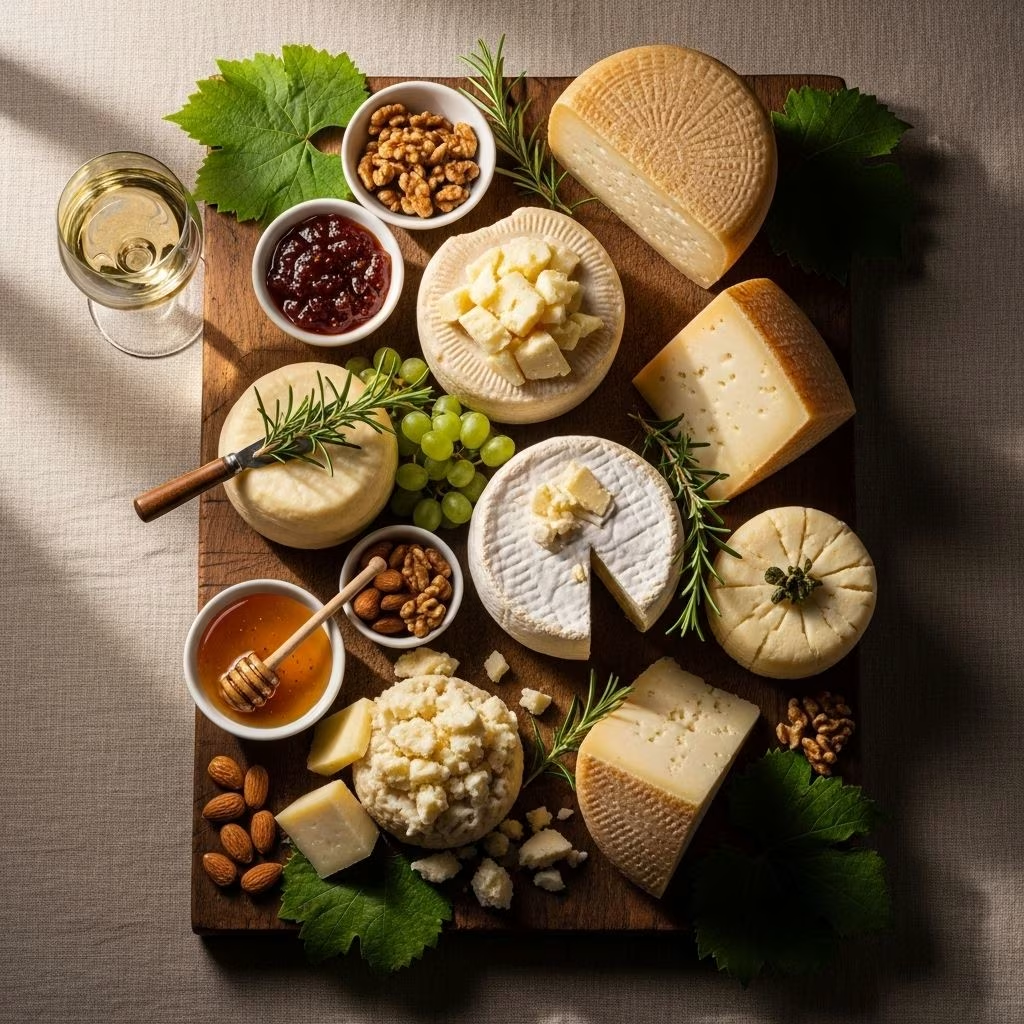
The Marche region of central Italy boasts a legacy of traditional cheese-making that draws on centuries of rural expertise, diverse pastures, and a devotion to local flavors. This article provides an in-depth look at what makes Marche cheese unique, explores its acclaimed varieties, outlines health benefits, culinary uses, and guides you through its rich spectrum of flavors and textures.
Marche Cheese Overview: Tradition and Geography
The Marche region, tucked between the Apennine mountains and the Adriatic coast, is renowned for its hills and high-quality pastures—an ideal setting for dairy farming. This landscape, coupled with a devotion to ancient methods, produces cheeses that are deeply rooted in the local terroir and traditions.
Cheese-making in Marche stretches back centuries, with some varieties even referenced in Renaissance cookbooks. The people of Marche remain loyal to their gastronomic heritage, focusing on authenticity and preservation of traditional practices.
- Cheese categories: Mainly divided into caciotte (mild, semi-soft cheeses), pecorini (sheep’s milk cheeses), and unique specialty types.
- Traditional production: Many cheeses are still hand-made, using milk from indigenous sheep and cow breeds and often matured in specially prepared stone pits or caves for nuanced flavors.
- Recognition: Several Marche cheeses, such as Casciotta di Urbino, hold the coveted PDO (Protected Designation of Origin) status, highlighting their historic and regional exclusivity.
Main Varieties of Marche Cheese
Marche’s cheeses reflect the diversity of its landscape and agricultural practice. While there are many local specialties, a few are particularly celebrated:
- Casciotta di Urbino (PDO): Arguably the most iconic cheese from Marche, beloved since the Renaissance and enjoyed by Michelangelo Buonarroti. This semi-cooked cheese is made from a blend of sheep’s milk (about 70–80%) and cow’s milk (about 20–30%). The texture is soft and dense; the flavor is mild, sweet, and delicately aromatic. Production is strictly limited to the province of Pesaro Urbino, following ancient recipes.
- Pecorino dei Monti Sibillini: A robust, fully sheep’s milk cheese from the Sibillini mountains. It is often aged to develop a more intense and tangy flavor, with crumbly or semi-hard texture. Sometimes matured in underground pits for extra complexity.
- Formaggio di Fossa: This “cheese from the pit” is customarily matured in sandstone or tuff pits dug into the ground. The maturing time underground (80–100 days) produces earthy, nutty, and piquant flavors, resulting in a cheese with firm but yielding paste and a distinct aroma.
- Caciotta: A semi-soft, mild cow’s milk cheese, sometimes mixed with sheep’s or goat’s milk. Caciotta can be eaten fresh or slightly aged. Varieties may be flavored with pepper, saffron, lemon, or herbs, making this cheese remarkably versatile.
- Pecorino di Farindola: Traditionally made from sheep’s milk coagulant, sometimes using rennet from wild thistle flowers, giving a unique, somewhat herbal tang in the finished cheese.
- Ambra di Talamello: Also known as a formaggio di fossa from Talamello, this cheese features a soft, straw-colored rind, compact white interior, and subtle flavors.
- Lemon-shaped Cheese: A rare, ancient cheese from the Metauro Valley, formed in terracotta molds, dry salted with lemon zest, and briefly aged for a fresh, citrus-infused flavor.
- Slattato: A fresh, soft cow’s milk cheese known for its creamy, mild taste and fine eyes in the paste.
Comparative Table of Key Marche Cheeses
| Cheese | Main Milk | Texture | Flavor Profile | Special Maturation |
|---|---|---|---|---|
| Casciotta di Urbino | Sheep + Cow | Semi-soft | Mild, sweet, delicate | Traditional briquettes, surface-matured |
| Pecorino dei Monti Sibillini | Sheep | Semi-hard/hard | Robust, tangy, intense | Aged, sometimes in pits |
| Formaggio di Fossa | Sheep or Mix | Firm, crumbly | Earthy, pungent, complex | Matured underground (80–100 days) |
| Caciotta | Cow (+Sheep/Goat) | Semi-soft / fresh | Mild, creamy, sometimes herbed | Short maturation, fresh varieties |
| Lemon-shaped Cheese | Sheep | Soft, fresh | Citrus, tangy, aromatic | Short aging, lemon zest salting |
Nutritional Benefits of Marche Cheese
Like most traditional, minimally processed cheeses, Marche cheeses can be a valuable source of nutrition when eaten in moderation. While specific nutritional content varies by cheese, typical benefits include:
- High protein content: Essential for muscle repair, growth, and satiety.
- Rich in calcium and phosphorus: Important for bone health and metabolic function.
- Healthy fats: Cheeses like those from Marche provide both saturated and unsaturated fats for sustained energy.
- Vitamins: Good source of vitamins A, D, and several B vitamins, which support vision, immunity, and energy metabolism.
- Probiotics: Traditional, raw, or minimally pasteurized cheeses may contain beneficial live cultures, promoting gut health.
- Bioactive compounds: Aging methods (such as underground maturation) may enhance antioxidant content and unique peptides beneficial for cardiovascular health.
However, due to their richness, portion sizes should be moderate, particularly for varieties with higher fat or sodium content. True artisanal cheeses tend to be denser in nutrients and free from additives compared to mass-produced options.
How to Use Marche Cheese in Cooking
The exceptional diversity of Marche cheeses lends itself well to both traditional Italian and modern culinary recipes. Here are several ways you can incorporate these cheeses into your kitchen:
- Cheese Boards: Serve a variety of Marche cheeses with cured meats, local honey, figs, and rustic bread for a classic appetizer or antipasto.
- Pasta Dishes: Grate mature pecorini or formaggio di fossa over pasta for a tangy, piquant flavor.
- Salads: Add thin shavings of Casciotta di Urbino or fresh caciotta to salads alongside walnuts and pears.
- Baking: Use caciotta or slattato in savory pies, focaccia, or cheese breads.
- Grilling: Firmer cheeses can be briefly grilled or pan-seared for a warm, melting centerpiece.
- Stuffing: Fill fresh vegetables like zucchini or peppers with cheese mixtures for a delicate starter.
- Accompaniment: Pair slivers of lemon-shaped cheese with herbaceous olive oil and cracked black pepper for a refreshing taste.
Taste and Texture: What to Expect
Marche cheeses carry a range of flavors—from fresh and delicate to robust and aged—with textures to match their aging process and milk base:
- Casciotta di Urbino: Creamy, soft, and yielding, with a gently lactic sweetness and subtle buttery finish. Best enjoyed young, it is never sharp or overpowering.
- Pecorino: Depending on age, flavor can range from grassy and mildly savory to spicy, nutty, and sharply salty. Texture evolves from soft to crumbly and firm with time.
- Formaggio di Fossa: Pungent, complex, with earthy, musky notes and a dense, firm texture. The aging in pits adds a distinct rustic character.
- Caciotta: Young varieties are soft, moist, and mild; aged types become denser, developing richer profiles, sometimes enhanced by added pepper, lemon, or herbs.
- Specialty Cheeses: Additions like lemon zest or wild herbs impart an extra aromatic freshness to otherwise mild cheeses.
Consumers will notice that Marche cheeses, especially artisanally crafted varieties, present layers of flavor that reflect both the animal’s forage and the hands of their makers—it is this sense of “place” that makes them so prized.
Serving Suggestions and Pairings
- Wine pairing: Local Marche wines such as Verdicchio, Rosso Piceno, or Pecorino pair beautifully—white wines complement fresh and soft cheeses, while structured reds suit aged, piquant varieties.
- Honey and jams: Serve with acacia honey, fig jam, or mostarda for an elegant taste contrast.
- Nuts and fruits: Walnuts, pears, apples, or figs balance the richness of the cheese.
- Bread and crackers: Rustic, crusty loaves or unsalted crackers showcase the nuance of the cheese, especially for softer types like Casciotta or caciotta.
- Cured meats: Prosciutto, salami, or coppa elevate a Marche cheese board, bringing savory and umami elements.
Buying and Storing Marche Cheese
For authentic flavor, look for cheeses carrying PDO certification or those sourced from reputable producers specializing in traditional methods. When buying:
- Check labeling: PDO or “DOP” labels indicate protected, authentic products.
- Opt for whole pieces: Cheese cut on demand retains flavor and freshness better than pre-sliced portions.
Storage Tips:
- Keep cheese in wax paper or parchment in the vegetable drawer of your refrigerator; avoid plastic wrap, which can suffocate the cheese and alter its taste.
- Let cheese come to room temperature before serving—this releases its full flavor.
- Hard cheeses can be stored for weeks, while fresh or soft varieties (like caciotta or lemon cheese) should be consumed within a few days of opening.
- If mold appears on hard cheese, trim away 1–2cm around the spot; for soft cheese, discard to avoid deeper contamination.
Frequently Asked Questions (FAQs)
Q: What makes Marche cheese unique compared to other Italian regions?
A: Marche cheese combines mountain and coastal influences, rare local breeds, and ancient maturation methods such as pit-aging. Its emphasis on fresh, local milk and regional traditions imparts a character distinguishable from more widely known cheeses like Parmigiano Reggiano or Tuscan pecorini.
Q: Is Casciotta di Urbino suitable for vegetarians?
A: Traditional Casciotta di Urbino uses animal rennet (typically lamb), which may not be suitable for vegetarians. Some modern producers may offer vegetarian rennet versions, so it’s best to check the labeling or inquire directly if this is a concern.
Q: How can I serve Marche cheese for the best experience?
A: Serve at room temperature with simple accompaniments—rustic bread, fruit, or honey—and local wines. Enjoy each cheese separately to appreciate its unique flavors and aromas.
Q: Are Marche cheeses available internationally?
A: Some PDO Marche cheeses like Casciotta di Urbino and Formaggio di Fossa are exported, especially in specialty cheese shops and Italian delis. However, several lesser-known varieties are only available regionally or from artisan producers.
Q: What is the shelf life of Marche cheeses?
A: Hard or aged cheeses can be stored for weeks to months if properly wrapped and refrigerated. Fresh cheeses like caciotta and lemon cheese should be consumed within a few days of purchase for optimal taste and safety.
Final Thoughts
Marche cheeses offer a rich tapestry of flavor, nutrition, and cultural heritage, inviting both connoisseurs and everyday food lovers to explore the unique tastes of this Italian region. Whether grated over pasta, savored on a board, or enjoyed with local wines, these cheeses celebrate the intersection of tradition, milk, land, and skilled hands.
References
- https://allassaggio.it/formaggi-delle-marche/?lang=en
- https://cucineditalia.com/en/casciotta-di-urbino-cheese-michelangelo/
- https://primalwine.com/blogs/wine-regions/marche-land-of-wine-primal-wine-blog
- https://latavolamarche.blogspot.com/2011/01/unearthing-culinary-rariety-cheese-from.html
- https://www.friendsoflemarcheitaly.com/cheese
- https://www.tasteatlas.com/best-rated-cheeses-in-marche
- https://vellaneta.com/en/discover-le-marche/culinary-le-marche/
- https://en.wikipedia.org/wiki/List_of_Italian_cheeses
- https://www.friendsoflemarcheitaly.com/lemarchecuisine


