


Mealybugs on Orchids: Understanding, Managing, and Preventing This Pest
Orchids are prized for their delicate blooms and graceful foliage, but they can fall victim to a persistent and destructive pest: mealybugs. These tiny, cottony insects can cause significant harm to orchids if left unaddressed. This comprehensive guide will equip you with the knowledge to identify, treat, and prevent mealybug infestations, preserving the health and beauty of your plants.
What Are Mealybugs?
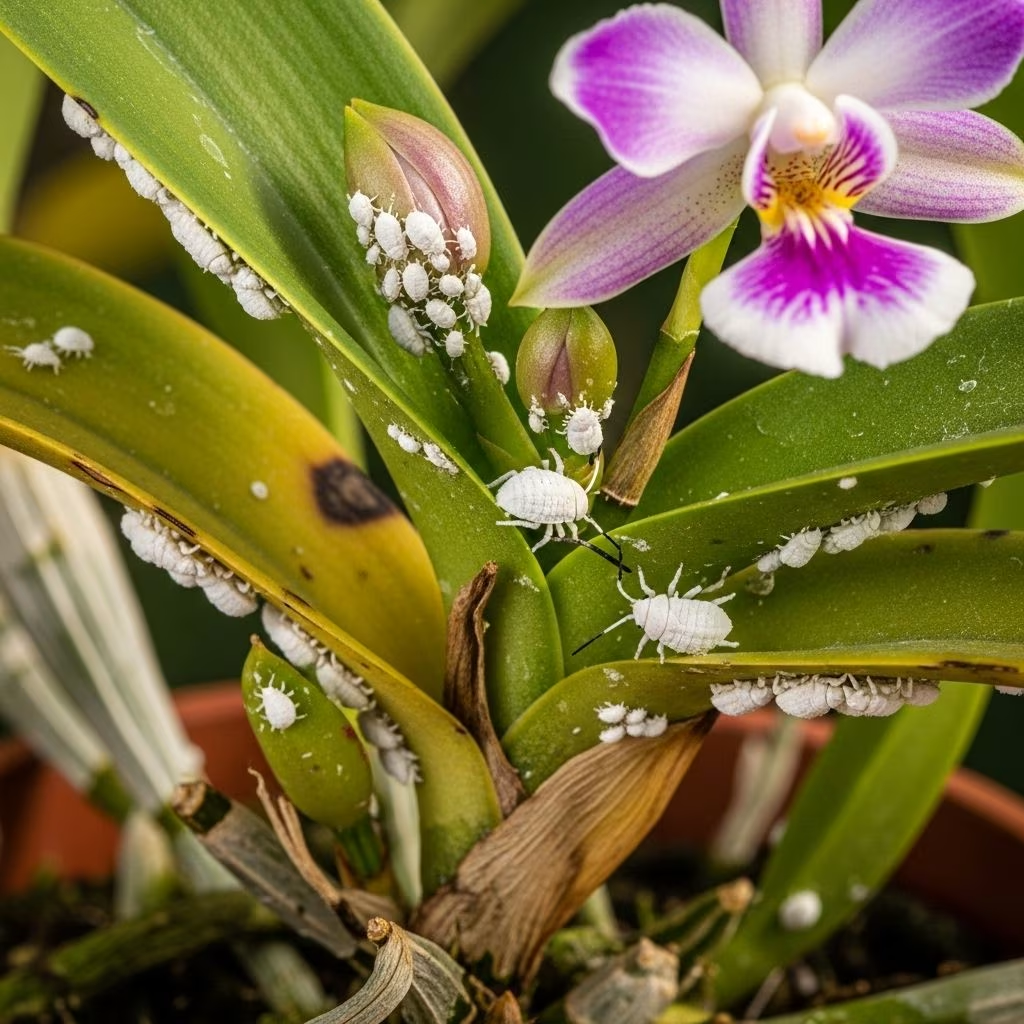
Mealybugs are small, soft-bodied insects belonging to the Pseudococcidae family. Although their actual bodies are pale pink, they appear white due to a waxy, cotton-like coating. This distinctive appearance makes them relatively easy to spot, especially in severe infestations.
Key characteristics of mealybugs on orchids include:
- White, fuzzy or cottony clusters on leaves, stems, and roots
- Oval-shaped, slow-moving, and about 1–3 mm long
- Produce sticky honeydew that attracts ants
Where Do Mealybugs Hide on Orchids?
Mealybugs prefer moist, sheltered spots on the plant and are adept at concealing themselves. Common locations include:
- Leaf junctures and undersides: Especially where a leaf meets the stem
- Roots and rhizomes: Hidden inside potting media or bark
- Pseudobulbs: Both on the surface and in crevices
- New growth: Emerging leaves, buds, sheaths, and flower spikes
- Pot edges and base: Sometimes crawling up from pots or trays
Because they are so well-hidden, a small mealybug population can persist undetected for weeks before visible signs appear.
Damage Caused by Mealybugs
Though they may appear harmless at first glance, mealybugs feed by sucking sap from the orchid’s tissues, especially favoring new and tender growth. This feeding behavior leads to multiple problems for orchids:
- Leaf yellowing and wilting: Due to sap loss and cell injury
- Stunted growth and deformed leaves: Young shoots often fail to develop properly
- Flower bud drop: Mealybug feeding interrupts bud formation and blooming
- Honeydew production: Sticky secretions promote the growth of sooty mold, further impairing photosynthesis
- Secondary infections: Damaged tissue becomes vulnerable to bacterial or fungal pathogens
- Root damage: If roots are infested in the potting medium, orchids may decline rapidly
Early intervention is essential, as severe infestations can lead to plant death—especially for young, small, or stressed orchids.
Signs of a Mealybug Infestation
You can identify a mealybug problem on orchids by watching for these warning signs:
- Cotton-like white fluff on leaves, especially at the base, and on stems and roots
- Sticky residue (honeydew) on plant surfaces and surrounding pots or shelves
- Ant activity around your orchid, drawn by the honeydew
- Yellowing, wilting, or curling leaves without obvious cause
- Blotchy, faded, or stippled foliage, sometimes with fuzzy bits that can be wiped away
- Sooty mold growth on associated sticky patches
- Reduced vigor, stunted growth, and failure to bloom
Regularly inspect both the top and underside of leaves, as well as the root system, especially if the orchid is declining for unexplained reasons.
Lifecycle & Spread
Mealybugs multiply rapidly and can infest an entire collection if left unchecked. Understanding their lifecycle helps inform control strategies:
- Eggs: Each female can lay hundreds—sometimes up to 600—eggs, often hidden in cottony masses
- Nymphs (crawlers): Wind-borne and highly mobile, nymphs move easily between plants
- Adults: Largely sedentary after settling on a feeding site, covered in white wax
- Viviparous reproduction: Some species, like citrus mealybugs, can give birth to live young under warm conditions
This rapid reproductive cycle means infestations can quickly get out of hand. Mealybugs can also hide and persist unseen in potting media, greenhouse crevices, or even under floors, re-emerging later and re-infesting plants.
How to Get Rid of Mealybugs on Orchids
Thorough and repeated action is necessary for mealybug eradication. Consider the following recommended steps:
1. Isolate the Infested Orchid
- Move the affected plant away from healthy orchids immediately
- Quarantine prevents spread while treatment is ongoing
2. Manual Removal
- Use a cotton swab, Q-tip, or soft brush dipped in 70% isopropyl rubbing alcohol to dab or wipe away mealybugs from leaves and roots
- Crush adults when visible and dispose of swabs in the trash, not the compost
- Check cracks, leaf axils, and under sheaths for hidden insects
3. Pruning and Cleaning
- Trim and discard heavily infested leaves, stems, or flowers
- Always sterilize pruning tools between cuts to avoid cross-contamination
- Remove all old flower stalks and dead plant material
4. Repotting
- Remove the orchid from its pot and discard all old potting media; do not reuse bark or mix as mealybug eggs and nymphs hide within
- Wash roots and the container thoroughly with soapy water or horticultural disinfectant
- Repot in fresh, sterile medium suitable for your orchid species
Natural and Chemical Control Methods
Multiple approaches may be needed, depending on infestation severity:
Alcohol Solution
- Use 70% isopropyl rubbing alcohol for direct contact killing of mealybugs on foliage and roots
- Apply with spray bottle, brush, or cotton swab—repeat every few days for several weeks
Horticultural Oils and Soaps
- Insecticidal soap (potassium salts of fatty acids) or horticultural oil coats soft-bodied insects, smothering them
- Spray according to label instructions, ensuring full coverage of affected areas
- Repeat applications may be necessary
Neem Oil
- An organic pesticide derived from neem tree seeds, effective for mealybug control
- Acts as a feeding deterrent, disrupts reproductive cycles, and suffocates pests
- Safe for most orchids when used as directed
Biological Controls
- Introduce natural predators such as ladybugs, lacewings, or predatory mites to the greenhouse or growing area to help keep mealybugs in check
- Best used as part of an integrated pest management (IPM) approach
Chemical Systemic Insecticides
- Products containing imidacloprid or acephate can be effective in severe cases; apply with care
- Systemics are absorbed by the plant and kill pests feeding on sap, but caution is required regarding possible side effects for orchids and pollinators
- Always follow product instructions and ensure local regulatory compliance
Diatomaceous Earth
- Sprinkle food-grade diatomaceous earth on media surface; the sharp particles lacerate and desiccate soft-bodied insects
- Use only in dry environments, as moisture reduces its effectiveness
Preventing Mealybug Infestations
Vigilance and proper care greatly reduce the risk of mealybug problems. Consider these best practices:
- Inspect new plants thoroughly before introducing them to your main collection
- Maintain cleanliness: Regularly clean benches, pots, trays, and growing locations
- Monitor regularly for early signs of pests—weekly inspections are ideal
- Control ants in the growing area, as they farm and protect mealybugs in exchange for honeydew
- Do not reuse old potting mix: Always use fresh, sterile media during repotting
- Promote plant vigor with appropriate watering, fertilization, and light to make orchids less susceptible to attack
Frequently Asked Questions (FAQs)
Q: Are mealybugs harmful to all types of orchids?
A: Yes, mealybugs can infest almost every genus of orchid, with particular severity in softer-leaved types like Phalaenopsis, Cattleya, and Oncidium.
Q: How often should I repeat mealybug treatment?
A: Repeat treatments every 5–7 days for at least three to four cycles to cover the entire lifecycle and emerging nymphs. Persistence is key for success.
Q: Is it safe to use alcohol, oil, or soap on all orchid species?
A: Most orchids tolerate 70% isopropyl alcohol spot treatments, but test any solution on a leaf section before broad application. Monitor for phytotoxicity, especially for specialty or miniature species.
Q: What should I do with heavily infested or dying orchids?
A: Severely infested or weakened plants may be best discarded to protect your remaining collection, especially if mealybugs persist after repeated treatment.
Q: How do I distinguish between mealybugs and scale insects?
A: Mealybugs look like soft, cottony puffs, while scale insects are hard-shelled, brown, or tan bumps that do not move. Treatment is similar, but identification helps fine-tune your approach.
Summary Table: Mealybug Control Methods for Orchids
| Method | Application | Notes |
|---|---|---|
| Manual Removal | Cotton swab & alcohol | Effective on small infestations; repeat multiple times |
| Pruning/Cleaning | Cut & dispose infested plant parts | Prevents further spread; sterilize tools |
| Repotting | Remove old media, wash roots, use fresh potting mix | Essential for severe or root infestations |
| Insecticidal Soap/Oil | Spray affected areas | Safe, repeat several times for results |
| Neem Oil | Spray foliage and stems | Organic; interrupts insect growth and feeding |
| Predatory Insects | Release ladybugs or lacewings | Best for greenhouses or large collections |
| Chemical Systemics | Apply to foliage and drench media | Use with caution; follow label strictly |
| Diatomaceous Earth | Apply dry to media surface | Ineffective if wet; avoid breathing dust |
Conclusion: Vigilance Is the Best Defense
Persistent, varied, and repeated action is required to successfully defeat mealybugs on orchids. Early detection, isolation, and diligent follow-up are crucial to restore your plants to health. Integrated use of physical, biological, and, if necessary, chemical controls provides the most lasting results. Always remember that healthy orchids are naturally more resilient, so attentive care is the best long-term preventative measure.
References
- https://www.waldor.com/blogs/news/effective-strategies-to-combat-mealy-bug-infestation-in-your-orchid-greenhouse
- https://www.tuckersorchidnursery.co.nz/blogs/news/mealy-bugs-and-how-to-handle-team
- https://www.justaddiceorchids.com/orchid-care-blog/combat-orchid-pests
- https://www.youtube.com/watch?v=XU2ftu5yt4Y
- https://www.aos.org/orchid-care/orchid-pests-and-diseases/mealybugs
- https://www.slippertalk.com/threads/mealybug-treatments-that-can-be-applied-directly-to-roots.53596/
- https://www.youtube.com/watch?v=B07CxVTc27E


