


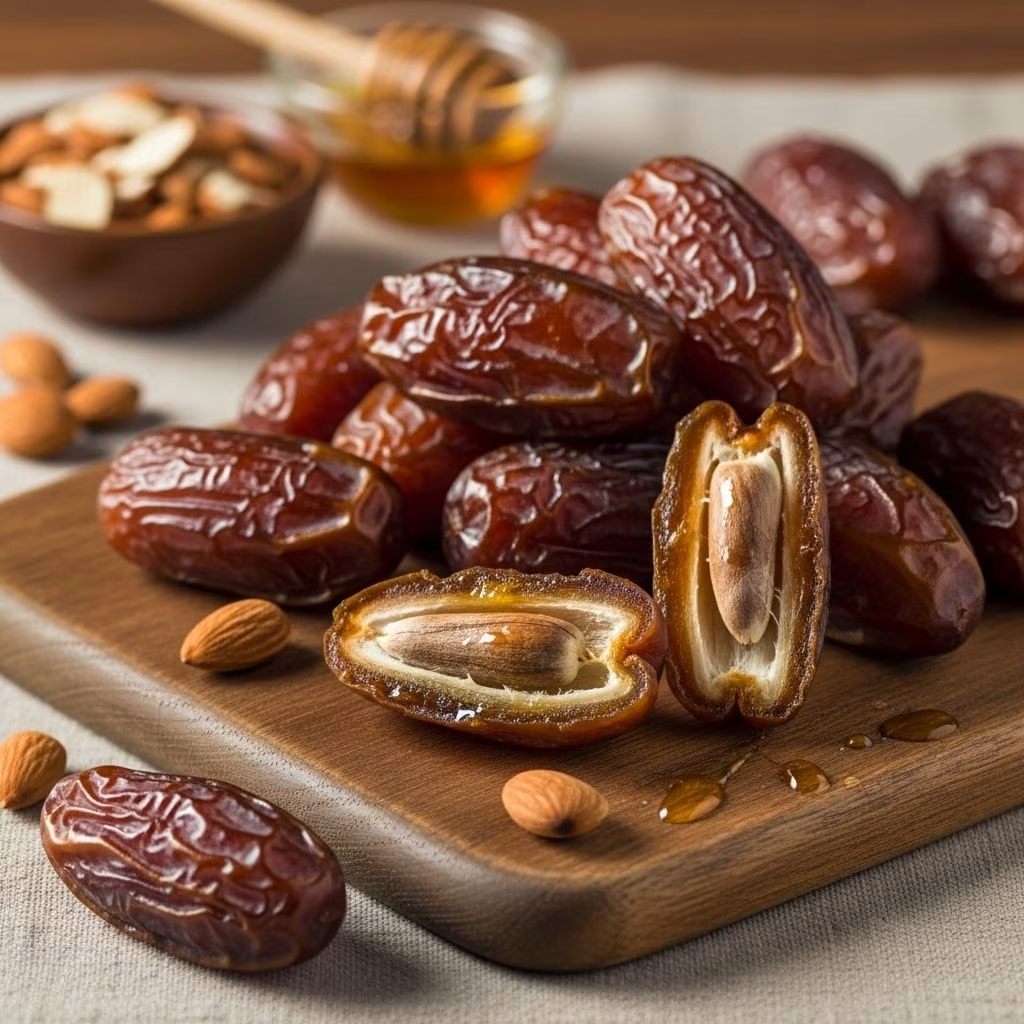
Celebrated as the King of Dates, Medjool dates are a fruit steeped in history and treasured for their sumptuous flavor, versatility, and substantial health benefits. Whether savored whole as a snack, blended into smoothies, or featured in gourmet dishes, Medjool dates have earned a prominent place in both modern kitchens and ancient traditions. This comprehensive guide delves into what sets Medjool dates apart, explores their nutritional profile, uncovers their remarkable health benefits, examines their many culinary uses, and describes their irresistible taste and texture.
Introduction to Medjool Dates
Medjool dates are a large, soft, and exceptionally sweet variety of the date fruit, botanically known as Phoenix dactylifera. Harvested from date palm trees that thrive in hot, arid environments, Medjool dates distinguish themselves from other date varieties by their pronounced size, moist flesh, and flavorful depth. Unlike many other dates commonly found in the baking aisle, Medjool dates are considered a fresh fruit—even when sold in the produce section—because they are harvested and packed without being physically or chemically dried.
History and Origin
The Medjool date’s roots stretch back to the lush oasis of the Tafilalt region in southeastern Morocco, where they were originally cultivated and prized as a princely delicacy. The name “Medjool” (Arabic: تمر المجهول, tamar al-majhūl) derives from Arabic, meaning “unknown” or “mysterious.” From their North African beginnings, their cultivation spread across the Middle East and North Africa, eventually making their way to the United States, Israel, Iran, and other regions with similar climates.
The cultivation of Medjool dates is steeped in tradition and labor-intensive techniques. Even today, the fruits are often hand-harvested to protect the delicate flesh, adding to their luxury status.
- Introduced to the U.S. in the early 20th century, with some of the original Moroccan palms still producing fruit today in California and Arizona.
- Medjool dates are now one of the most important commercial varieties, comprising about 25% of the world’s trade in dates.
What Makes Medjool Dates Special?
Medjool dates are often regarded as the most treasured among over 1,500 date varieties cultivated globally. They are larger, plumper, and sweeter than their most common rival, the Deglet Noor date.
- Bigger and Softer: Medjool dates are notable for their meaty, succulent flesh, which surrounds a single elongated pit. Their softness and juiciness contrast with the drier, firmer texture of other date types.
- Luxurious Flavor: The taste is often compared to caramel, honey, and even hints of cinnamon.
- Minimal Processing: Medjool dates are harvested, sorted, and packaged with no additional drying or processing, qualifying them as fresh fruit.
- Hand Harvested: To preserve their quality, Medjool dates are typically hand-picked—a process requiring great care and expertise.
Comparison Table: Medjool Dates vs. Deglet Noor Dates
| Attribute | Medjool Date | Deglet Noor Date |
|---|---|---|
| Size | Large | Medium/Small |
| Texture | Soft, Chewy, Juicy | Firm, Drier |
| Flavor | Caramel, Honey, Rich Sweetness | Delicate, Subtle Sweetness |
| Processing | Fresh (not dried) | Usually dried |
| Main Use | Snacking, Gourmet Dishes | Baking, Cooking |
Nutritional Profile
Medjool dates are highly valued not only for their taste but also for their impressive nutritional content. As a fruit naturally rich in carbohydrates, dietary fiber, vitamins, minerals, and antioxidants, Medjool dates offer a quick source of energy and an array of healthful compounds.
- Calories: Relatively high, with each Medjool date containing around 66–70 calories on average.
- Carbohydrates: Predominantly simple sugars (glucose, fructose, sucrose), which supply fast-acting energy.
- Dietary Fiber: Abundant, promoting gut health and sustained fullness.
- Vitamins: Especially high in Vitamin B6, niacin, pantothenic acid, and folate.
- Minerals: Excellent source of potassium, magnesium, copper, manganese, calcium, and small amounts of iron.
- Antioxidants: Contains flavonoids, carotenoids, and phenolic acid, supporting cellular health.
Typical Nutrition Facts (Per 100g / ~4 Dates)
| Nutrient | Amount |
|---|---|
| Calories | 280 |
| Carbohydrates | 75 g |
| Dietary Fiber | 6.7 g |
| Sugars | 66 g |
| Protein | 2 g |
| Fat | 0.2 g |
| Potassium | 656 mg |
| Magnesium | 54 mg |
Note: Medjool dates are relatively high in natural sugar, but their low glycemic index means they help provide steady energy rather than sudden blood sugar spikes.
Health Benefits of Medjool Dates
In addition to being delicious, Medjool dates are recognized as a nutrient-dense superfood. Here are some of the notable health benefits attributed to their consumption:
- Energy Booster: Natural sugars make Medjool dates an effective pre- or post-workout snack, supplying a quick energy lift.
- Gut Health: Their rich fiber content promotes healthy digestion and regularity.
- Heart Health: Potassium and magnesium contribute to electrolyte balance, support normal blood pressure, and may help reduce heart disease risk.
- Bone Health: Trace minerals such as calcium, phosphorus, and magnesium are essential for bone strength.
- Antioxidant Support: Flavonoids and phenolic compounds act as antioxidants, helping protect cells from oxidative stress.
- Blood Sugar Management: Despite their sweetness, Medjool dates have a low-to-moderate glycemic index, especially when eaten with protein or fat, helping to minimize sugar spikes.
- Nutrient Dense: A single Medjool date delivers an abundance of micronutrients in a compact, portable form.
Common Claims Backed by Tradition and Research
- Natural Aphrodisiac: Ancient cultures prized dates for their reputed ability to increase libido and stamina.
- Anti-Fatigue: Historically, Medjool dates were eaten by royalty and laborers alike for their revitalizing qualities.
Culinary Uses and Preparation
Medjool dates are valued for versatility in the kitchen, able to enhance both sweet and savory dishes. Their soft, fleshy consistency makes them easy to pit and stuff, while their rich flavor adds depth to recipes from around the world. Here are some popular ways to enjoy Medjool dates:
- As a Snack: Eaten whole, Medjool dates are a convenient, mess-free snack by themselves or paired with nuts for a protein-rich energy bite.
- Natural Sweetener: Their intense sweetness makes them a healthy alternative to refined sugar in smoothies, baking, and energy bars.
- Stuffed Dates: Medjool dates are frequently pitted and filled with ingredients like almond butter, soft cheese, or coconut for indulgent treats.
- Baking: Chopped or pureed Medjool dates are featured in breads, cakes, and cookies, lending moistness and flavor.
- Moroccan and Middle Eastern Dishes: Medjool dates bring a subtle sweetness to tagines, pilafs, and salads.
- Salads: Sliced dates pair beautifully with citrus, greens, and crunchy nuts in fresh salads.
- Smoothies/Beverages: Blended into shakes or nut milk, Medjool dates provide caramel notes and a nutritional upgrade.
Quick Recipe: Medjool Date Energy Balls
- 10 Medjool dates, pitted
- 1 cup nuts (almonds or walnuts)
- 2 tablespoons cocoa powder
- 1 tablespoon chia or flax seeds
- Pinch salt
- Blend all ingredients in a food processor. Roll into balls, chill, and enjoy!
Taste and Texture Explained
The flavor of Medjool dates is legendary—darkly sweet, with pronounced hints of caramel, honey, and occasionally cinnamon. Their texture is soft and chewy, almost fudge-like, with a moist and succulent consistency. In contrast to the smaller, drier Deglet Noor date, Medjool dates are often considered a dessert on their own.
- Described as caramel-like or akin to brown sugar, but with added fruity and floral undertones.
- Supple skin surrounds a dense, sticky flesh—making every bite rich and satisfying.
The luxurious mouthfeel and multidimensional flavor explain why Medjool dates are favored by chefs and home cooks for everything from snacking to fine desserts.
Buying and Storing Medjool Dates
When shopping for Medjool dates, look for plump, glossy fruits with unbroken skins. Because they are picked at peak ripeness and are not dried, they should feel soft yet not mushy. Medjool dates are available year-round, but the freshest harvests appear in late summer and early fall.
- Storage: Medjool dates can be stored at room temperature if eaten within a couple of weeks. For longer shelf life, refrigerate in an airtight container for up to 6 months, or freeze for up to a year.
Tip: If dates begin to crystallize or turn slightly white, it’s a natural process and they’re still fine to eat; the sugars are migrating to the surface.
Frequently Asked Questions (FAQs)
Q: Are Medjool dates better for you than regular dates?
A: Medjool dates are nutritionally dense and contain slightly more sugar and potassium than many other varieties. Their “fresh” quality (not dried) and plumpness make them ideal for snacking and gourmet recipes, but both Medjool and regular dates provide beneficial fiber and nutrients.
Q: Do Medjool dates contain added sugars?
A: No, all the sugar in Medjool dates is naturally occurring. There are no added sugars or artificial sweeteners.
Q: How many Medjool dates can I eat per day?
A: Due to their calorie and sugar density, moderation is key—2 to 3 dates daily makes a healthy snack for most people as part of a balanced diet.
Q: Are Medjool dates suitable for diabetics?
A: Medjool dates have a moderate glycemic index and, when eaten in small amounts and balanced with other foods, may be included in some diabetic meal plans. Always consult a healthcare provider for specific guidance.
Q: Can you use Medjool dates for baking?
A: Absolutely! Their soft texture and rich caramel flavor enhance baked goods like cakes, muffins, and breads, either chopped or blended as a natural sweetener.
Key Takeaways
- Medjool dates are celebrated worldwide for their size, soft texture, and caramel-like sweetness.
- They offer a rich nutritional profile, including high fiber, potassium, and antioxidants, supporting energy, digestion, and overall health.
- Their versatility in both sweet and savory recipes makes them prized in global cuisines as both ingredient and snack.
- Unique history, labor-intensive cultivation, and luxurious flavor ensure Medjool dates’ continued status as the “King of Dates.”
References
- https://www.cakeflix.com/medjool-dates-a-superfood-with-rich-history-and-health-benefits/
- https://en.wikipedia.org/wiki/Medjool
- https://www.eatingbirdfood.com/medjool-dates/
- https://specialtyproduce.com/produce/Medjool_Dates_15210.php
- https://www.webmd.com/diet/medjool-dates-health-benefits
- https://www.healthline.com/nutrition/medjool-dates
- https://www.naturaldelights.com/blog/medjool-dates-101-everything-you-need-to-know
- https://www.todaysdietitian.com/medjool-dates/
- https://coachellasbestdates.com/blogs/dates/all-about-medjool-dates


