


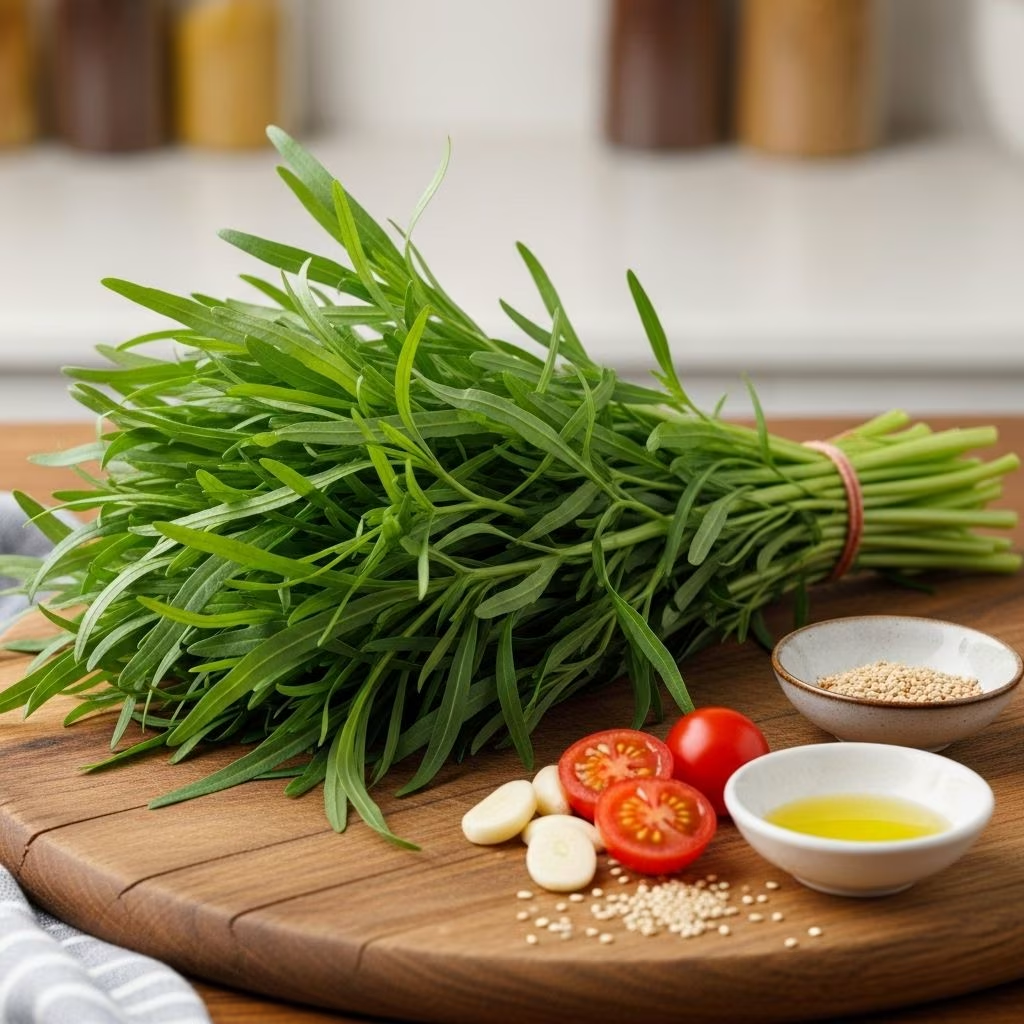
Mibuna is an ancient Japanese leafy green, celebrated for its mild flavor, nutritional value, and culinary versatility. It is a cultivar of Brassica rapa, closely related to other Asian greens like mizuna. Though lesser-known globally, mibuna is gaining recognition not only for its unique taste and texture but also for its impressive health benefits and ease of cultivation.
Introduction to Mibuna
Mibuna (Brassica rapa var. japonica ‘Mibuna’) is a traditional Japanese leafy green, often grown in Kyoto. Known for its upright, slender, spatula-shaped leaves and mild flavor, mibuna has been a staple in Japanese cuisine for centuries. It excels both as a salad green and as a cooked vegetable, and is appreciated for its productivity and resilience in a variety of growing conditions.
Historical Background and Origin
Mibuna’s history is deeply entwined with the agricultural traditions of Kyoto, Japan. Genetic and historical research indicates that mibuna originated approximately 200 years ago through natural crossbreeding between mizuna (another Kyoto favorite with serrated leaves) and a local simple-leaved turnip. This hybridization led to the development of mibuna’s distinctive spatulate leaf shape and subtle flavor. The name “mibuna” is derived from the Mibu region in Kyoto, where selection and cultivation began in earnest in the late 18th and early 19th centuries, making it one of the region’s signature greens.
Key Historical Facts
- Developed in Kyoto, Japan between 1787 and 1873.
- Resulted from natural hybridization of mizuna and local turnip varieties.
- Valued for its new leaf shape, mildness, and culinary versatility.
Botanical Characteristics and Appearance
Mibuna belongs to the Brassica rapa species, sharing lineage with mustards, turnips, and other Asian greens.
- Leaf Shape: Long, narrow, spear- or spatula-shaped leaves (unlike serrated mizuna).
- Growth Habit: Upright, with leaves sprouting from a central point, creating a vase-like appearance.
- Color: Bright to deep green leaves with slender, crisp stems.
- Size: Leaves can be harvested young (3-4 inches long) for tenderness or grown to full size for heartier texture.
Nutritional Benefits of Mibuna
Mibuna, like many leafy greens from the Brassica family, offers significant nutritional value packed into each serving:
- Low in calories and fat, making it ideal for weight management.
- Rich in vitamins A, C, and K—vital for immune function, collagen synthesis, vision, bone health, and blood clotting.
- Good source of dietary fiber, supporting healthy digestion and gut health.
- Contains antioxidants such as beta-carotene, lutein, and zeaxanthin.
- Minerals: Includes calcium, iron, potassium, and magnesium—essential for overall health.
Typical Nutritional Content in 100g (estimated):
| Nutrient | Approximate Amount (per 100g) |
|---|---|
| Calories | 20-25 kcal |
| Protein | 2-3 g |
| Dietary Fiber | 1.5-2.5 g |
| Vitamin A | ~3500 IU |
| Vitamin C | 15-30 mg |
| Vitamin K | ~150 µg |
| Calcium | 80-120 mg |
| Iron | 1.2-2 mg |
| Potassium | 300-350 mg |
Note: Values may vary based on growth conditions and maturity at harvest.
Health Advantages of Mibuna Consumption
Adding mibuna to your diet can help boost overall health in several ways:
- Supports immune function due to high vitamins A and C content.
- Promotes healthy eyes thanks to beta-carotene and lutein.
- Contributes to strong bones with high vitamin K and calcium.
- Provides plant antioxidants that help protect cells from oxidative stress and reduce inflammation.
- Supports heart health (fiber, potassium, low sodium).
- May help reduce cancer risk, as with other cruciferous vegetables, thanks to glucosinolates and polyphenols.
Culinary Uses and Preparation Methods
Mibuna’s appeal lies in its remarkable versatility. The mild flavor and tender texture make it suitable for both raw and cooked dishes. Here are the most popular ways to enjoy mibuna:
- In salads: Use raw mibuna leaves for a fresh, slightly peppery salad base. Combine with other greens or dressings for variety.
- Stir-fries: Mibuna withstands light sautéing or quick stir-frying, retaining both color and a tender bite.
- Soups and broths: Add at the last minute to miso soup, ramen, or other Asian soups for color, flavor, and nutrition.
- Pasta, rice, and grains: Mibuna can be tossed into hot pasta, rice bowls, or grain salads for added nutrients and flavor.
- Pickled or fermented: Traditionally, mibuna may be pickled (tsukemono style) for use as a salty, tangy garnish or side.
- Sandwiches and wraps: Use as a spinach replacement for sandwiches and wraps.
Cooking Tips
- Young mibuna leaves are best for raw dishes due to their tenderness.
- Mature leaves can be used in cooked dishes and will soften with heat.
- Try using mibuna in recipes calling for spinach, rocket/arugula, or chard to experience a new flavor dimension.
Flavor Profile and Texture
One of mibuna’s defining characteristics is its mild, slightly mustardy flavor. It’s often described as being less peppery than rocket (arugula) and more flavorful than cos (romaine) lettuce. The flavor is subtle and palatable, making mibuna a favorite for those who find other mustard greens too pungent.
- Mouthfeel: Leaves are crisp and tender when young; older leaves are still tender and not tough.
- Bitterness: Minimal, especially if grown and picked in cool weather.
- Aftertaste: Mildly refreshing with a hint of sweetness and pleasant green flavor.
Comparative Taste Table
| Green | Flavor Intensity | Pepperiness |
|---|---|---|
| Mibuna | Mild, slightly sweet | Very mild |
| Mizuna | Mild, slightly spicy | Moderate |
| Rocket/Arugula | Strong, sharp | Noticeable |
| Cos Lettuce | Mild, watery | Very low |
Growing and Harvesting Mibuna
Mibuna is known for its ease of cultivation and rapid growth, qualifying it as an attractive addition to home gardens and small farms. It thrives best in cool seasons but can be grown in a range of climates.
Key Growing Tips
- Planting: Direct sow seeds in the garden as soon as soil can be worked in spring; repeat sowings every few weeks for a continual harvest through late summer.
- Soil: Prefers fertile, well-drained soil enriched with compost or well-rotted manure.
- Spacing: For cut-and-come-again style, space plants 3–4 inches apart; for full-sized plants, space 12 inches apart.
- Water: Keep soil consistently moist, especially in warm weather, to prevent bitterness and premature bolting.
- Light: Grows well in semi-shade, tolerates some sun.
- Harvesting: Pick leaves when they are 3–4 inches tall for tender greens (may be ready as soon as 3 weeks after sowing in warm weather). Larger leaves can be harvested for heartier use.
- Cut-and-come-again: Harvest a few leaves at a time to allow continued growth and multiple yields per plant.
Why Grow Mibuna?
- Highly productive—quick regrowth after harvesting.
- Low-maintenance—relatively resistant to common pests and diseases.
- Attractive garden appearance—upright, neat growth habit.
How to Select and Store Mibuna
Maximize flavor and nutrition by choosing and storing mibuna properly:
- Select: Opt for crisp, bright green leaves with no yellowing or wilting.
- Store: Keep unwashed mibuna in a perforated plastic bag in the refrigerator. It will remain fresh for up to one week. Wash only before use.
- Preserve: For long-term use, mibuna can be blanched and frozen, or pickled in the traditional Japanese manner.
Comparison: Mibuna vs. Mizuna and Other Greens
Mibuna is often compared to mizuna, spinach, and rocket/arugula. The main differences are in flavor, texture, and leaf shape:
| Green | Leaf Shape | Flavor | Preferred Use |
|---|---|---|---|
| Mibuna | Spatula-shaped, narrow | Mild mustard, slightly sweet | Salads, stir-fries, soup |
| Mizuna | Serrated, feathery | Peppery, mildly spicy | Salads, garnish |
| Pac Choi | Broad, spoon-shaped | Mild, slightly sweet | Stir-fry, soup, steamed |
| Rocket/Arugula | Lobed, small | Strong peppery, nutty | Salads, pizza, pesto |
| Spinach | Ovate, soft | Mild, slightly earthy | Raw, cooked, soups |
Potential Side Effects and Precautions
- Mibuna is generally safe for most people when consumed in normal food amounts.
- As a member of the Brassica family, it contains goitrogens, which in excessive amounts may interfere with thyroid function in sensitive individuals.
- Rarely, some may experience digestive upset from excessive fiber intake.
- Allergic reactions are rare but possible, especially in those allergic to other mustards or brassicas.
Frequently Asked Questions (FAQs)
Q: How do you use mibuna in everyday cooking?
A: Mibuna can be tossed into salads for mild flavor, sauteed lightly, added to soups or noodle dishes, or used as a substitute for spinach or other leafy greens in most recipes.
Q: Is mibuna similar to mizuna?
A: Mibuna and mizuna are related, but mibuna has smooth, spatulate leaves and a milder flavor, while mizuna has serrated leaves with more pronounced spice.
Q: Can mibuna be grown at home?
A: Yes, mibuna is easy to cultivate in home gardens. It grows quickly, prospers in cool weather, and can be harvested multiple times from the same plant with proper care.
Q: What does mibuna taste like?
A: Mibuna has a mild, slightly mustardy flavor with gentle sweetness. It is less spicy than mizuna or rocket, making it broadly appealing.
Q: Are there any health risks associated with mibuna?
A: For the vast majority, mibuna is very safe. Those with thyroid concerns or allergies to crucifers should moderate intake or consult a health professional.
References
- https://www.gardeningknowhow.com/edible/vegetables/greens/mibuna-mustard-greens.htm
- https://www.selfsufficientculture.com/showcase/mibuna.39/
- https://pmc.ncbi.nlm.nih.gov/articles/PMC8167115/
- https://www.farmacieisolde.com/edibles/mibuna
- https://www.rhs.org.uk/vegetables/mizuna-mibuna/grow-your-own
- https://extension.psu.edu/mizuna-an-asian-green/
- https://www.missouribotanicalgarden.org/PlantFinder/PlantFinderDetails.aspx?taxonid=265577&isprofile=0&chr=19
- https://www.theseedcollection.com.au/mibuna


