


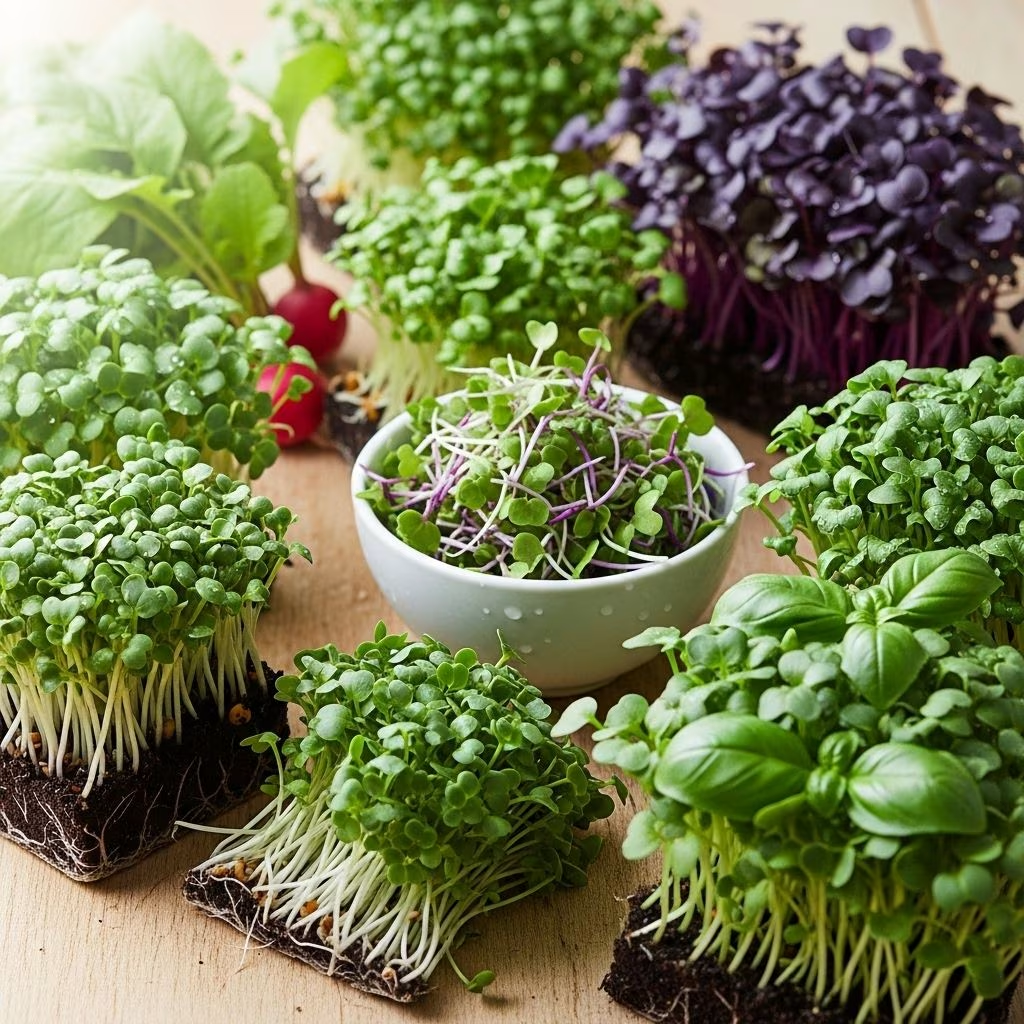
Microgreens: Tiny Greens, Big Nutrition
Once considered a gourmet garnish, microgreens have surged in popularity for their vibrant flavor, nutrient density, and versatility. Whether youre looking to boost your health, diversify your meals, or start a simple, satisfying home gardening project, these petite greens deliver outsized benefits. This guide explores all you need to know about microgreens: their health advantages, most popular varieties, creative culinary uses, step-by-step growing instructions, and vital tips on storage and safety.
What Are Microgreens?
Microgreens are young, edible vegetables and herbs harvested just after the seed leaves (cotyledons) form and a few true leaves appear. They typically grow to 13 inches (2.57.5 cm) tall, encompassing both the delicate stem and vibrant leaves. Their flavors range from neutral to spicy or even bitter, depending on the plant species. Microgreens are celebrated for:
- Rich nutrient content: They often contain higher levels of vitamins, minerals, and antioxidants per gram than their mature counterparts.
- Intense color and texture: Bringing both visual flair and crunch to dishes.
- Sustainability: Microgreens require less space, water, and time than conventional crops, with a short growing cycle and minimal input. Theyre ideal for urban settings or indoor gardens.
Microgreens vs. Sprouts: Whats the Difference?
| Feature | Microgreens | Sprouts |
|---|---|---|
| Growth Medium | Soil or soilless (coco coir, hemp mats) | Water only |
| Growth Time | 714 days | 25 days |
| Harvested Stage | Cotyledon to first set of true leaves | Germinated seed with seed leaves |
| Edible Parts | Stem and leaves | Entire sprout (root, stem, leaves) |
| Nutritional Value | Generally higher in vitamins and antioxidants | Variable; typically lower than microgreens |
| Bacterial Risk | Lower (grown above soil, less moisture) | Higher (humidity promotes bacterial growth) |
Key Takeaways
- Microgreens can enhance heart health, combat inflammation, and possibly support cognitive function.
- Add microgreens to a variety of foods such as pizza, sandwiches, salads, and even desserts for a nutritional and aesthetic boost.
- Store harvested microgreens at or below 4°C (39°F) to maintain freshness and minimize microbial risks.
Impressive Health Benefits of Microgreens
Enjoying microgreens is more than a culinary trend—they pack substantial health advantages, making them a perfect addition to any balanced diet:
- Rich Source of Nutrients: Multiple studies reveal that microgreens can contain as much as 5–40 times higher levels of vital nutrients, such as vitamins C, E, and K, as well as carotenoids and antioxidants, compared to their mature counterparts.
- Heart Health Support: Certain microgreens, particularly those from the Brassicaceae family (like broccoli and red cabbage), contain polyphenols that help reduce LDL (bad) cholesterol and may support healthy blood pressure.
- Antioxidant & Anti-Cancer Potential: High concentrations of polyphenols and other antioxidant compounds in microgreens combat oxidative stress and may help protect cells from DNA damage, lowering risk factors for chronic diseases including some cancers.
- Brain Health: Consumption of antioxidant-rich microgreens is linked to reduced inflammation and may help mitigate age-related cognitive decline and neurodegenerative diseases such as Alzheimer’s.
- Digestive Well-being: Fiber and bioactive compounds in microgreens may promote a healthy gut microbiome and aid digestion.
- Immune Support: Essential vitamins, minerals, and phytochemicals found in microgreens strengthen the immune system and promote overall well-being.
- Low Calorie, High Nutrient: They deliver a dense dose of nutrients with minimal calories, supporting weight management and overall health.
Popular Types of Microgreens
Microgreens come in a dazzling array of colors, flavors, and textures. Here are some of the most common and nutrient-rich varieties you can easily grow or purchase:
- Broccoli Microgreens: Mild, earthy, and among the most nutrient-dense, packed with sulforaphane (an antioxidant compound).
- Radish Microgreens: Spicy, crisp, and fast-growing, loaded with vitamin C and E.
- Sunflower Microgreens: Nutty flavor, crunchy stems, a good source of healthy fats, protein, and minerals.
- Pea Microgreens: Sweet, tender, and fibrous, rich in vitamins A and C and iron.
- Amaranth Microgreens: Vivid red hue, earthy taste, and abundant in vitamin K and iron.
- Cilantro, Basil, Mustard, and Beet Microgreens: Each adds its distinctive flavor and nutrition profile to salads, wraps, and meals.
How to Use Microgreens in Your Diet
Microgreens boast a remarkable versatility for adding nutrition, flavor, and color to different dishes. Some creative ways to incorporate them:
- Sprinkle as a fresh topping on pizza after baking (for crunch) or before (for a softer texture).
- Blend with sunflower microgreens to make pesto for a unique twist.
- Mix into spring salads or as a garnish over soups.
- Roll into sushi or savory wraps.
- Use as a decorative component in desserts, such as strawberry chocolate tart.
- Layer into omelets, frittatas, grilled cheese sandwiches, or burgers for extra flavor and nutrients.
- Juice or blend wheatgrass or other microgreens into smoothies or revitalizing drinks.
- Toss raw microgreens into almost any dish for a nutritional finish.
How to Grow Microgreens at Home: Step-by-Step Guide
Growing microgreens at home is both simple and rewarding, requiring minimal space and supplies. Follow these steps for a successful harvest:
- Prepare your container or tray: Fill with 3–4 inches of quality potting soil, coco coir, hemp mats, or peat moss. The medium should allow good drainage while retaining moisture.
- Sow your seeds: Evenly sprinkle microgreen seeds over the surface. Unlike most crops, dense planting is preferable; spacing does not need to be precise.
- Cover and press: Lightly cover seeds with a thin layer of soil and gently pat down to ensure good seed-to-soil contact.
- Water: Mist the surface with water until thoroughly moist, but avoid waterlogging.
- Germination: Keep the container at room temperature in a shaded or dark area for 2 days until seeds begin to sprout.
- Sunshine and care: Move the container to a bright window sill or sunny spot for at least 3–4 hours/day, or use a grow light if natural light is limited. Mist daily to keep the soil moist, not soggy.
- Growth and harvest: In 7–10 days, microgreens will reach 2–3 inches high. Harvest with clean scissors by snipping above the soil line once leaves are fully formed and before they become tough or bitter.
Pro tip: Growing microgreens hydroponically or on mats (without soil) is also possible, reducing mess and speeding up cleanup.
Personal Experience: The Joy of Growing Microgreens
Many home gardeners find microgreen cultivation both meditative and empowering. For instance, blogger Bhuvana recalls, “I was drawn by both the nutritional value and the gratifying greenery of microgreens, especially the beauty and freshness every morning as I watched them grow.” Microgreens offer a sense of accomplishment and daily bursts of color in even the smallest living spaces.
Essential Tips: Storing Microgreens for Maximum Freshness
- Optimal Temperature: Microgreens stay freshest when stored at or below 4°C (39°F) in the refrigerator.
- Moisture Control: To prevent spoilage, gently pat microgreens dry before storing. Place in a paper towel-lined airtight container or breathable produce bag.
- Best Consumption Window: Enjoy microgreens within 3–5 days of harvesting for optimal taste and nutrients.
- Do not wash before storage: Rinse just before eating to avoid excess moisture and premature wilting.
Microgreens: Safety Considerations
Microgreens are generally safe to eat, especially when grown under hygienic conditions. However, observe these precautions:
- Use food-grade, untreated seeds specifically labeled for sprouting or microgreens to reduce contamination risk.
- Sanitize trays, scissors, and hands before and after handling microgreens.
- Ensure proper air circulation and avoid overwatering to deter mold or bacterial growth.
- Store and refrigerate promptly after harvesting to minimize spoilage.
Frequently Asked Questions (FAQs)
Q: Are microgreens more nutritious than mature greens?
A: Yes, research has shown that microgreens often contain significantly higher concentrations of vitamins, minerals, and antioxidants compared to their mature plant versions.
Q: How long can microgreens be stored after harvesting?
A: When properly dried and refrigerated, microgreens generally stay fresh for 3–5 days.
Q: Can you grow microgreens without soil?
A: Absolutely. Many microgreens thrive on hydroponic mats (like coconut coir or hemp fiber) with just water and light, making them even easier and cleaner to grow indoors.
Q: What are the easiest microgreens for beginners to grow?
A: Radish, broccoli, sunflower, and pea microgreens tend to germinate quickly and grow reliably, making them ideal starter varieties for new gardeners.
Q: Are microgreens safe for everyone to eat?
A: Microgreens are safe for most people. Individuals with compromised immune systems should be extra careful regarding hygiene and sourcing. Always use safe, untreated seeds.
Conclusion: Bringing Superfoods to Your Table
Whether youre a health enthusiast, urban gardener, or simply looking to diversify your meals, microgreens offer a convenient, delicious, and sustainable way to upgrade your nutrition. Explore the many varieties, experiment with culinary uses, and enjoy the satisfaction of growing your own vibrant greens at home.
References
- https://www.stylecraze.com/articles/microgreens/
- https://www.masterclass.com/articles/michael-pollan-on-growing-microgreens
- https://www.thegoodtrade.com/features/how-to-grow-microgreens-indoors/
- https://www.youtube.com/watch?v=D3vnBEvYDZo
- https://www.foodprotection.org/members/fpt-archive-articles/2021-01-characterization-of-microgreen-growing-operations-and-associated-food-safety-practices
- https://www.sciencedaily.com/releases/2021/09/210928193820.htm


