


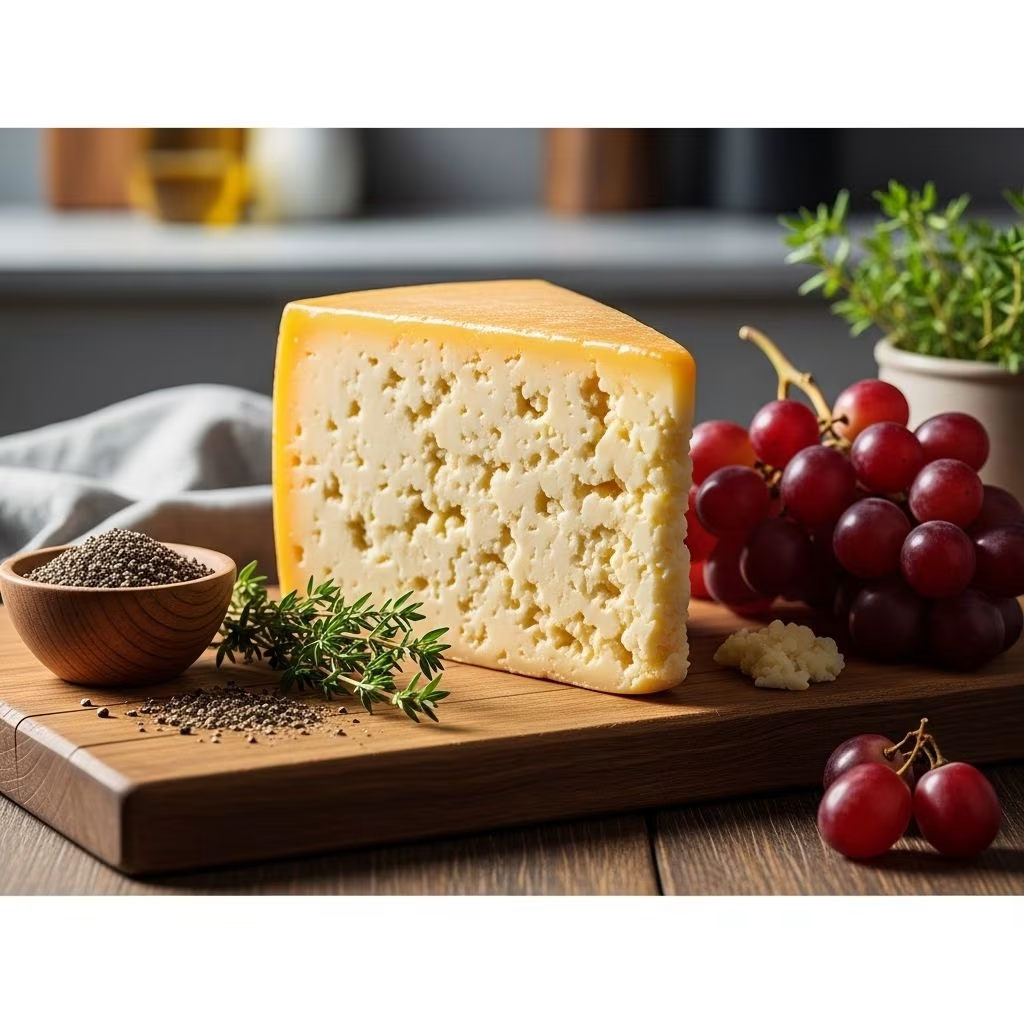
Monterey Jack cheese is an American original. Prized for its mild flavor, creamy texture, and exceptional melting qualities, it has become a kitchen staple and a favorite among cheese lovers, cooks, and nutritionists. Whether as a stand-alone snack, a topping, or a star ingredient in many dishes, Monterey Jack consistently finds itself in the spotlight. This comprehensive guide explores its origins, nutritional value, health benefits, taste profile, popular varieties, how to use it, and much more.
Origins and History of Monterey Jack
Monterey Jack’s story begins on the Central Coast of California in the late 18th century, during the era of Spanish missions. Franciscan friars from Mexico were making a semi-firm, creamy cheese from cow’s milk in the area around Monterey. This cheese, known as ‘Queso del País’ or ‘country cheese’, reflected European cheesemaking traditions adapted for the New World.
In the 19th century, the cheese’s commercial future was secured when entrepreneur David Jack began selling it throughout California. As it gained popularity, the cheese was referred to as “Jack’s Monterey” or “Monterey Jack”—hence its distinctive name.
- Origin: Monterey, California
- Inventors: Franciscan friars; later popularized by David Jack
- Historical names: Queso del País, Jack’s Monterey
Production and Varieties
How Monterey Jack is Made
This cheese is made from pasteurized cow’s milk and is classified as a semi-hard cheese. The production process closely follows traditional cheesemaking methods but with regional adaptations that prioritize a smooth, meltable texture and mild flavor profile.
- Pasteurized cow’s milk is curdled, usually with the help of rennet.
- The curd is cut, cooked, and pressed to expel whey, forming the firm cheese body.
- The curds may be molded, pressed, and aged for a few weeks for the “fresh” version or months for “Dry Jack.”
- Salt is added for flavor and preservation.
- No artificial colors; the cheese typically has a creamy white color.
Grades and Standards
According to U.S. Department of Agriculture standards, Monterey Jack must contain no more than 44% moisture and at least 50% milkfat in its solids. The cheese is graded by flavor, texture, color, finish, and appearance. The highest grades have a fine, highly pleasing flavor and a smooth, bright surface without mold or defects.
Popular Variants
- Dry Jack: Aged longer, resulting in a harder, more crumbly cheese with a more pronounced, nutty flavor.
- Pepper Jack: Infused with hot chili peppers and sometimes herbs, offering a spicy kick.
- Colby-Jack: A marbled blend of Monterey Jack and Colby cheese, both mild and great for melting.
- Cheddar-Jack: Marbled with cheddar, adding sharpness to the overall flavor profile.
- Herb-Infused: Jack cheeses with added herbs, garlic, dill, lemon, or other seasonings are increasingly popular.
Nutritional Facts and Health Benefits
Nutrition Profile
Monterey Jack cheese is nutrient-dense, providing a range of macronutrients and micronutrients essential for health:
| Serving Size | Calories | Protein | Fat | Carbohydrates | Calcium | Sodium |
|---|---|---|---|---|---|---|
| 1 oz (28g) | 105–110 | 6–7g | 8–9g | 0–1g | 200mg | 155–180mg |
Actual values may vary slightly based on brand, variant, and whether the cheese is reduced-fat.
Key Health Benefits
- High in Protein: Supports muscle maintenance and growth.
- Rich in Calcium: Aids bone health and helps prevent osteoporosis.
- Good Source of Vitamin B12: Important for nervous system health and red blood cell formation.
- Contains Phosphorus and Zinc: Contributes to bone, teeth, and immune health.
- Lower Lactose Content: Naturally lower in lactose than some cheeses, making it somewhat easier to digest for lactose-sensitive individuals.
- Melting Ability: Its superior melting helps in meal preparation, making it versatile for nutritious recipes without added processing.
However, the cheese is relatively high in saturated fat and sodium, so moderation is advised as part of a balanced diet.
Taste Profile and Texture
Monterey Jack is celebrated for its mild, buttery, slightly sweet, and creamy flavor. The cheese is generally ivory to pale yellow and has a smooth, semi-soft texture. The unique properties that set it apart:
- Mildness: Does not overpower other flavors; enhances dishes by blending seamlessly.
- Buttery Mouthfeel: Creamy and soft, thanks to a moderately high fat and moisture content.
- Excellent Melting Qualities: Melts easily and evenly, making it a favorite in cooked applications.
- Variants:
- Dry Jack: Firm, crumbly, with a deep nutty and slightly tangy taste.
- Pepper Jack: Spicy overtones from added chili peppers and herbs.
- Colby-Jack: Mixture brings more creaminess and sometimes a slight sharpness.
Culinary Uses
Monterey Jack’s flavor profile and texture lend it extraordinary culinary versatility. Its ability to melt beautifully and its subtle, cooperative taste encourage both classic and creative uses:
Best Dishes for Monterey Jack
- Quesadillas, Burritos, and Nachos: Classic in Mexican and Tex-Mex cuisine due to its melting power.
- Grilled Cheese Sandwiches: Melts to a gooey, delicious consistency.
- Pasta Bakes and Casseroles: Provides a rich, smooth texture without being greasy.
- Cheese Boards: Pairs with fruit, crackers, and nuts.
- Soups: Ideal for topping or stirring into creamy soups.
- Salads: Cubed or shredded Monterey Jack adds subtle flavor.
- Egg Dishes: Perfect in omelets, frittatas, and breakfast burritos.
Pairings
- Wine: Pairs well with Pinot Noir, Riesling, Chardonnay, and sparkling wines.
- Beer: Try with wheat ales or lagers for balanced refreshment.
- Fruits: Apples, grapes, pears complement its mildness.
- Breads: Sourdough, multigrain, and traditional crackers.
How to Store and Serve
To maximize flavor and shelf life:
- Keep cheese tightly wrapped in wax paper, parchment, or cheese paper, then place it in a loose plastic bag or airtight container in the refrigerator.
- Avoid storing directly in plastic wrap, as it can trap moisture and promote spoilage.
- Serve at room temperature to maximize aroma and flavor; remove from refrigeration at least 30 minutes before serving.
- For longer storage, Monterey Jack can be grated and frozen in sealed bags for up to two months (note that texture may become crumbly upon thawing).
Monterey Jack vs Other Cheeses
| Cheese | Texture & Melting | Flavor | Common Uses |
|---|---|---|---|
| Monterey Jack | Semi-soft; melts exceptionally | Mild, buttery, creamy | Mexican dishes, bakes, sandwiches |
| Colby | Semi-soft; also melts well | Mild, slightly tangy | Sandwiches, snacks, marbled with Jack |
| Cheddar | Semi-hard to hard; melts, can become oily | Sharpened with age | Burgers, sauces, baking |
| Gouda | Semi-soft to hard; good melting | Nutty, sweet, buttery | Breakfast, snacks, melting |
| Swiss | Firm; melts with stringiness | Mild, nutty, sometimes sharp | Sandwiches, quiches, fondue |
Frequently Asked Questions (FAQs)
Q: Is Monterey Jack cheese suitable for vegetarians?
A: Many Monterey Jack cheeses are made with microbial or vegetarian-friendly rennet. Check the label or ask the cheesemaker for confirmation.
Q: Is Monterey Jack lactose-free?
A: While not completely lactose-free, Monterey Jack is relatively low in lactose compared to fresh cheeses. Sensitive individuals often tolerate small servings.
Q: Is Monterey Jack gluten-free?
A: Pure Monterey Jack cheese is naturally gluten-free. Flavored varieties like Pepper Jack may contain additives, so always verify ingredients.
Q: What’s the difference between Monterey Jack and Pepper Jack?
A: Pepper Jack is Monterey Jack infused with hot chili peppers, herbs, and spices, offering a distinctive spicy flavor profile while retaining the cheese’s creamy texture.
Q: Can you substitute Monterey Jack for mozzarella or cheddar?
A: Yes, Monterey Jack melts similarly to mozzarella and has a comparable mildness. It can substitute for cheddar but lacks cheddar’s sharp flavor.
Q: How long does Monterey Jack cheese last once opened?
A: When properly wrapped and refrigerated, most Monterey Jack cheeses remain fresh for 2–3 weeks. Always check for mold or off odors before using.
Q: Is Monterey Jack cheese healthy?
A: It’s a nutritious choice, providing protein and calcium, but should be consumed in moderation due to its saturated fat and sodium content.
References
- https://www.ams.usda.gov/grades-standards/monterey-monterey-jack-cheese-grades-and-standards
- https://www.wisconsincheese.com/about-cheese/monterey-jack-cheese
- https://www.cheese.com/monterey-jack/
- https://en.wikipedia.org/wiki/Monterey_Jack
- http://www.thenibble.com/reviews/main/cheese/cheese2/whey/jack-cheese.asp
- https://www.mountainfeed.com/blogs/learn/15828821-monterey-jack-cheese-our-regional-namesake
- https://www.merriam-webster.com/dictionary/Monterey%20Jack


