


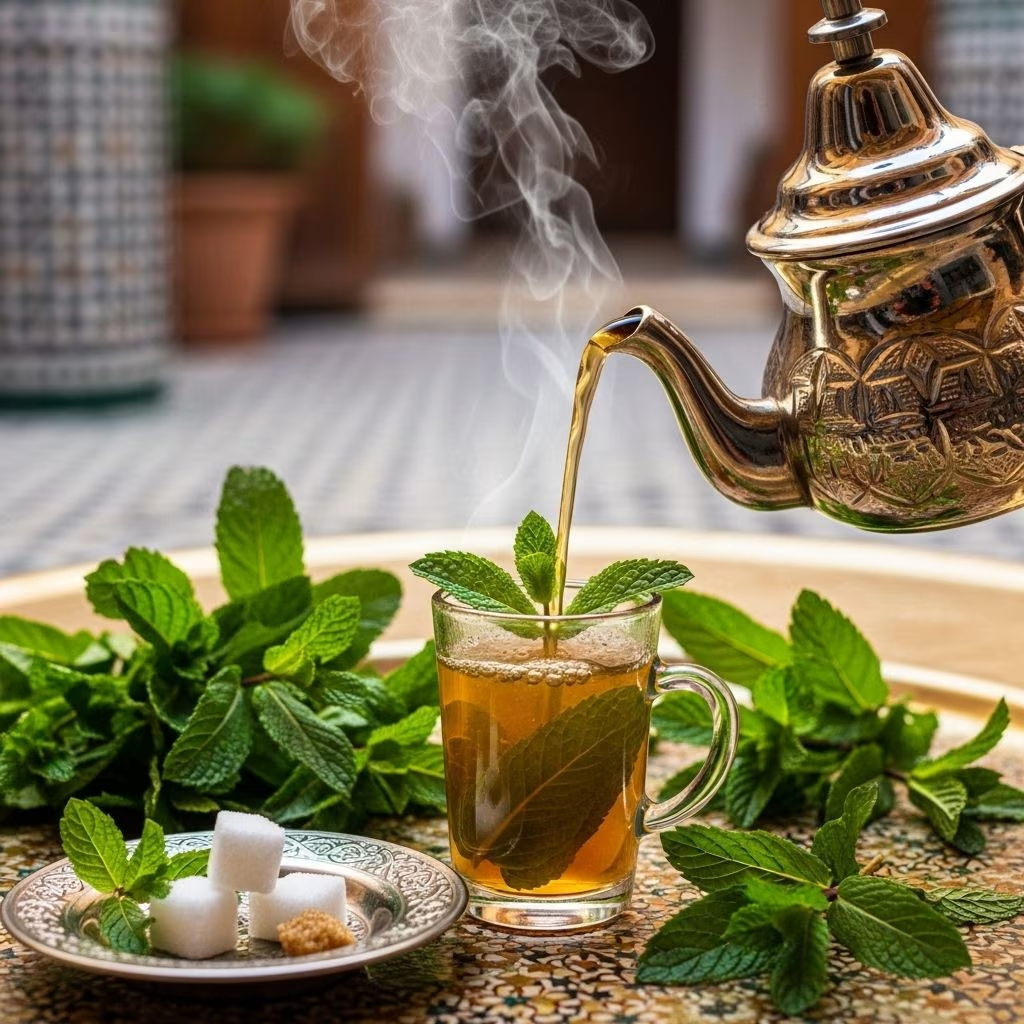
Moroccan mint is famed for its vibrant, cooling flavor and cultural legacy in North Africa. Most widely known as the essential ingredient in Moroccan mint tea—or “atay”—this herb defines an entire tea tradition while also finding its way into numerous dishes and remedies. This comprehensive guide explores the flavor profile of Moroccan mint, its role in Moroccan society, recipes, health benefits, and the best substitutes for those who seek its distinctive taste but may not have access to the real plant.
What is Moroccan Mint?
Moroccan mint most often refers to Mentha spicata var. crispa ‘Moroccan’, a distinctive local variety of spearmint known in Morocco as nana or nanah. Compared with standard spearmint or peppermint, Moroccan mint is prized for its sweeter, mild flavor and potent, fresh aroma that complements both tea and dishes .
This mint is grown extensively across North Africa and the Mediterranean, where it is used both fresh and dried. In Moroccan culture, it is emblematic of hospitality, social gathering, and tradition. The plant has been naturalized from the Mediterranean region, spreading through both trade and tradition.
Distinguishing Moroccan Mint from Other Mints
- Variety: Moroccan mint is a variety of spearmint, not peppermint.
- Name: Often called ‘nana’ in Moroccan Arabic.
- Flavor: Sweeter, more delicate, and less pungent than peppermint.
- Appearance: Leaves tend to be crinkled and lighter green than peppermint.
Moroccan Mint Flavor Profile
The flavor of Moroccan mint is the hallmark of its identity in tea and cooking. It is celebrated for the following characteristics:
- Sweetness: More naturally sweet than other mint varieties due to lower menthol content.
- Freshness: Intensely refreshing, with an invigorating, penetrating aroma.
- Earthiness: When paired with green tea, as in Moroccan mint tea, the mint’s brightness balances the tea’s earthy, grassy notes .
- Mild Coolness: Provides a cooling sensation without the sharpness or burning menthol punch of peppermint.
- Underlying Notes: Delicate, with light citrus, wheatgrass, and sweet herb nuances.
Tasting Notes Table
| Mint Variety | Flavor Intensity | Sweetness | Pungency | Best Uses |
|---|---|---|---|---|
| Moroccan Mint (Nana) | Medium | High | Low | Tea, sweets, salads, sauces |
| Spearmint | Medium-strong | Medium | Medium | Cooking, tea, desserts |
| Peppermint | Strong | Low | High (menthol) | Candy, toothpaste, strong infusions |
The Ritual and Artistry of Moroccan Mint Tea
Moroccan mint tea—or atay—is much more than a beverage: it is a cultural symbol of hospitality, friendship, and ceremony, woven into the fabric of daily life and social gatherings in Morocco .
Brief History and Symbolism
- Introduced to Morocco in the 18th–19th centuries via tea trade from China (gunpowder green tea).
- Symbolizes hospitality—traditionally offered to guests in ornate glasses and teapots, often as a gesture of welcome and respect.
- Served throughout the day, at both formal and informal gatherings, and at all social strata .
Traditional Ingredients
- Gunpowder green tea: Chinese origin; leaves rolled into small pellets lending robust, slightly bitter base .
- Fresh Moroccan mint (nana): Key to the refreshing top notes and aromatic intensity.
- Generous white sugar: Sweetens tea to balance bitterness; level varies by family or region .
- Occasional additions: Lemon verbena or dried herbs for regional variety .
Preparation Ritual
- Fill a teapot with loose gunpowder green tea (about 1 tablespoon per cup); rinse leaves with boiling water to remove bitterness.
- Add large sprigs of fresh Moroccan mint (a generous handful for a strong minty taste).
- Add a substantial amount of white granulated sugar (often 2–3 tablespoons per 8oz glass, but to taste).
- Pour boiling water (around 200°F/93°C) over tea and mint.
- Steep for 3–5 minutes. Pour a glass, return it to the teapot several times (to blend sugar and oxygenate).
- Traditionally, pour tea from a height into glasses to aerate and create a foamy head—absorbing oxygen enhances fragrance and texture .
Tip: The sweetness and mint strength can easily be adjusted to suit modern tastes.
Serving Etiquette
- Always serve Moroccan mint tea in small, decorated glasses, never mugs.
- Poured by the host, usually from a long-spouted silver teapot.
- Often accompanied by pastries or sweets at social ceremonies, business meetings, and daily meals.
Other Culinary and Medicinal Uses
While most magical in tea, Moroccan mint is also a versatile kitchen herb and traditional remedy. Its subtle sweetness and refined freshness make it ideal for numerous dishes and cold drinks.
Culinary Uses
- Salads: Finely chopped, it lifts Moroccan tomato, cucumber, or orange salads.
- Sauces & Dips: Stirred into yogurt-based sauces, green chutneys, or North African condiments like chermoula.
- Soups & Stews: Added towards the end of simmering for fragrance and to brighten flavors.
- Sweets: Infuses panna cotta or ice cream, and can garnish fruit salads or baklava.
- Cold Beverages: Muddled into lemonade, smoothies, or mocktails for a cooling finish.
Traditional Medicinal Uses
- Calms stomachaches and aids digestion post-meal.
- Relieves headaches and colds due to its aroma and soothing compounds.
- Used as a mild breath freshener since ancient times.
- Mildly antibacterial and anti-inflammatory properties.
Health Benefits of Moroccan Mint
- Digestive Aid: Traditionally believed to alleviate indigestion, bloating, and stomach upset.
- Hydration: Mint tea is caffeine-light and can be hydrating, supporting healthy fluid intake.
- Stress Relief: Aroma and flavor promote mental calm and relaxation.
- Antioxidants: Both green tea and mint leaves are rich in antioxidants that combat oxidative stress and may reduce risk of chronic ailments.
- Oral Health: Natural menthol may freshen breath and inhibit some bacteria.
How to Brew Traditional Moroccan Mint Tea
To experience authentic Moroccan mint tea at home, follow these simple steps:
- Use a porcelain or metal teapot. Add loose gunpowder green tea (1 tablespoon per 8oz of water). Rinse tea leaves by swirling with boiling water (pour out bitter rinse).
- Add a large handful of fresh Moroccan mint (nana) or substitute as needed.
- Add 2–3 tablespoons white sugar (or to taste).
- Pour boiling water (195–205°F / 90–96°C) into the teapot and let steep for 3–5 minutes.
- Pour a glass and return liquid to the pot two or three times (to dissolve sugar and blend flavors).
- Pour the tea into small glasses from a height for aeration and presentation. Serve hot.
Note: For a stronger minty flavor, add extra sprigs or slightly bruise the mint before steeping.
Modern Variations
- Reduce sugar or omit it altogether for a lighter, modern brew.
- Experiment by adding lemon, orange blossom, or ginger for new taste profiles.
- Use sparkling water for a refreshing cold version in summer.
Easy Substitutes for Moroccan Mint
If you cannot find authentic Moroccan mint, several alternatives can closely mimic or approach its unique flavor:
- Spearmint (Mentha spicata): The closest backup, as Moroccan mint is a variety of spearmint; it is only slightly less sweet and aromatic.
- Common garden mint: Offers a similar flavor but may have a touch more bite and less delicate nuance.
- Peppermint (Mentha piperita): Much stronger menthol punch, less sweet. Use sparingly and combine with spearmint for balance.
- Dried mint leaves: Use about one third the quantity of fresh and steep a little longer. Note that dried mint lacks some freshness but can still produce a satisfying brew.
- Pre-blended mint teas: Many global tea brands sell Moroccan mint tea blends; check for high spearmint content rather than peppermint.
- Lemon balm or lemon verbena: Not identical, but both provide cooling, fresh qualities and can round out spearmint if true Moroccan mint isn’t available.
Substitute Tips Table
| Substitute | How to Use | Similarity |
|---|---|---|
| Spearmint | Equal amount as Moroccan mint | Very High |
| Peppermint | 1/2 amount, mix with spearmint | Medium |
| Dried mint | 1/3 amount, steep longer | Medium |
| Lemon balm/verbena | Mix with spearmint, use to supplement | Low-Medium |
Tip: For the most authentic experience, prioritize spearmint (preferably organic) and combine with a robust, slightly bitter green tea base.
Frequently Asked Questions (FAQs)
Q: What is the difference between Moroccan mint and regular mint?
A: Moroccan mint, or nana, is a naturally sweet, mild variety of spearmint with less pungent menthol than peppermint. Its delicate flavor and distinctive aroma set it apart from more common mints used in Western cuisine.
Q: Can I make Moroccan mint tea with peppermint?
A: Yes, but peppermint’s assertive flavor and higher menthol content will produce a much sharper, less sweet tea. For better results, use spearmint or combine peppermint with other herbs to soften its intensity.
Q: Is Moroccan mint tea caffeinated?
A: Moroccan mint tea contains caffeine from the green tea (gunpowder tea) base, but less than black tea or coffee. The caffeine content can be reduced by using less green tea or opting for decaffeinated blends.
Q: Are there any health risks to Moroccan mint?
A: Moroccan mint is generally safe when used as a food or beverage. Extremely high consumption or use by those with mint allergies should be avoided. Traditional Moroccan tea, due to excess sugar, may not be suitable for people with diabetes or those monitoring sugar intake.
Q: What foods pair best with Moroccan mint tea?
A: Sweet pastries (baklava, almond cookies), light couscous and tagines, fruit salads, and salty or spiced nuts are traditional companions to Moroccan mint tea, harmonizing with its bright and balanced flavors.
References
- https://www.schooloftea.com/moroccan-mint-tea/
- https://www.rishi-tea.com/products/organic-moroccan-mint-green-tea
- https://www.nannuoshan.org/products/moroccan-mint-tea
- https://www.kusmitea.com/us/tea-mint-moroccan.html
- https://teaforte.com/blogs/tea-notes/tea-blend-spotlight-moroccan-mint
- https://en.wikipedia.org/wiki/Maghrebi_mint_tea
- https://www.mymoroccanfood.com/home/2015/4/27/moroccan-mint-tea
- https://www.arborteas.com/organic-moroccan-mint-green-tea.html


