


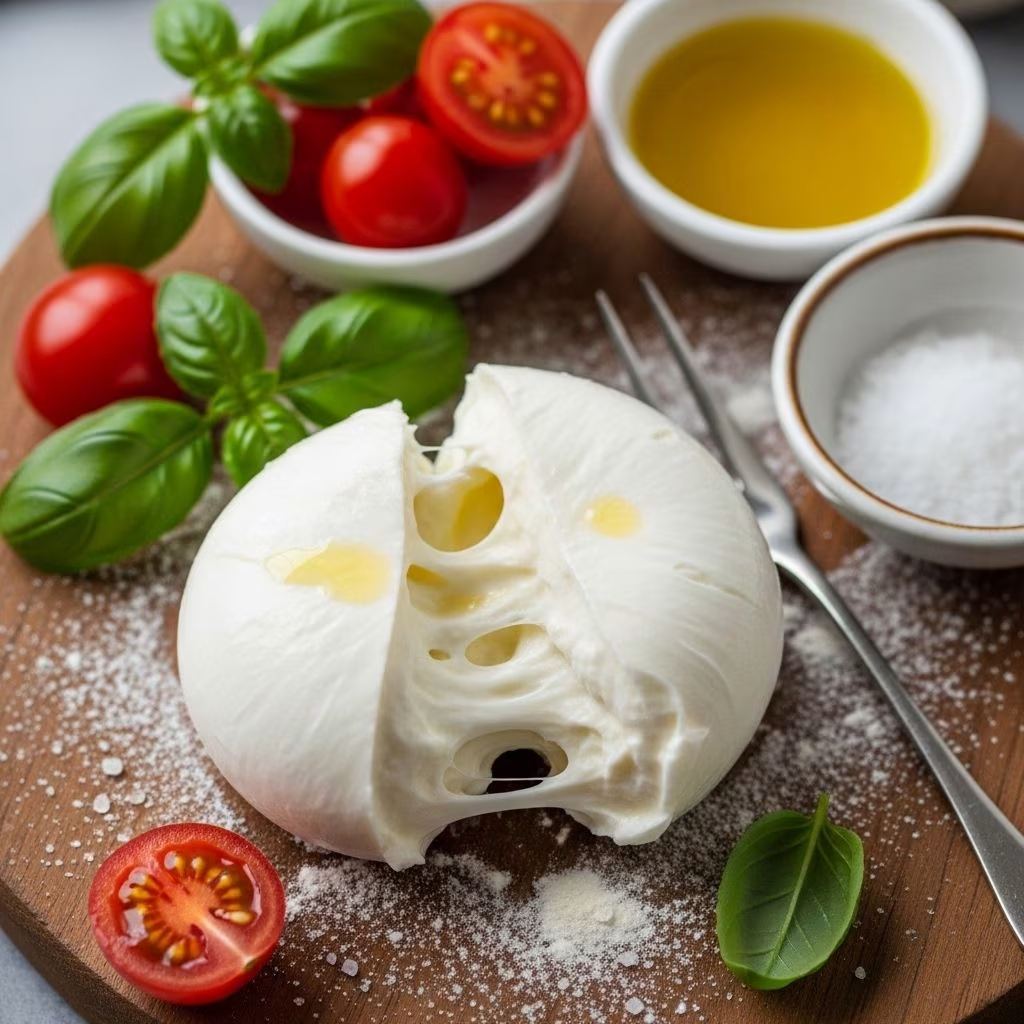
Mozzarella is one of the world’s most beloved and versatile cheeses, famed for its soft texture, creamy flavor, and unique culinary properties. Whether stretched atop a bubbling pizza, layered in a Caprese salad, or savored fresh, mozzarella plays a starring role in kitchens across continents. This comprehensive guide explores mozzarella’s rich history, nutritional profile, numerous uses, distinct taste, and much more.
Origins of Mozzarella: A Legacy from Southern Italy
Mozzarella’s roots trace back to the marshy lowlands of Campania, near Naples, Italy, during the Middle Ages. The word mozzarella is derived from the Italian verb mozzare, meaning “to cut.” This refers to the unique hand-stretching and cutting process that has defined mozzarella since its inception.
- Initial records of mozzarella date back to the 12th century, when monks from the San Lorenzo Monastery in Capua gifted mozza (fresh cheese) to pilgrims during annual festivities.
- Originally, mozzarella was exclusively made from the rich, high-fat milk of water buffaloes. This created a cheese unlike any other in Europe, prized for its lusciousness and delicate taste.
- The term mozzarella first appeared in a 1570 Italian cookbook by Bartolomeo Scappi, chef to the papal court.
Legend holds that mozzarella was accidentally “discovered” when cheese curds fell into hot water in a cheese factory. The invention of this new technique, known as the pasta filata method, laid the foundation for mozzarella’s distinctive stretch and texture.
Evolution Through the Centuries
- By the 14th century, mozza made from sheep’s milk became available in regional markets, but buffalo milk gradually took precedence due to its rich composition.
- During the Bourbon reign in the late 18th century, water buffalo farming flourished in Campania, solidifying buffalo milk mozzarella (“Mozzarella di Bufala Campana”) as the gold standard.
- Advancements in refrigeration and transportation during the 20th century enabled mozzarella to be distributed far beyond southern Italy, catapulting it onto the world stage.
Types of Mozzarella: From Tradition to Modernity
Mozzarella is no longer limited to a single form. Today, its diverse varieties cater to different tastes, dishes, and regions.
| Type | Milk Source | Texture | Best Uses |
|---|---|---|---|
| Mozzarella di Bufala Campana (PDO) | Water Buffalo | Creamy, moist, soft, elastic | Salads, fresh eating, artisan dishes |
| Fior di Latte | Cow’s Milk | Slightly firmer, delicate | Pizza, sandwiches, lasagna |
| Low-Moisture Mozzarella | Mostly Cow’s Milk | Firm, shreddable | Pizza (melting) Casseroles |
| Smoked Mozzarella (Scamorza) | Cow’s or Buffalo Milk | Dense, smoky, semi-soft | Sandwiches, grilling, antipasto |
| Bocconcini, Ciliegine, Perlini | Cow’s or Buffalo Milk | Small balls, tender | Salads, appetizers |
Protected Status and Regional Varieties
- Mozzarella di Bufala Campana PDO—Protected Designation of Origin ensures that this traditional cheese is produced with specific methods and local milk from southern Italy.
- Modern supermarket varieties are often made with cow’s milk for broader affordability and availability.
- “Low-moisture” mozzarella, common in the US and other markets, melts well, making it the staple cheese for pizza worldwide.
How Mozzarella Is Made: The Pasta Filata Method
The craft of making mozzarella is an intricate dance of timing, temperature, and technique. Its famous stretchiness and texture are created through the pasta filata (“spun paste”) process.
- Milk Selection: Fresh buffalo or cow’s milk is collected, traditionally from local pastures.
- Curd Formation: Milk is gently heated and coagulated using natural rennet. The curds are allowed to form and rest.
- Cutting and Draining: The curds are cut into small pieces, releasing whey, and the mixture is left to acidify for several hours.
- Stretching and Kneading: Hot water is poured over the curds to reach the right temperature and texture. The curds are then stretched, kneaded, and pulled until smooth and elastic, then cut (“mozzare”) into balls or desired shapes.
- Salting and Storage: The cheese balls are cooled, salted, and packed in brine to maintain their softness.
This hand-crafted process is especially crucial for artisan and protected-status mozzarellas, where minor variations can alter taste and texture dramatically.
Nutritional Benefits of Mozzarella
Mozzarella is valued not only for taste but for a robust nutritional profile that fits a balanced diet. Here’s how it contributes to wellness:
- High-Quality Protein: Mozzarella supplies essential amino acids for muscle repair and growth.
- Calcium and Bone Health: Its high calcium content supports bone density and tooth health.
- Vitamins and Minerals: Mozzarella is a good source of phosphorus, vitamin B12, riboflavin (B2), and zinc.
- Lower Lactose: Compared to many fresh cheeses, mozzarella typically contains less lactose, making it easier to digest for some individuals.
- Lower Sodium and Fat: Fresh mozzarella, especially buffalo varieties, is naturally lower in sodium and saturated fat compared to aged cheeses, making it suitable for heart-healthy diets.
Sample Nutritional Table (per 1 ounce/28g serving):
| Nutrient | Amount |
|---|---|
| Calories | 70–85 |
| Protein | 5–6 grams |
| Fat | 4.5–6 grams |
| Saturated Fat | 2.5–3.5 grams |
| Carbohydrates | 1–2 grams |
| Calcium | 150–200 mg |
| Sodium | 150–200 mg |
Note: Nutritional values vary based on milk type (buffalo vs cow) and product form (fresh vs low-moisture).
Culinary Uses: Mozzarella in Global Cuisine
No other cheese offers the same blend of meltability, mild flavor, and stretch as mozzarella—making it indispensable to countless recipes.
- Pizza: Universally recognized as the classic pizza cheese, mozzarella’s elastic nature and balanced moisture create the iconic “cheese pull” and golden spots atop pizza.
- Caprese Salad: Fresh mozzarella pairs with ripe tomatoes, basil, olive oil, and salt for a refreshing Italian summer dish.
- Pasta Bakes and Lasagna: Chopped or shredded mozzarella melts beautifully in baked pastas, binding layers and adding creamy richness.
- Sandwiches & Paninis: Sliced mozzarella brings moisture and softness to pressed or toasted breads, especially with cured meats or vegetables.
- Fried Mozzarella (Mozzarella in Carrozza): Batter-fried slices or balls create an indulgent appetizer, crisp outside and molten within.
- Appetizers: Mini mozzarella balls (bocconcini, ciliegine, perlini) are often marinated and served as antipasti or tossed in salads.
Mozzarella’s mildness makes it a favorite in both simple fare and gourmet preparations, whether as a gooey topping or a creamy, subtle centerpiece.
Taste and Texture Profile
What truly sets mozzarella apart is its delicate taste and unmistakable texture:
- Flavor: Mild, fresh, slightly tangy, with subtle milky sweetness. Buffalo milk varieties tend to be creamier and richer, while cow’s milk mozzarella is lighter and more neutral.
- Texture: Soft, springy, slightly elastic, and moist. When torn, it fibers rather than crumbles—the “stretch” is a sought-after quality, especially on pizza.
- Mouthfeel: Fresh mozzarella “squeaks” slightly between the teeth and releases gentle, rich creaminess as it warms.
- Aroma: Clean, lactic, and subtly grassy in the freshest forms, with a touch of tang from buffalo milk.
The cheese’s subtlety means it harmonizes with a wide range of foods, enhancing other flavors without overwhelming them.
Storage and Shelf Life
- Fresh mozzarella has a short shelf life of just a few days—ideally enjoyed within 48 hours of production for the best flavor and texture.
- Store fresh mozzarella in its brine or whey in the refrigerator; never freeze, as it damages the delicate structure.
- Low-moisture mozzarella (the kind found shredded or blocked in grocery stores) lasts longer—typically two to three weeks unopened, but quality diminishes after opening.
- If using in hot recipes, let the cheese come to room temperature for better melting properties and flavor release.
Frequently Asked Questions (FAQs)
Q: What’s the difference between buffalo and cow’s milk mozzarella?
A: Buffalo milk mozzarella (Mozzarella di Bufala Campana) is richer, creamier, and tangier due to the higher fat content in water buffalo milk. Cow’s milk versions (Fior di Latte) are more widely available, milder in taste, and slightly firmer.
Q: Why does mozzarella stretch?
A: The pasta filata process aligns proteins into strands, giving mozzarella its signature stretch and elastic bite—an essential quality for pizza and melted dishes.
Q: Is mozzarella healthy?
A: Mozzarella is a good source of protein, calcium, and B vitamins. It’s relatively low in sodium and fat compared to many aged cheeses, making it a sensible choice for balanced diets. Moderation is key, as with any cheese.
Q: Can people with lactose intolerance eat mozzarella?
A: Because it is lower in lactose than many fresh cheeses, some individuals with mild lactose intolerance can tolerate mozzarella, especially aged or buffalo milk types. Sensitivity varies per person.
Q: How can I tell if mozzarella has spoiled?
A: Spoiled mozzarella will develop a sour, off aroma, slimy or dry texture, visible mold, or an unpleasant yellowish hue. Always store properly and consume fresh cheese promptly.
Conclusion
Mozzarella stands as a testament to Italian culinary ingenuity. From humble monastic beginnings to global gastronomic fame, this cheese melds tradition with versatility. Its health benefits, subtle taste, and superb melting qualities continue to enchant kitchens worldwide—ensuring that wherever there is a love for cheese, mozzarella will always have a place at the table.
References
- https://www.flourandegg.com/post/the-history-of-mozzarella-a-cheese-born-from-legend-and-necessity
- https://www.alimentarium.org/en/fact-sheet/mozzarella
- https://www.theagdistrict.com/blog/why-mozzarella
- https://grabenord.com/blogs/blog/historical-evolution-of-mozzarella-cheese
- https://italiantribune.com/the-history-of-mozzarella/
- https://www.mozzco.com/mozzarella_history
- https://en.wikipedia.org/wiki/Mozzarella
- https://www.youtube.com/watch?v=sv1FInFirtE
- https://www.wisconsincheese.com/the-cheese-life/article/134/mozzarella


