


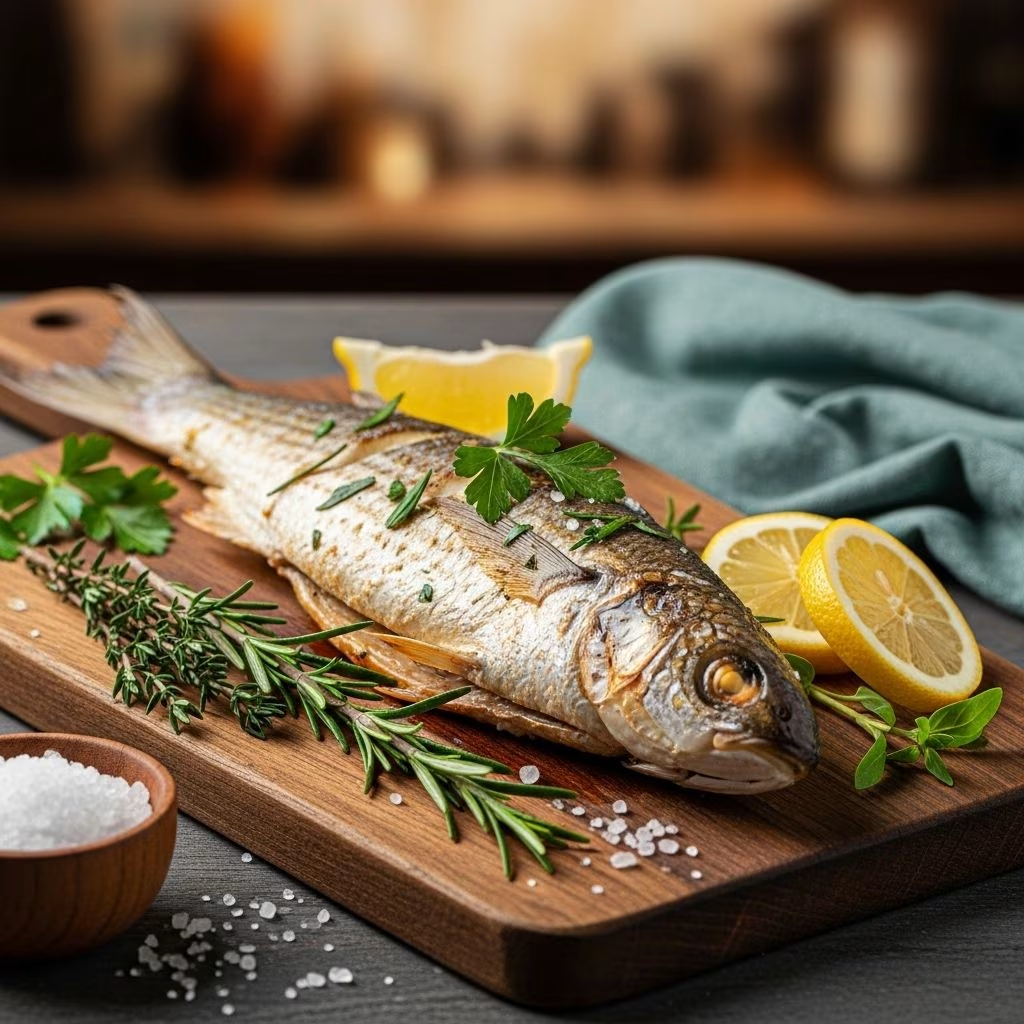
Mullet fish have been a cornerstone of coastal diets for centuries, prized for their distinct appearance, nutritional value, versatility in the kitchen, and unique, mild flavor. But what exactly makes mullet so special? This comprehensive guide explores the biology and identification of mullet, delves into its proven health benefits, examines the many ways it is used across global cuisines, and explains why its taste stands out from other fish.
What Is Mullet?
The mullet fish refers to a group of species in the Mugilidae family, comprising over 80 identified species found in coastal, brackish, and sometimes even freshwater habitats worldwide. The most commonly known types include the striped mullet (Mugil cephalus) and the white mullet (Mugil curema).
The mullet has long been recognized for its distinct visual features and ecological adaptability, making it both a fisheries staple and a culinary favorite.
Main Physical Characteristics
- Elongated, cylindrical body: Well-suited for swift swimming in shallow waters.
- Silvery, sometimes olive-green to bluish hues: Sides are silvery, with shades depending on the species and environment.
- Deeply forked tail: Makes identification easy and assists in agile swimming.
- Small, blunt head with large eyes: Adapted for spotting food and threats in shallow water.
- Terminal mouth with thin lips: Particularly suited to their bottom-feeding habits.
Mullet are highly adaptable, thriving in both marine and brackish environments. They are diurnal (active during the day) and are notable for their social schooling behavior, often seen in large numbers near the surface in estuaries and shallow coastal areas.
Mullet Subtypes and Identification
Though the family Mugilidae is large, a few species are most commonly encountered in markets and kitchens around the world:
| Species Name | Common Name | Key Traits | Typical Habitat |
|---|---|---|---|
| Mugil cephalus | Striped Mullet | Silvery with dark horizontal stripes, blunt nose | Coastal, estuarine, sometimes fresh water |
| Mugil curema | White Mullet | Lighter color, scales on dorsal & anal fins | Primarily marine, also brackish |
| Liza ramada | Thinlip Grey Mullet | Noticeable thin upper lip, smaller scales | European coastal waters |
Mullet species can be challenging to distinguish at a glance, but fin placement, coloration, and scale patterns provide reliable cues. Notably, striped mullet have 8 anal fin rays, while white mullet have 9, which can help clarify identification in field research or fishing settings.
Nutritional Benefits of Mullet
Mullet is a highly nutritious fish, making it an excellent dietary choice. Its typical nutritional breakdown per 100 grams of cooked mullet is as follows:
- Calories: 117–130 kcal
- Protein: 20–21 grams
- Fat: 3–5 grams (of which much is unsaturated)
- Omega-3 fatty acids: 0.5–1.5 grams (varies by wild vs. farmed)
- Vitamins: B12, D, niacin, and riboflavin
- Minerals: Selenium, phosphorus, magnesium, potassium, iodine
The combination of lean protein, moderate healthy fats, essential vitamins, and minerals makes mullet an easily digestible dietary staple with significant health advantages.
Health Benefits of Eating Mullet
Consuming mullet can confer an array of health benefits, reflecting its nutrient-dense profile:
- Rich in omega-3 fatty acids: These have been shown to reduce the risk of cardiovascular disease, support brain health, and decrease inflammation.
- High-quality protein: Supports muscle maintenance, tissue repair, and overall immune function.
- Low in saturated fat: Contributes to better heart health compared to red meats or some fattier seafood.
- Source of vital micronutrients: Such as selenium (supports immune and thyroid function), vitamin D (bone health), and B-vitamins (energy production).
- Easy to digest: Makes a suitable protein source for various age groups, including children and older adults.
- Natural antioxidant content: Selenium and vitamin E in mullet act as antioxidants, protecting cells against oxidative damage.
Additionally, since mullet species are often found lower on the food chain and feed primarily on detritus and microalgae, they tend to accumulate fewer heavy metals and contaminants than some larger predator fish.
Culinary Uses of Mullet
Mullet is a remarkably versatile fish that features in a wide range of culinary traditions, especially in Mediterranean, Southeast Asian, Southern US, and Australian coastal cuisines. Its firm, mild flesh holds up to various methods of preparation. Some of the most popular culinary techniques include:
- Grilling: Whole mullet or fillets are traditionally grilled in Mediterranean countries, sometimes simply seasoned with herbs, lemon, and olive oil.
- Smoking: Smoked mullet is a delicacy in regions like Florida, known for its rich, savory flavor.
- Frying: Fillets can be dredged in flour or cornmeal and pan-fried for a crispy finish.
- Steaming and Poaching: Great for preserving the delicacy of the flesh, retaining nutrients, and allowing subtle flavors to shine.
- Baking: Mullet bakes well with tomato, fennel, or garlic, popular in Italian recipes.
- Raw preparations: In some cultures, the roe is prized and eaten raw, cured, or preserved as specialties such as “karasumi” in Japan and “bottarga” in Italy.
Mullet roe is considered a delicacy and commands high prices in gourmet markets; it is appreciated for its rich, umami-packed character and is used to enhance pastas, rice dishes, and appetizers in Mediterranean and East Asian cuisines.
Regional and Global Cuisines
- Mediterranean: Grilled whole mullet or filets, mullet roe used for bottarga.
- Southern United States: Smoked mullet, mullet dip, fried mullet, a traditional favorite at fish fries.
- Southeast Asia: Used in curries, stews, and often steamed with ginger and scallions.
- Chinese cuisine: Mullet soups and clay pot preparations.
The Taste of Mullet
Mullet stands out for its distinct, mild yet slightly oily flavor. It does not present the overpowering ‘fishiness’ sometimes found in other oily fish, making it appealing to a broad range of palates. Its taste profile can be described as:
- Mild and delicate: A gentle flavor that pairs well with light herbs, citrus, and a range of spices.
- Slightly nutty and sweet: Especially in white mullet.
- Savory and umami-rich: Particularly evident in the roe or when mullet is smoked or grilled.
- Moist, with firm texture: The flesh stays moist after cooking, flakes easily, and has a good bite.
Like many coastal fish, the taste and texture of mullet can vary based on its environment (wild-caught vs. farmed), diet, and even season. Mullet taken from clean, non-polluted waters tends to taste best, featuring a more balanced flavor and firmer texture than counterparts from murky or brackish habitats.
Catching and Sourcing Mullet
Mullet are abundant in many parts of the world; they are popular targets for commercial and recreational fishing alike. Key facts about sourcing mullet:
- Wild-caught mullet: Most mullet on the global market is wild-caught.
- Seasonality: Best catches often occur in the warmer months, when mullet migrate along coastal areas.
- Methods: Often caught with nets (especially cast nets), seines, and sometimes lines. Commercial fishing often employs careful measures to avoid overharvesting.
- Freshness: Like all seafood, mullet should be consumed fresh for optimum flavor and food safety. Look for bright, clear eyes and metallic skin, and avoid any fish with a strong, off-putting odor.
Mullet is widely available in fish markets, especially in regions close to coasts—and its roe is often distributed globally for specialty markets.
Sustainability and Ecological Role
Mullet occupy an important ecological niche in coastal and estuarine systems. They feed on detritus, algae, and sediment, thus recycling nutrients and helping to keep ecosystems balanced.
- Low trophic level: As detritivores, mullet play a beneficial role in aquatic food webs and are less prone to over-accumulation of pollutants.
- Sustainable fisheries: Mullet are generally considered a sustainable seafood choice, especially when sourced responsibly from well-managed fisheries.
Always check local advisories or certifications, such as those from the Marine Stewardship Council (MSC), to ensure you’re purchasing sustainably harvested mullet.
Frequently Asked Questions (FAQs)
Q: Is mullet fish high in mercury?
A: No, mullet is generally considered low in mercury compared to many other wild-caught fish because it is low on the food chain and eats mostly plant matter and detritus.
Q: How do you know if mullet is fresh?
A: Fresh mullet will have clear, bright eyes, metallic or silvery clean skin, firm flesh, and a mild, sea-like scent. It should not smell fishy or sour.
Q: What fish is mullet similar to in taste and texture?
A: Mullet has a firmer texture and a milder flavor compared to sardines or mackerel. It is closer to snapper in meatiness but with a slightly oilier, richer quality.
Q: Can mullet be eaten raw?
A: While the flesh is occasionally used for raw preparations in some cultures, it is most commonly cooked. However, the roe is often cured and eaten raw as a delicacy (such as bottarga).
Q: Is mullet safe for children and people with dietary restrictions?
A: Yes, mullet’s mild flavor, low allergenicity, and ease of digestion make it a good choice for children and those on lighter, high-protein diets. Always check for local advisories if harvested from wild sources.
Conclusion
Mullet is far more than just a common coastal fish; it is a nutritional powerhouse, an ecologically important species, and a celebrated food ingredient featured in many global cuisines. Whether enjoyed grilled, smoked, or celebrated for its precious roe, mullet brings both tradition and health benefits to the table. For seafood lovers and health-conscious eaters alike, mullet offers a delicious, versatile, and sustainable choice worthy of exploration.
References
- https://seaco-online.com/blogs/seafood/mullet-fish-characteristics-and-habitat
- https://animaldiversity.org/accounts/Mugil_cephalus/
- https://www.floridamuseum.ufl.edu/discover-fish/species-profiles/striped-mullet/
- https://www.dpi.nsw.gov.au/fishing/fish-species/species-list/sea-mullet
- https://www.britannica.com/animal/mullet-fish
- https://www.outdooralabama.com/non-game-fish/mullet
- https://www.louisianasportsman.com/fishing/mullets-are-mobile-munchies/


