


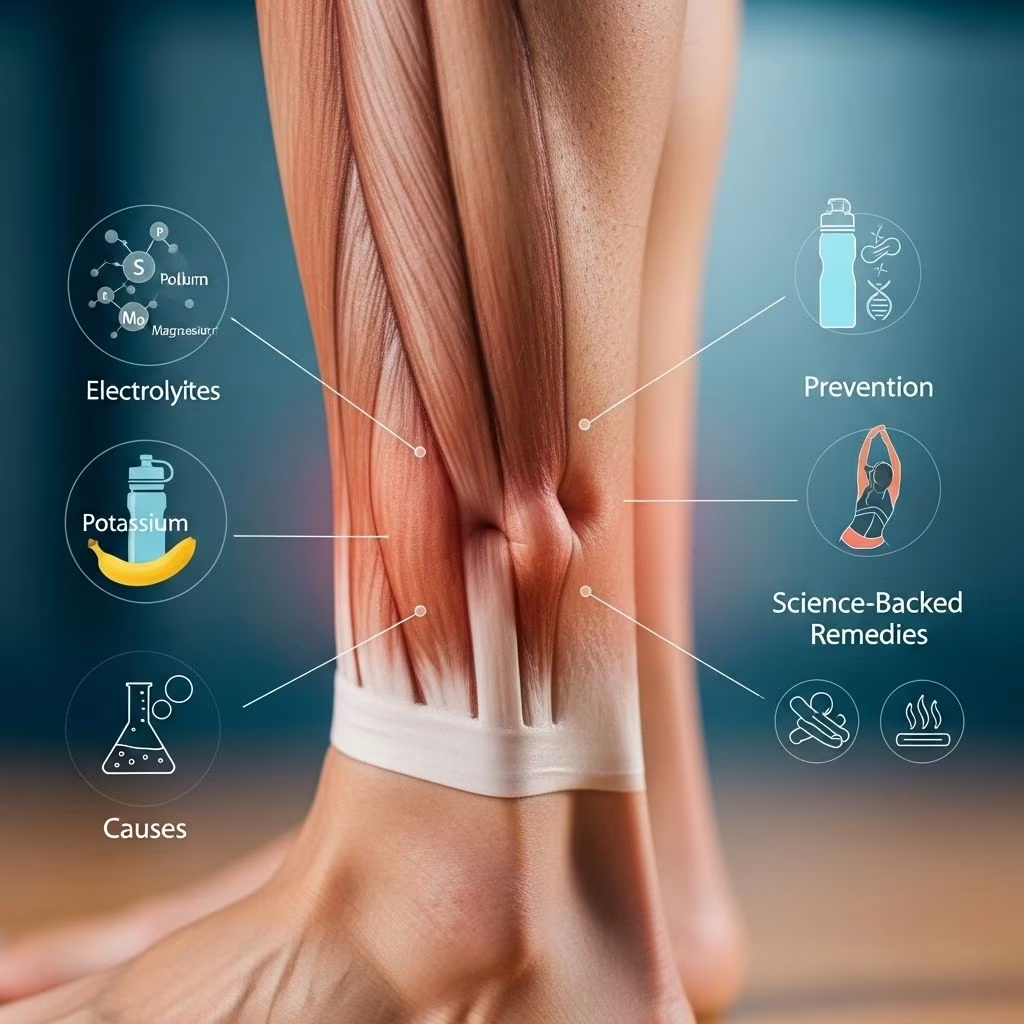
Muscle Cramps: Causes, Prevention, and Science-Backed Remedies
Muscle cramps are a common and sometimes debilitating experience for athletes and active individuals. Crippling in their intensity, these involuntary contractions can halt performance and cast uncertainty on training plans or race-day outcomes. Recent research is reshaping our understanding of what causes muscle cramps and how best to treat or prevent them. This article dives deeply into the science, practical strategies, and real-world advice for overcoming this all-too-familiar challenge.
Understanding Muscle Cramps: What Are They?
A muscle cramp is a sudden, involuntary contraction or spasm of one or more muscles. Often occurring during or after exercise, cramps are intensely painful and can last anywhere from a few seconds to several minutes. While most resolve quickly, some can persist and require more targeted intervention.
Why Do Muscle Cramps Occur?
The precise cause of muscle cramps—especially those associated with exercise, known as Exercise-Associated Muscle Cramps (EAMC)—has been the subject of much debate. Historically, cramps were blamed on dehydration and electrolyte imbalances, but new evidence suggests a more complex picture involving multiple intertwined factors.
Main Contributors to Muscle Cramps
- Neuromuscular Fatigue: When muscles are pushed to or beyond their limits, the nerves controlling them may malfunction, triggering involuntary contractions.
- Dehydration: Losing fluids through sweat, especially in hot or humid environments, may leave muscles more susceptible to cramping, though dehydration is rarely the sole culprit.
- Electrolyte Imbalance: Low levels of key minerals such as sodium, potassium, magnesium, and calcium can alter the electrical gradients needed for muscle function, potentially leading to cramps. However, research indicates that electrolyte deficits explain only a portion of EAMC cases.
- Heat Stress: Exercising in the heat increases fluid loss and places additional demands on muscles and nerves, compounding the risks.
- Pacing and Overexertion: Starting too fast, training above capacity, or attempting a new distance or terrain can overwhelm the muscles, increasing the risk of cramping.
Additional Risk Factors
- Inadequate nutrition or ‘fuel’ prior to activity.
- Muscle tightness, prior injuries, or insufficient recovery.
- Medical conditions such as thyroid imbalances or diabetes (rare, but relevant for persistent cramps).
Examining Common Myths
Several myths still persist about what causes muscle cramps. Let’s address the most persistent:
- “Cramps only happen because of low electrolytes.”
While electrolyte imbalance plays a role, cramps often occur even when sodium and potassium have been adequately replenished. - “Just drink more water to avoid cramps.”
Though hydration is critical, overhydrating (without replacing lost electrolytes) can actually make things worse, diluting circulating sodium. - “Only inexperienced or unfit athletes get cramps.”
Cramps can strike both elite athletes and beginners. Neuromuscular fatigue and individual predisposition are often at the heart of the issue.
Scientific Theories Behind Muscle Cramps
The Dehydration–Electrolyte Hypothesis
This traditional theory proposes that excessive fluid loss and sodium depletion disrupt nerve signals to muscles, causing them to misfire. While certain studies show that maintaining hydration and electrolyte balance can help, this alone does not explain all cases of cramping—especially when fluids and electrolyte replacement do not consistently prevent cramps. Some athletes with ideal hydration and sodium still experience severe cramps, which highlights the limitations of this model.
The Altered Neuromuscular Control Theory
More recent evidence suggests that muscle cramps are fundamentally a neuromuscular phenomenon, resulting from an imbalance between excitatory and inhibitory signals from the central nervous system to fatigued muscles. When a muscle is overused or pushed to exhaustion, it can lose coordinated control, leading to a spasm or cramp. This also explains why stretching, which triggers inhibitory input to the cramping muscle, frequently resolves cramps quickly.
Other Emerging Theories
- Bitter and Strong Flavors: There is some evidence that consuming bitter substances like mustard or pickle juice can rapidly relieve cramps by stimulating sensory nerves in the mouth and gut, which may “reset” neuromuscular pathways. This approach’s effectiveness is still under investigation but is gaining traction in the endurance sports community.
How to Prevent Muscle Cramps: Practical Strategies
There’s no permanent solution, but the following strategies can substantially reduce your risk of muscle cramps both during training and racing:
1. Train Smart and Pace Yourself
- Build up your training gradually rather than making sudden increases in distance or intensity.
- Use training plans that match your current fitness to avoid overwhelming your muscles and nervous system.
- Emphasize pacing during events—starting conservatively helps delay neuromuscular fatigue.
2. Hydrate Strategically
- Aim to drink enough fluids to replace 80% or more of what you lose in sweat per hour.
- Monitor urine color as a gross indicator—pale yellow is optimal.
- Severe overhydration without salt replacement can dilute blood sodium (hyponatremia), so balance water and electrolytes.
3. Replenish Electrolytes Intelligently
- If you’re a heavy or salty sweater, or performing long-duration exercise, include extra sodium (0.3–0.7 g/L, sometimes even higher per scientific recommendations) in your fluids.
- Sports drinks may not provide enough sodium for some individuals; consider additional sodium supplementation as needed.
- Include sources of potassium and magnesium, but focus primarily on sodium as it’s the most commonly lost electrolyte in sweat.
4. Nutrition and Pre-Workout Fueling
- Eat a balanced meal or snack before exercise, incorporating carbohydrates, protein, and healthy fats for optimal muscle performance.
- Avoid training fasted unless specifically adapted, as under-fueling may heighten cramp risk.
5. Manage Heat Stress
- Practice in the heat to allow your body to adjust to hot conditions.
- Use cooling strategies like ice socks, dousing, or chilled beverages during events in high temperatures.
6. Flexibility and Strengthening
- Consistent stretching, especially of vulnerable muscle groups (calves, quads, hamstrings), can help maintain optimal neural control and reduce risk of cramps.
- Address muscle tightness and asymmetries through targeted strength and mobility routines.
If a Muscle Cramp Strikes: What Should You Do?
No matter how well you prepare, cramps can still happen. Here’s what you can do if you’re sidelined by an unexpected spasm:
- Stop the Activity: Take a pause to address the cramp before continuing, especially if pain is severe or onset is abrupt.
- Stretch and Massage: Gently stretch the cramping muscle to lengthen it and relieve the spasm[10]. Massage can help relax tight muscle fibers and improve blood flow.
- Walk it Off: For milder cramps, slowly walking may help reset muscular control.
- Hydrate and Replace Electrolytes: If sweating heavily or in the heat, sipping fluids with added electrolytes can aid recovery.
- Bitter Flavors: Bitters or strong-tasting remedies like pickle juice or mustard may offer fast, albeit temporary, relief by acting on neuromuscular reflexes.
- Medical Interventions: Over-the-counter pain relief such as acetaminophen or NSAIDs can be used if pain persists, but only as recommended by a physician due to potential side effects.
When to Seek Medical Advice
- If muscle cramps are frequent, extremely severe, or occur at rest or during sleep, consult a healthcare professional to rule out underlying conditions (e.g., nerve disease, thyroid dysfunction, metabolic imbalances).
- Cramps associated with muscle damage, swelling, weakness, or persistent pain may require further evaluation.
The Science Behind Pickle Juice, Mustard, and Bitter Remedies
Anecdotal reports and some experimental studies suggest that small amounts of pickle juice or mustard, with their strong tangy flavors, can rapidly terminate a cramp—often within seconds to a minute. The likely mechanism involves stimulation of sensory nerves in the mouth and throat, which then send inhibitory signals to the spinal cord, “shutting down” the cramping reflex. While not a cure-all, this approach is low risk and worth trying for many athletes struggling with recurrent cramps.
Summary Table: Causes, Prevention & Remedies for Muscle Cramps
| Cause or Theory | Prevention Methods | Quick Remedies When Cramping |
|---|---|---|
| Neuromuscular Fatigue | Progressive training, adequate recovery, proper pacing | Stretch and massage, gentle movement |
| Dehydration | Replace fluids lost in sweat during activity | Drink fluids and allow for rest |
| Electrolyte Loss | Supplement with sodium, potassium, magnesium as needed | Consume salty foods or electrolyte products |
| Heat Stress | Train for heat, use cooling methods, hydrate | Move to cooler area, apply cold if possible |
| Bitter Substances | N/A as prevention | Try pickle juice, mustard, or strong-flavored products |
Frequently Asked Questions (FAQs)
Q: Are muscle cramps dangerous?
A: Most muscle cramps are harmless and resolve quickly, but persistent or severe cramps may indicate an underlying medical issue. If they become frequent or interfere with regular activities, seek medical advice.
Q: What is the fastest way to stop a muscle cramp?
A: Gently stretch and massage the affected muscle immediately. Some people also find rapid relief from small amounts of pickle juice or mustard.
Q: Can stretching really prevent cramps?
A: Regular stretching of major muscle groups, especially after exercise, can help lower the risk of cramps by keeping neuromuscular pathways healthy.
Q: Do electrolytes like potassium and magnesium matter?
A: Yes, but sodium loss is typically more relevant during endurance events. Potassium and magnesium still play a supportive role, and a balanced diet is essential.
Q: Why do cramps happen at night?
A: Nighttime cramps can be related to muscle fatigue, dehydration, electrolyte imbalances, or occasionally underlying health conditions. Maintaining good hydration, stretching, and balanced nutrition help reduce episodes.
Key Takeaways
- Muscle cramps are caused by a complex interplay of neuromuscular fatigue, hydration status, electrolyte balance, and heat stress.
- There is no single, universal cause or cure; instead, a combined approach works best.
- Progressive training, proper hydration, electrolyte management, and pacing are your best defenses.
- Bitter or strong flavors may rapidly relieve cramps by “resetting” neural pathways.
- If cramps are persistent, severe, or come with other symptoms, seek medical evaluation.
References
- https://trainright.com/causes-prevention-treatment-cramping/
- https://www.onepeloton.com/blog/muscle-cramps-exercise
- https://pmc.ncbi.nlm.nih.gov/articles/PMC3445088/
- https://trainright.com/muscle-cramp-cause-remedy/
- https://pmc.ncbi.nlm.nih.gov/articles/PMC6901412/
- https://my.clevelandclinic.org/health/diseases/14170-leg-cramps
- https://www.massgeneralbrigham.org/en/about/newsroom/articles/nutrition-tips-to-prevent-cramps
- https://osteopathic.org/what-is-osteopathic-medicine/muscle-cramp/
- https://www.youtube.com/watch?v=9OWoBPDqqx4
- https://www.mayoclinic.org/diseases-conditions/muscle-cramp/diagnosis-treatment/drc-20350825


