


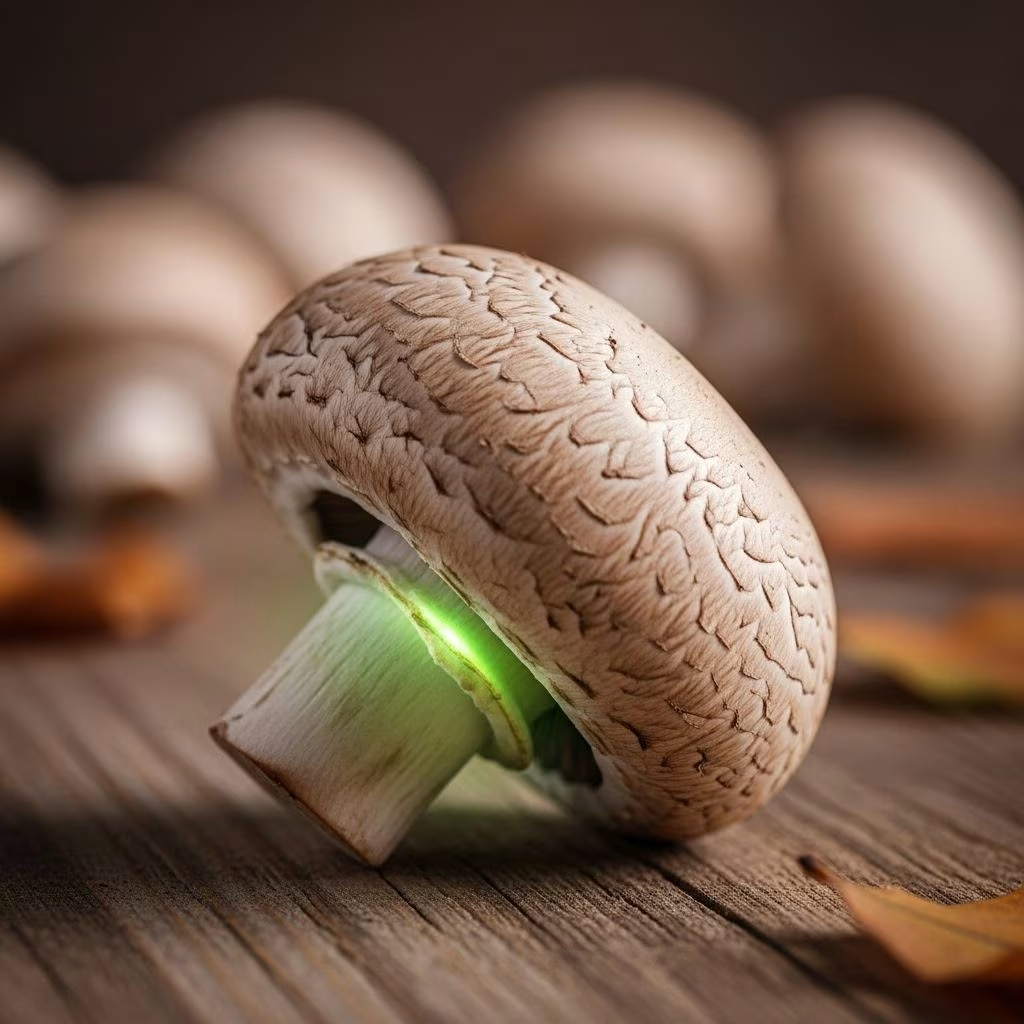
Mushrooms are a popular and nutritious food enjoyed by many, but for some people, they can trigger allergic reactions. While mushroom allergies are less common than allergies to nuts or shellfish, they can be significant for those affected. This article provides a comprehensive overview of mushroom allergy, including symptoms, causes, home remedies, and treatments to help you manage this condition effectively.
What Is a Mushroom Allergy?
A mushroom allergy is an adverse immune response to the proteins found in mushrooms. When some people consume mushrooms or come into contact with them, their immune system mistakenly identifies certain mushroom proteins as harmful. This triggers the production of IgE antibodies and the release of histamine, leading to allergic symptoms that can range from mild to severe.
Causes of Mushroom Allergy
Mushroom allergy occurs when the immune system overreacts to certain proteins in mushrooms. The immune system releases histamine and other chemicals, which cause the symptoms of an allergic reaction. Factors that may increase the risk of developing a mushroom allergy include:
- Genetic predisposition or family history of allergies
- Exposure to multiple fungi or molds
- Frequent consumption of mushrooms
- History of other food allergies
Symptoms of Mushroom Allergy
Mushroom allergy symptoms can develop within minutes to hours after consuming mushrooms and can vary in severity from mild to life-threatening. Common symptoms include:
- Skin reactions: Rash, hives, itching, and redness
- Gastrointestinal issues: Nausea, vomiting, diarrhea, abdominal pain, and bloating
- Respiratory symptoms: Sneezing, runny or stuffy nose, wheezing, chest tightness, and difficulty breathing
- Ocular symptoms: Itchy, watery, or swollen eyes
- Oral symptoms: Swelling of the lips, tongue, and throat
- Anaphylaxis: A severe, potentially life-threatening allergic reaction that may include a drop in blood pressure, loss of consciousness, and severe breathing difficulty
Severity of Reactions
Mushroom allergies can be classified into mild, moderate, and severe categories. Mild reactions may involve skin rashes and mild gastrointestinal discomfort, while severe reactions, such as anaphylaxis, require immediate medical intervention.
Types of Mushroom Allergies
- Primary allergy: A true allergic reaction to mushroom proteins, triggering the immune system directly
- Cross-reactivity: Allergic reactions in people sensitive to molds, yeast, or other fungi, which may cause similar symptoms
- Chemical/toxin-induced reactions: Reactions caused by toxins or chemicals present in wild or improperly handled mushrooms, not a true allergy
Diagnosis of Mushroom Allergy
If you suspect a mushroom allergy, consult an allergist for a proper diagnosis. The diagnostic process may include:
- Medical history: Review of symptoms and dietary habits
- Skin prick test: A small amount of mushroom extract is applied to the skin to check for a reaction
- Blood tests: Measuring the levels of mushroom-specific IgE antibodies in the blood
- Elimination diet: Temporarily removing mushrooms from the diet and monitoring for symptom improvement
- Oral food challenge: Controlled exposure to mushrooms under medical supervision
Self-diagnosis is not recommended, especially if you have a history of severe reactions.
Home Remedies for Mushroom Allergy
For mild allergic reactions, certain home remedies may help alleviate symptoms:
- Antihistamines: Over-the-counter medications like diphenhydramine or loratadine can relieve itching, hives, and rashes. Always consult a doctor before use.
- Vitamin C: Acts as a natural antihistamine and may reduce inflammation. Consuming vitamin C-rich foods like citrus fruits, kiwi, and broccoli is beneficial.
- Aloe vera: Applying aloe vera gel topically may soothe skin irritation caused by mild allergic reactions.
- Hydration: Drinking plenty of water helps flush out allergens and toxins from the body.
- Cold compress: Applying a cold compress can reduce swelling and discomfort from skin reactions.
When to Seek Medical Attention
Home remedies should only be used for mild symptoms. If you experience severe symptoms such as difficulty breathing, swelling of the throat, or signs of anaphylaxis, seek emergency medical care immediately.
Medical Treatments for Mushroom Allergy
The primary treatment for mushroom allergy is complete avoidance of mushrooms and mushroom-containing products. In addition to avoidance, medical treatments include:
- Epinephrine (Adrenaline): The first-line treatment for anaphylaxis. Individuals with a history of severe reactions should carry an epinephrine auto-injector (EpiPen) at all times.
- Antihistamines: For mild symptoms, oral antihistamines may be prescribed by a doctor.
- Allergy shots (Immunotherapy): In some cases, allergists may recommend immunotherapy to help desensitize the immune system to mushroom proteins over time.
- Corticosteroids: These may be prescribed to reduce inflammation in severe cases.
Lifestyle and Prevention Tips
Managing a mushroom allergy requires vigilance in everyday life. Here are some tips to prevent accidental exposure:
- Read labels carefully: Mushrooms can be present in sauces, soups, broths, and processed foods. Always check ingredient lists when shopping.
- Inform restaurants: When dining out, inform the staff about your allergy to avoid cross-contamination.
- Carry medication: Always carry prescribed antihistamines and an epinephrine auto-injector if you have a history of severe reactions.
- Keep a food diary: Record what you eat and any symptoms that occur to help identify triggers.
- Educate family and friends: Ensure that those around you are aware of your allergy and how to respond in an emergency.
Difference Between Mushroom Allergy and Food Intolerance
| Mushroom Allergy | Mushroom Intolerance |
|---|---|
| Immune system response to mushroom proteins | Digestive system reaction to mushroom components |
| Can cause severe, life-threatening reactions | Usually causes mild gastrointestinal discomfort |
| Requires complete avoidance of mushrooms | May be able to tolerate small amounts |
| Can be diagnosed with allergy tests | Diagnosis is often based on elimination diet |
Mushroom Allergy in Children and Adults
Mushroom allergy can affect both children and adults. Symptoms and management are generally similar in both age groups. However, children may be more prone to accidental exposure, so caregivers must be especially vigilant about reading labels and avoiding foods with mushroom ingredients.
Foods to Avoid If You Have a Mushroom Allergy
People with a mushroom allergy should avoid all types of mushrooms, including fresh, dried, powdered, or cooked forms. Common foods that may contain mushrooms include:
- Soups and broths (vegetable, beef, or chicken)
- Asian dishes (stir-fry, sushi, sauces)
- Vegetarian meat substitutes (hot dogs, burgers, patties)
- Canned and processed foods
- Mushroom-based supplements (reishi, lion’s mane, cordyceps)
Frequently Asked Questions (FAQs)
Q: Can mushroom allergies develop later in life?
A: Yes, it is possible to develop a mushroom allergy at any age, even if you have previously consumed mushrooms without problems.
Q: Are all mushroom species equally allergenic?
A: Not all mushroom species trigger the same level of reaction, but it is generally recommended to avoid all mushrooms if you have a diagnosed allergy.
Q: Can I be allergic to cooking or touching mushrooms?
A: Yes, some people may experience allergic reactions to handling raw or cooked mushrooms, not just consuming them.
Q: Is it possible to outgrow a mushroom allergy?
A: Mushroom allergies are typically lifelong, though the severity of symptoms may change over time.
Q: What should I do if I accidentally consume mushrooms?
A: Monitor for symptoms. If you develop mild symptoms, use antihistamines if advised by your doctor. Seek emergency medical attention if severe symptoms such as difficulty breathing or swelling occur.
Q: Can mushroom allergy be cured?
A: There is no cure, but symptoms can be managed through avoidance, medication, and lifestyle changes.
Q: How can I distinguish between mushroom allergy and mushroom poisoning?
A: Allergy symptoms occur due to an immune response to proteins, while poisoning results from toxins in mushrooms. Poisoning often causes more severe and varied symptoms and requires immediate medical attention.
Conclusion
Mushroom allergy, though uncommon, can be a serious condition requiring careful management. Recognizing the signs, knowing how to respond, and taking preventive measures are key to living safely with this allergy. If you suspect you have a mushroom allergy, consult an allergist for accurate diagnosis and personalized advice. With the right precautions, most people with mushroom allergies can lead healthy, active lives.
References
- https://www.indiatvnews.com/health/allergic-reactions-to-mushrooms-causes-symptoms-home-remedies-and-treatment-2023-04-06-860959
- https://allergylosangeles.com/allergy-blog/mushroom-allergy-can-you-be-allergic-to-it/
- https://juniperallergy.com/can-you-be-allergic-to-mushrooms/
- https://enticare.com/2024/10/09/mushroom-allergy-symptoms-management/
- https://pubmed.ncbi.nlm.nih.gov/13679972/
- https://my.clevelandclinic.org/health/diseases/9196-food-allergies
- https://www.nhs.uk/conditions/food-allergy/


