


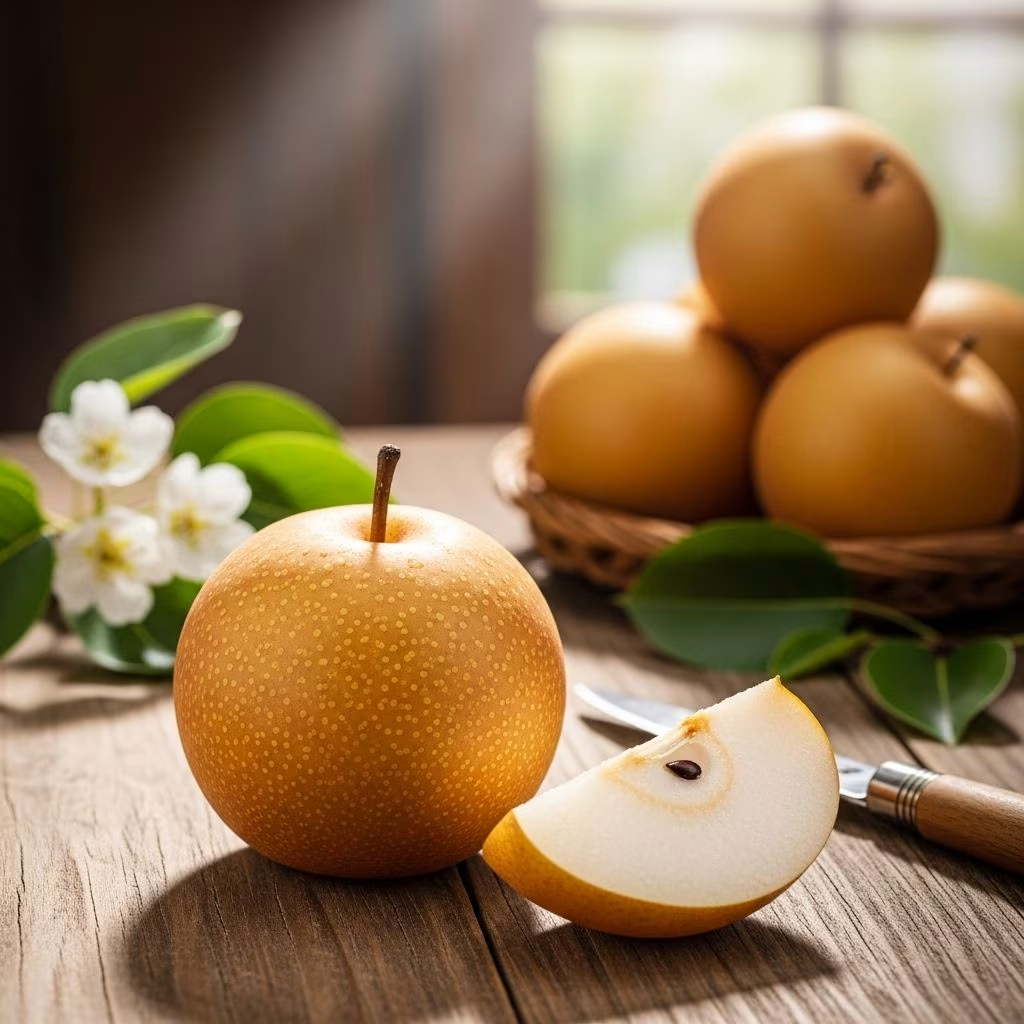
Nashi pears, also known as Asian pears, are celebrated for their crisp texture, subtle sweetness, and hydrating juiciness. This comprehensive guide explores the fascinating world of Nashi pears, including their origins, health benefits, culinary versatility, and signature taste. Whether you’re a fruit connoisseur, a health enthusiast, or simply curious about this unique fruit, read on to unlock everything you need to know about Nashi pears.
Origin and History of Nashi Pear
The Nashi pear (Pyrus pyrifolia) has been cultivated in East Asia for thousands of years. Its earliest records date back to ancient China, spreading to Japan and Korea through historical trade routes and migration. In Japan, ‘Nashi’ means ‘pear,’ and the fruit has held a special cultural significance—appearing in traditional art, literature, and cuisine for centuries.
During the Tang Dynasty in China (618-907 AD), the fruit gained prominence and its cultivation techniques spread to Japan via shipping lanes. In Korea, the fruit is called “bae” and features widely in both cooking and traditional medicine.
Today, Nashi pears are grown across East Asia and in countries such as Australia, New Zealand, and the United States, reflecting their enduring popularity and adaptability to various climates.
Botanical Classification and Varieties
Nashi pears are members of the Rosaceae family. They belong mainly to the species Pyrus pyrifolia but other closely related Asian pear species include Pyrus bretschneideri and Pyrus ussuriensis. Nashi pears are distinct from the more common European pears (Pyrus communis), both in genetics and characteristics.
Main Varieties of Nashi Pear
- Kosui: Very sweet, juicy, low in acidity, and the most widely grown variety in Japan.
- Hosui: Crisp, aromatic, and balanced in acidity.
- Niitaka: Large, golden-skinned, dense texture, often given as a luxury gift in Japan.
- Shinseiki: Smaller, round, yellow, and sweet.
- Ya Li: Popular Chinese variety, elongated shape, subtle floral notes.
- Atago Nashi: Known for its extraordinary size, sometimes weighing several pounds.
| Variety | Origin | Shape/Color | Main Flavor Notes |
|---|---|---|---|
| Kosui | Japan | Round, bronze skin | Very sweet, mild acidity |
| Hosui | Japan | Round, russet brown | Crisp, juicy, floral, balanced acidity |
| Niitaka | Japan | Very large, yellow-brown | Smooth, mild, full-bodied |
| Shinseiki | Japan | Small, yellow | Sweet, juicy, light flavor |
| Ya Li | China | Elongated, yellow-green | Floral, delicate sweetness |
Physical Characteristics of Nashi Pear
- Shape: Usually round, resembling an apple more than the traditional pear shape.
- Skin: Thin, dotted with lenticels (tiny spots), and varies in color from golden-brown, russet, to light yellow-green depending on the variety.
- Flesh: White, crisp, and very juicy; the cells are large, making for a distinctly grainy yet refreshing texture.
- Size: Some varieties, like Atago and Niitaka, can become exceptionally large, even exceeding 2 pounds (900 grams) in weight.
Nutritional Profile
Nashi pears are a nutritious addition to any diet. Their high water content makes them especially hydrating, and they are low in calories and fat.
- Calories: Approximately 40–50 kcal per 100g serving.
- Water: 85–88% by weight, excellent for hydration.
- Carbohydrates: 10–13g/100g, primarily natural sugars.
- Dietary Fiber: 3–4g/100g, mainly insoluble; good for gut health.
- Vitamins: Moderate amounts of Vitamin C, K, B-complex; antioxidants present.
- Minerals: Potassium, copper, magnesium, calcium.
- Fat/Protein: Very low, making the fruit light and easy to digest.
Health Benefits
Nashi pears are not only delicious but also bring various health-supporting properties:
- Hydration: The exceptionally high water content helps prevent dehydration, especially in hot climates.
- Digestive Support: The dietary fiber aids regularity and supports a healthy gut microbiome.
- Low Glycemic Index: Causes a slow, gentle rise in blood sugar, suitable for diabetes-friendly diets.
- Immune Support: Contains vitamin C and polyphenol antioxidants, which can help strengthen the immune system.
- Heart Health: High in potassium and fiber, contributing to lower blood pressure and improved cholesterol profiles.
- Liver Protection: In East Asian traditional medicine, Nashi pears are believed to help detoxify and soothe the liver.
- Anti-inflammatory: Bioactive compounds present in the skin may reduce inflammation.
- Weight Management: Low in calories and fat, with a satisfying crunch, making them a guilt-free snack.
Culinary Uses and Preparation
Nashi pears are mostly enjoyed raw, but their versatility in the kitchen should not be underestimated.
- Raw as a Snack: Peel, slice, and enjoy chilled; their crispness and juiciness make for a refreshing treat.
- Salads: Add slices to greens, slaws, or grain bowls for a sweet, crunchy contrast.
- Desserts: Feature in fruit salads, tarts, or as a topping for yogurt and ice cream.
- Garnish: Used in sashimi and sushi as a palate cleanser in Japanese cuisine.
- Savory Dishes: Absorbs marinades well and is sometimes grated into sauces or used as a tenderizer for meats in Korean barbecue (e.g., bulgogi, galbi).
- Drinks: Juiced or included in smoothies for a hydrating, subtle sweetness.
Due to their high water content and crisp texture, Nashi pears are not ideal for baking or jam-making, unlike European pears. Their tendency to bruise means they should be handled with care, especially if used for presentation or gifting.
What Does Nashi Pear Taste Like?
The signature eating experience of a Nashi pear lies in its distinctive texture and mild flavor:
- Texture: Exceptionally crisp and crunchy, similar to an apple but juicier.
- Juiciness: Delivers a burst of moisture with every bite.
- Flavor: Subtly sweet, sometimes described as floral, honey-like, or gently fruity; generally less acidic and less aromatic than European pears.
- Aftertaste: Clean, refreshing, and thirst-quenching with no lingering heaviness.
Nashi pears are best enjoyed when firm and chilled, as their flavor is at its peak immediately after harvest.
Buying, Storing, and Ripening Tips
- Choosing Nashi Pears: Select pears that are firm, blemish-free, and heavy for their size. Avoid fruit with soft spots or wrinkled skin.
- Storing: Store in the refrigerator crisper drawer, ideally individually wrapped to avoid bruising. Properly stored, they can last for several weeks thanks to their firm flesh.
- Ripening: Unlike European pears, Nashi pears are picked and consumed when fully ripe; waiting for them to soften further is unnecessary and may lead to spoilage.
- Handling: Handle gently, as their juicy flesh is prone to bruising.
Frequently Asked Questions (FAQs)
Q: Are Nashi pears and apple pears the same thing?
A: Yes, the term “apple pear” is often used for Nashi pears due to their round shape and crisp, apple-like texture.
Q: Can Nashi pears be used in baking?
A: They are generally not preferred for baking because their high water content prevents them from holding structure or caramelizing like European pears.
Q: What are the best uses for Nashi pears?
A: Enjoyed fresh, sliced, in salads, or as a component in savory Asian recipes and drinks. They’re excellent for adding a crisp, juicy element to both sweet and savory dishes.
Q: Are Nashi pears suitable for people with diabetes?
A: With a low glycemic index and natural sweetness, they are generally diabetic-friendly in moderation, but portion size should be considered as with all fruit.
Q: Do Nashi pears contain any allergens?
A: Most people tolerate Nashi pears well, but those with sensitivities to other pome fruits (like apples) should exercise caution.
Q: How do Nashi pears differ from European pears?
| Characteristic | Nashi Pear (Asian Pear) | European Pear |
|---|---|---|
| Shape | Round, apple-like | Pear-shaped, elongated |
| Texture | Crisp, crunchy, grainy | Soft, melting, smooth when ripe |
| Juiciness | Very high | Moderate |
| Flavor | Mild, sweet, subtle | More aromatic, stronger pear flavor |
| Ideal Use | Fresh, salads, raw | Fresh, baked, poached, jams |
| Ripening | Picked ripe, eaten firm | Ripen after picking, eaten soft |
Conclusion: The Versatility and Delight of Nashi Pears
Nashi pears are a unique fusion of ancient Asian heritage and modern culinary use. With their crispness, subtle flavor, and excellent hydration benefits, they have won global fans. Whether eaten as a crunchy fresh snack, mixed into salads, or used in innovative recipes, Nashi pears provide a sweet and refreshing way to boost nutrition and indulge in a centuries-old delicacy.
References
- https://www.dpi.nsw.gov.au/agriculture/horticulture/pomes/other/nashi
- https://www.winfun-industrial.com/knowledge/what-is-the-history-of-the-asian-pear
- https://arigatojapan.co.jp/nashi-get-to-know-the-pears-that-japanese-people-love/
- https://en.wikipedia.org/wiki/Pyrus_pyrifolia
- https://ikigaifruits.com/blogs/news/japanese-fall-fruits-what-makes-japanese-pears-special
- https://plants.ces.ncsu.edu/plants/pyrus-pyrifolia-niitaka/
- https://ucanr.edu/site/fruit-nut-research-information-center/asian-pears
- https://specialtyproduce.com/produce/Asian_Pears_922.php


