


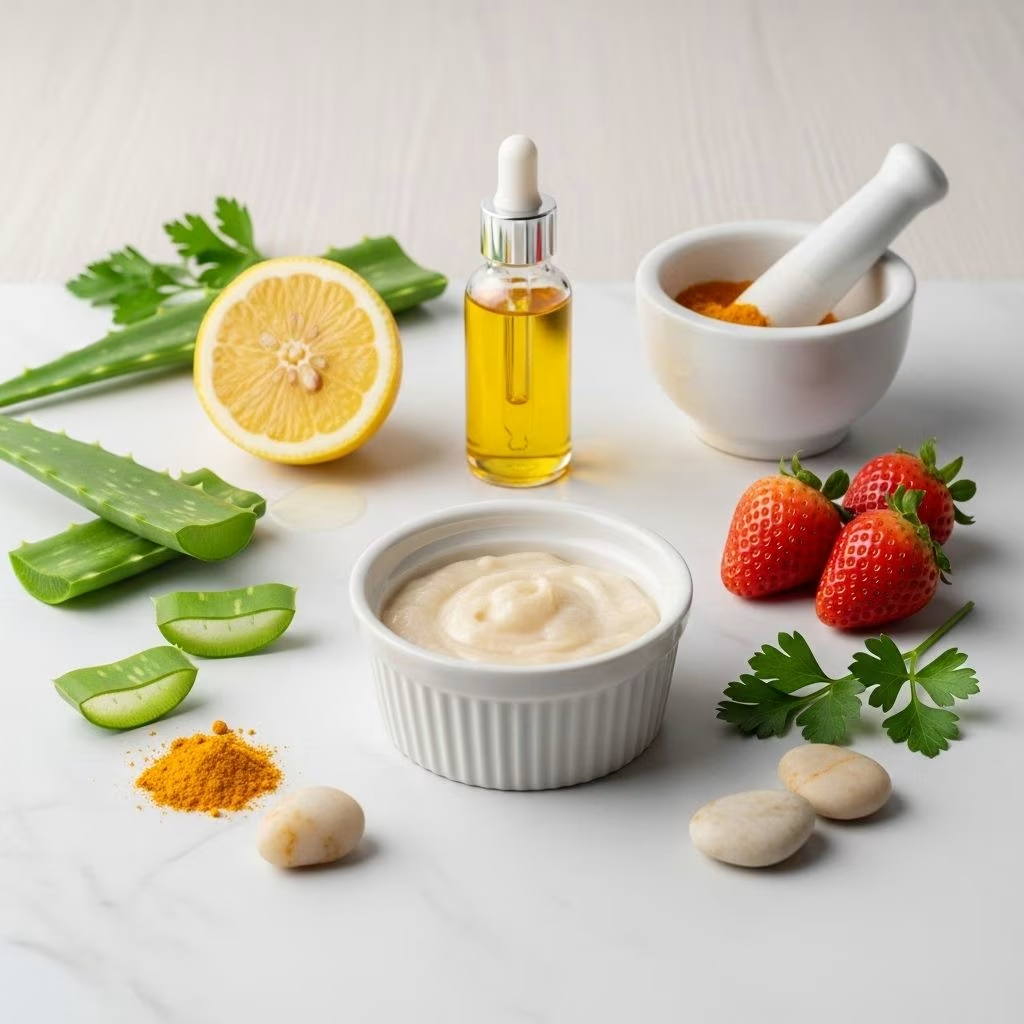
Natural Home Remedies for Dark Spots: A Complete Guide
Dark spots, also known as hyperpigmentation or age spots, are a common skincare concern characterized by patches of skin darker than the surrounding areas. While these spots are generally harmless, many seek ways to effectively reduce or eliminate their appearance for a more even complexion. This comprehensive guide delves into the most effective natural home remedies for dark spots, explores their safety, offers tips for prevention, and addresses frequently asked questions.
Understanding Dark Spots: Causes and Triggers
Before embarking on treatment, it’s essential to recognize the underlying causes of dark spots. Typical sources include:
- Sun exposure: Ultraviolet (UV) rays stimulate excess melanin production, leading to sunspots.
- Post-inflammatory hyperpigmentation: Darkening that follows skin injuries or inflammation, such as acne, eczema, or cuts.
- Hormonal changes: Pregnancy, birth control, and hormonal imbalances can trigger melasma—patchy facial pigmentation.
- Certain medications: Antibiotics and some anti-seizure drugs may cause photosensitivity.
- Genetics and aging: Increased age or genetic predisposition can make some people more susceptible.
Proven Natural Home Remedies for Dark Spots
Many time-honored ingredients can help reduce the appearance of dark spots at home. These remedies work primarily through gentle exfoliation, anti-inflammatory effects, or by inhibiting melanin production. Always conduct a patch test and consult a dermatologist before trying new skincare routines, especially if you have sensitive or reactive skin.
1. Aloe Vera
Aloe vera is prized for its soothing and skin-healing properties. It contains compounds like aloesin and aloin, which have been found to lighten hyperpigmentation and sun-induced spots.
- Apply pure aloe vera gel directly to clean skin over dark spots.
- Leave for 30 minutes, morning and evening.
- Rinse with lukewarm water and follow up with a moisturizer.
Consistent use can gently fade spotting over weeks. It’s safe for most skin types, but a patch test is recommended for sensitive skin.
2. Apple Cider Vinegar
Containing acetic acid, apple cider vinegar may help lighten pigmentation.
- Mix equal parts water and apple cider vinegar.
- Apply to dark spots with a cotton ball.
- Leave for 2–3 minutes, then rinse.
- Repeat daily or as tolerated.
Options include blending with a few drops of lemon juice or combining with orange juice for added effect. Avoid prolonged contact with undiluted vinegar to prevent irritation.
3. Lemon Juice
Lemon juice is a natural bleaching agent due to its high concentration of vitamin C and citric acid, which promote gentle chemical exfoliation.
- Apply fresh lemon juice or a thin lemon slice directly to the spots for 10 minutes, twice daily.
- For sensitive skin, dilute equal parts lemon juice with water or rose water before applying.
- Rinse well and moisturize.
Visible lightening may occur within two months, but lemon juice can cause irritation—never use on broken skin and limit sun exposure afterwards.
4. Turmeric
Known for its anti-inflammatory and antioxidant effects, turmeric can inhibit melanin production and brighten skin tone.
- Mix 2 tablespoons rice water, 2 tablespoons flour, and 1 teaspoon turmeric powder into a paste.
- Apply with a Q-tip to dark spots and leave on for 20 minutes.
- Rinse with lukewarm water.
Use caution to prevent staining clothing or skin. Regular application is key to results.
5. Buttermilk
Buttermilk, rich in lactic acid, provides gentle exfoliation and can fade spots over time.
- Apply directly to affected areas for 15–20 minutes.
- Rinse and moisturize.
- Add a few drops of lemon juice for oily or acne-prone skin.
Repeat as tolerated to gradually enhance skin brightness.
6. Castor Oil
Highly emollient, castor oil is often used to fade pigmentation marks and promote overall skin repair.
- Apply a drop to the spot using a cotton swab, morning and evening.
- Massage gently for best absorption.
Castor oil can be especially beneficial for drier skin types.
7. Horseradish
With potent antioxidants, horseradish has historically been used to lighten skin blemishes.
- Apply fresh horseradish paste to dark spots for 15 minutes, 2–3 times per week.
- For a stronger solution: soak grated horseradish in half a cup of apple cider vinegar for 2 weeks; shake daily. Apply the infused vinegar to dark spots up to three times daily for a month (store in the refrigerator).
Discontinue use if irritation develops.
8. Hydrogen Peroxide and Milk
This combination offers mild bleaching and exfoliating effects.
- Mix 1 teaspoon hydrogen peroxide with 1 teaspoon milk.
- Apply to dark spots using a cotton pad for 15 minutes.
- Rinse off and apply moisturizer.
Use sparingly and only on unbroken skin.
9. Garbanzo Beans (Chickpeas)
Traditionally used as a face pack, garbanzo beans can brighten the skin and offer gentle exfoliation.
- Mash a can of chickpeas with a third cup of water.
- Apply the paste daily to spots; rinse after drying.
Over time, results may become apparent with regular use.
10. Green Tea Extract
Green tea is rich in antioxidants and may reduce pigmentation. While clinical evidence is limited, its anti-inflammatory properties are well-established.
- Steep a green tea bag in hot water for 3–5 minutes, cool, and gently dab onto spots using the tea bag.
- Repeat several times per day.
Used regularly, green tea can help soothe the skin and potentially fade dark patches.
11. Black Tea Water
Black tea is another antioxidant-rich option for skin lightening.
- Soak a cotton ball in cooled black tea.
- Apply to dark spots twice daily; continue for several weeks to assess results.
12. Daily Exfoliation and Cleansing
Consistent use of exfoliating agents, like alpha-hydroxy acids (AHAs) such as glycolic acid and lactic acid, or beta hydroxy acids (BHAs) like salicylic acid, can gradually diminish dark spots by removing dead skin cells and encouraging cellular renewal. Natural sources of mild exfoliation include ground oats, rice flour, or yogurt. If using over-the-counter formulas, start with low concentrations to minimize irritation.
13. Additional Natural Support Remedies
- Red onion extract: Ingredient in some skin-lightening creams; contains antioxidants that may reduce pigmentation.
- Sandalwood & Honey Mask: Sandalwood soothes and brightens, while honey moisturizes and promotes healing.
- Flaxseed gel: Flaxseed, when boiled into a gel, hydrates deeply and reportedly diminishes pigmentation over time.
How to Use Natural Remedies Safely
- Patch test first: Always test new ingredients on a small skin area to check for allergic reactions.
- Start gradually: Use small amounts for short durations initially, increasing as skin tolerates.
- Avoid broken skin: Never apply remedies to open wounds or areas with active inflammation.
- Sun protection is essential: Many natural remedies (especially acids and citrus) can increase sun sensitivity. Daily application of broad-spectrum sunscreen is vital to prevent further pigmentation and support healing.
- Monitor for irritation: Stinging, burning, or persistent redness are signals to stop use immediately.
Prevention Tips for Future Dark Spots
Even the best home remedies are less effective if new spots continue to form. Integrate these prevention strategies into your routine:
- Apply a broad-spectrum sunscreen with at least SPF 30 every morning, regardless of weather or season.
- Wear protective clothing and seek shade during peak sunlight hours.
- Avoid picking at acne lesions, scabs, or insect bites which can cause post-inflammatory hyperpigmentation.
- Incorporate antioxidants in your diet and skincare to protect against oxidative stress.
- Maintain a gentle skincare routine tailored for your skin type and sensitivities.
Frequently Asked Questions (FAQs)
Q: Are natural remedies effective for all types of dark spots?
A: While many people see improvement with natural remedies, effectiveness varies based on the cause and severity of pigmentation. Sunspots, post-inflammatory hyperpigmentation, and mild cases often respond best. Persistent or deep melasma may require professional dermatological treatments.
Q: How long do natural remedies take to show results?
A: Most home remedies require consistent application over several weeks to months to produce noticeable fading. Immediate results are unlikely.
Q: Can these remedies be used together?
A: While combining remedies can boost effects, introduce only one new treatment at a time to monitor for irritation or allergic reactions. Avoid layering strong exfoliants or acids.
Q: Is it safe to use lemon juice directly on the face?
A: Lemon juice can irritate sensitive skin and increase photosensitivity. Always dilute and rinse thoroughly. Do not use on cuts, active acne, or inflamed skin.
Q: When should I see a dermatologist?
A: Consult a dermatologist if you have rapidly spreading spots, uncertain diagnosis, or if natural remedies cause persistent irritation without improvement after 2–3 months.
When to Consider Medical Treatments
If natural methods are insufficient or your pigmentation is severe, medical options include prescription creams (such as hydroquinone, tretinoin, or corticosteroids), chemical peels, laser therapy, and microdermabrasion. These should only be undertaken under professional guidance after a thorough skin assessment.
Key Takeaways
- Natural remedies for dark spots, such as aloe vera, lemon, turmeric, and buttermilk, are widely used and can produce gradual improvement with consistent, safe use.
- Protection from UV exposure and avoiding skin trauma are critical for both prevention and treatment.
- Patch testing and gradual introduction help minimize risk of irritation.
- Consult a skin professional if spots do not respond or worsen.
References
- https://us.purefiji.com/blogs/news/12-diy-natural-remedies-how-to-get-rid-of-dark-spots-on-face
- https://psrihospital.com/home-remedies-to-remove-dark-spots-on-the-face-naturally/
- https://www.youtube.com/watch?v=mCJdC75S6Fw
- https://www.medicinenet.com/how_can_i_remove_dark_spots_at_home_naturally/article.htm
- https://www.healthline.com/health/sunspots-on-face
- https://www.vinmec.com/eng/blog/home-remedies-for-skin-pigmentation-how-to-get-rid-of-dark-spots-en
- https://www.healthline.com/health/home-remedies-for-pigmentation
- https://vitalskinderm.com/blog/how-to-naturally-get-rid-of-sunspots/
- https://www.aad.org/public/everyday-care/skin-care-secrets/routine/fade-dark-spots


