


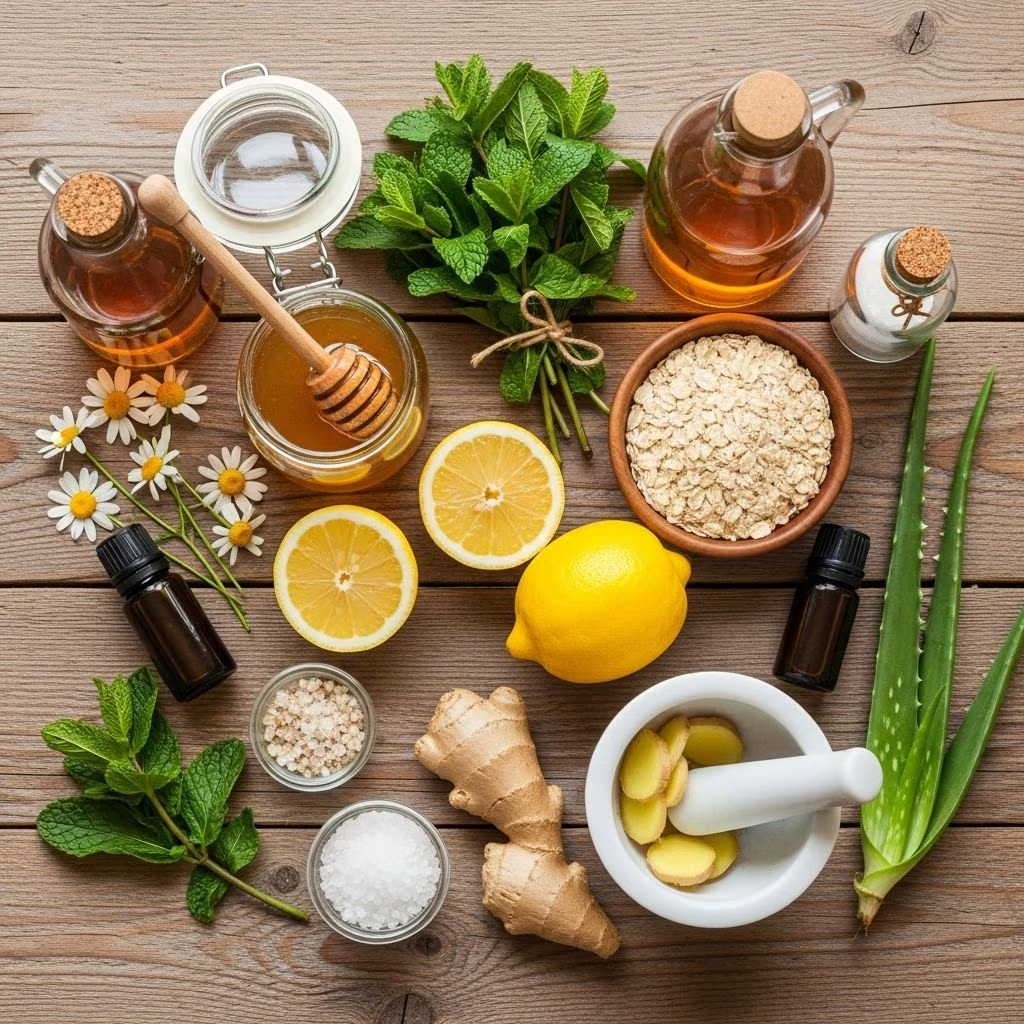
Natural Remedies Found Right in Your Own Home
Modern households are often packed with medical kits and pharmacy products for every minor discomfort. But what if relief could be found right in your kitchen, garden, or pantry? For centuries, people have turned to natural ingredients to ease common ailments. Today, many simple and time-tested remedies are supported by modern research, often matching or complementing store-bought solutions. Here’s how you can address everyday health concerns using items you probably already own.
Why Turn to Natural Remedies?
Natural remedies offer a gentle alternative to pharmaceuticals and can be particularly helpful for mild symptoms or minor injuries. The appeal of home remedies stems from:
- Accessibility: Most kitchens are already stocked with effective remedies.
- Cost-effectiveness: Using household staples avoids costly over-the-counter medications.
- Tradition and evidence: Many remedies are backed by generations of anecdotal use, and some have supporting scientific studies.
- Fewer chemicals: They often minimize exposure to synthetic ingredients, appealing to those sensitive to additives.
Still, home remedies are not a replacement for professional medical care when symptoms are severe or persistent. Always use common sense and seek help when needed.
Pantry Powerhouses for Common Ailments
These easily found pantry items can often provide quick relief for a variety of mild conditions:
1. Honey
- Cough and sore throat: Honey coats the throat, easing irritation and suppressing coughs. For a soothing tea, stir a spoonful into hot water with lemon.
- Minor burns: Thanks to its antibacterial and anti-inflammatory properties, honey can help soothe and heal light burns. Let the burn cool under running water, then apply a thin layer of honey.
2. Ginger
- Nausea, morning sickness, and indigestion: Ginger tea or candied ginger can alleviate queasiness and settle the stomach. Slice a piece of root into hot water or chew on a small amount.
3. Apple Cider Vinegar
- Sore throat and cough: Gargle a mixture of one tablespoon of apple cider vinegar in a cup of warm water. Many add honey for taste and extra soothing power.
- Digestion: Apple cider vinegar may aid in digestion and reduce bloating when diluted and sipped before meals.
4. Garlic
- Colds and immunity: Garlic’s natural compounds have antimicrobial properties. Chewing a clove raw (or mixing with honey in tea) at the first sign of a cold is a traditional favorite.
5. Turmeric
- Pain and inflammation: The curcumin in turmeric is a potent anti-inflammatory. Add 1/2 teaspoon to warm milk with black pepper for a comforting, beneficial drink.
- Sore throat: Gargle a solution of turmeric and salt in warm water for relief from irritation.
6. Salt and Warm Water
- Sore throat: Gargling with saltwater several times a day helps reduce swelling and kill bacteria.
- Minor wounds: A mild saline solution can help clean cuts and encourage healing.
7. Oatmeal
- Itchy skin and eczema: An oatmeal bath calms irritated, inflamed skin. Add a cup of finely ground oats to warm bathwater and soak for 15–20 minutes.
8. Peppermint
- Digestive aid: Peppermint tea can relieve bloating and soothe an upset stomach.
- Tension headaches: Diluted peppermint oil gently rubbed on the temples can relieve headache tension.
9. Aloe Vera
- Minor burns and sunburn: Snap a leaf open and apply the gel directly to burns or rashes for instant cooling and healing.
- Dry skin: Aloe’s hydration and vitamins help moisturize and repair the skin.
Natural Approaches to Everyday Symptoms
Cough
For a persistent cough, try mixing two tablespoons of apple cider vinegar in eight ounces of hot water. Add a sprinkle of cayenne, a dash of cinnamon, and a spoonful of honey. This combination soothes the throat, while the vinegar and spices help loosen mucus.
Cold and Flu
- Garlic and honey: Crush a couple of garlic cloves into a glass of warm water, adding honey to taste. Drink at the first sign of illness.
- Hydration: Drink plenty of clear fluids, such as herbal teas and broth, to support recovery.
Minor Stomach Upset
- Ginger: Sip homemade ginger tea to settle an upset stomach or relieve nausea.
- Peppermint: Peppermint tea is another good choice for digestive comfort.
Headache
- Peppermint oil: Dab diluted essential oil on temples and the back of the neck.
- Water: Dehydration is a common cause, so always drink a glass of water at the onset of symptoms.
Sore Throat
Combine warm water with honey and lemon for soothing relief, or gargle with a solution of salt and turmeric several times each day. A mug of warm herbal tea helps lubricate the throat.
Minor Cuts and Scrapes
- Clean the wound: Flush with clean water or mild saline.
- Honey: Applied thinly to the area before covering with a bandage to help protect against bacteria.
- Aloe vera: Use for extra moisture and healing power.
Bug Bites and Minor Skin Irritations
- Oatmeal paste: Mix ground oats with water and apply to the skin.
- Aloe vera gel: Directly soothes irritation and encourages healing.
- Baking soda paste: Relieves itchiness; mix with water and apply for a few minutes before rinsing.
Beauty Remedies from Your Kitchen
Acne and Blackheads
- Grated cucumber: Apply on the face, around the eyes, and neck for 15 minutes to reduce acne and refresh skin.
- Oatmeal mask: Mixed with honey, this soothes sensitive or irritated skin.
Dark Circles
Mix fresh tomato pulp with a tablespoon of lemon juice, a small pinch of gram flour, and turmeric powder. Apply gently around the eyes, leave for 10–20 minutes, and rinse off. Repeat a few times a week to lighten skin tone and diminish dark circles.
Weak Nails
Some swear by black currant oil capsules to strengthen nails and promote growth within weeks.
Skin Soothers
- Witch hazel: Soothe irritated skin or razor burn by dabbing with witch hazel on a cotton pad.
Table: Quick Remedies for Common Ailments
| Symptom | Remedy | How to Use |
|---|---|---|
| Cough | Honey, Apple Cider Vinegar, Ginger | Add to hot water with lemon, sip throughout the day |
| Colds | Garlic, Honey, Hydration | Mix garlic and honey with water, increase fluid intake |
| Sore Throat | Salt, Turmeric, Honey | Gargle with salt/turmeric water, drink honey tea |
| Nausea | Ginger, Peppermint | Sip tea made from fresh ginger or peppermint leaves |
| Minor Burns | Honey, Aloe Vera Gel | Apply cool water, then a thin layer of honey or aloe |
| Skin Irritation | Oatmeal, Baking Soda, Aloe Vera | Apply as a paste or soak area in oatmeal bath |
Safety Guidelines for Home Remedies
- Perform a patch test for any skin remedy to avoid allergic reactions.
- Use only fresh, clean ingredients.
- Never ingest remedies not intended for consumption.
- Do not give honey to infants under 1 due to the risk of botulism.
- If symptoms persist, worsen, or you have underlying health conditions, consult a healthcare provider.
- Certain herbs and natural products may interact with medications; if in doubt, always check with your doctor.
Frequently Asked Questions (FAQs)
Q: Are home remedies safe for children and elderly adults?
A: Most gentle remedies are generally safe, but always adjust dosages for age and check for possible allergies, especially in young children and older adults. Avoid giving honey to children under one year old.
Q: How quickly should I expect results from natural remedies?
A: Some remedies, like saltwater gargles or honey for cough, can offer relief within a few hours. Others, such as skin soothers for acne or dark circles, may require consistent use for several days or weeks.
Q: Should I replace my medication with natural remedies?
A: No. Natural remedies can complement but not replace prescribed medications or professional medical advice. Always consult a healthcare provider for serious conditions.
Q: Can I mix several natural remedies together for better results?
A: Some remedies complement each other (like honey and lemon), but more is not always better. Combining too many may cause unintended side effects. Stick with tried-and-true combinations unless advised by an expert.
Q: How do I know if a home remedy is safe?
A: Research any new remedy carefully. Use ingredients you recognize, start with small amounts, and monitor for negative reactions. Always consult a doctor if you are on prescriptions or have medical concerns.
Conclusion: Empower Your Wellness Naturally
The natural world offers a surprising array of effective remedies for common complaints, many of which reside just a few steps away in your home. Whether for a stubborn cough, a mild burn, a throbbing headache, or sensitive skin, gentle and time-tested solutions abound in the pantry, fridge, and backyard. With safety, moderation, and a willingness to listen to your body, natural remedies can make everyday wellness a simple, affordable, and empowering pursuit.
References
- https://www.prevention.com/health/a20477585/35-all-time-favorite-natural-remedies/
- https://svthw.org/20-home-remedies-everyone-should-know/
- https://marysnest.com/10-essential-home-remedies-using-common-pantry-staples/
- https://www.healthline.com/health/home-remedies
- https://www.womenshealthspecialists.org/self-help/home-remedies/
- https://www.webmd.com/balance/ss/slideshow-home-remedies
- https://www.allinahealth.org/healthysetgo/heal/natural-remedies-for-everyday-illnesses
- https://my.clevelandclinic.org/podcasts/health-essentials/home-remedies-backed-by-science-with-dr-elizabeth-kightlinger
- https://www.piedmont.org/living-real-change/9-natural-cold-and-flu-remedies


