


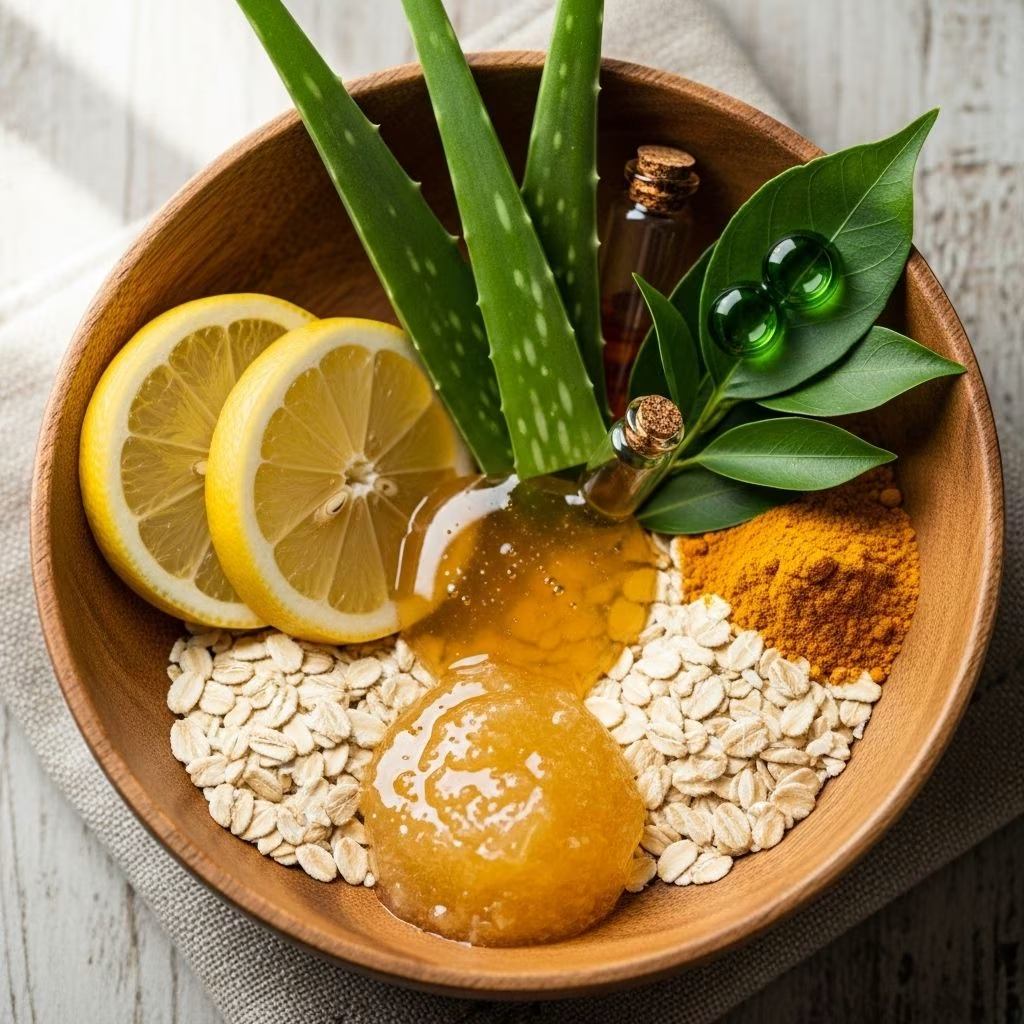
Natural Remedies for Acne Scars: Effective At-Home Treatments
Dealing with acne scars can be frustrating, as they often persist long after active breakouts are gone. While clinical treatments are available, many people prefer to begin with natural, at-home methods to improve the appearance of acne scars and restore skin confidence. This comprehensive guide explores science-backed natural remedies, explains how they work, and provides advice on how to use them safely and effectively.
Understanding Acne Scars and Their Causes
Acne scars form as a result of the skin’s repair process after an injury from inflamed acne lesions. When acne damages skin tissue, the body produces collagen to heal itself:
- Too little collagen: Leads to atrophic (indented) scars, such as ice pick or boxcar scars.
- Too much collagen: Results in hypertrophic (raised) scars.
Both types of scars can be made more noticeable by sun exposure or improper skin care. Early interventions, like sun protection and skincare, can aid the body’s natural healing and minimize lasting marks.
Best Natural Remedies for Acne Scars
Several natural remedies have shown evidence of promoting healing and fading acne scars. Here is a look at the most effective options:
Aloe Vera
Aloe vera is renowned for its soothing, anti-inflammatory, and wound-healing properties.
- Applying fresh aloe gel directly to scars twice daily can reduce inflammation and promote regeneration.
- Some studies show aloe vera may decrease scar tissue formation and speed up healing.
- Leave aloe on the skin for 30 minutes before rinsing with cool water, repeating morning and evening for best results.
Honey
Honey—especially raw or Manuka honey—has been used for centuries to treat wounds and scars.
- Honey aids in wound healing, minimizes scarring, and provides natural antibacterial protection.
- Apply a thin layer on acne scars and cover overnight with a bandage for deeper repair, or use honey in homemade face masks.
- Honey’s anti-inflammatory and hydrating effects make it suitable for all skin types.
Apple Cider Vinegar
Apple cider vinegar (ACV) acts as a natural astringent and mild chemical exfoliant.
- It can regulate skin pH and help fade dark spots due to its acetic acid content.
- Always dilute ACV with water (at least 1:4 ratio) to prevent irritation or burns.
- Apply with a cotton ball to scars, leave for a few minutes, then rinse and moisturize. Avoid on sensitive or broken skin.
Rosehip Seed Oil
Rosehip seed oil is celebrated for regenerating skin and treating pigmentation caused by acne.
- Contains essential fatty acids and Vitamin A, which boost collagen and repair skin barrier.
- Apply 2-3 drops twice daily, massaging gently into scars for optimal absorption and results.
Black Seed Oil
Black seed oil (Nigella sativa) boasts anti-inflammatory, antibacterial, and melanin-regulating effects.
- May help reduce inflammation and fade both dark marks and raised scars.
- Apply a small amount to the affected area once or twice a day.
Coconut Oil
Coconut oil is a natural moisturizer with vitamin E and fatty acids that can aid scar healing.
- Gently massage melted coconut oil onto scars for 5-10 minutes, then rinse for smoother texture and reduced marks.
- Caution: May not be suitable for oily or acne-prone skin, as it could clog pores in some individuals.
Tea Tree Oil
Tea tree oil is a powerful essential oil with antimicrobial and anti-inflammatory qualities.
- Spot-apply diluted tea tree oil to acne or early scars to reduce bacteria and inflammation.
- Always dilute (one drop per tablespoon of carrier oil) before applying to the skin to prevent irritation.
Lemon Juice
Lemon juice contains vitamin C and natural alpha hydroxy acids for mild exfoliation and skin brightening.
- Helps lighten hyperpigmentation but can irritate sensitive skin or worsen sun sensitivity.
- If using, add lemon juice to a DIY face mask rather than applying directly, and always follow with sun protection.
Vitamin E Oil
Vitamin E oil has antioxidant properties that support wound healing and may gradually diminish the appearance of acne scars.
- Pierce a vitamin E capsule and massage the oil onto scars for several minutes daily.
- It may cause breakouts in some, so introduce gradually and monitor skin response.
Lavender Essential Oil
Lavender oil is known for its calming scent and anti-inflammatory effects.
- Mix a few drops of lavender oil with a carrier oil and gently massage onto scars. Leave for up to 30 minutes before rinsing.
Additional Home Strategies for Scar Improvement
Beyond topical treatments, several lifestyle tips and secondary remedies can enhance results:
- Stay hydrated: Drinking enough water keeps skin supple and supports healing.
- Balanced diet: Vitamins C, E, and omega fatty acids promote regeneration.
- Sun protection: Always use SPF to prevent scars from darkening further.[10]
- Avoid picking: Refrain from picking at scabs or scars to avoid worsening the appearance and forming new scars.
Natural Face Masks & DIY Applications
Homemade face masks combine several of these natural remedies for synergistic scar-fading effects:
- Honey and Lemon Mask: Mix one tablespoon raw honey with a few drops of lemon juice. Apply to scars, let sit 20 minutes, rinse.
- Aloe Vera and Vitamin E: Blend aloe gel with vitamin E oil, massage onto cleaned face, leave on for 30 minutes before washing off.
- Turmeric and Honey: Create a paste of turmeric powder and honey. Spread on the scar, leave for 10-15 minutes, rinse thoroughly. Turmeric is known for anti-inflammatory and lightening effects.
Natural Remedies: Risks and Considerations
While natural remedies are often safe, they are not risk-free, especially for sensitive or allergy-prone skin.
- Always perform a patch test before using any new ingredient on your face.
- Avoid overexfoliation, especially with lemon juice or undiluted apple cider vinegar.
- Cease use immediately and consult a dermatologist if irritation, redness, or discomfort occurs.
When to See a Dermatologist
Natural remedies can help lighten or soften minor scars, but severe or persistent acne scars may require professional intervention. If scars are deep, painful, or causing significant distress, consult a dermatologist promptly. Professional options include:
- Laser treatments
- Chemical peels
- Microneedling
- Dermal fillers
- Prescription topical medications
Medical professionals can guide you on the most appropriate and effective procedures for your skin type and scar concerns, sometimes combining natural home care with advanced clinic-based treatments.[10]
Comparison Table: Popular Natural Remedies for Acne Scars
| Remedy | Main Benefit | How to Use | Notes |
|---|---|---|---|
| Aloe Vera | Reduces inflammation, supports healing | Apply gel to scars twice daily | Patch test for sensitivity |
| Honey | Speeds healing, antibacterial | Apply or mask, cover overnight | Safe for most skin types |
| Coconut Oil | Moisturizing, antioxidants | Massage into skin, rinse after 10 min | Avoid if acne-prone |
| Apple Cider Vinegar | Light exfoliation, fades dark spots | Apply diluted, rinse after few min | Can irritate sensitive skin |
| Rosehip Seed Oil | Fades scars, anti-aging | Massage in twice daily | Non-comedogenic |
| Black Seed Oil | Reduces inflammation, pigmentation | Apply small amount daily | Rare allergic reactions possible |
| Tea Tree Oil | Antimicrobial, reduces swelling | Dilute, spot apply to scars | Do not use undiluted |
| Vitamin E Oil | Antioxidant, supports healing | Massage onto scars daily | Patch test for breakouts |
Tips for Preventing New Acne Scars
- Never pick or squeeze pimples: This increases inflammation and the risk of scarring.
- Use sun protection daily (SPF 30+): UV rays worsen hyperpigmentation and hinder healing.[10]
- Follow a gentle skincare routine: Avoid harsh scrubbing and use non-comedogenic products.
- Address new breakouts promptly: Early treatment can reduce scarring risk.
Frequently Asked Questions (FAQs)
Q: How long does it take for natural remedies to fade acne scars?
A: Results vary by individual and treatment type. Minor scars may improve within a few weeks of consistent care, while deeper scars can take several months and may require professional intervention.
Q: Are natural treatments safe for all skin types?
A: Most natural remedies are gentle, but always patch test first, especially with sensitive or allergy-prone skin. Avoid potential irritants like undiluted apple cider vinegar and lemon juice.
Q: Can natural remedies completely remove acne scars?
A: While natural remedies can noticeably lighten and soften minor scars, they may not completely erase deeper, atrophic, or hypertrophic scarring. Professional treatments might be necessary for more severe cases.
Q: What is the best single ingredient to start with?
A: Aloe vera is well-tolerated by most skin types and supports hydration, healing, and mild scar fading. Start with aloe, then introduce other ingredients as needed based on your skin’s response.
Q: Should I use sunscreen with these remedies?
A: Yes. Sun exposure can make scars darker and slow healing, especially when using exfoliating ingredients like lemon or apple cider vinegar. Apply broad-spectrum SPF daily.
Key Takeaways
- Consistency is key: Natural remedies require regular application for the best results.
- Combine approaches: Use a multi-faceted strategy, including diet, sun care, and topical treatments.
- Consult professionals: For persistent or deep scars, consult a dermatologist to explore advanced options alongside at-home care.
- Patience pays off: Fading scars takes time, but with patience and the right approach, clearer and smoother skin is achievable.
References
- https://www.stratumclinics.com/natural-acne-scar-treatment-can-i-get-rid-of-acne-scars-naturally/
- https://www.healthline.com/health/beauty-skin-care/natural-products-for-acne-scars
- https://www.venustreatments.com/en-gl/blog/5-home-remedies-to-improve-the-appearance-of-acne-scars/
- https://www.sprsi.com/blog/8-natural-remedies-scar-removal/
- https://www.medicalnewstoday.com/articles/324784
- https://www.bestimpressionmedspa.com/blog/5-natural-products-that-can-lessen-the-appearance-of-acne-scars
- https://dermatologyseattle.com/top-non-surgical-methods-for-treating-severe-acne-scarring-effectively/
- https://www.mederma.com/article/10-natural-scar-remedies-home-treatments-for-scars/
- https://lionpose.com/blogs/dermatologists/7-natural-remedies-backed-by-science-for-treating-acne-scars-lion-pose
- https://www.mayoclinic.org/diseases-conditions/acne/expert-answers/acne-scars/faq-20058101


